



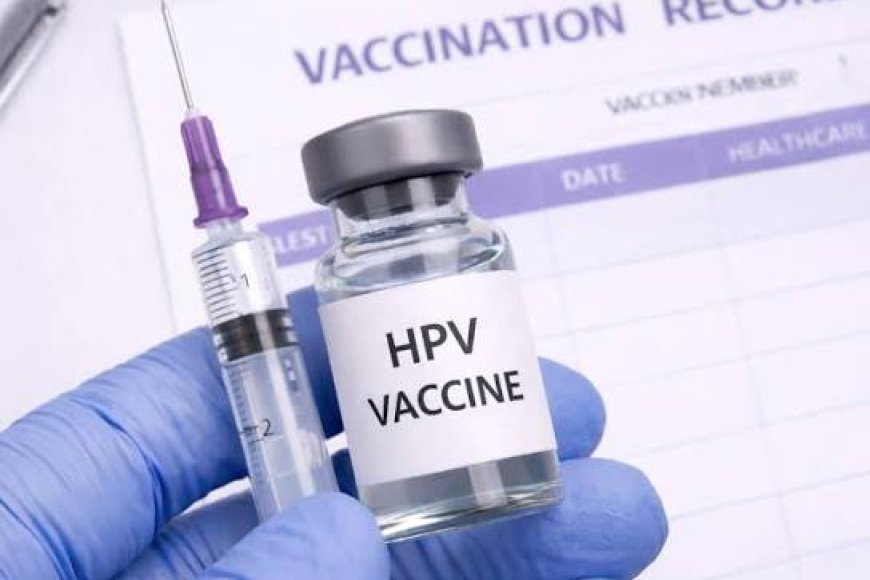
The expanded programme, announced by the Rwanda Biomedical Centre (RBC) on Monday, November 16, allows eligible women to receive the vaccine free of charge at health centres across the country.
Under the new arrangement, recipients will receive two doses, with the second administered six months after the first. Those seeking vaccination are required to present a national identity card or another official document confirming their age.
The move marks an important expansion of Rwanda’s HPV prevention efforts, which initially concentrated on adolescent girls, particularly 12-year-olds, following the introduction of the national vaccination programme in 2011.
Many women now in their thirties and forties had already passed the targeted vaccination age when the programme began, leaving them outside the targeted age bracket during the original campaign.
By extending eligibility to women aged 30–45, Rwanda is seeking to close that gap while strengthening protection against a disease that continues to claim women’s lives despite being largely preventable.
Cervical cancer remains the second most common cancer among women in Rwanda, accounting for approximately 13 per cent of all cancer cases. It is also the leading cause of cancer-related deaths among women, highlighting the urgency of expanding prevention and early detection services.
Speaking during the launch of Rwanda’s Accelerated Plan for the Elimination of Cervical Cancer in February 2025, Health Minister Dr Sabin Nsanzimana said the country was targeting 1.3 million women for screening.
“Cervical cancer is among the top two cancers in Rwanda, with over 600 new cases and 600 deaths recorded every year,” he said, emphasising the need to intensify prevention and early diagnosis.
He further warned that delays in identifying the disease could make treatment increasingly difficult.
“If we do not address them quickly and intensively, aggressively, and intentionally, the problem will only become more complicated as they progress to stages that are sometimes difficult to treat,” Nsanzimana said.
The latest vaccination expansion forms part of Rwanda’s broader Mission 2027 strategy, which seeks to eliminate cervical cancer as a public health problem three years ahead of the World Health Organization’s global 2030 target.
The strategy is built around three major targets: vaccinating 90 per cent of girls against HPV by the age of 15, screening 70 per cent of eligible women by the ages of 35 and 45, and ensuring that 90 per cent of women diagnosed with cervical precancer or invasive cancer receive appropriate treatment.
However, health experts emphasise that vaccination alone cannot eliminate the disease.
HPV is a common virus, and persistent infection with certain high-risk types can cause cervical cancer. While vaccination helps prevent infection, it does not treat an existing HPV infection or an already developed cancer.
This makes regular cervical cancer screening equally important, including for women who have received the vaccine.
Rwanda’s national cervical cancer guidelines prioritise HPV-based screening for women aged 30–49, with earlier screening recommended for women living with HIV.
The country has also been strengthening its vaccination programme through the introduction of Gardasil 9, a vaccine that protects against nine HPV types, offering broader protection than the previous Gardasil 4 vaccine.
RBC officials have previously explained that expanding vaccination coverage, improving screening and ensuring timely treatment are essential to achieving the country’s elimination ambitions.
For women who were previously outside the targeted age bracket, the latest expansion represents an opportunity to access preventive healthcare without the financial barrier of paying for the vaccine.
Loading comments...
Leave a comment