



The treatment, known as silver diamine fluoride (SDF), was found to successfully slow down cavities in many young children, offering a less painful alternative to traditional dental procedures.
Researchers from the University of Michigan led a major clinical trial involving 830 children under the age of six to test the effectiveness and safety of the treatment. The findings were published in JAMA Pediatrics.
Unlike traditional cavity treatment, which usually requires dentists to remove damaged tooth material before placing a filling, SDF is simply painted directly onto the affected area using a small applicator.
The process takes only a few seconds per tooth and does not require drilling, injections or sedation, making it especially useful for young children who may struggle with conventional dental procedures.
The study found that applying a 38% SDF solution every six months stopped tooth decay from progressing in more than half of affected baby teeth among many children who received the treatment.
Margherita Fontana, a professor at the University of Michigan School of Dentistry and the study’s lead investigator, said the treatment was shown to be effective and safe even among children as young as one year old.
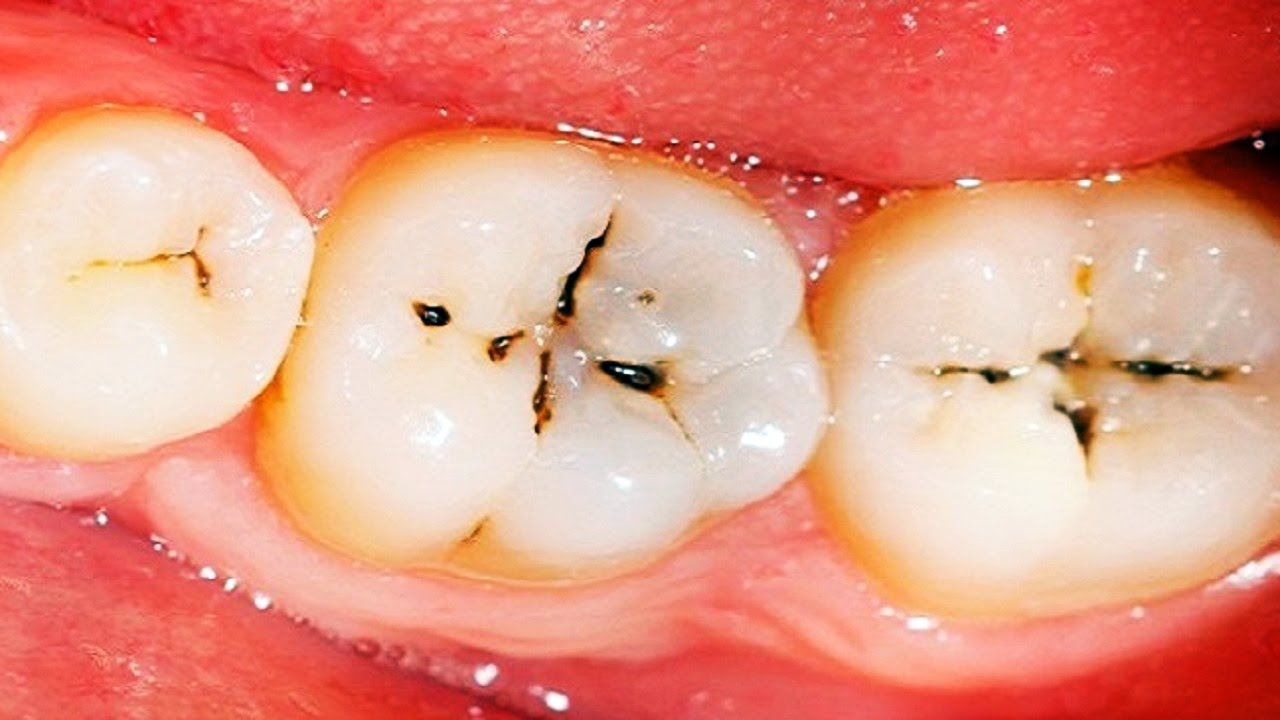
Tooth decay remains one of the most common chronic diseases affecting children. Untreated cavities can cause severe pain, infections, sleeping difficulties, eating problems and missed school days.
Researchers believe SDF could be particularly helpful for young children, older adults, people with disabilities, patients with dental anxiety and communities with limited access to dental care.
However, the treatment has one noticeable drawback. The silver in the solution permanently darkens the decayed part of the tooth, which may affect its appearance.
Scientists say the new findings could support efforts to gain wider approval and use of SDF as a treatment for tooth decay. The clinical evidence from the trial may help support a future application to the United States Food and Drug Administration for broader approval.
Researchers hope the treatment will allow more children to receive early care before cavities become painful or require complex procedures.
The discovery could represent a major step toward making dental treatment more accessible, affordable and less stressful, especially for children who fear traditional dental visits.
Loading comments...
Leave a comment