



For many people trying to lose weight, the biggest challenge is not only changing their diet or exercising more. The real battle may be happening inside the brain.
New research suggests that the human brain has powerful survival mechanisms that can make weight loss difficult by pushing the body to return to a previous weight. Scientists say this biological response developed thousands of years ago when humans needed to store energy to survive periods when food was scarce.
Today, however, the same survival system can work against people who are trying to maintain a healthier weight.
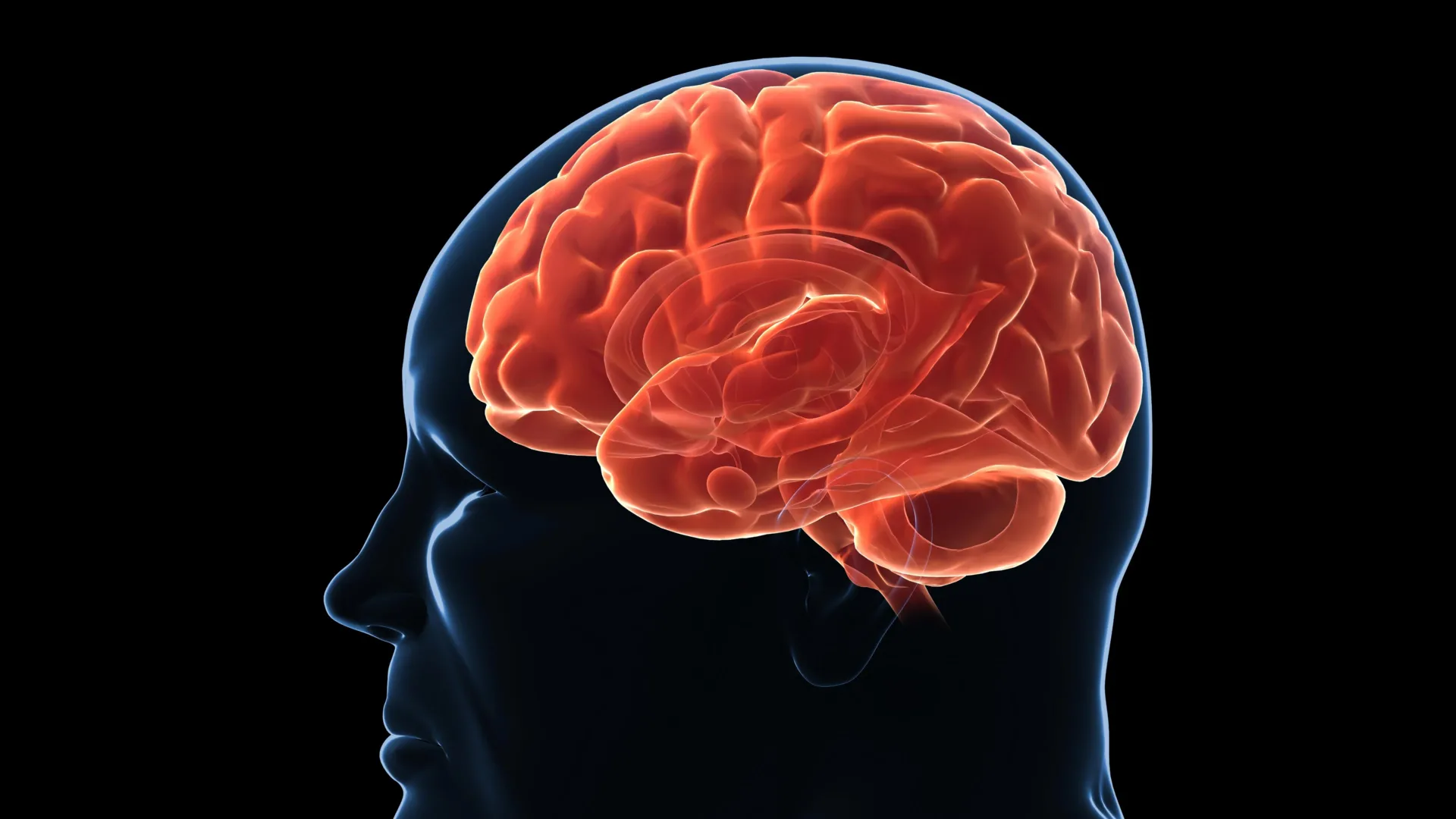
According to researchers, the brain can treat a person’s previous higher weight as the body’s normal state. After losing weight, the brain may send signals that encourage the body to regain what it has lost.
As neuroscientist Dr. Sandra Aamodt explains, "Your brain has an internal thermostat that decides how much it wants you to weigh, and it will keep pushing you back to that weight."
These signals can increase hunger, strengthen cravings for high-calorie foods, and reduce the amount of energy the body uses. As a result, many people regain weight after successful diets, even when they continue making efforts to stay healthy.
The findings challenge the idea that weight loss is simply a matter of discipline or willpower. Scientists say biology plays a major role in determining how the body responds to changes in weight.
Researchers explain that the human body evolved to protect itself from starvation. When food was unpredictable, storing fat provided an important survival advantage. However, in today’s world where high-calorie foods are widely available, these same biological systems can contribute to weight challenges.
The study also highlights why some people struggle after stopping weight-loss medications. Drugs such as those that affect appetite signals between the brain and the digestive system can help people lose weight, but the body may attempt to restore its previous weight once treatment ends.
Experts say long-term weight management requires more than short-term diets. They recommend focusing on sustainable habits such as balanced nutrition, regular physical activity, enough sleep, and creating environments that support healthy choices.
Scientists also emphasize that health should not only be measured by the number on a weighing scale. Improvements in fitness, eating habits, and overall wellbeing can bring important health benefits, even when weight loss happens slowly.
The research provides a new understanding of why maintaining weight loss remains one of the biggest challenges in health. By recognizing the role of the brain and biology, experts hope future approaches to weight management will become more effective and supportive.
Rather than viewing weight regain as a personal failure, scientists say it should be understood as a complex interaction between human biology, environment, and lifestyle.
Loading comments...
Leave a comment