




The other countries are Ghana, Guinea-Bissau and the Republic of Congo. The WHO Regional Office for Africa confirmed the closure of the outbreaks following independent technical assessments conducted between January and June 2026.
The assessments reviewed disease surveillance, laboratory and epidemiological data, vaccination coverage and the quality of outbreak response activities before determining that transmission had been interrupted in all five countries.
While confirming the closure of the outbreaks, WHO Regional Director for Africa Dr Mohamed Janabi cautioned against complacency, stressing that continued disease surveillance and high immunization coverage remain essential to prevent future outbreaks.
Uganda and Burundi make progress
In Uganda, health authorities intensified surveillance and outbreak response measures after poliovirus was detected in May 2024. The response involved coordination between national and subnational authorities, alongside efforts to strengthen the country's capacity to identify and contain further transmission.
Uganda also upgraded its laboratory capacity earlier this year, improving its ability to detect poliovirus and respond rapidly to vaccine-preventable diseases.
In Burundi, a circulating poliovirus type 2 outbreak was declared in March 2023. Authorities subsequently strengthened routine immunisation, epidemiological investigations and environmental surveillance, supported by the Global Polio Eradication Initiative (GPEI).
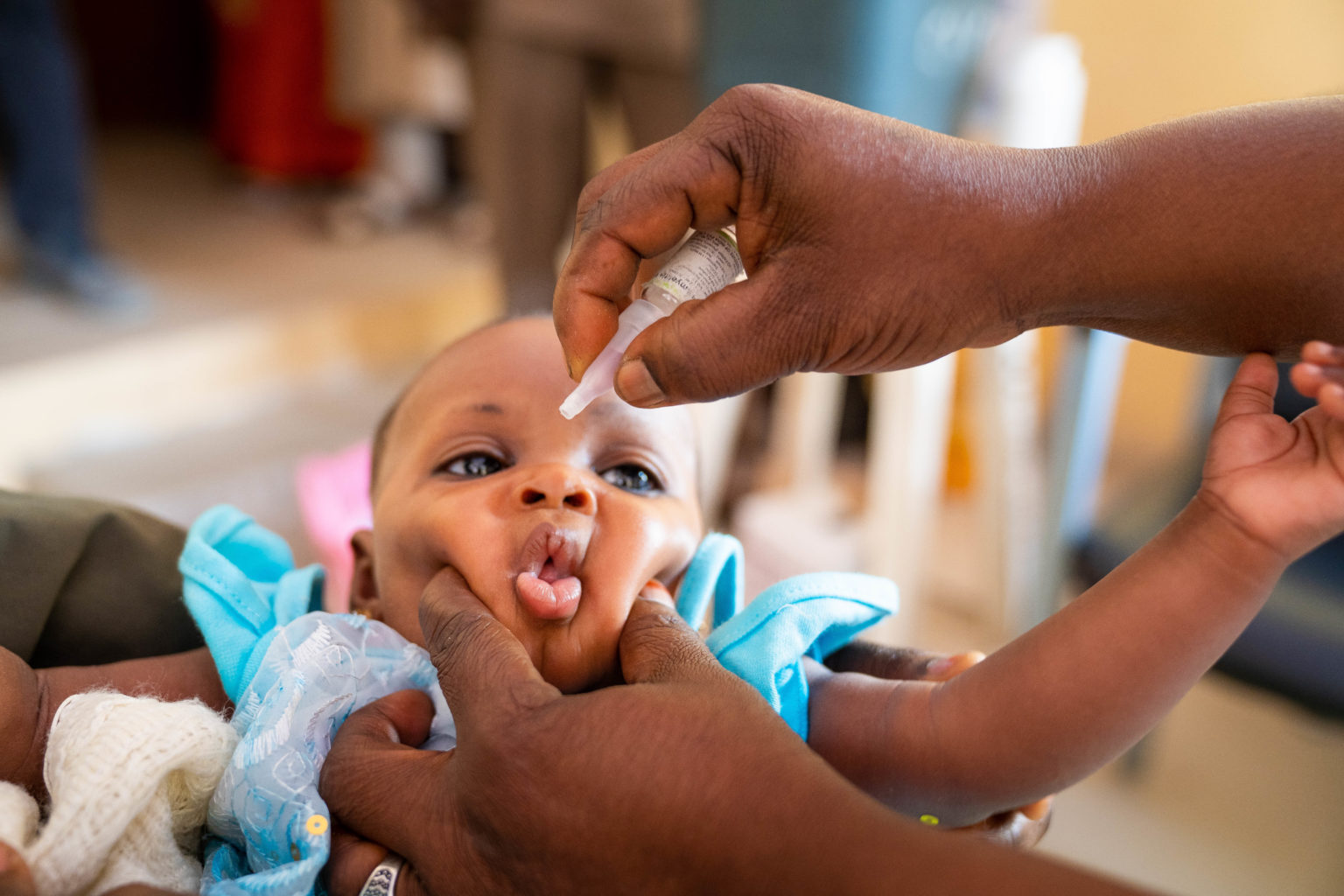
Targeted vaccination campaigns were also used to close immunity gaps and protect children in communities at risk.
The WHO said the experience of the five countries demonstrates the importance of rapid detection, strong government leadership, sustained surveillance, community engagement and high-quality vaccination campaigns in stopping poliovirus transmission.
WHO noted that outbreak closure is a country-specific technical determination based on evidence showing that transmission linked to a particular outbreak has been interrupted. It does not mean that countries are permanently protected from future detections or importations.
“Every outbreak closed means more children protected from a disease that can cause lifelong paralysis,” said Mike McGovern, Chair of the GPEI Polio Oversight Board and Rotary International's International PolioPlus Committee.
Polio is a highly infectious disease that can cause irreversible paralysis. There is no cure, but vaccination can prevent the disease.
Rwanda was declared polio-free in 2004 after reporting its last case of wild poliovirus in 1993.
Loading comments...
Leave a comment