



In a statement issued in Nairobi, WHO said the Kenyan government is strengthening response coordination and case investigation while monitoring and listing contacts for enhanced disease surveillance.
Screening at high-risk points of entry, clear risk communication and community engagement are at the core of the response, it said.
Mohamed Janabi, WHO regional director for Africa, said Kenya has put important outbreak control measures in place and that the priority now is to move swiftly to detect any further cases before the virus has an opportunity to spread.
"We're supporting the ongoing efforts to strengthen the response, and with rapid and coordinated action, we can prevent the virus from gaining a foothold and stop a potential larger outbreak," Janabi said.
Cabinet Secretary for Health Aden Duale on Tuesday confirmed the death of the patient, a Kenyan national who had been residing in the Democratic Republic of the Congo (DRC) for the past seven years.
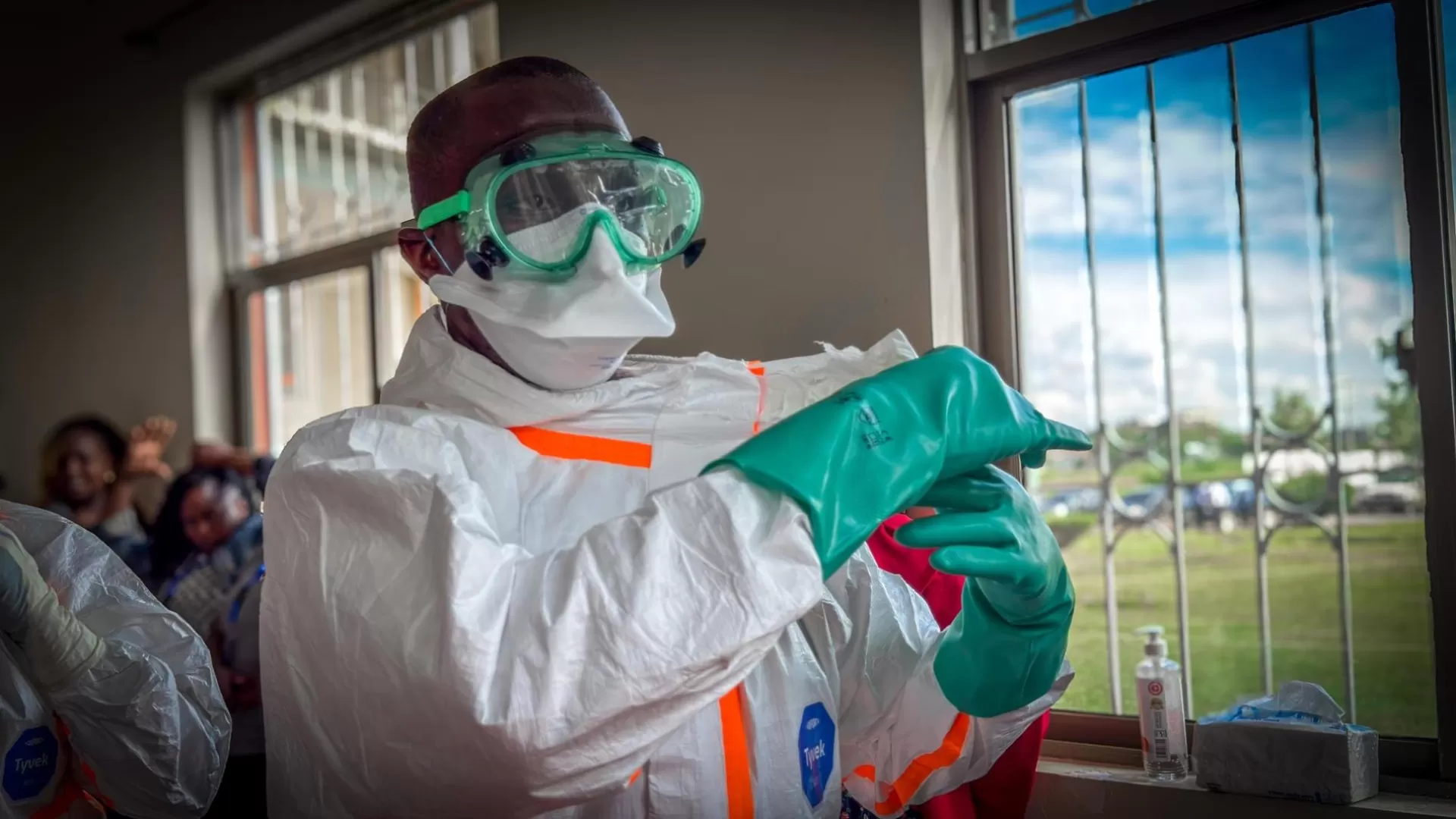
WHO and its partners have supported Kenya with Ebola simulation exercises and the training of a national pool of rapid response trainers, the statement said. Isolation units across 27 high-risk counties have been identified and assessed, case managers trained and Ebola surveillance tools updated.
The global health agency has also delivered about 1,000 Ebola tests and 1,000 personal protective equipment kits to high-risk counties in Kenya.
WHO said it advises against any restriction of travel to, or trade with, the DRC, Uganda or Kenya based on currently available information.
Loading comments...
Leave a comment