



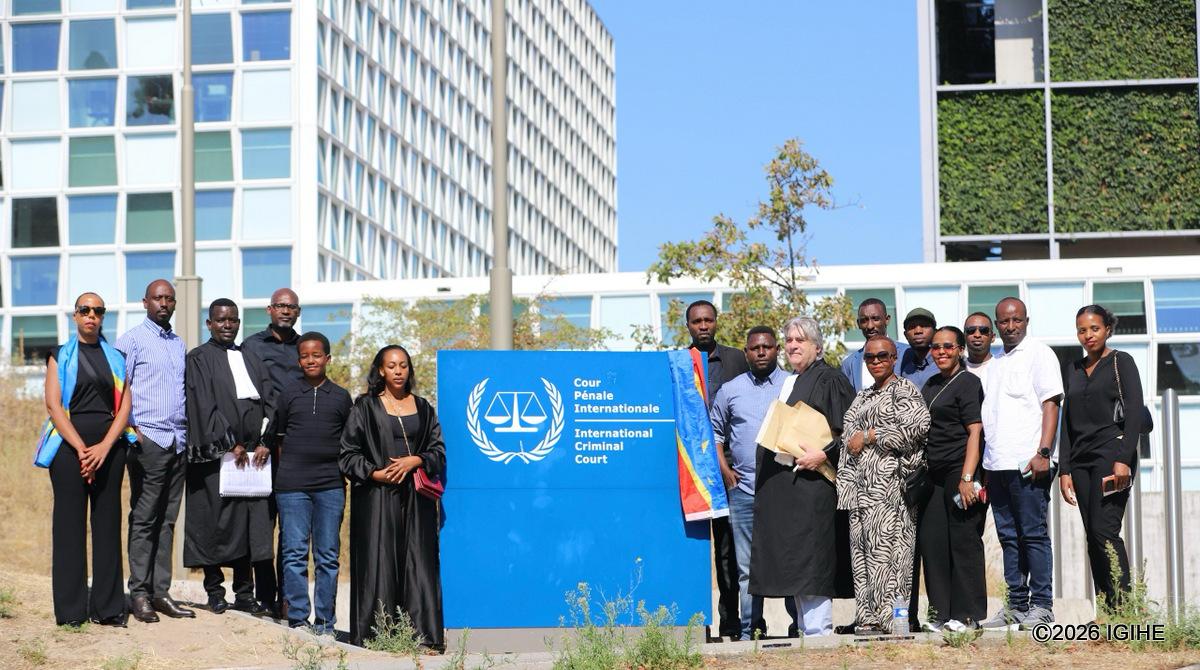
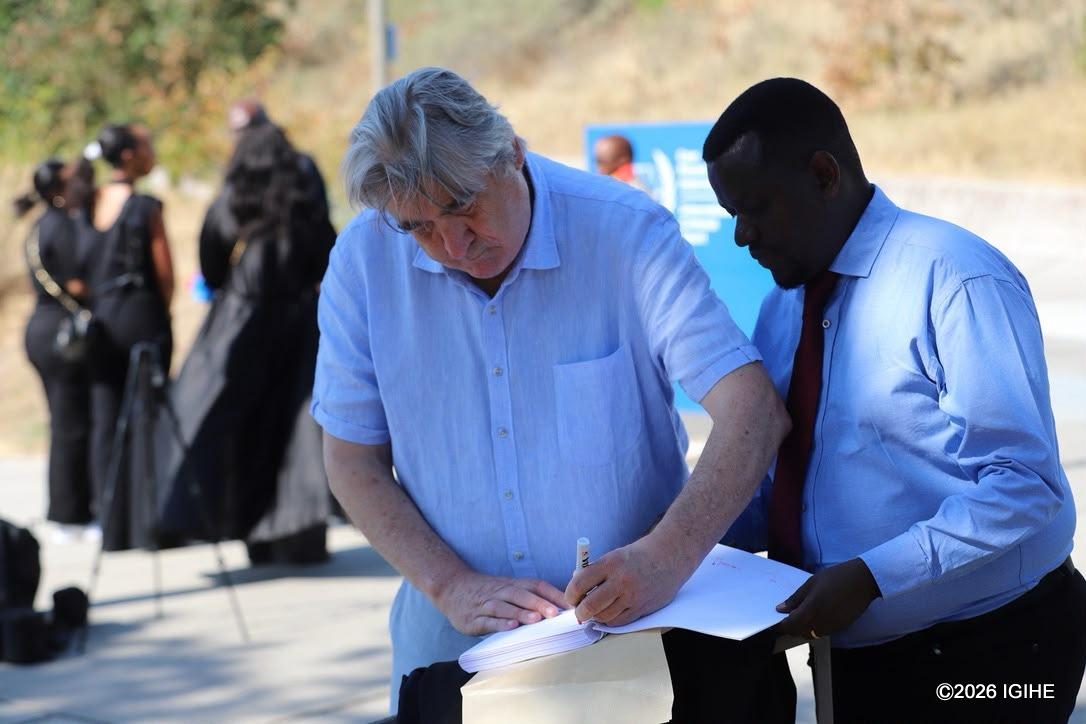
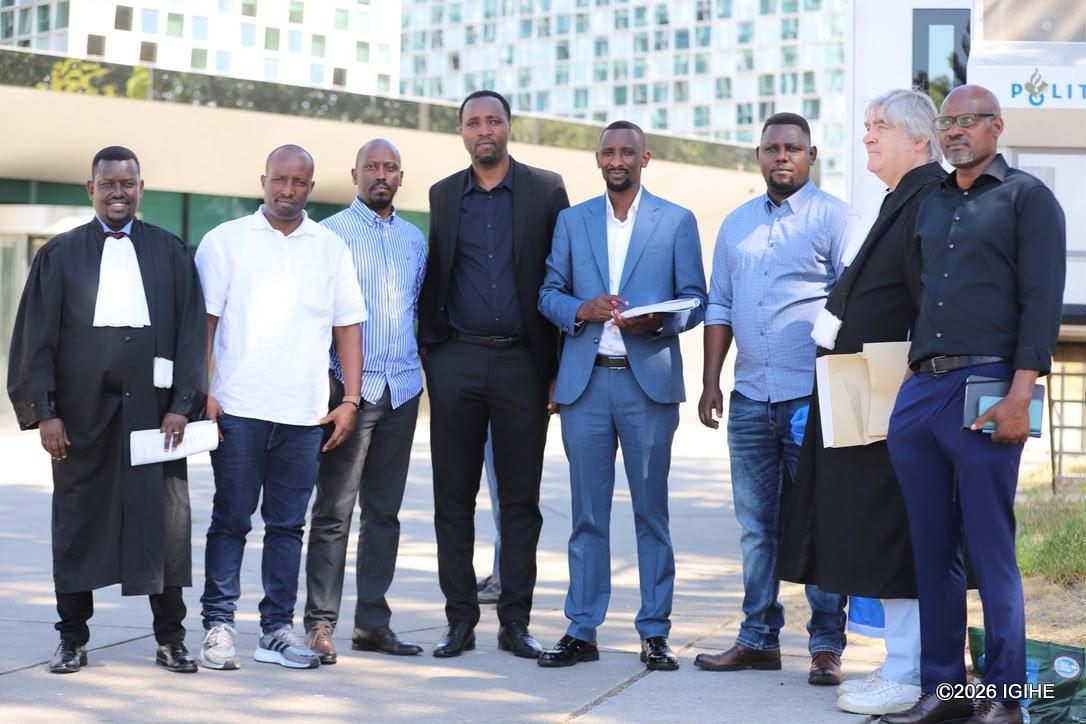
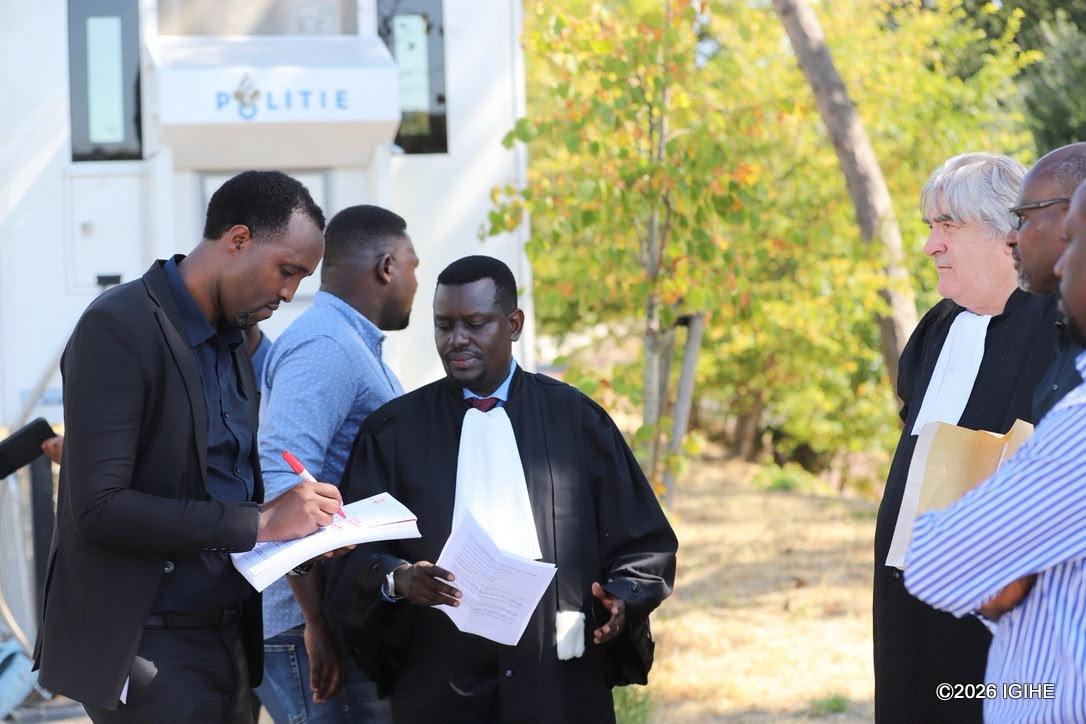
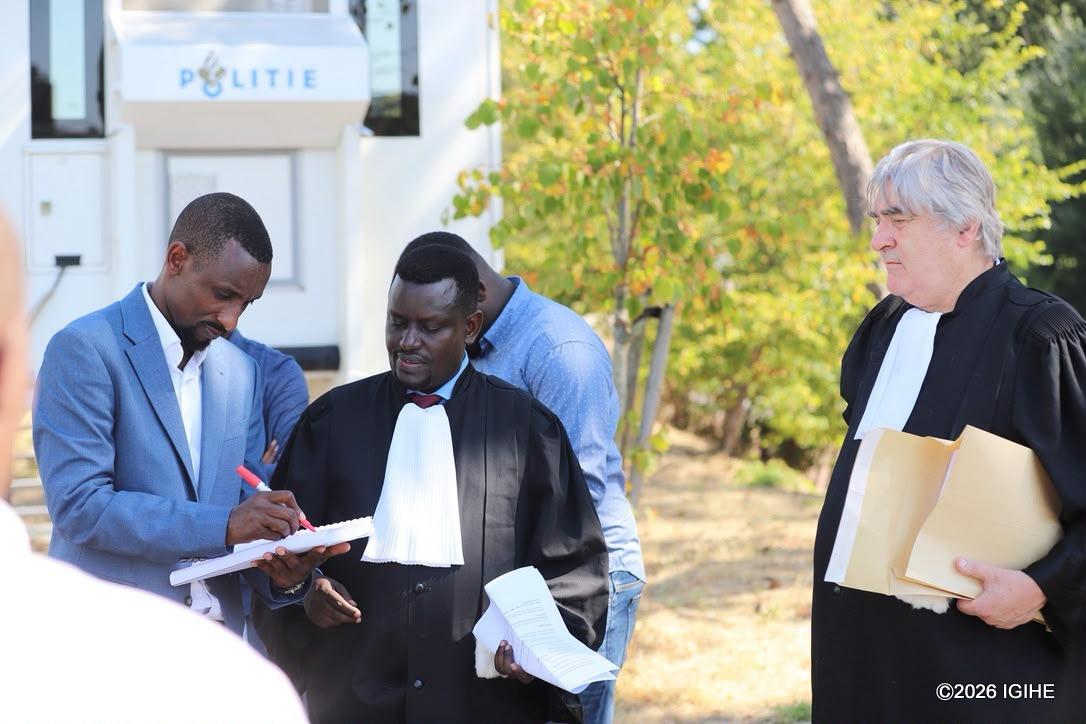
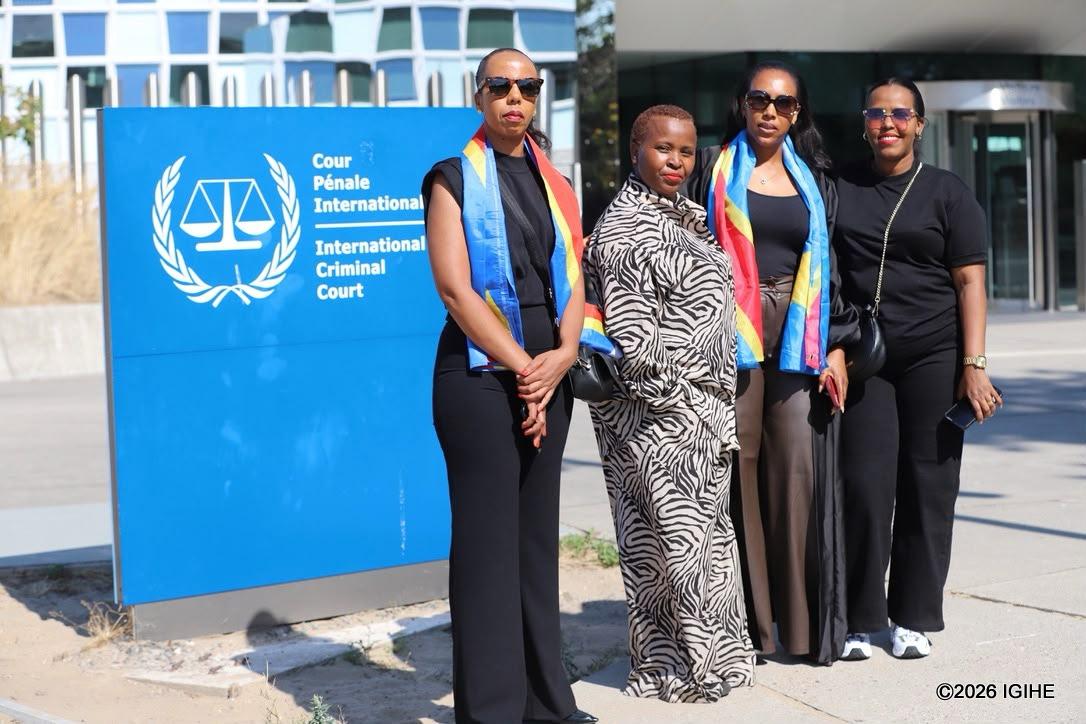
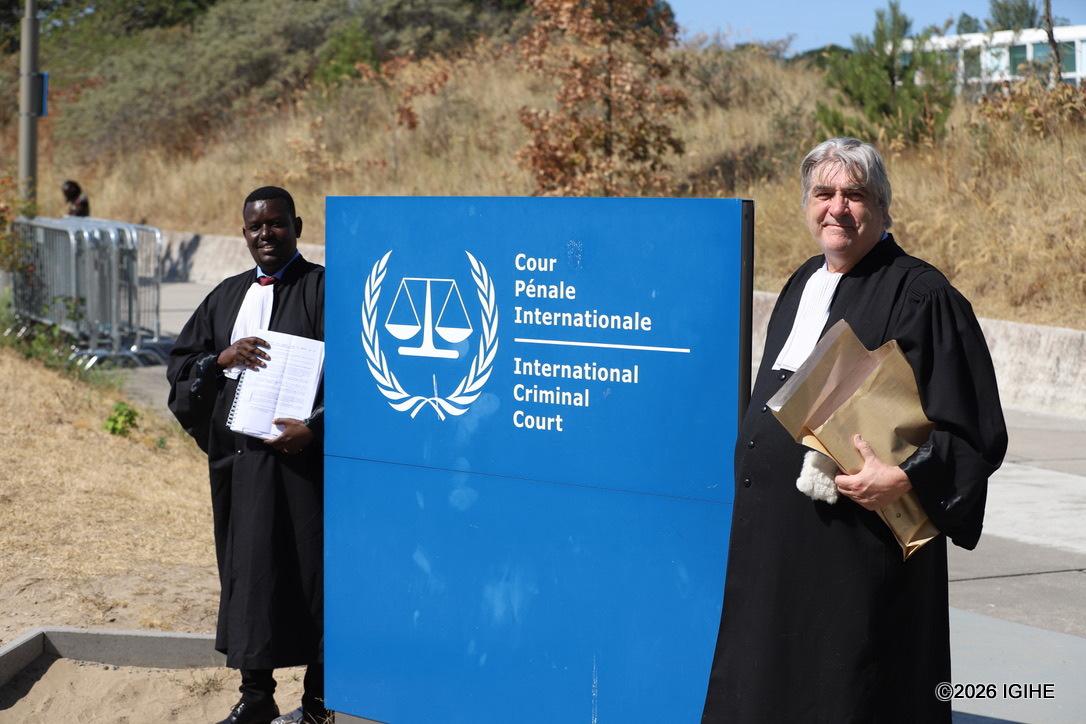
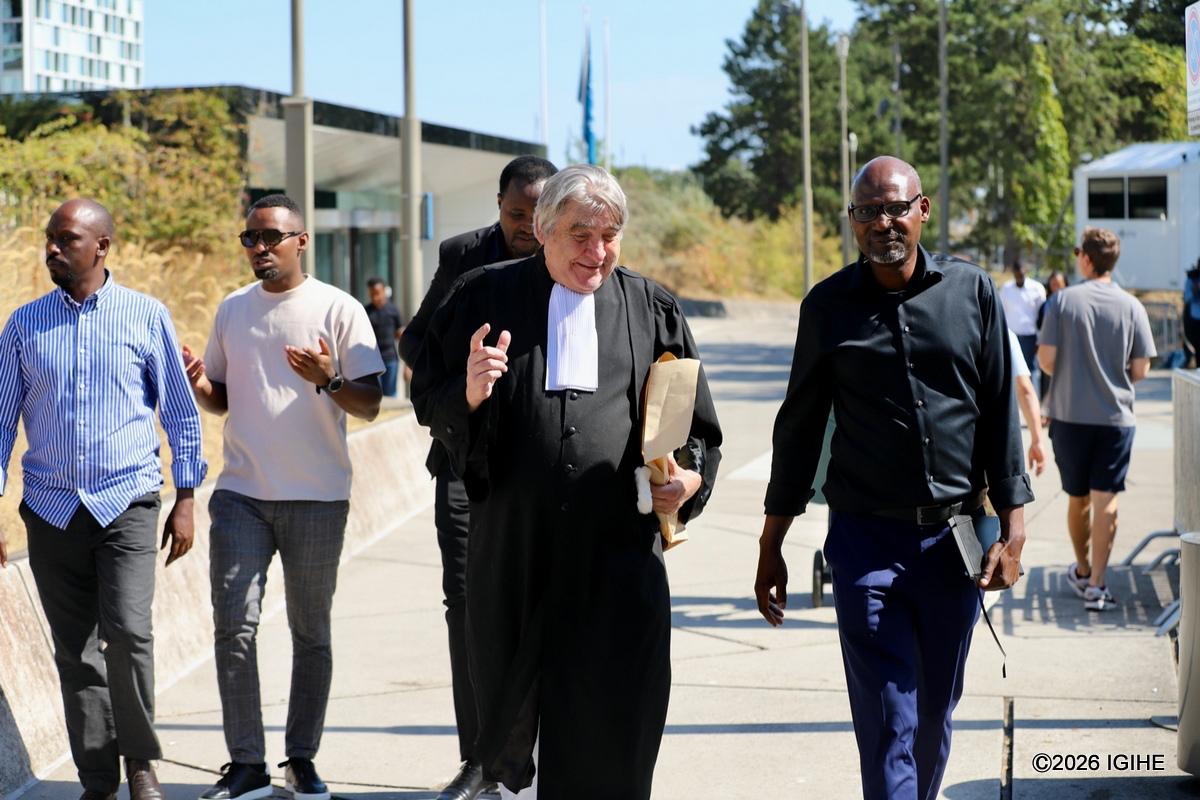
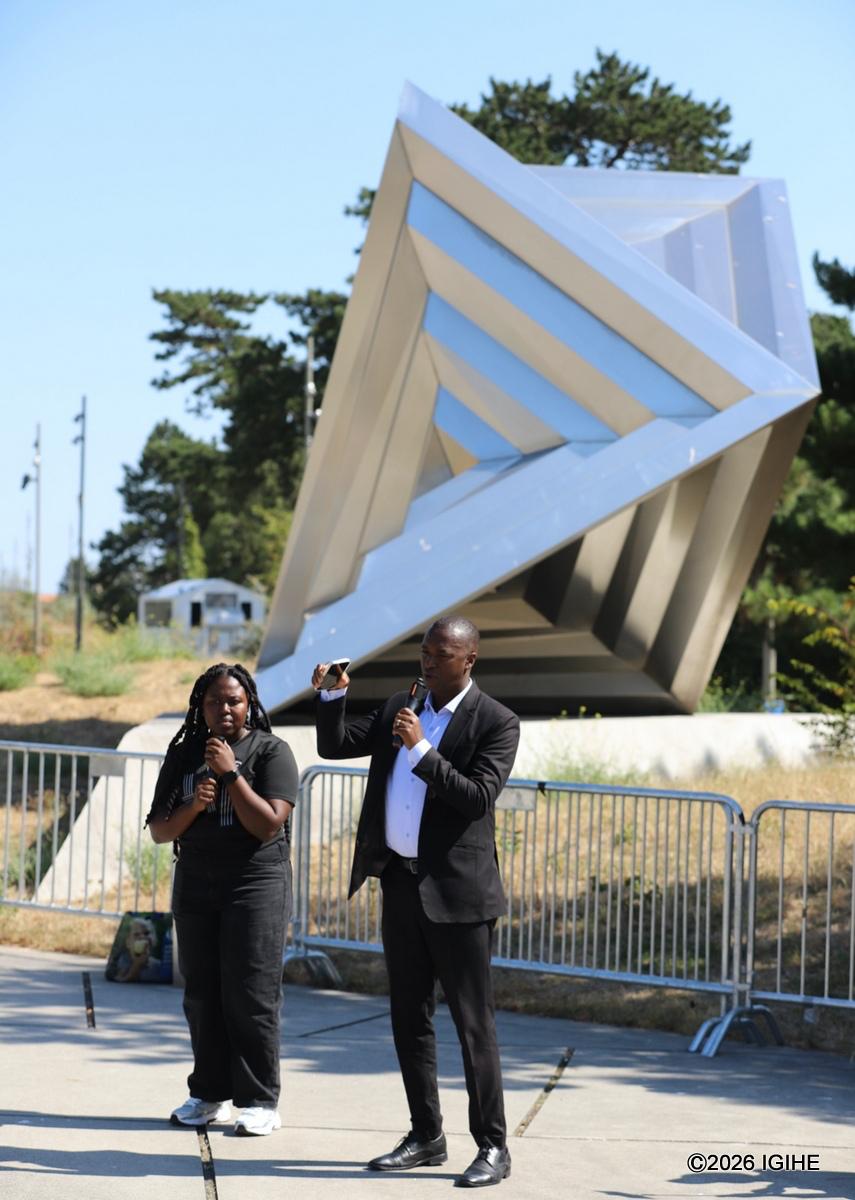
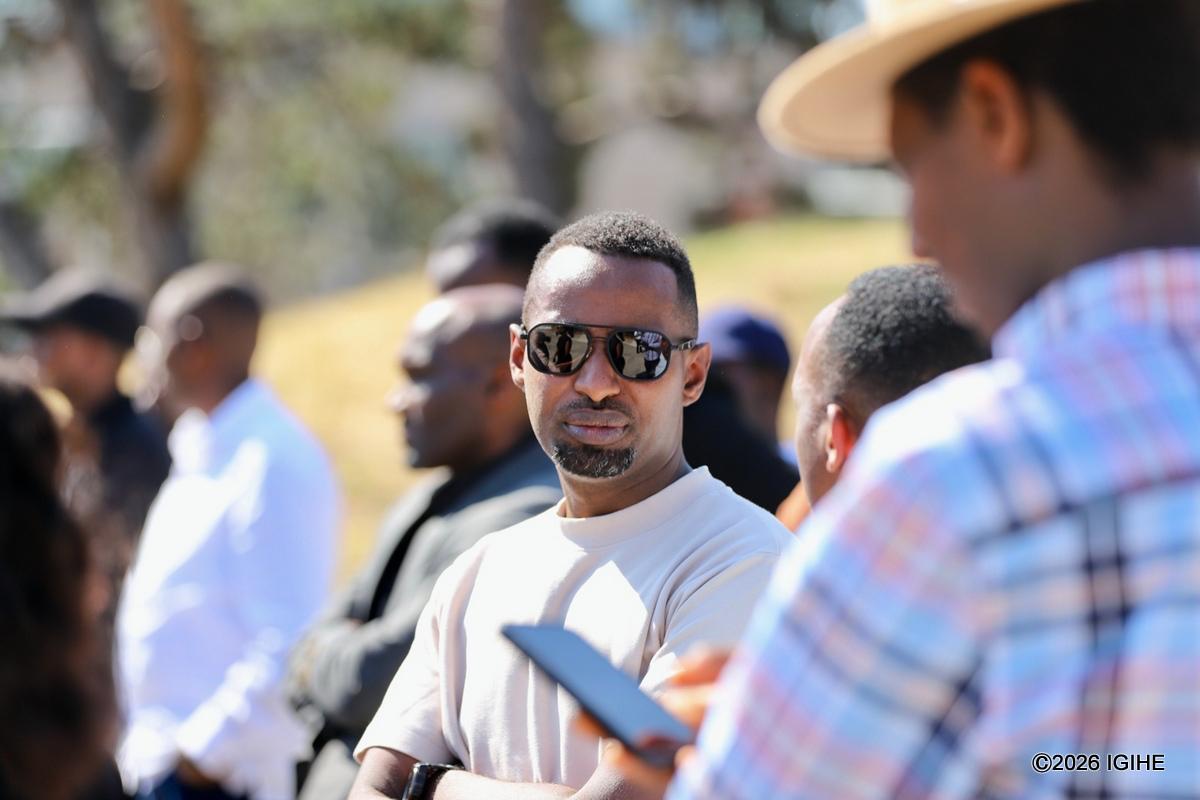
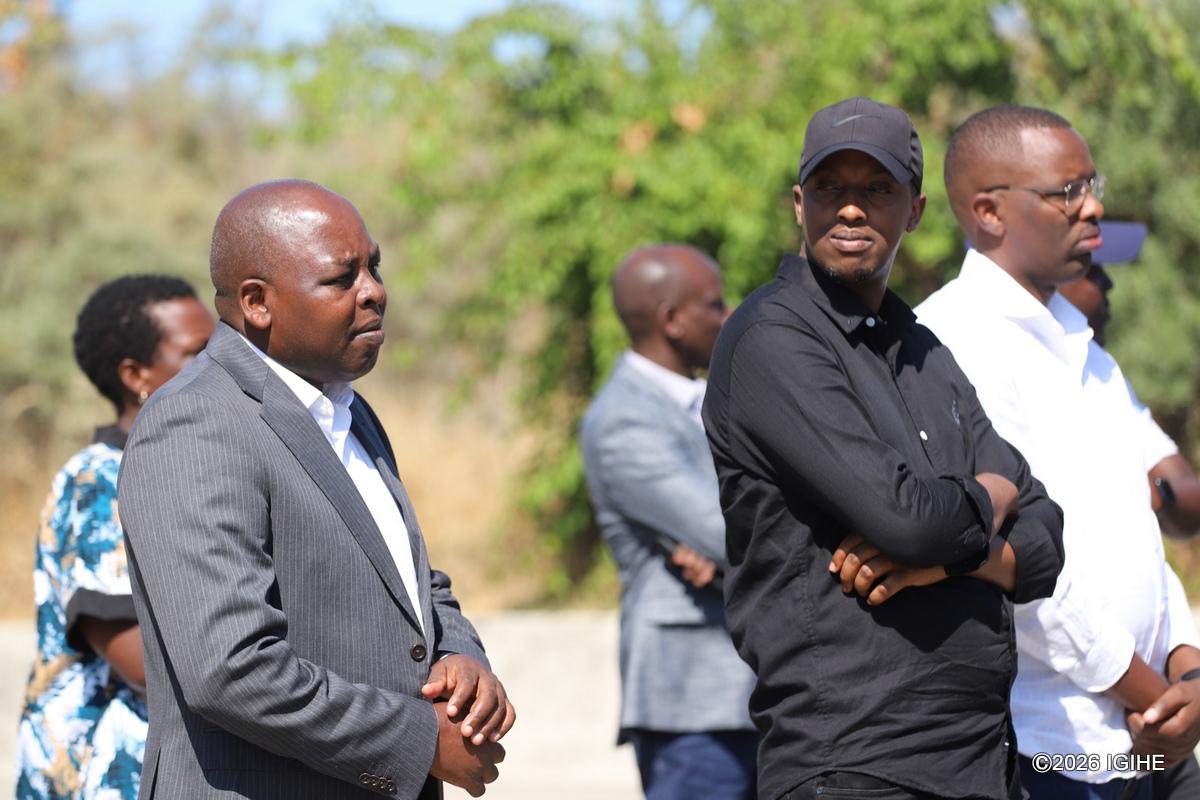
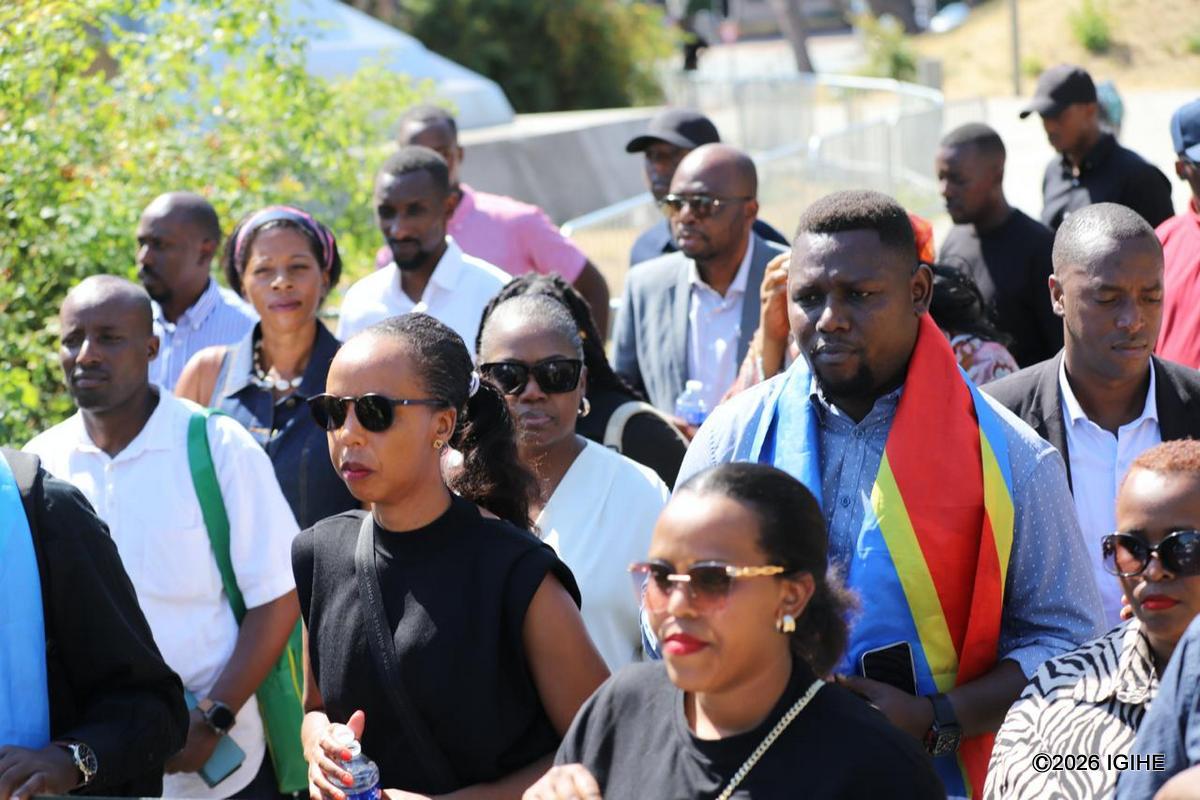
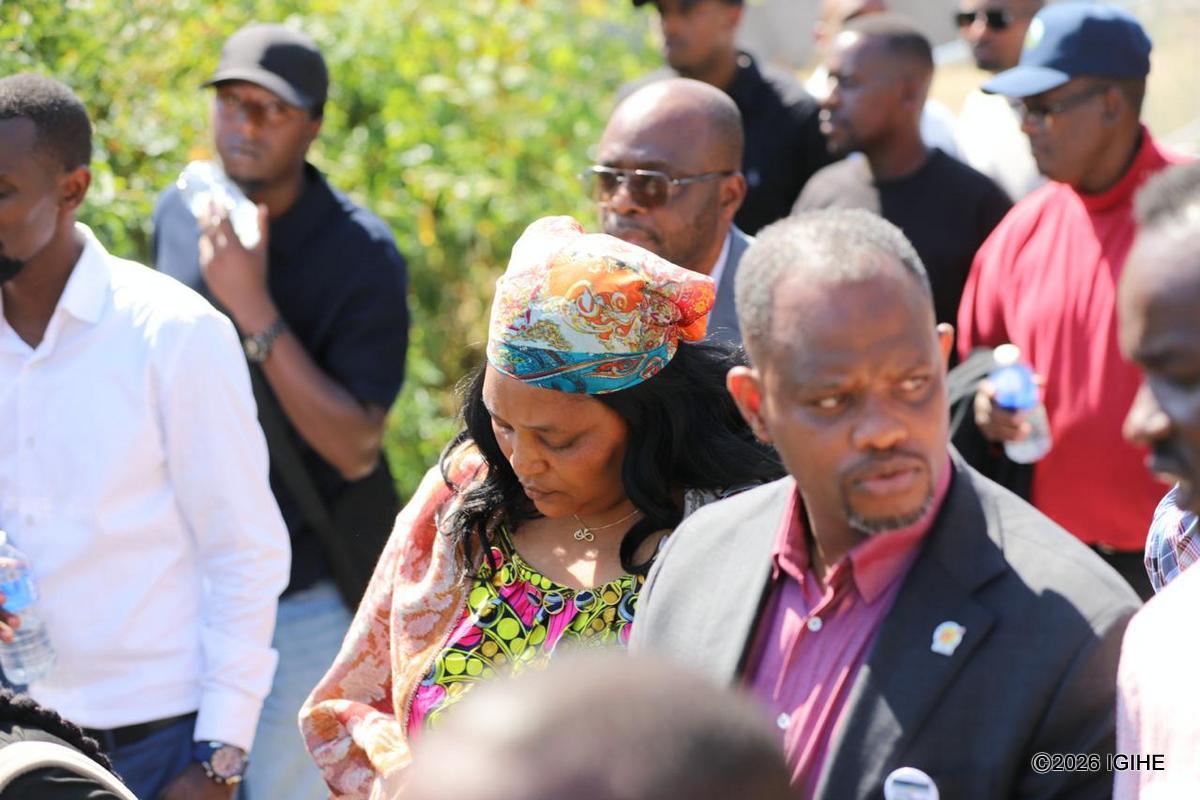
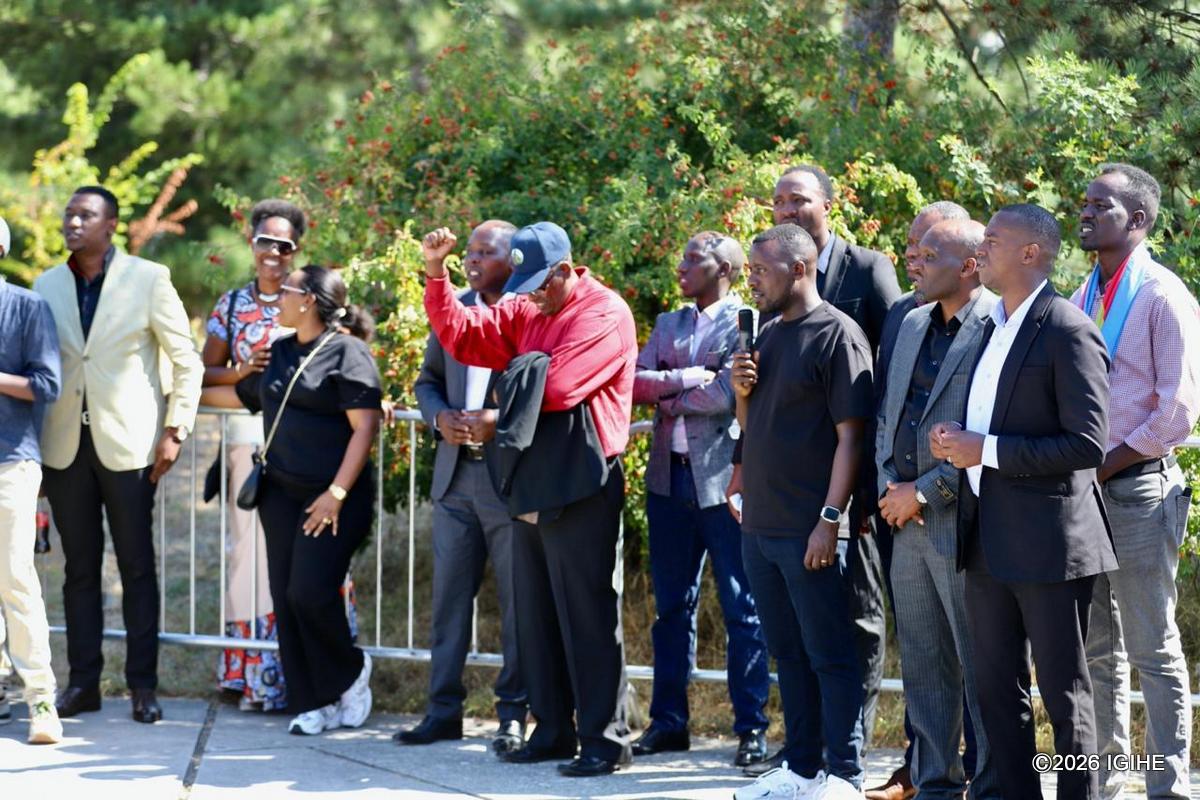
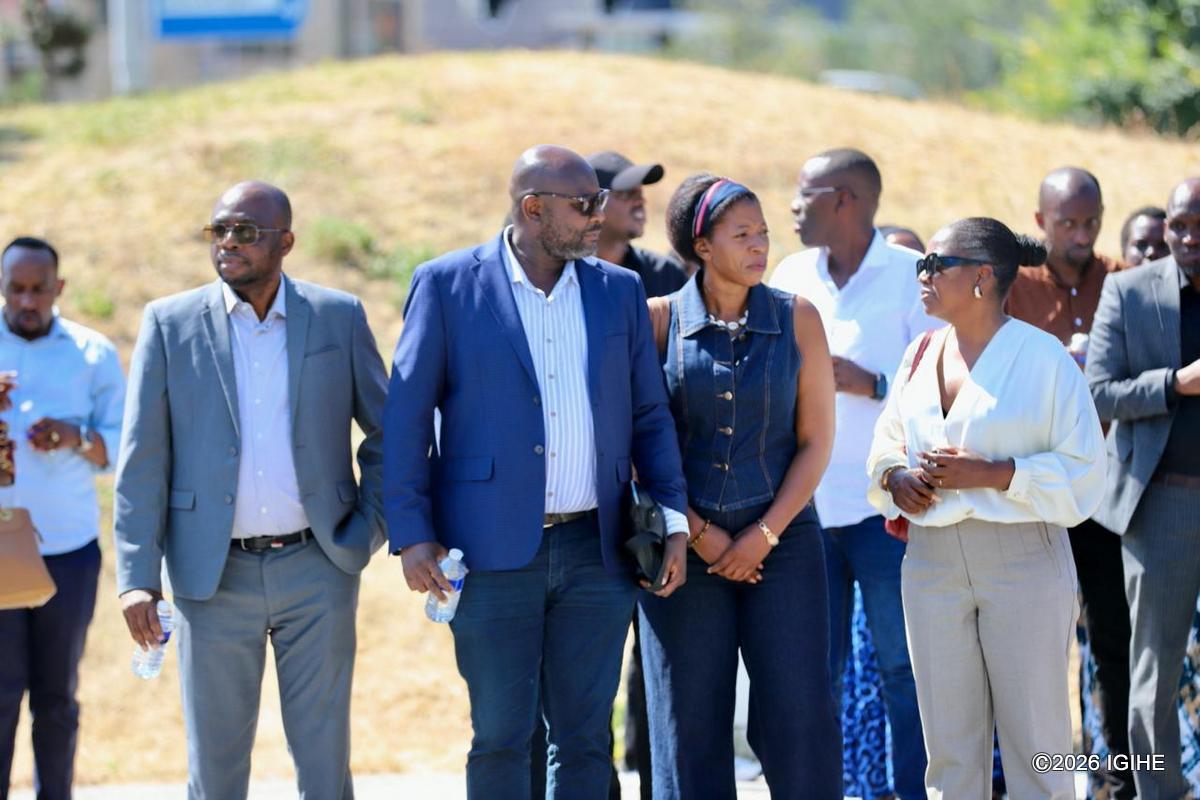
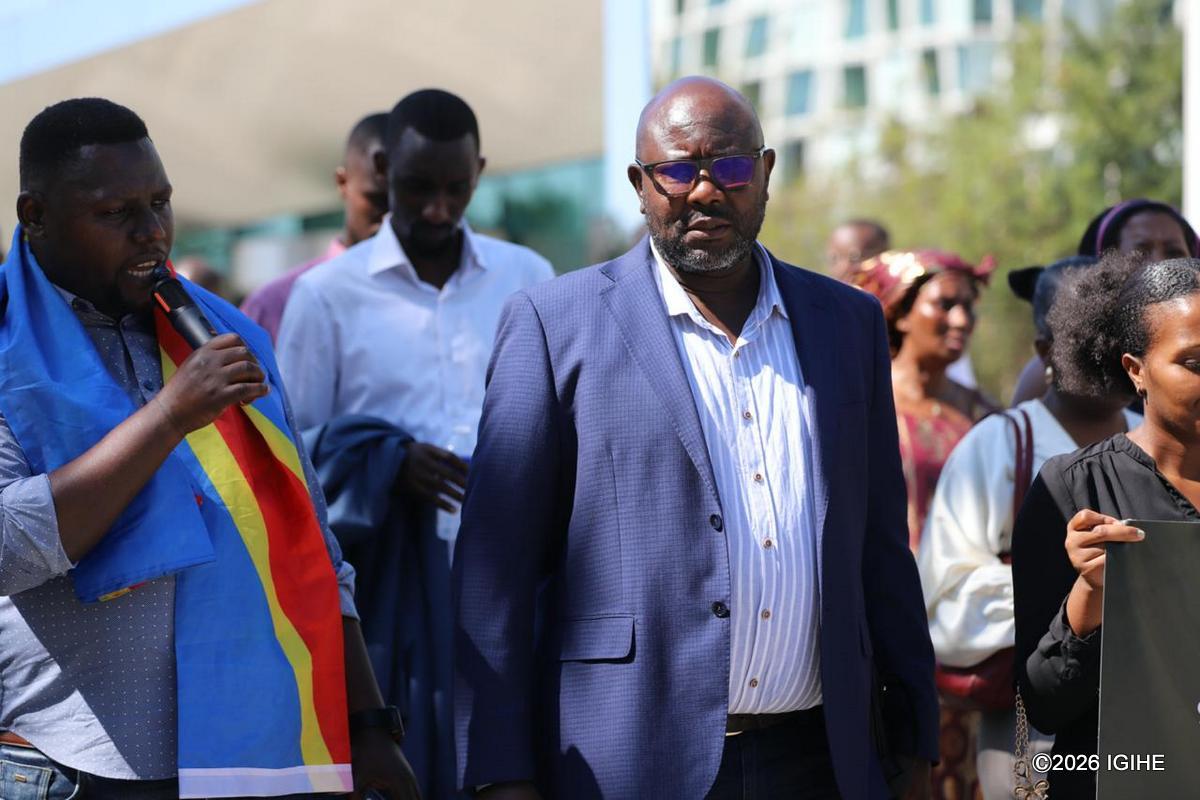
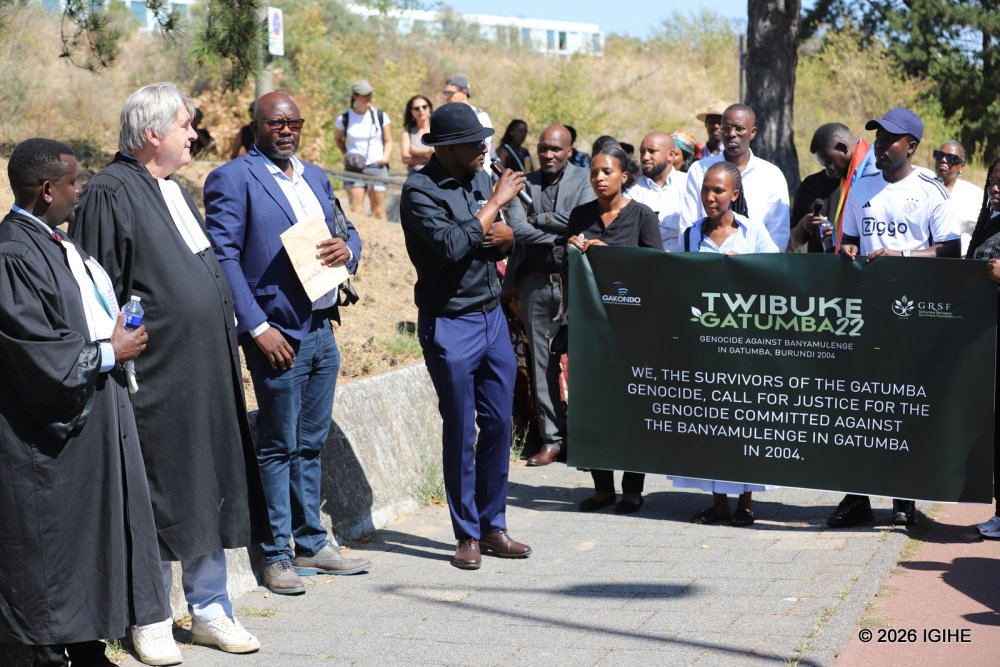
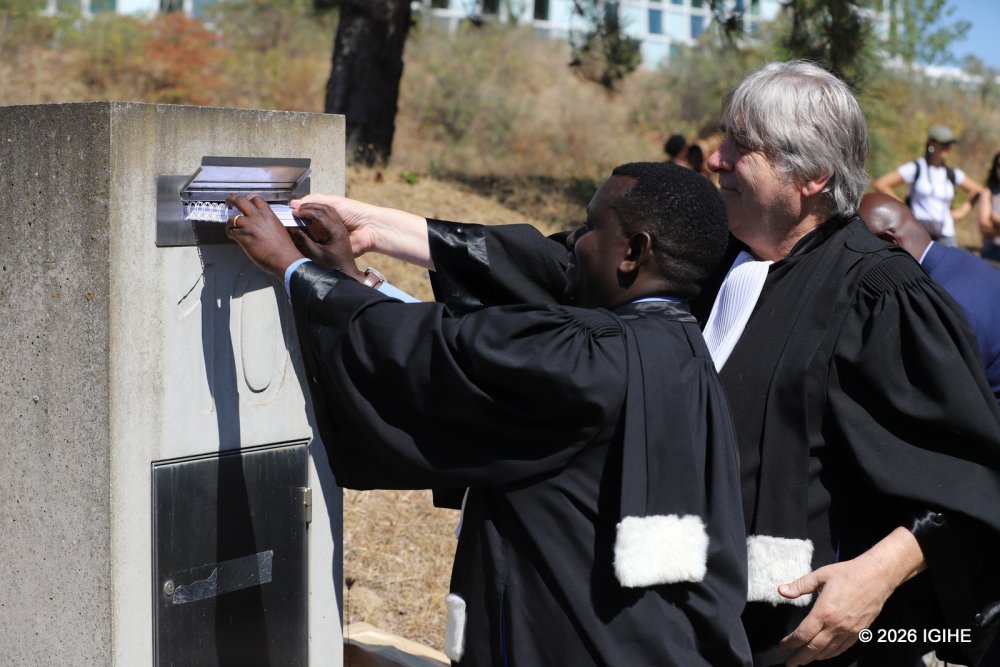
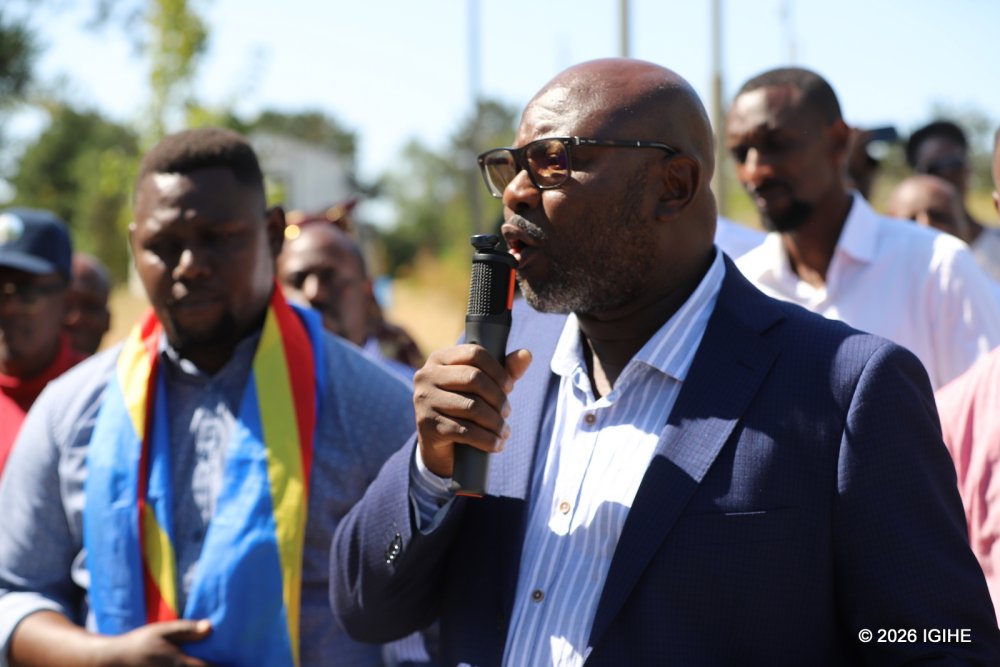
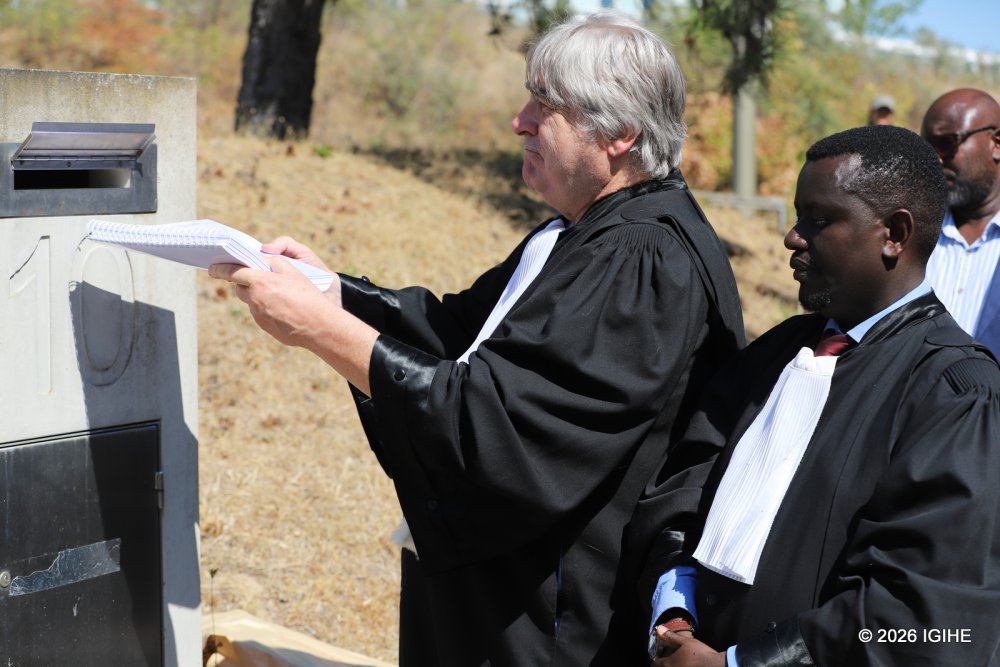
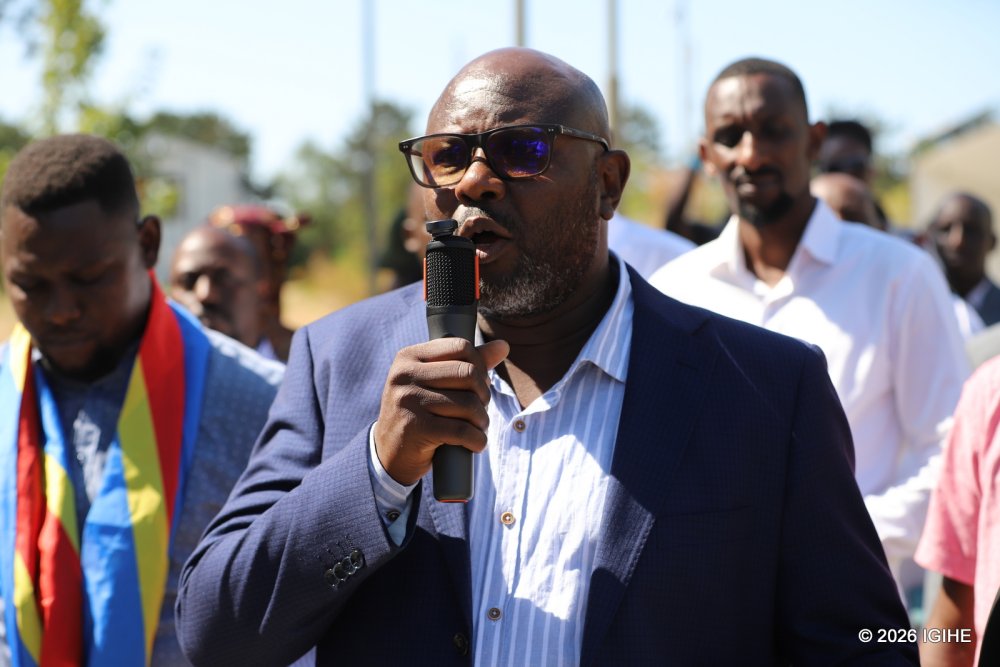
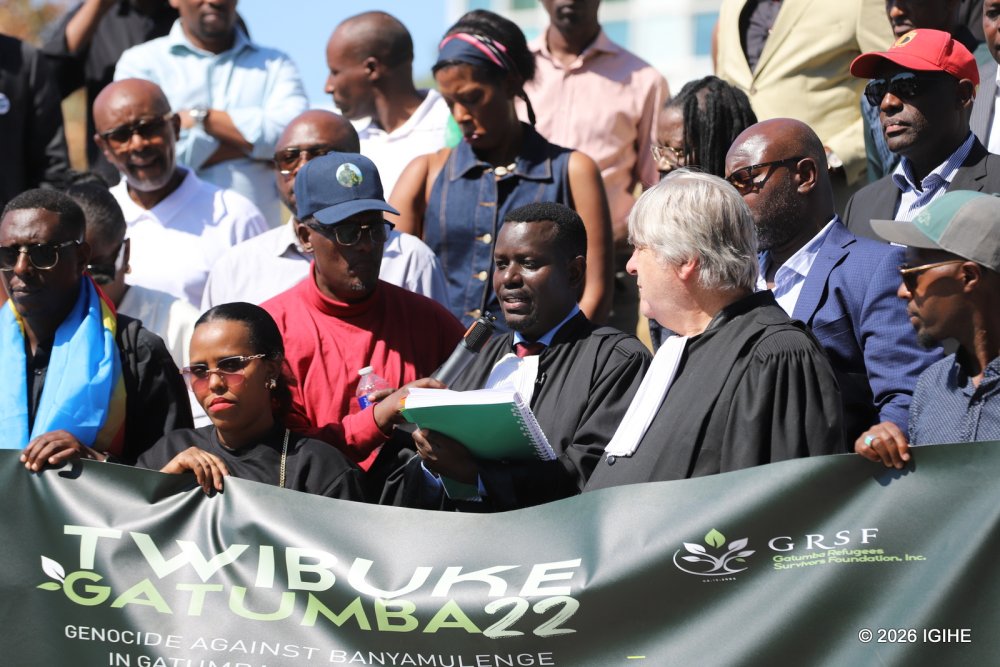
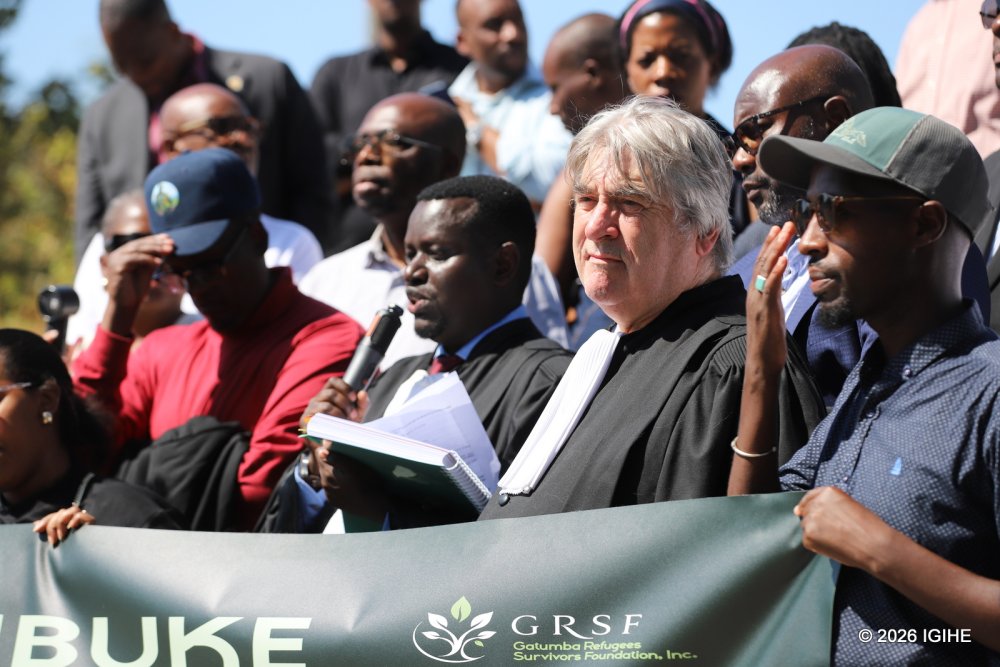
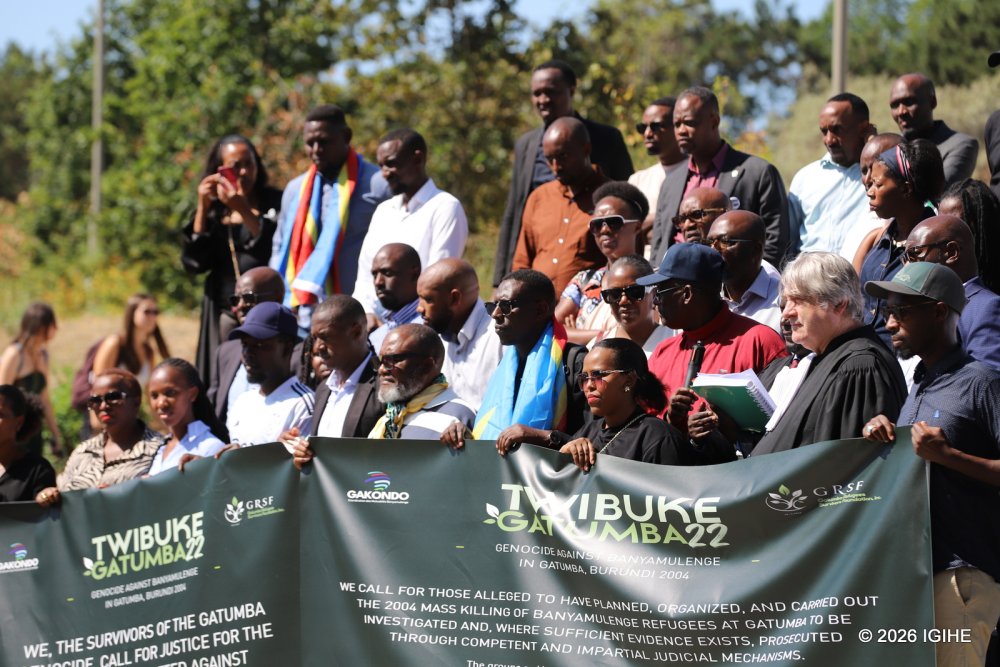
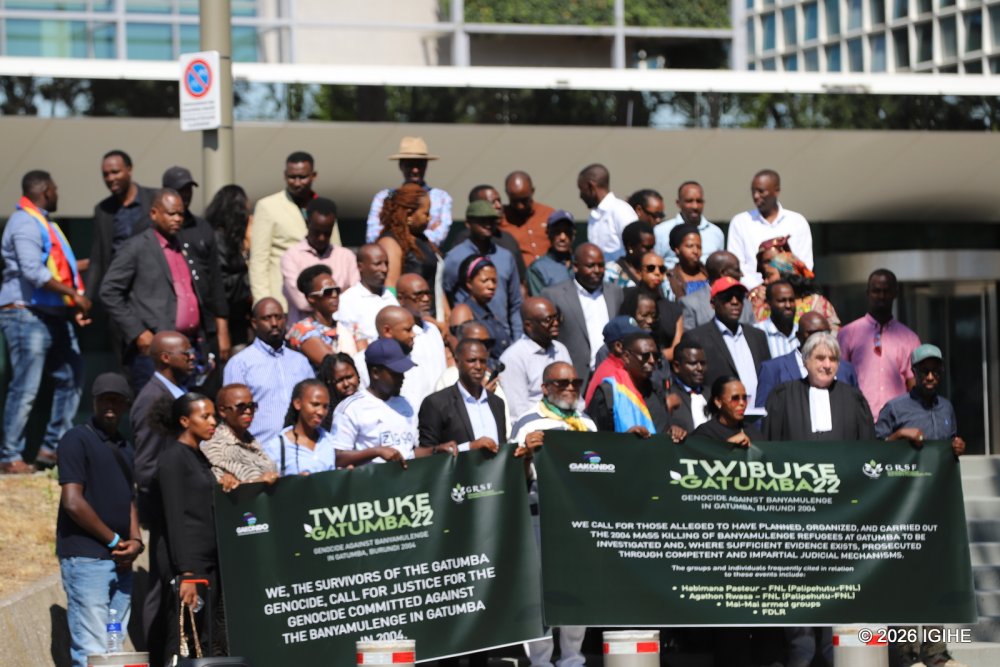
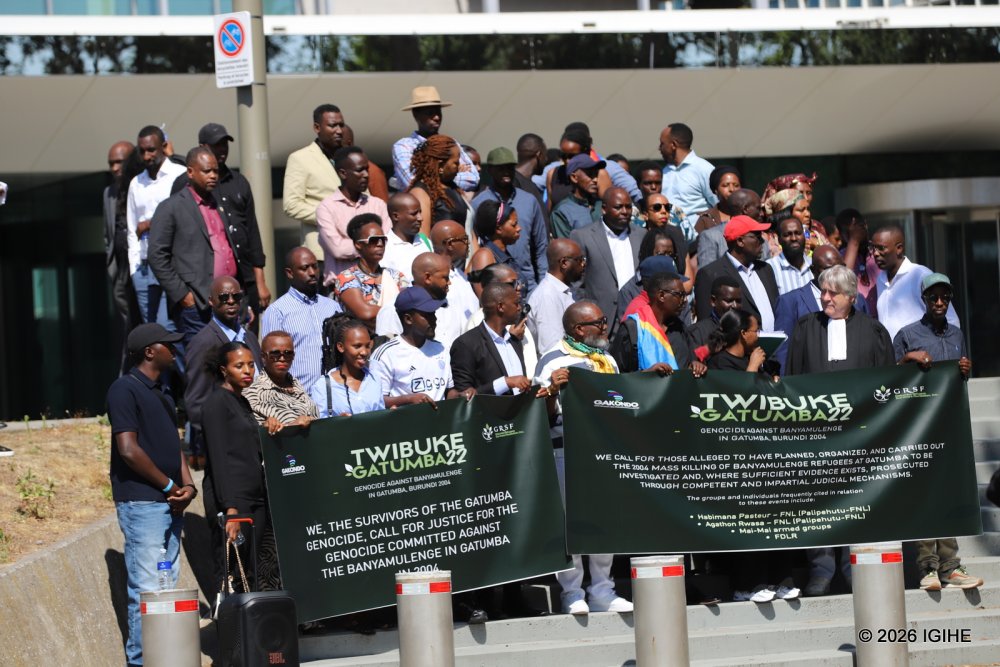
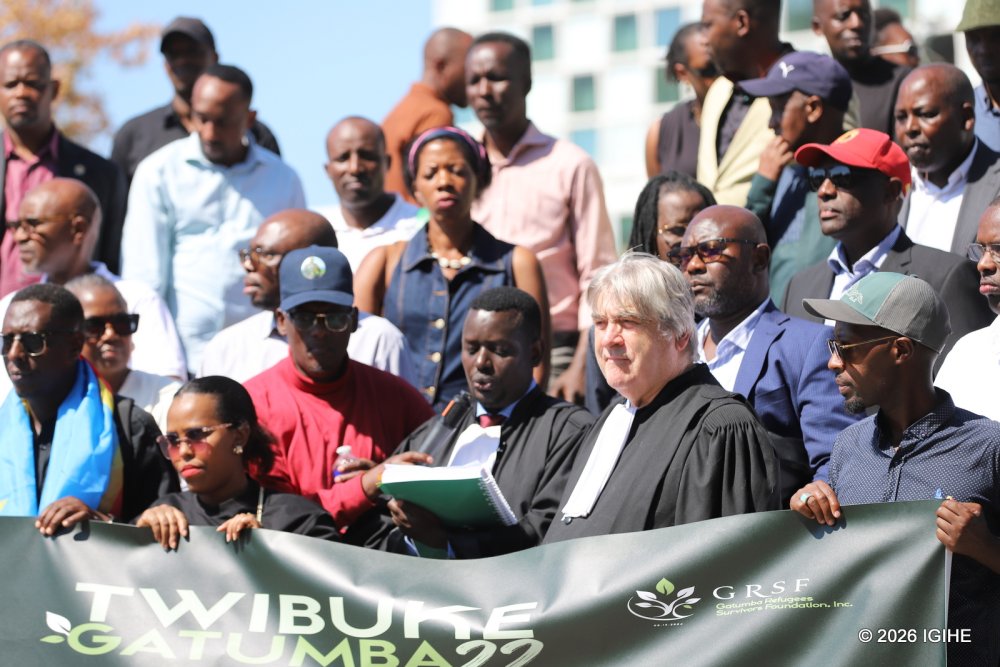
The complaint was submitted on August 14, 2026, during a ceremony attended by Banyamulenge representatives from different parts of the world and lawyers representing the complainants.
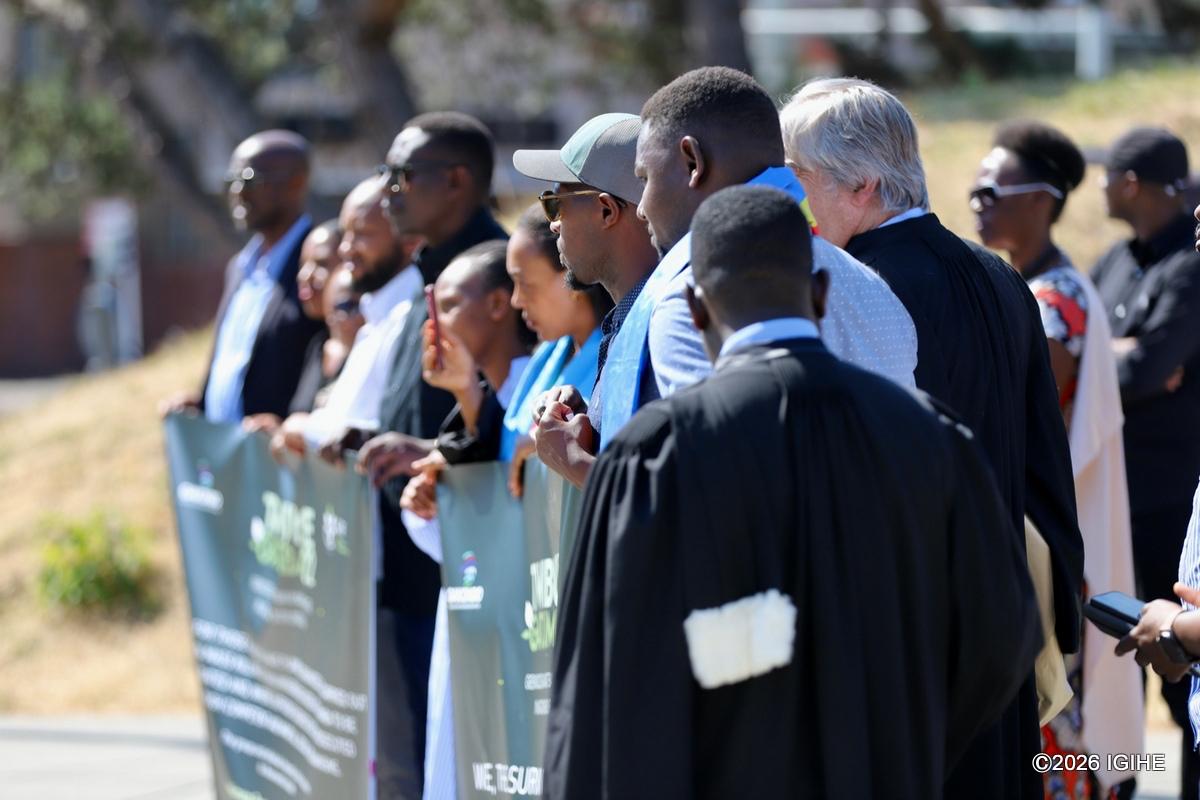
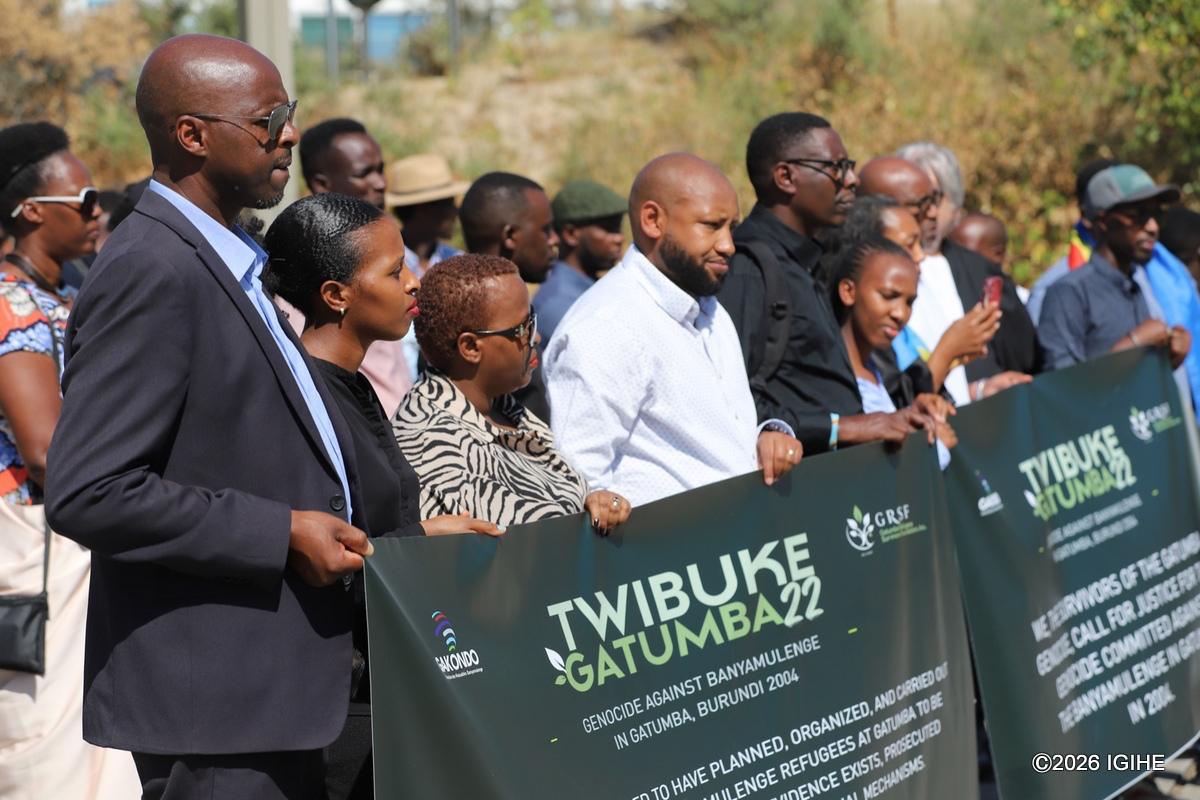
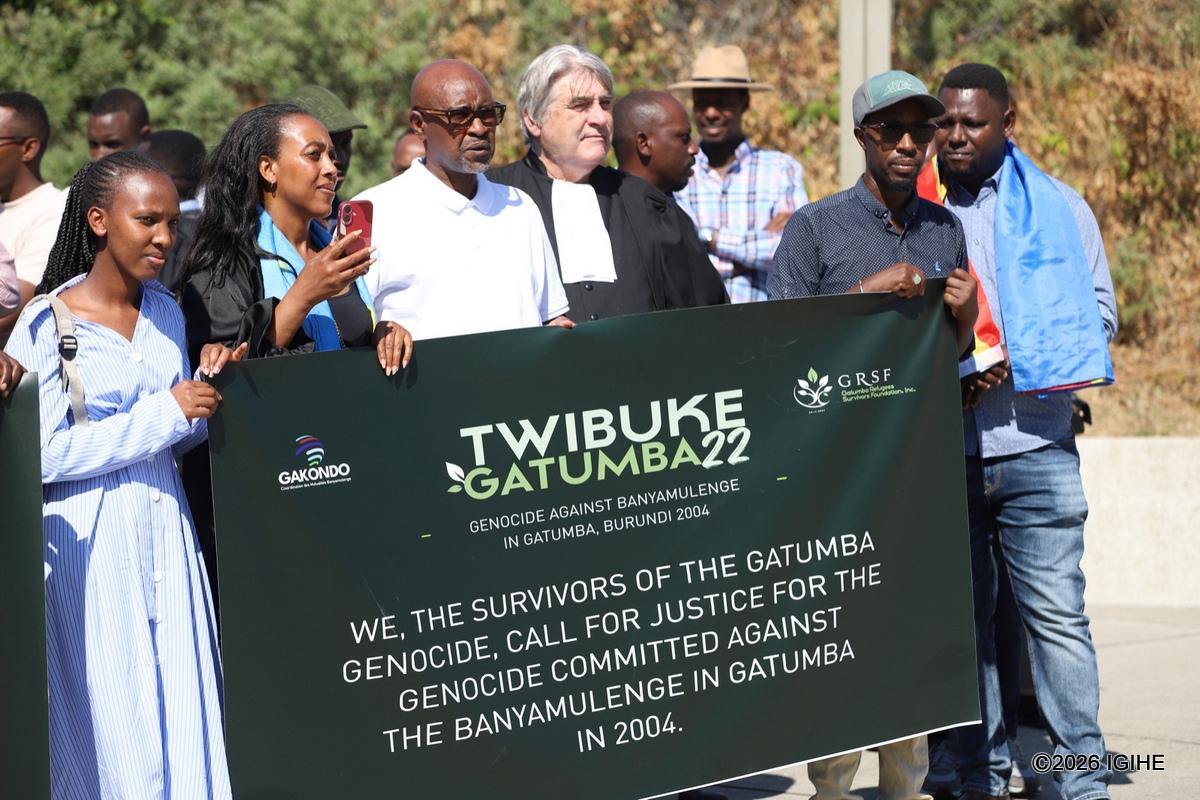
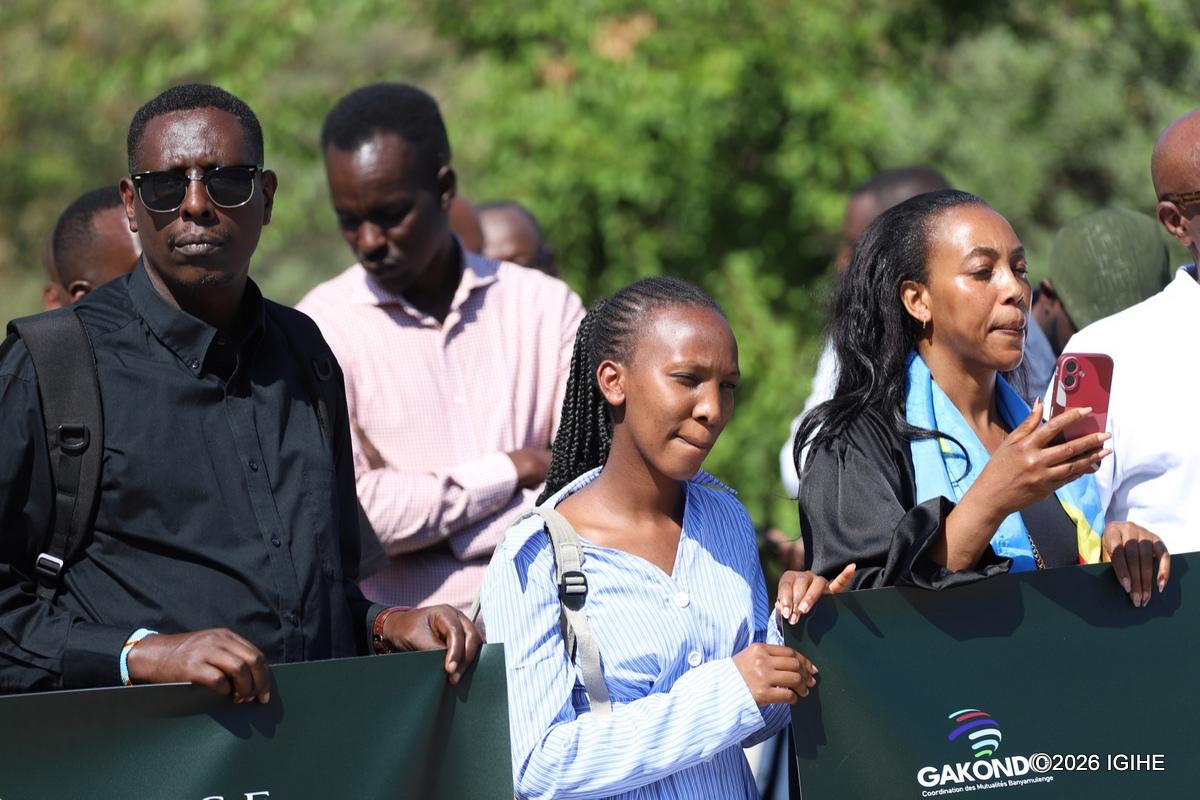
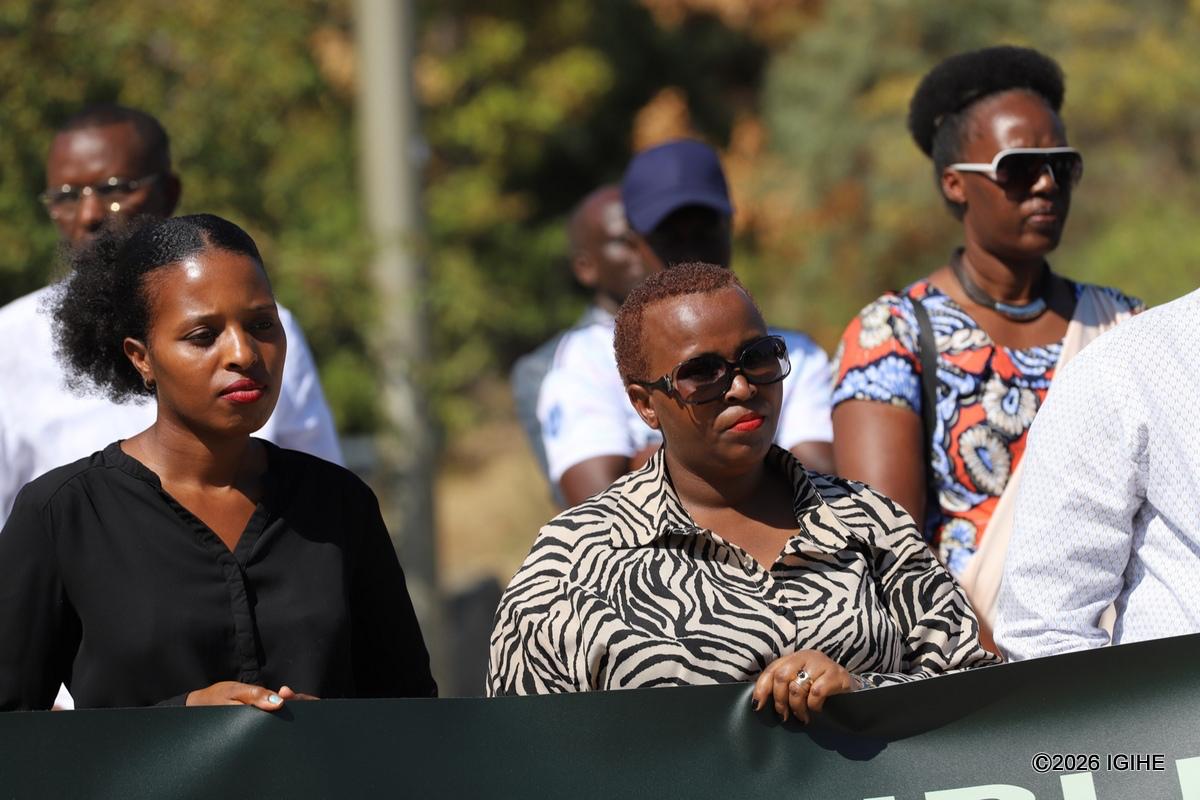
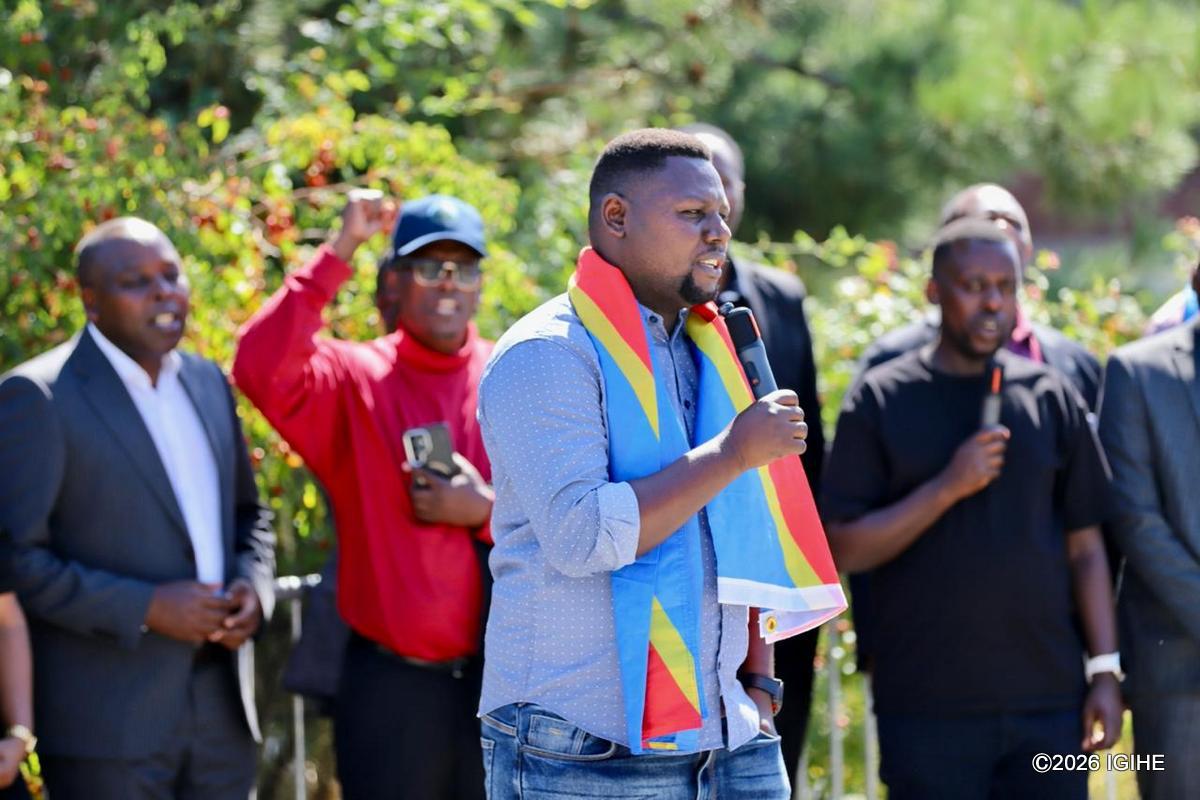
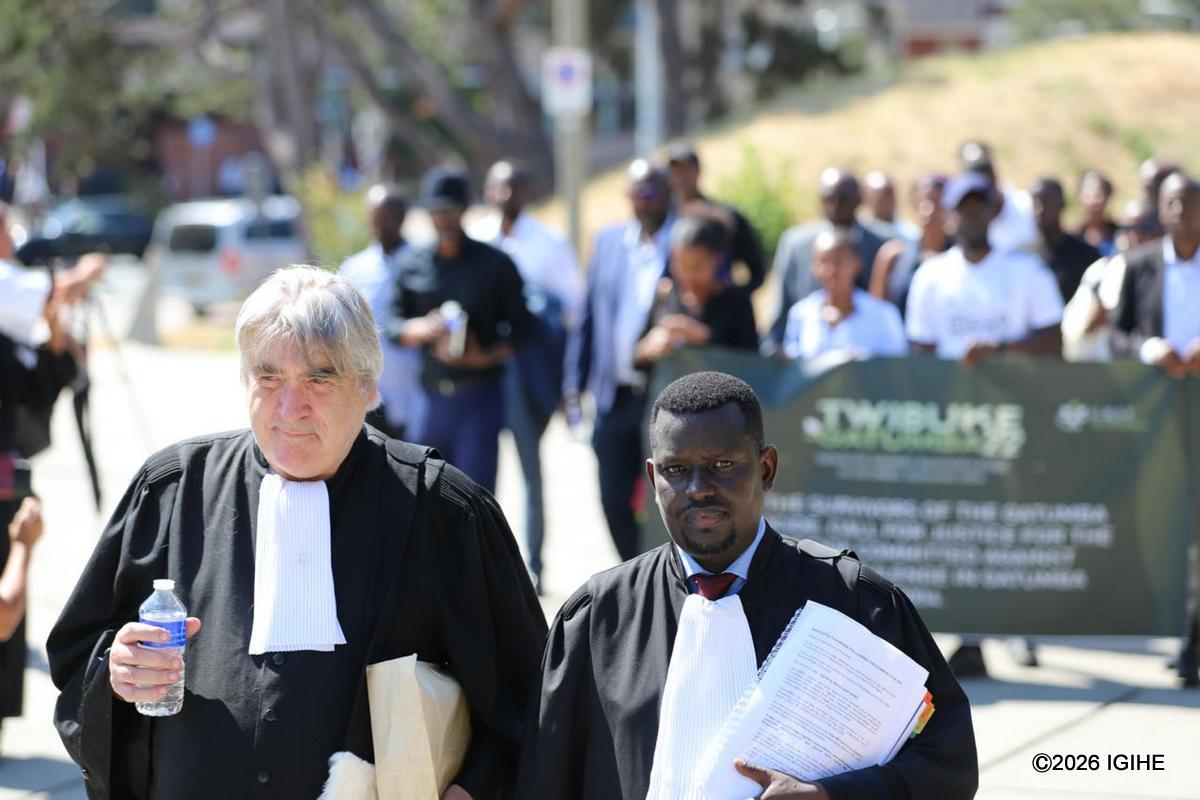
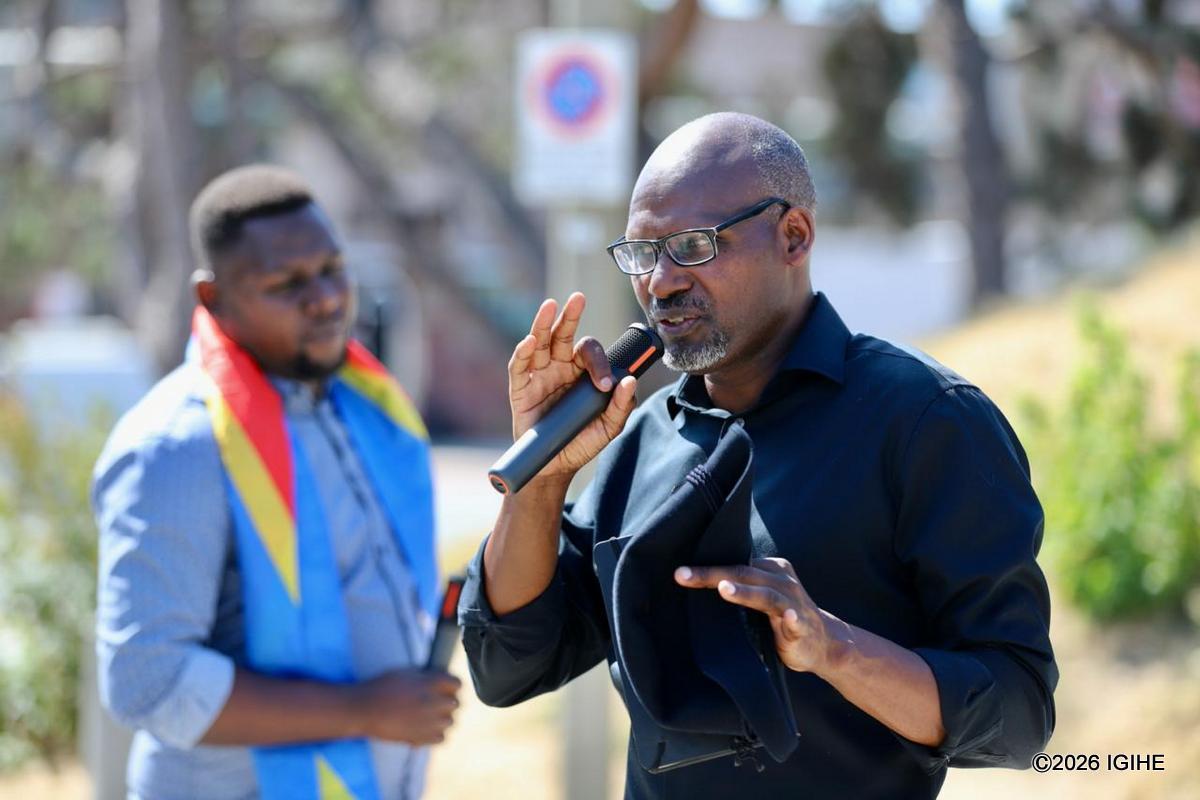
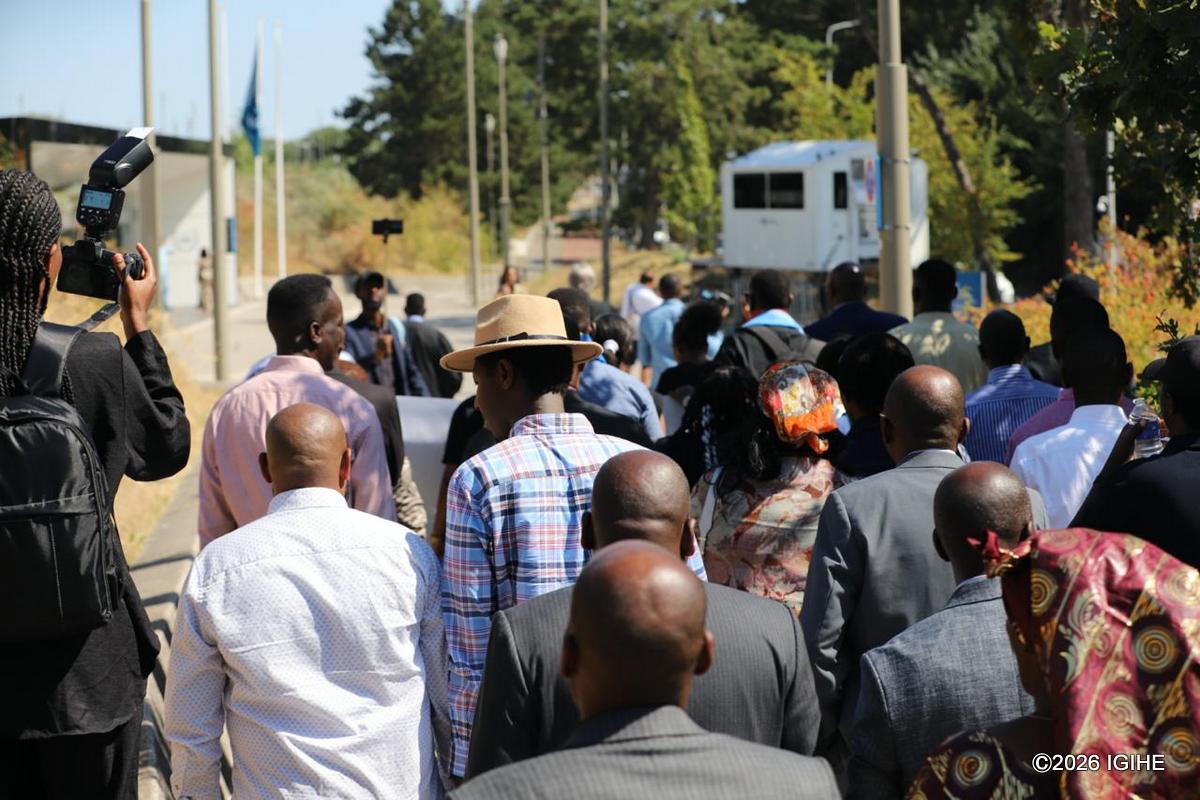
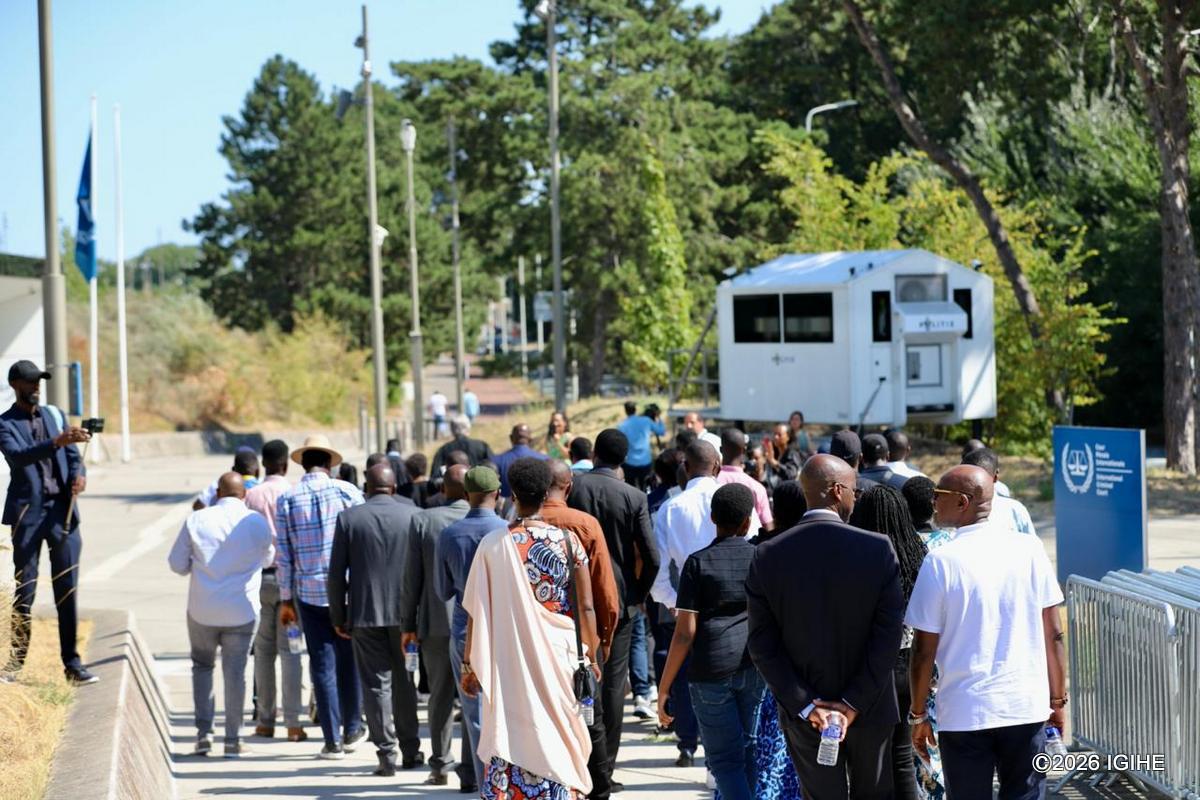
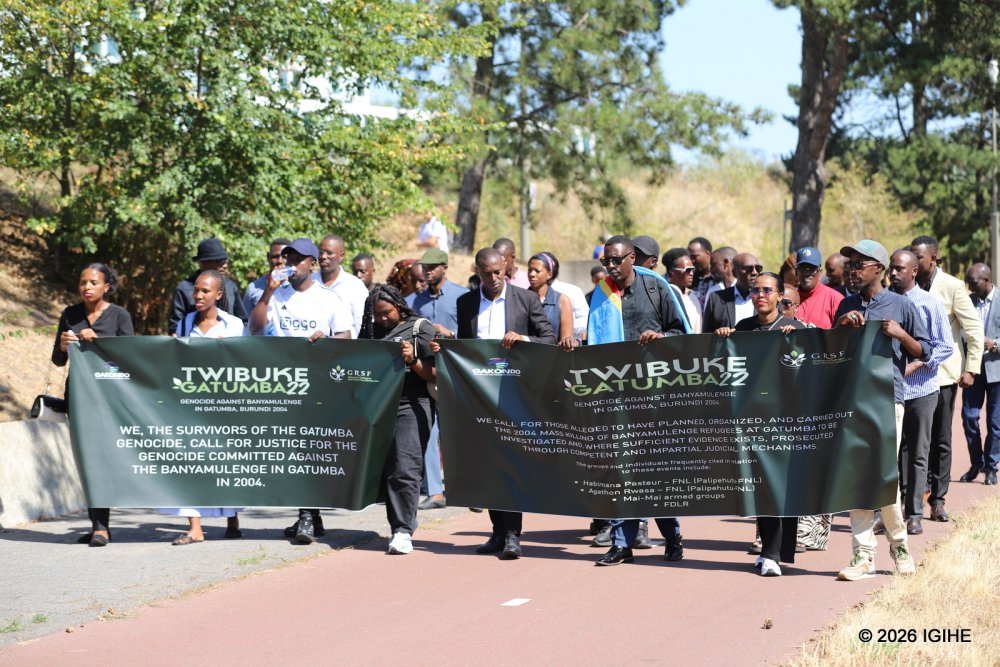
Ahead of the submission, participants held a short march to the ICC headquarters to commemorate Banyamulenge refugees killed in Gatumba, Burundi, in 2004.
The complaint focuses mainly on a series of attacks by forces aligned with the DRC government in Minembwe and surrounding areas, particularly since fighting resumed between government forces and the AFC/M23 rebels.
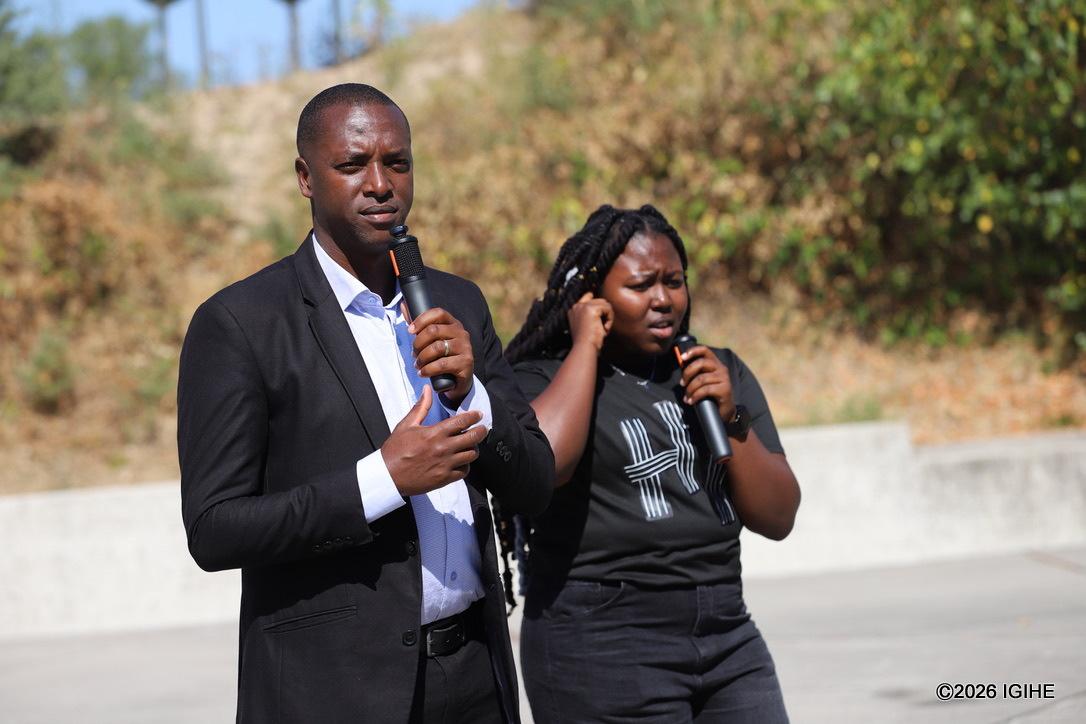
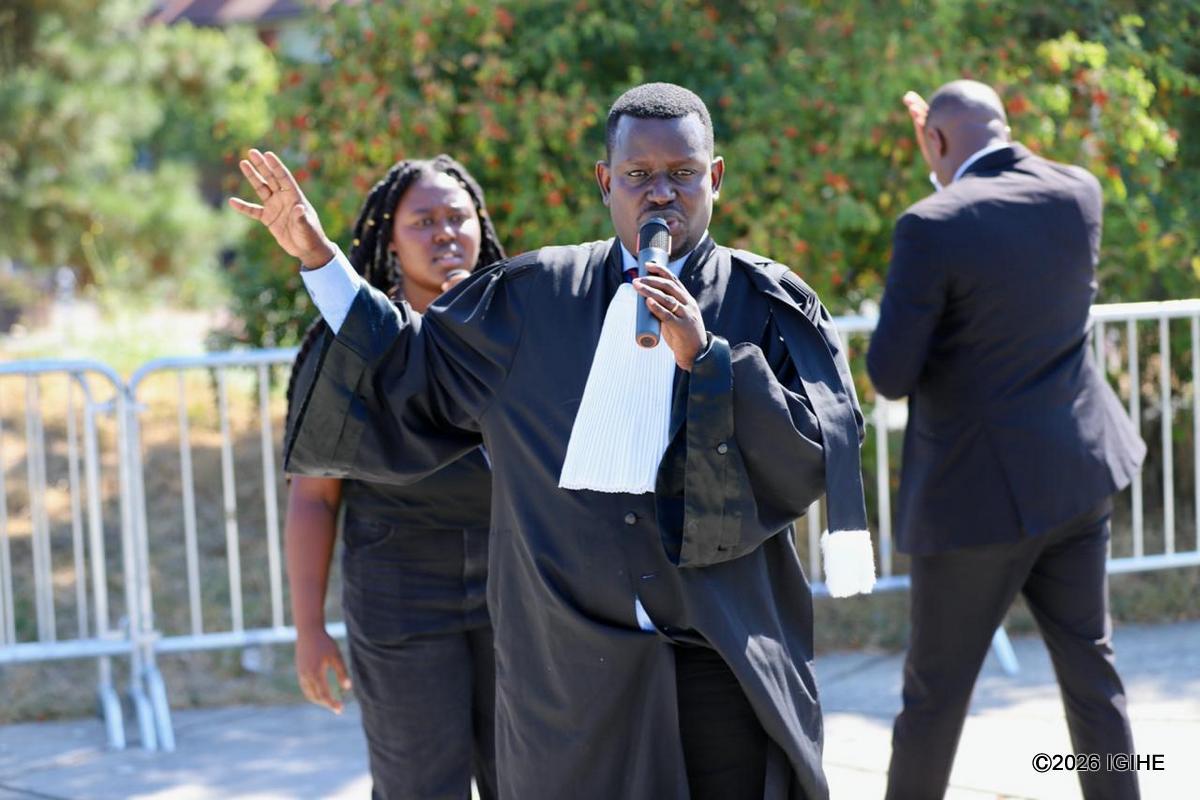
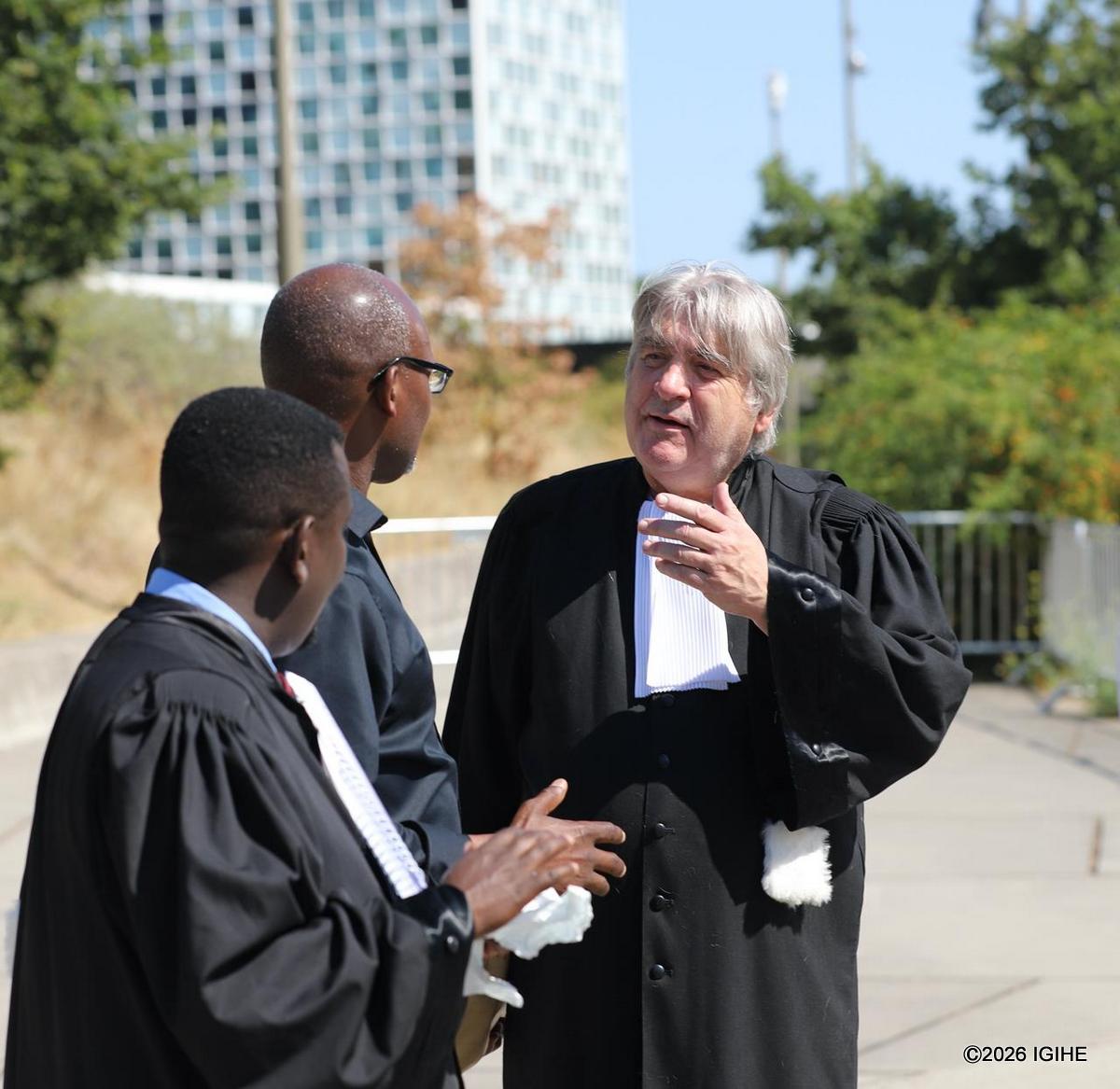
Innocent Nteziryayo, one of the lawyers representing the complainants, told IGIHE that the complaint names President Félix Tshisekedi, members of his government and officials from Burundi.
“We mainly focused on incidents that occurred in recent months, particularly the drone strikes that destroyed infrastructure in Minembwe and other areas,” he said.
Nteziryayo said the complaint also refers to statements by senior officials that the Banyamulenge representatives consider to be incitement to hatred.
“We also linked them to statements that have been made by senior officials, starting with the President, ministers and various journalists. We also filed a complaint against the Burundian army and its leaders because they allegedly played a role in operations targeting the Banyamulenge and destroying their infrastructure, and there is substantial evidence,” he said.
Another lawyer representing the complainants, Bernard Maingain, said the delegation had come to The Hague to take what he described as a significant step by bringing the case before the ICC Prosecutor’s Office under Article 15 of the Rome Statute.
“We have come to The Hague to take a particularly significant step: to bring before the Office of the Prosecutor of the International Criminal Court, under Article 15 of the Rome Statute, a comprehensive dossier concerning crimes that we believe were committed against the Banyamulenge and fall within the jurisdiction of the ICC,” Me Maingain said.
According to Me Maingain, the move comes after attempts to seek justice through the Congolese judicial system failed to produce results.
He said that despite efforts made over several years, the authorities did not provide an effective response.
“We had no other option but to come before the International Criminal Court,” he said, explaining that the dossier submitted to the Prosecutor includes testimonies, evidence, hate speech and historical analyses.
The lawyer called on the Office of the Prosecutor to examine the material submitted and open investigations into the crimes.
“We will never give up seeking justice for the Banyamulenge population,” Maingain said, stressing the importance of the recent events in Minembwe.
In documents submitted to the ICC Prosecutor’s Office, the complainants contend that residents of Minembwe have been subjected to acts that constitute crimes against humanity and war crimes. They also cite forced displacement on ethnic grounds and acts that they say may amount to genocide.
The dossier includes testimonies from people affected by the bombardments in Minembwe, along with photographs, videos and other analyses intended to document the abuses.
The complainants further testify that some residents were forcibly removed from their homes, while others were displaced, unlawfully detained, tortured or subjected to other forms of cruel or degrading treatment.
The Banyamulenge have named several political, military and administrative officials in the DRC and called for an assessment of their role in the abuses documented in the complaint.
The dossier also mentions armed groups including Wazalendo, Nyatura and the FDLR. The complainants are calling for investigations into the possible role of these groups in attacks against civilians in Minembwe.
They have also asked the ICC Prosecutor’s Office to examine the involvement of Burundian officials whom they accuse of cooperating with DRC authorities in operations carried out in Minembwe.
To support the complaint, the Banyamulenge submitted documents signed by residents, associations and institutions in Minembwe authorising their representatives to act on their behalf in seeking justice.
The institutions cited in the dossier include health centres in the Minembwe highlands, churches, Minembwe General Hospital, universities, primary and secondary schools, and Radio Tuungane de Minembwe.
Their lawyers said they also submitted a list of people who were forcibly displaced, unlawfully detained, tortured or subjected to other forms of mistreatment or degrading treatment.
The Banyamulenge say the 2004 Gatumba massacre, in which many Banyamulenge refugees from the DRC were killed, remains one of the most painful events in the community’s recent history.
Those gathered in The Hague said their decision to approach the ICC was intended to give a voice to people who have suffered abuses and to ensure that the violations in Minembwe receive international attention.
They called on the ICC Prosecutor’s Office to review the documents, testimonies and other evidence submitted and determine whether there are sufficient grounds to open an investigation into the crimes.
The filing in The Hague marks another step by Banyamulenge representatives in what they describe as a broader effort to seek justice for people who have suffered abuses in Minembwe and other conflict-affected areas of eastern DRC.
Loading comments...
Leave a comment