



Mukantaganzwa said the decline was partly attributed to the use of restorative justice, which focuses on resolving disputes through mutual agreement between the parties.
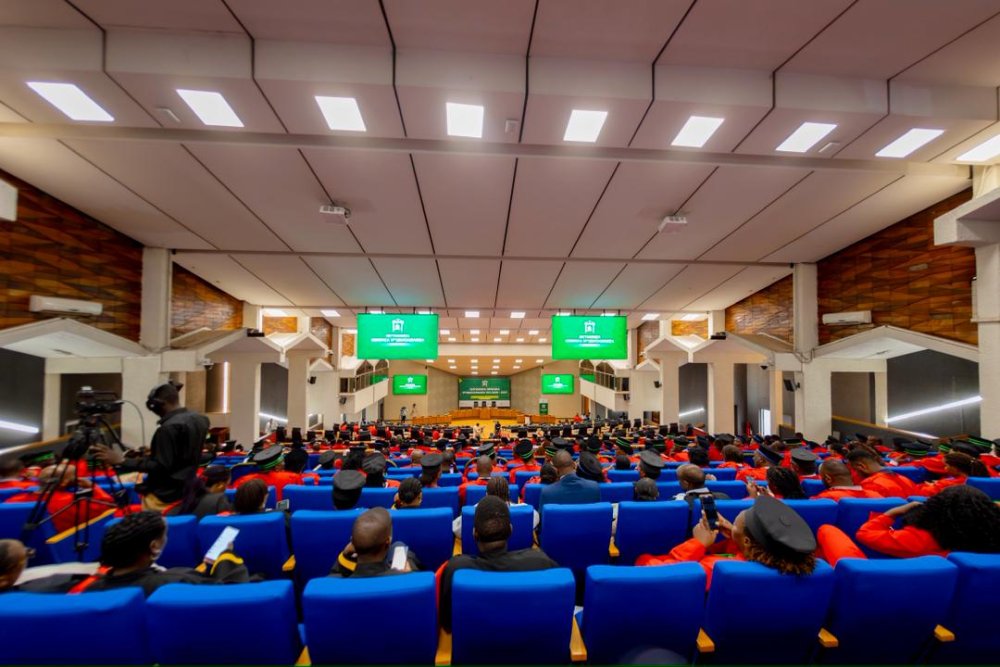
She made the remarks on September 4, 2026, during the official closing of the 2025/26 judicial year in Kigali, where the 2026/27 judicial year was also officially launched.
The ceremony was attended by judges and other officials from the justice sector, including representatives from the Ministry of Justice. The previous judicial year ended on June 30, 2026.
Mukantaganzwa said courts across Rwanda began the 2025/26 judicial year with a backlog of 54,278 cases that had been carried over from the previous year.
During the year, the courts received 109,417 new cases, bringing the total number of cases that needed to be handled to 163,695.
Of these, 123,027 cases were concluded, leaving 40,668 cases pending as the new judicial year began.
This means that the backlog from the 2024/25 judicial year, which stood at 54,278 cases, declined to 40,668 cases, representing a reduction of 25.1%.
Among the cases concluded during the year, 109,555, representing 89%, were heard on their merits, while 13,472, equivalent to 11%, involved hearings on provisional detention and release.
The 13,472 cases involving provisional detention and release concerned 17,086 individuals. Of these, 9,093, representing 58%, were ordered to remain in provisional detention.
Another 4,294 people, equivalent to 25%, were granted provisional release, while 2,889, representing 17%, were released subject to conditions they were required to comply with.
The judicial year ended with the justice sector having made progress toward its goal of strengthening restorative justice, which contributed to an increase in the number of cases resolved through this approach.
“We are pleased that the number of cases resolved through this approach reached 19,888, up from 15,012 in the previous year. This represents an increase of 4,876 cases, equivalent to 32.4%,” Mukantaganzwa said.
She said the increase demonstrates progress in delivering fair justice by ensuring that cases are resolved in a timely manner.
The number of cases that had remained pending for more than six months also declined. At the end of the 2025/26 judicial year, there were 17,663 such cases, compared with 26,862 in the previous judicial year.
This represents a decline of 6%.
The reduction was also reflected in the average time cases remained pending before being heard. The average waiting period fell from six months in 2024/25 to four months during the year that ended.
However, Mukantaganzwa acknowledged that cases remain pending and said the goal is to continue reducing the backlog in order to strengthen the delivery of efficient justice.
“The goal is to continue reducing the backlog so that it does not exceed 30% by 2028/29,” she said.
She noted that some courts, particularly the High Courts and courts in the City of Kigali, continue to have a high number of cases. This affects the amount of time litigants have to wait before their cases are heard.


Loading comments...
Leave a comment