



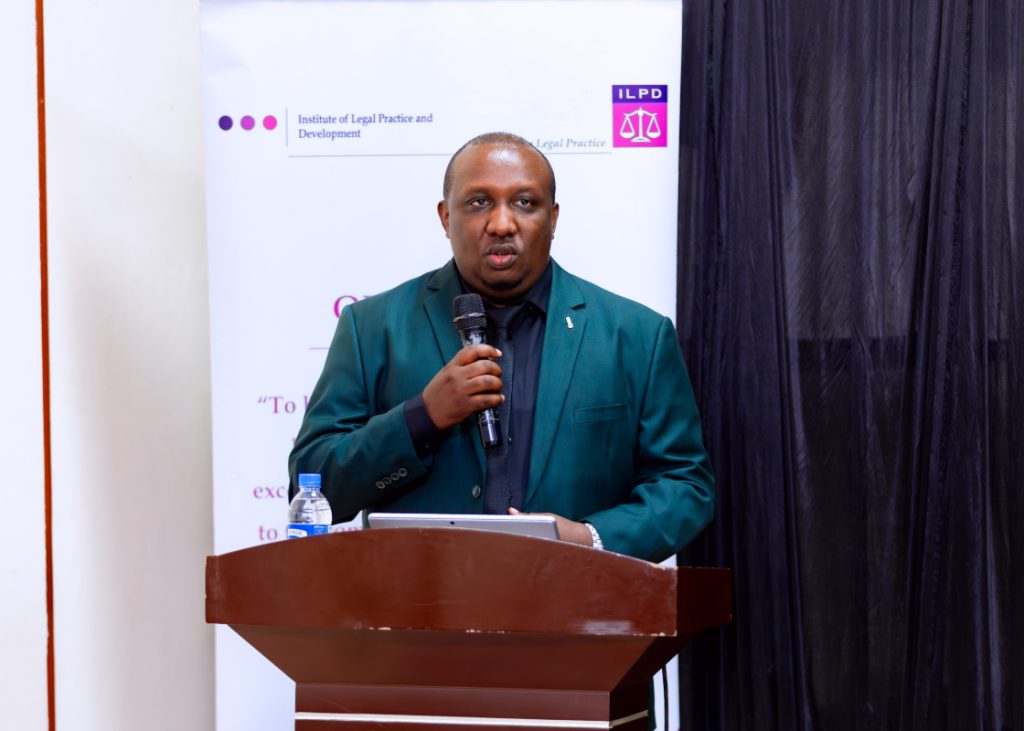
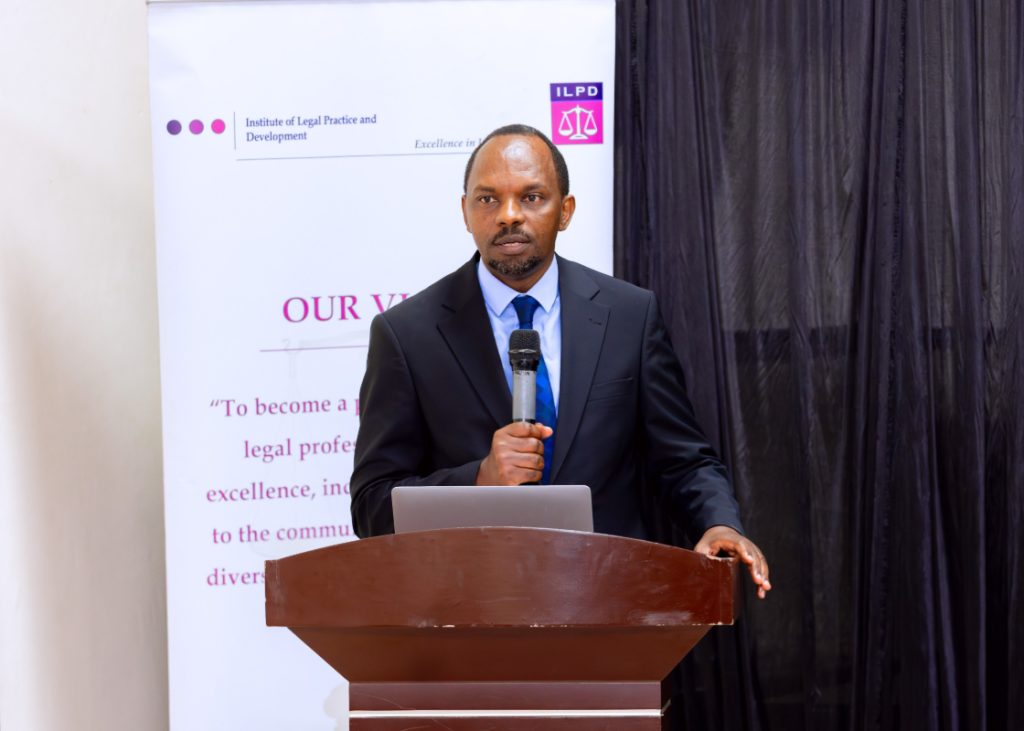
The figures were highlighted on November 22, 2026, during the launch of a specialised training programme by the Institute of Legal Practice and Development (ILPD) to equip participants with professional mediation skills.
The programme is part of efforts to implement Rwanda's Alternative Dispute Resolution (ADR) Policy, introduced in 2022 to encourage the settlement of disputes outside the conventional court system.
The three-month programme combines online learning with in-person sessions at the Mediation Centre in Nyamirambo, Kigali.
ILPD Vice-Rector in Charge of Academic and Research Affairs, Dr Yves Sezirahiga, said the training would strengthen the capacity of people already involved in mediation while preparing a new generation of professional mediators.
"Some people already help resolve disputes when they arise. This training will equip them with the knowledge they need to continue doing so professionally," he said.
The first cohort comprises 60 participants who will undergo 70 days of training. While some lessons will be delivered online, the final days of each week will be dedicated to practical sessions to help participants apply the knowledge acquired.
Sezirahiga said the programme is open to graduates from different academic backgrounds, not just those who studied law.
"The only requirement is that applicants must hold at least a bachelor's degree in any field," he said.
Although the training was launched in Kigali, ILPD plans to extend it to other parts of the country to increase the number of professionally trained mediators.
More than 30,000 cases resolved through mediation since 2022
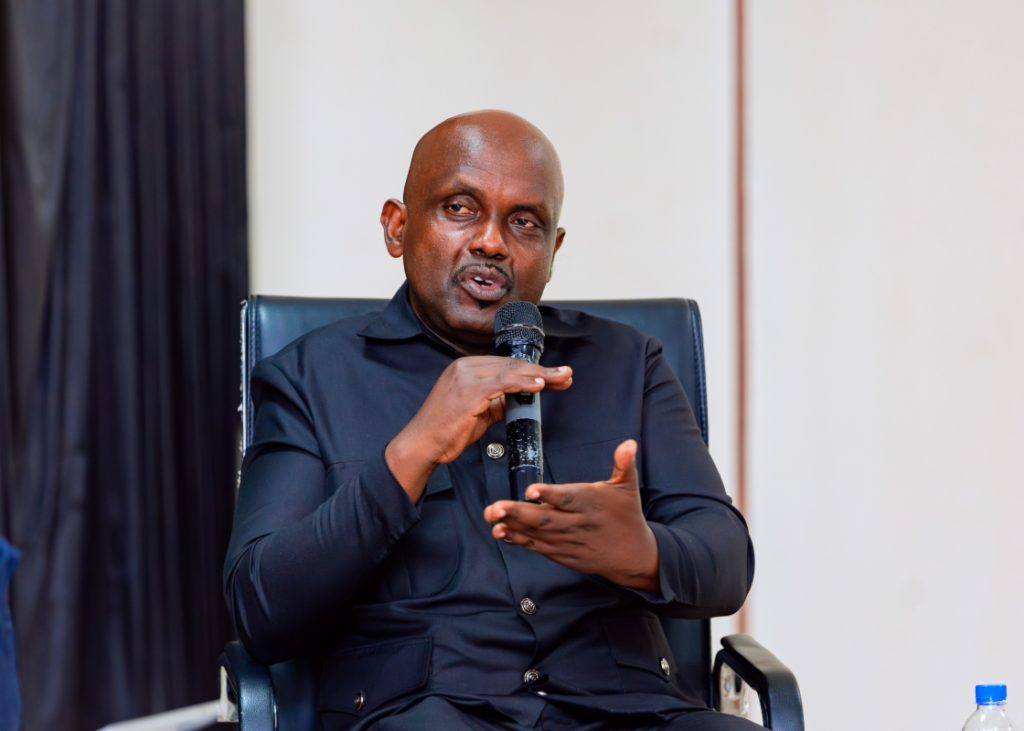
Andrews Kananga, Executive Director of the Legal Aid Forum (LAF) and a member of the Rwanda Mediation Council, said mediation was gaining acceptance among Rwandans as an alternative way of resolving disputes.
He said more than 30,000 cases had been settled through mediation since the introduction of the Alternative Dispute Resolution Policy in 2022.
"Reports from various institutions involved in mediation show that at least 16% of cases have been resolved without going to court since we introduced this programme. That is a significant achievement, considering that more than 30,000 cases have been settled through mediation," Kananga said.
He noted that resolving disputes outside the courts not only reduces the number of cases handled by the judiciary but also helps restore relationships between people involved in conflicts.
Kananga also linked the approach to reduced prison overcrowding.
"About two or three years before this policy was introduced, prison occupancy stood at 140%. Today, it has fallen to 97.2%. This shows the importance of mediation because litigation often drives people apart, whereas mediation seeks to reconcile them," he said.
He urged participants in the training programme to help promote mediation, particularly among private sector players, where disputes are still frequently taken to court.
"We need them to help people in the private sector understand that they should turn to mediation rather than going to court," he said.
Discussions during the launch also highlighted a proposal for Rwanda to establish an African centre of excellence in mediation that would host participants from other countries seeking to learn from its experience.
The training programme is expected to expand the pool of professional mediators, strengthen the resolution of disputes through mutual agreement and reduce pressure on the country's courts while improving access to timely justice.

Do you like this personality?

Loading comments...
Leave a comment