






Addressing the Security Council during an open debate on the International Residual Mechanism for Criminal Tribunals (IRMCT), Rwanda's Minister of Justice and Attorney General, Emmanuel Ugirashebuja, said the question of the ICTR archives is no longer one of capacity or feasibility, but one of principle.
"The question before us is where the historical record of the Genocide against the Tutsi should be preserved so that it remains most meaningful, accessible and relevant to those whose history it documents," he told Council members on Friday.
The intervention comes as the United Nations considers the future of the ICTR's legacy institutions and remaining residual functions. Rwanda argued that, unlike other international tribunal archives that concern multiple countries and conflicts, the ICTR archives relate to a single country, a single people and a single genocide, making Rwanda the most appropriate location for their preservation.
Ugirashebuja emphasised that Rwanda fully recognises the archives as the property of the United Nations, but said ownership alone should not determine their future location. Historical relevance, accessibility and proximity to survivors and future generations should also be taken into account, he argued.
According to the minister, the country has already met all technical and legal requirements necessary to host the archives. The government says it has invested in archival infrastructure, developed expertise in preservation and digitization, and established legal safeguards that would protect the integrity of the records while ensuring continued access for researchers and scholars.
In a significant new offer, Rwanda pledged to bear the financial costs associated with relocating and maintaining the archives.
"Relocating the archives to Rwanda would not impose an additional financial burden on Member States," Ugirashebuja said, adding that Rwanda is prepared to finance the transfer, preservation and digitisation of the records while maintaining United Nations ownership.
The minister said such an arrangement would relieve the UN and member states of future financial obligations related to managing and digitising the archives, while ensuring their long-term preservation.
For survivors of the Genocide against the Tutsi, Rwanda argues that the transfer would represent more than the movement of documents. It would symbolise the return of a vital part of their collective memory and historical record.
Beyond the archives issue, Rwanda also called for greater clarity regarding the future of the Mechanism's remaining responsibilities. The country expressed readiness to host a small residual prosecutorial presence to support cooperation with national authorities and the continued pursuit of genocide fugitives.
Ugirashebuja noted that more than 1,000 genocide suspects remain at large worldwide and said continued international cooperation remains essential to advancing accountability.
Rwanda further renewed its longstanding offer to receive persons convicted by the ICTR for sentence enforcement, as well as Rwandan nationals who have been acquitted or have completed their sentences but remain without a durable solution.
The minister told the Council that Rwanda's correctional facilities meet international standards and that the country has accumulated decades of experience in the reintegration of returning nationals and former genocide convicts.
As the IRMCT moves closer to completing its mandate, Rwanda urged the Security Council to begin making decisions about the orderly transfer of remaining responsibilities, including the future of the ICTR archives.
"The Mechanism was never intended to be permanent," Ugirashebuja said. "Its success should ultimately be measured not by its longevity, but by its ability to complete its mandate and ensure that residual responsibilities are managed in a sustainable manner."
The appeal places the future location of the ICTR archives firmly before the Security Council and signals Rwanda's intention to play a larger role in preserving the legacy of international justice more than three decades after the Genocide against the Tutsi.
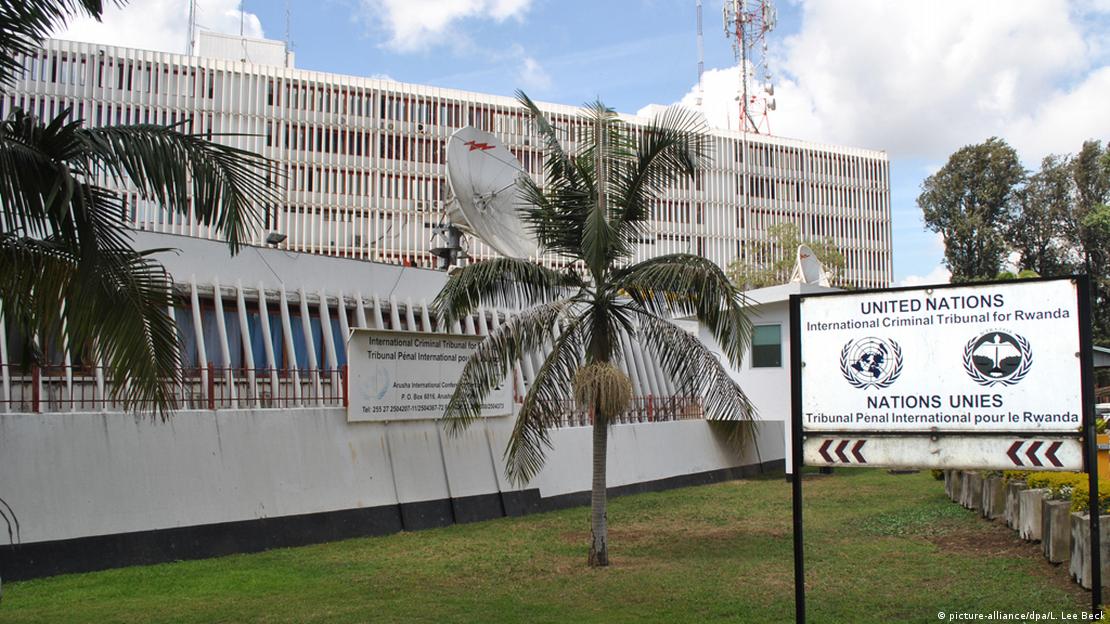
The ICTR served as the principal international tribunal to prosecute those responsible for the 1994 Genocide against the Tutsi. It was formally closed on December 31, 2015. By the time of its closure, the Tribunal had indicted 93 individuals and concluded proceedings for 82, resulting in 61 convictions and 14 acquittals.
Additionally, it issued a total of 55 first-instance judgments and 45 appeal judgments. Remaining cases, primarily fugitives still at large and some matters referred to national jurisdictions, were transferred to the International Residual Mechanism for Criminal Tribunals to ensure the completion of the Tribunal’s work.

Loading comments...
Leave a comment