



Makinde, founder of Dellman Group, first came to Rwanda in 2020 on a business feasibility trip after visiting Kenya, Uganda and Tanzania. He later registered his business in Rwanda in 2021 and began investing in real estate.
He initially focused on affordable housing before moving into mid-income and luxury residential properties.
Today, much of his investment is concentrated in Rusororo, where he says he identified the area’s potential before many investors were willing to take the risk.
“When I started, a lot of people thought I was crazy. Why would you want to go build in that place?” Makinde recalled.
He recalled buying his first 600-square-metre plot in Rusororo for Rwf16 million. He said a similar plot in the area could now cost around Rwf120 million, while a 300-square-metre plot can sell for about Rwf50 million.
Makinde attributes the increase to the development of roads, hospitals, universities and other infrastructure around the area.
He pointed to projects and developments including the Masaka Teaching Hospital, African Leadership University (ALU), IRCAD Africa, DP World, and roads connecting Rusororo with other parts of Kigali and Bugesera.
“Real estate grows with development. Anywhere development is going, the value of properties in that place goes up,” he said.
For Makinde, that has shaped his investment strategy in Rwanda.
Rather than focusing exclusively on established neighbourhoods like Nyarutarama where property prices are already high, he looks for areas where infrastructure and other economic activity are still developing.
“You don’t want to go buy in premium neighbourhoods,” he said, advising investors to identify neighbourhoods with strong growth potential and planned infrastructure.
He also favours a mixed strategy of selling some units while keeping others for rental income, allowing investors to generate cash flow while waiting for property values to rise.
From affordable housing to luxury homes
Makinde's business strategy has also evolved.
He said affordable housing has proved difficult for private developers because of the high cost of land and construction materials.
According to him, building materials such as cement, aluminium, sand and stone can make it difficult for private developers to deliver homes at prices that buyers consider affordable.
He argues that government-backed programmes are better positioned to deliver mass and social housing, while private developers can focus on other segments of the market.
Dellman Group has consequently moved towards high-end residential properties aimed at wealthy buyers and tenants.
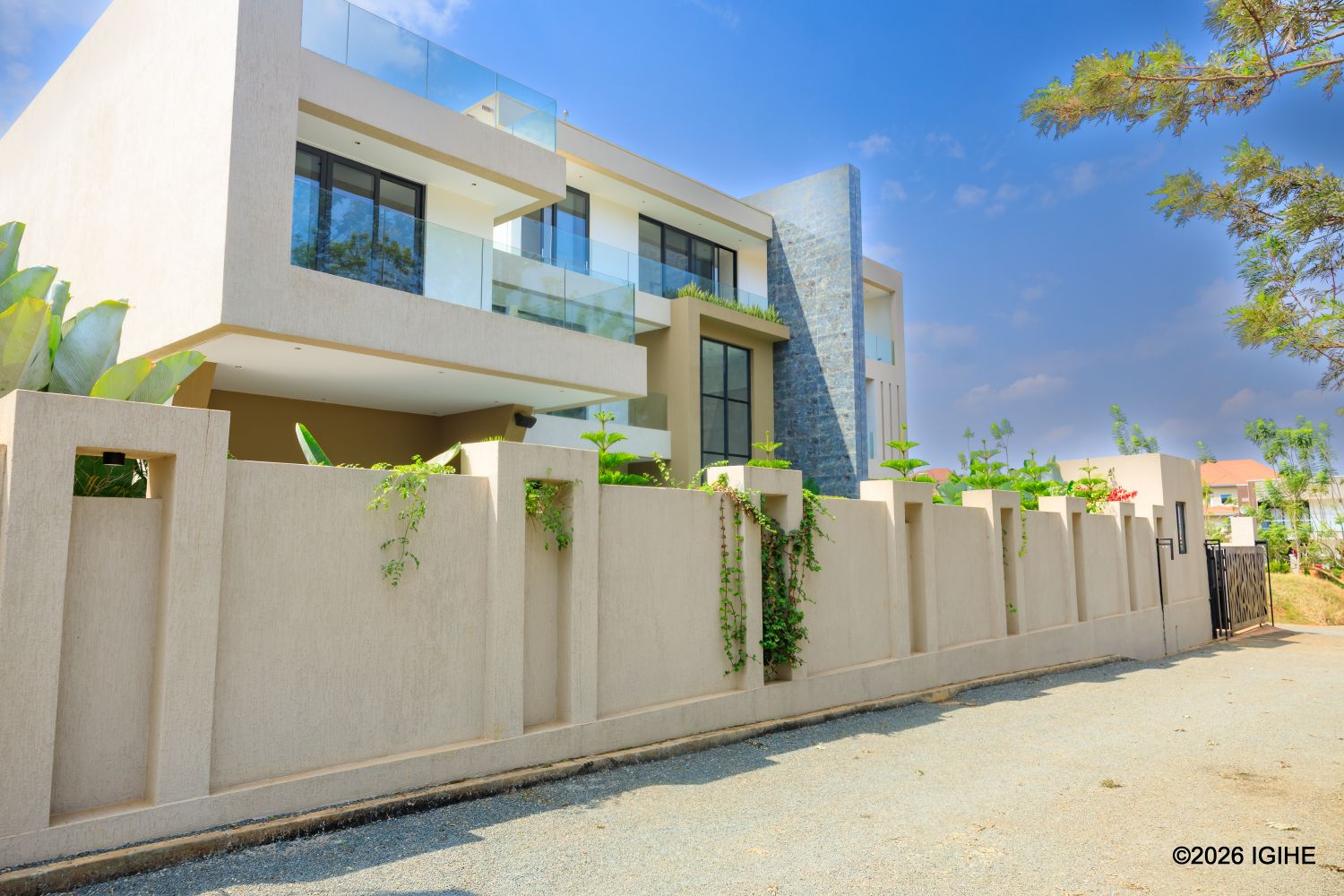
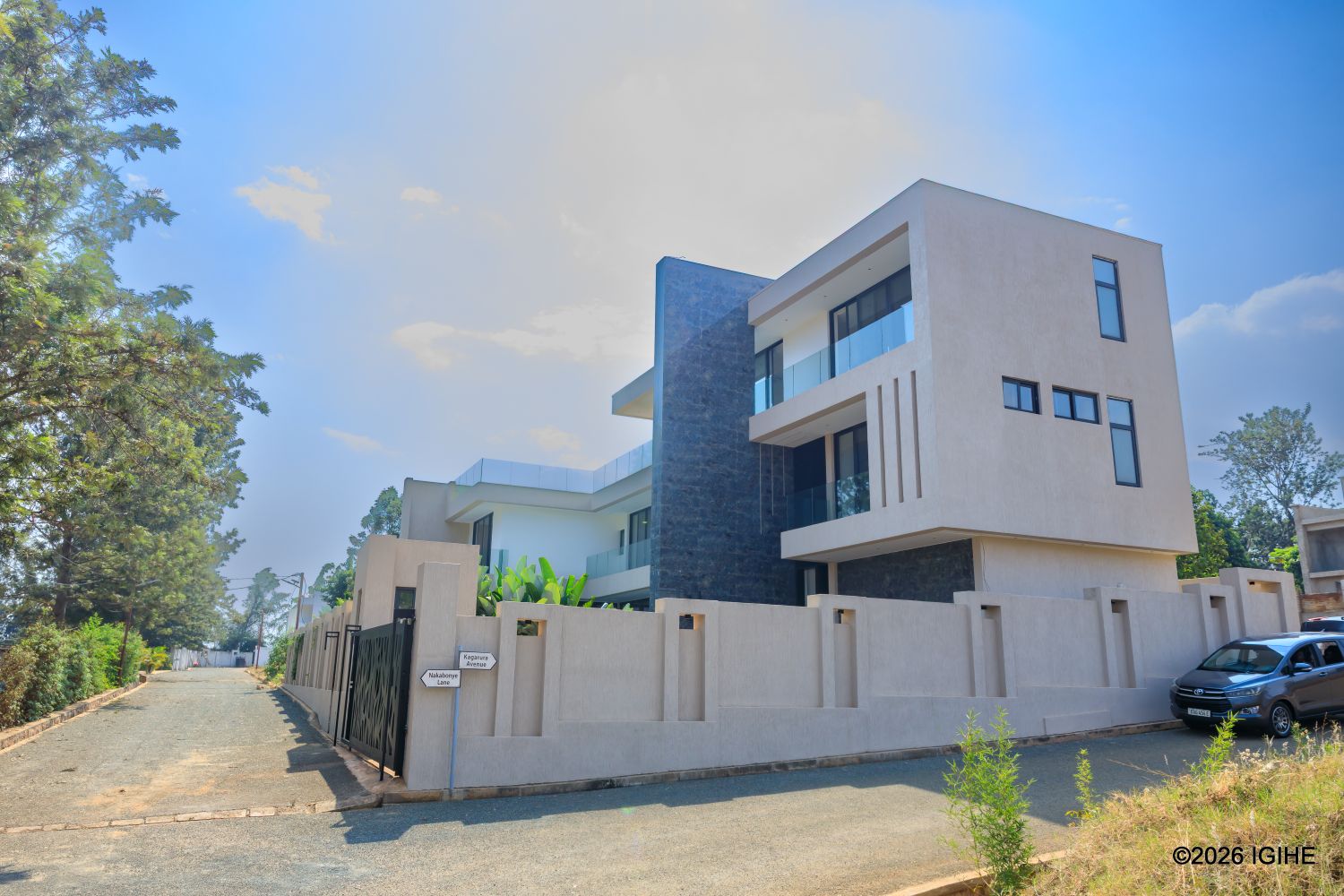
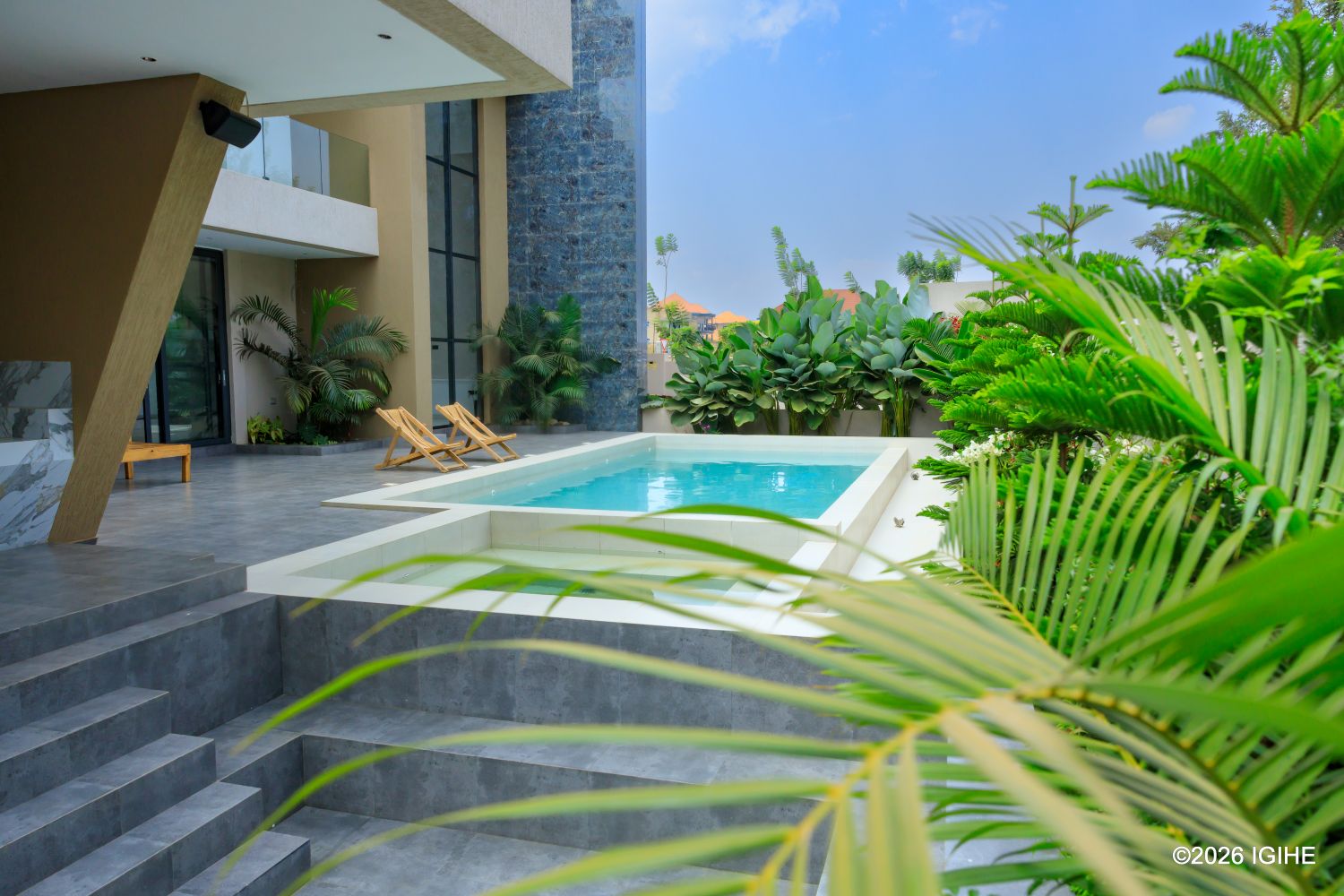
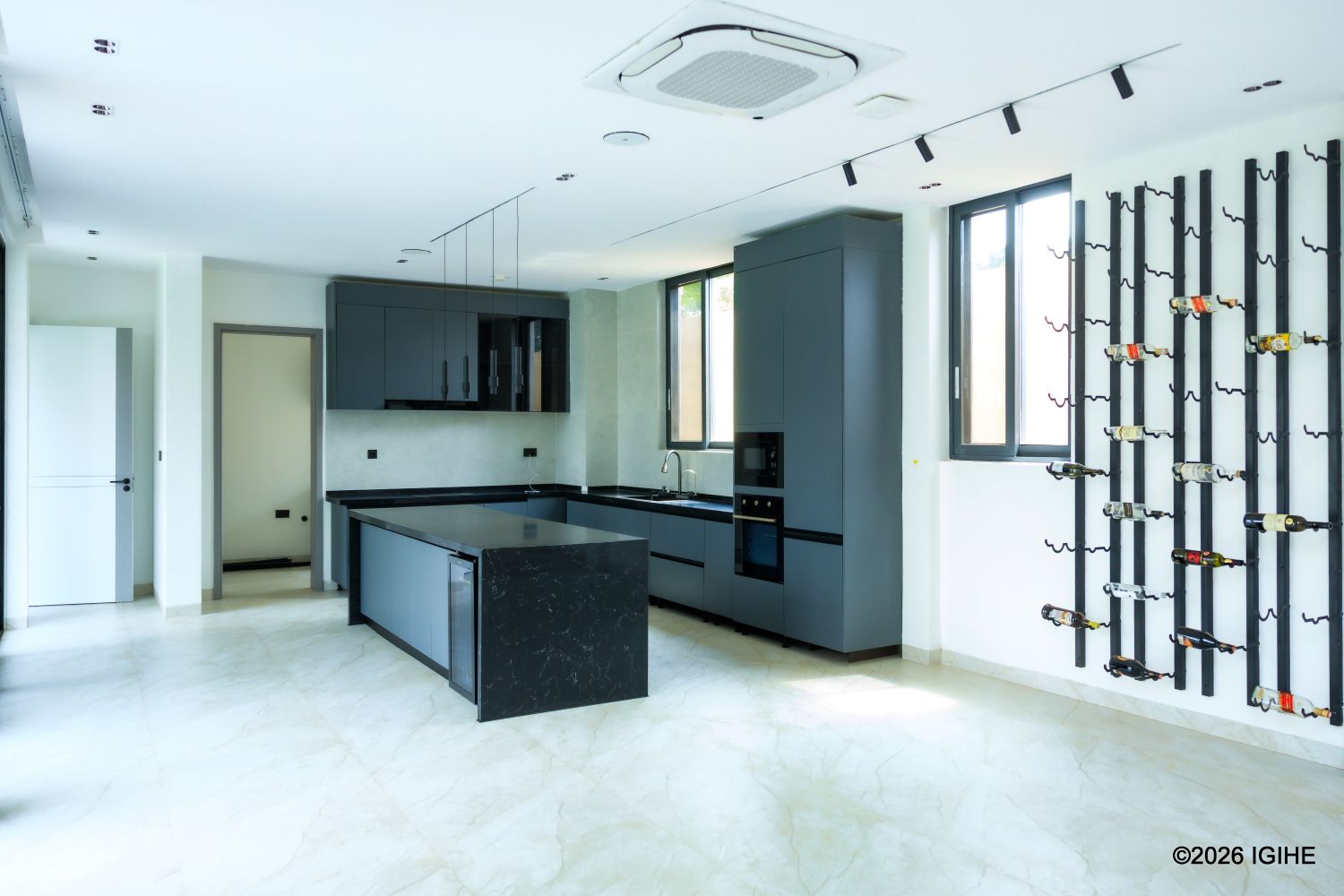
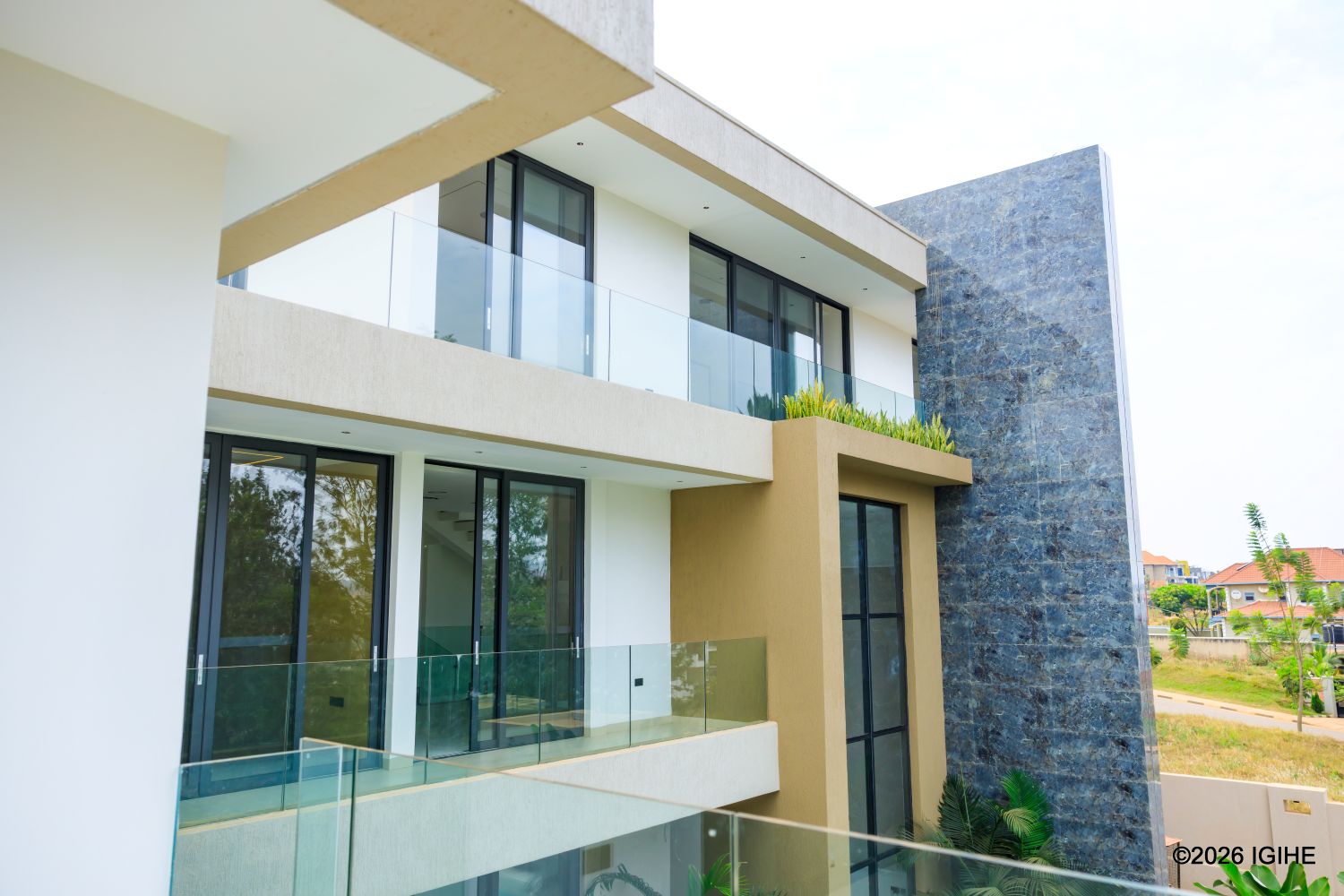
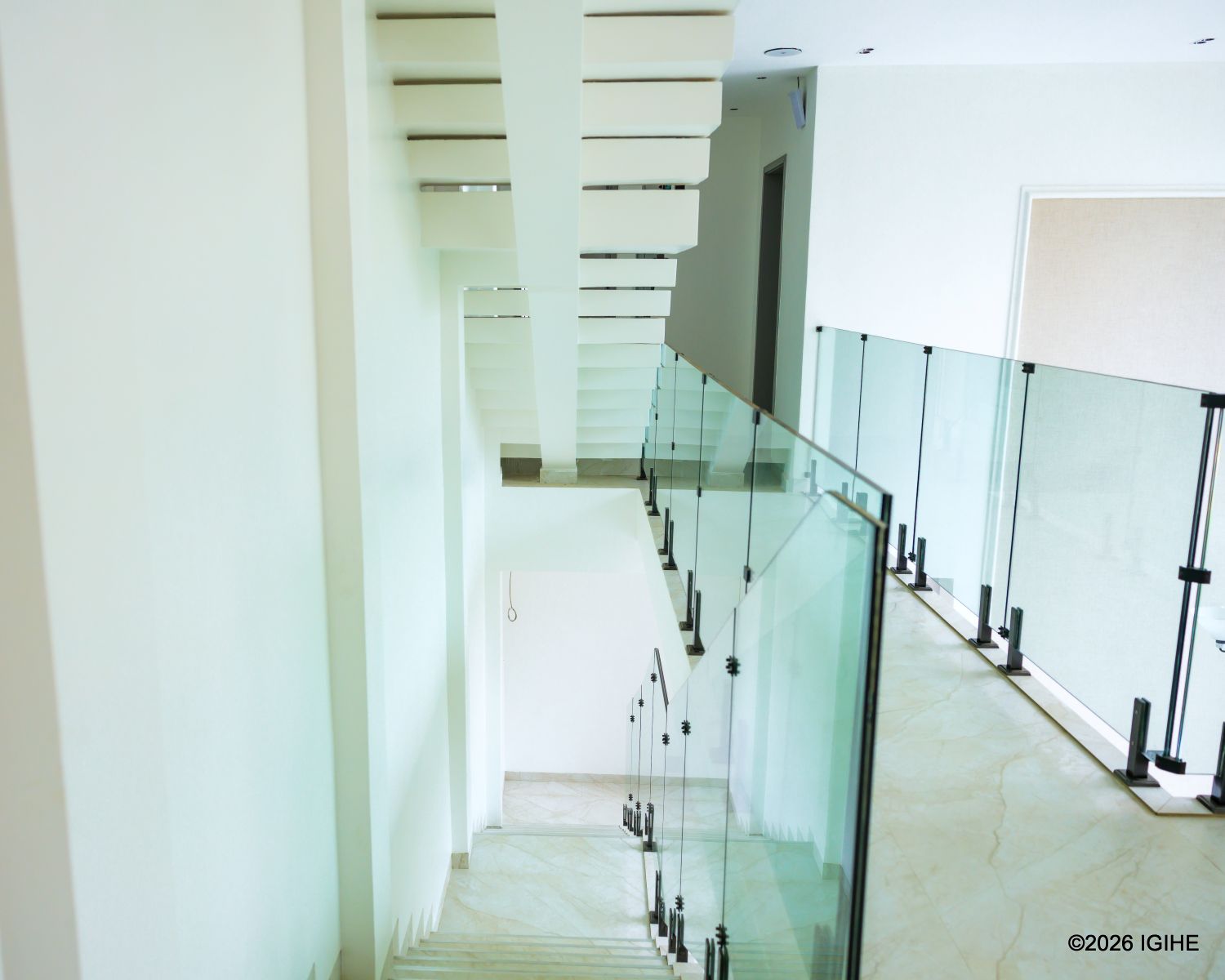
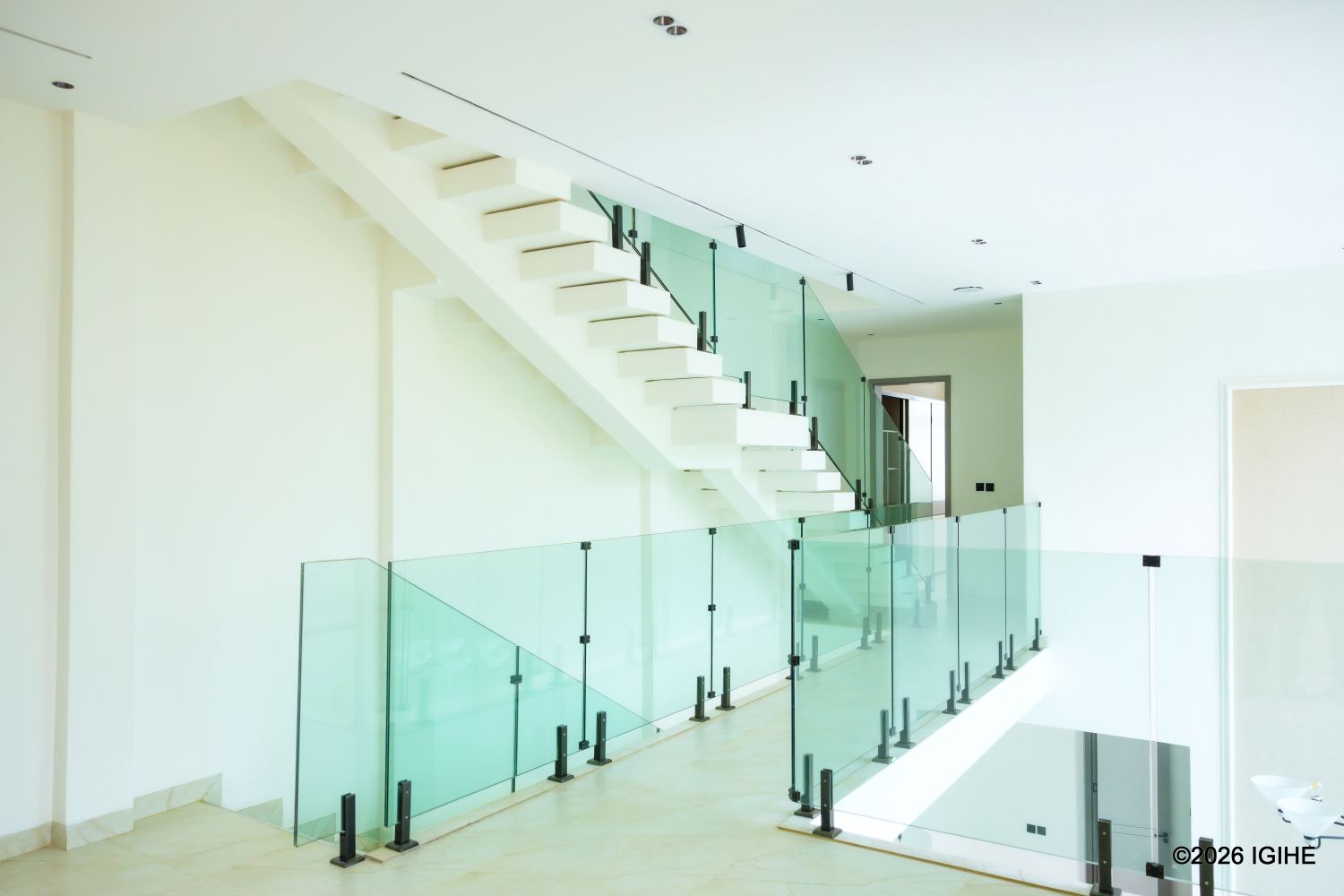
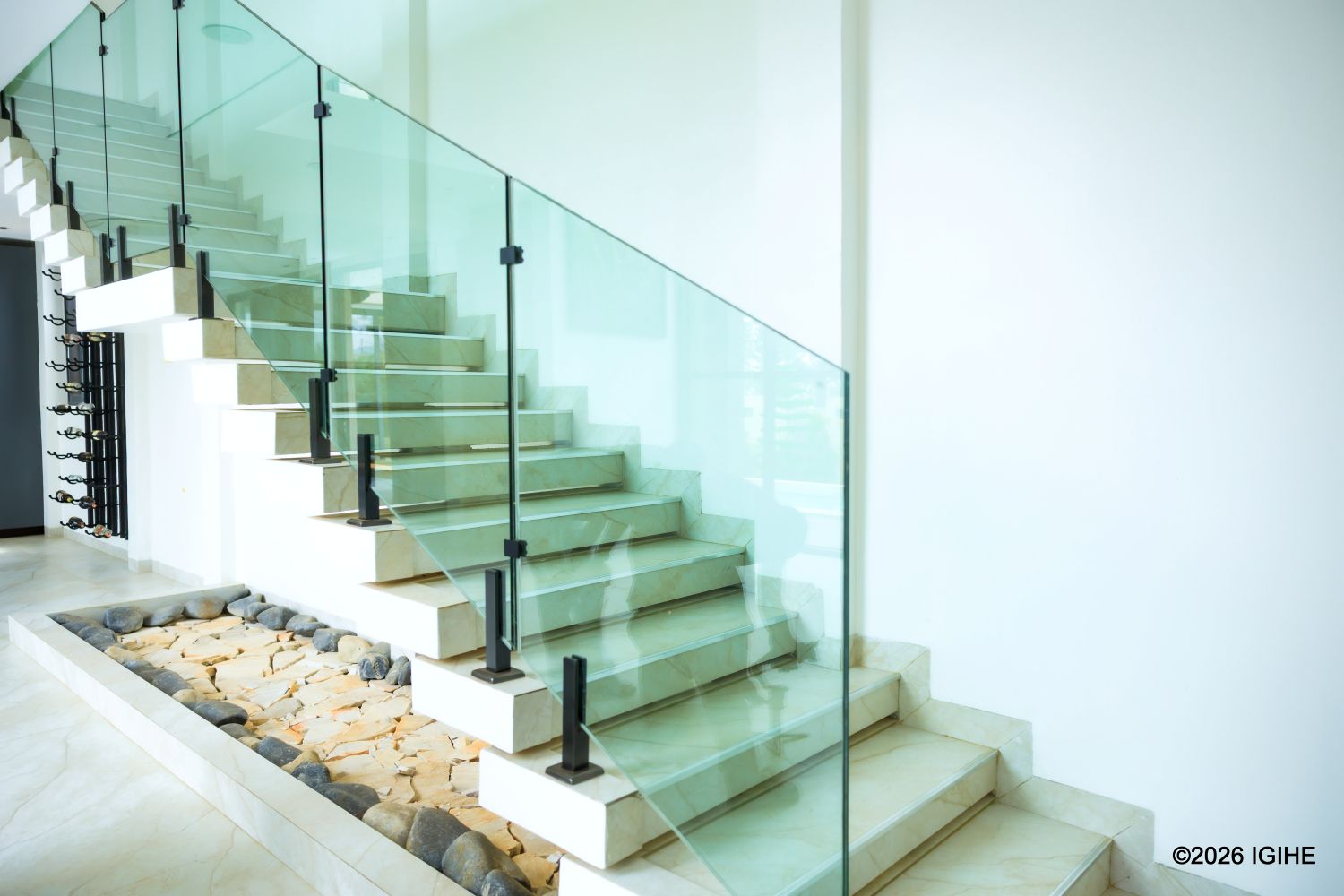
One example is Lujoso by Dellman, a four-bedroom luxury home in Rusororo equipped with a swimming pool, jacuzzi, cinema, gym, games room and home automation.
The property can be controlled through mobile devices, wall-mounted panels and voice commands.
Makinde said the home was designed to offer a different proposition from many properties currently available in Kigali.
“We wanted to do something totally different from what I’m seeing,” he said.
The house is currently on the market for $1.2 million, fully furnished, according to Makinde. He said similar properties could command between $7,000 and $10,000 a month in rent.
A home for celebrities and high-net-worth clients
The concept for Lujoso was partly influenced by demand from high-profile visitors to Rwanda who want more privacy and space than hotels can provide.
Makinde recalled an experience involving Nigerian musician Davido, who had visited Rwanda and wanted a private space where he could stay with his team rather than remain in a hotel.
That experience helped shape his thinking about luxury accommodation for celebrities, athletes, diplomats and other high-net-worth individuals.
Makinde said such clients could use the property as a private residence while visiting Rwanda, with facilities that include entertainment and leisure spaces.
He said the property is designed for a niche market rather than the mass housing segment.
Bringing UK experience to Rwanda
Makinde spent much of his professional career in the UK, where he worked as an IT consultant and business analyst.
The 39-year-old started his company in England at the age of 24 and worked with banks, asset managers, insurance companies and defence contractors.
He later moved into property investment in the UK, buying homes at auction, renovating them, selling some and renting or refinancing others.
He said the experience helped him build the capital and knowledge that eventually enabled him to invest in Rwanda.
Makinde said he chose Rwanda partly because its relatively small market allowed him to learn while expanding his business.
“Rwanda is not the place you would make the most money. But in terms of you starting up, building something, you being safe, you’ll be able to learn in the market because it’s a small market,” he said.
His investments have since expanded beyond Rwanda to Uganda, where he said his business operates on a larger scale.
Importing luxury
The development of high-end properties has also exposed gaps in Rwanda's local supply chain for premium construction and interior products.
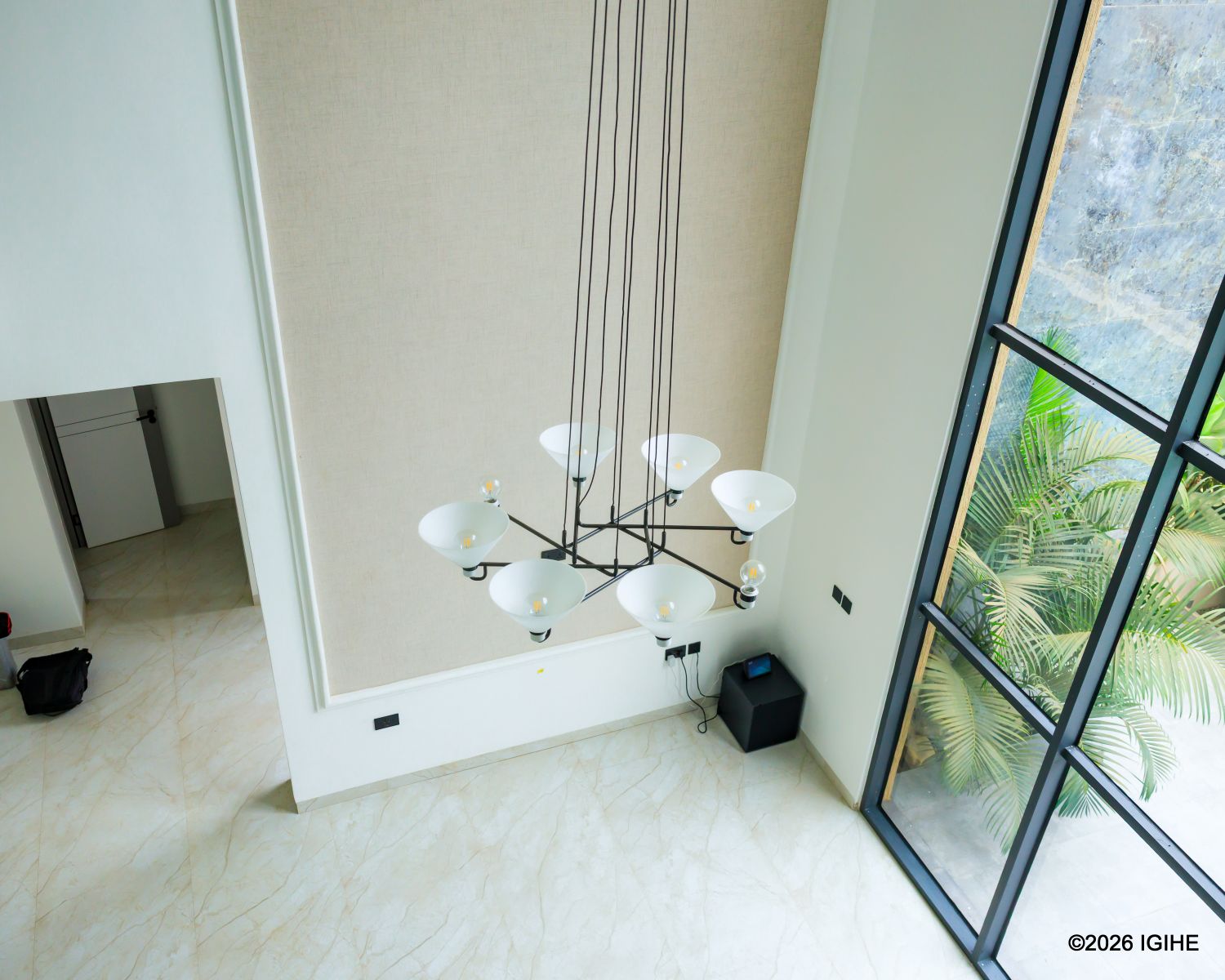
Makinde said much of the materials used in Lujoso were imported, including marble tiles, aluminium products, windows, doors, kitchen equipment, switches, sockets and air-conditioning systems.
He said some products were sourced from China, India, Turkey and Germany because he wanted specifications that he could not readily find in Rwanda.
However, he also sees an opportunity for Rwandan businesses to enter the market by supplying premium construction products.
The challenge, he said, is balancing quality with purchasing power because high-end imported products can be expensive to clear and may not have a large enough local market.
Jobs and local skills
The development has also created employment and opportunities for skills transfer.
Makinde said Dellman Group construction projects rely heavily on freelance workers and contractors.
At the peak of construction of the Lujoso property, he said more than 50 people could be working on the site in a single day, with the weekly wage bill reaching about Rwf3.5 million at some stages.
He also highlighted skills transfer involving workers from Uganda and local Rwandan technicians, particularly in specialised areas such as tiling.
Makinde said his investments have also involved improving access roads around some of his properties.
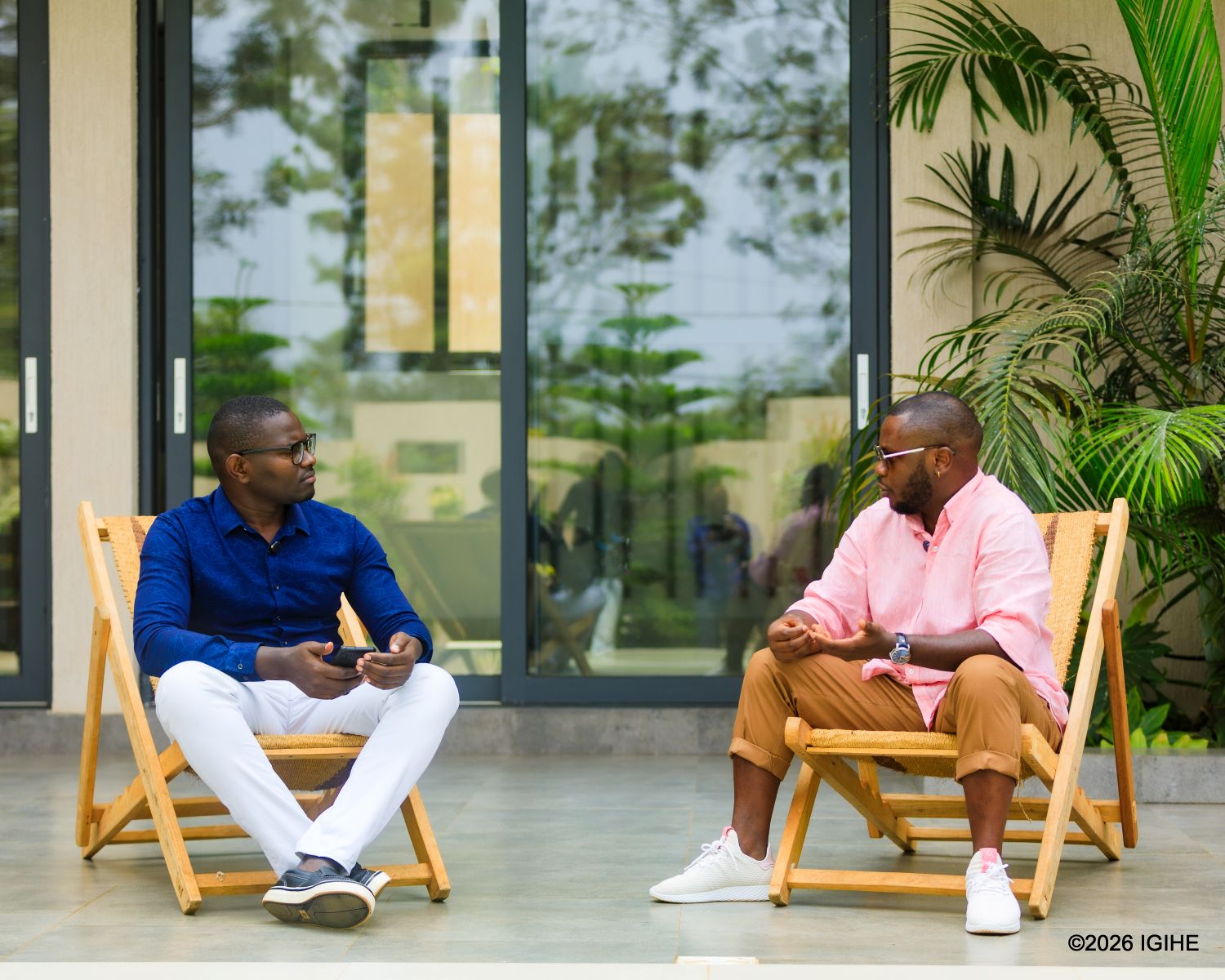
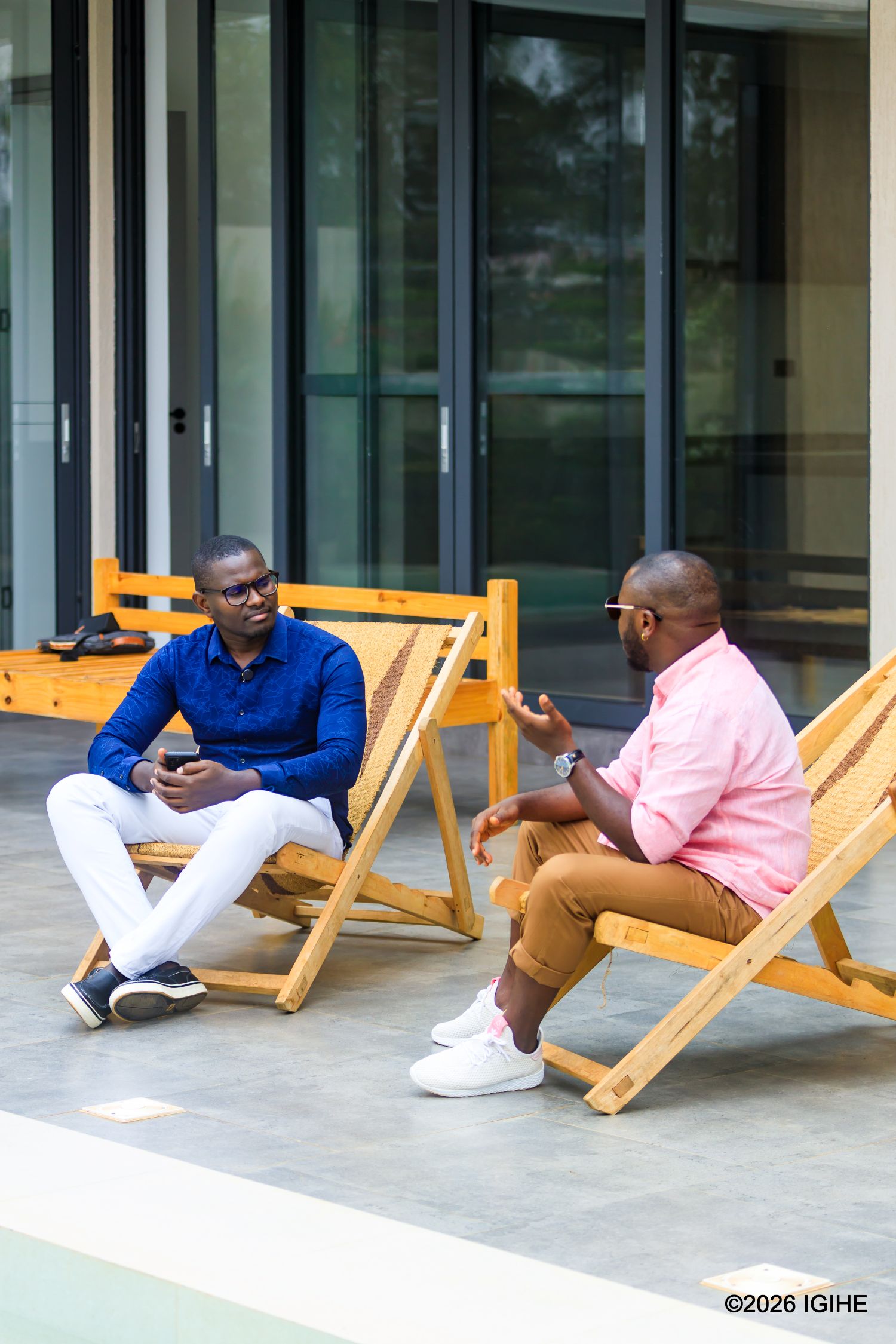
Watch the full IGIHE interview with Abraham Dellman Makinde below to hear more about his investment journey, why he chose Rusororo, the thinking behind his $1.2 million luxury home and his outlook for Rwanda’s property market.
Loading comments...
Leave a comment