



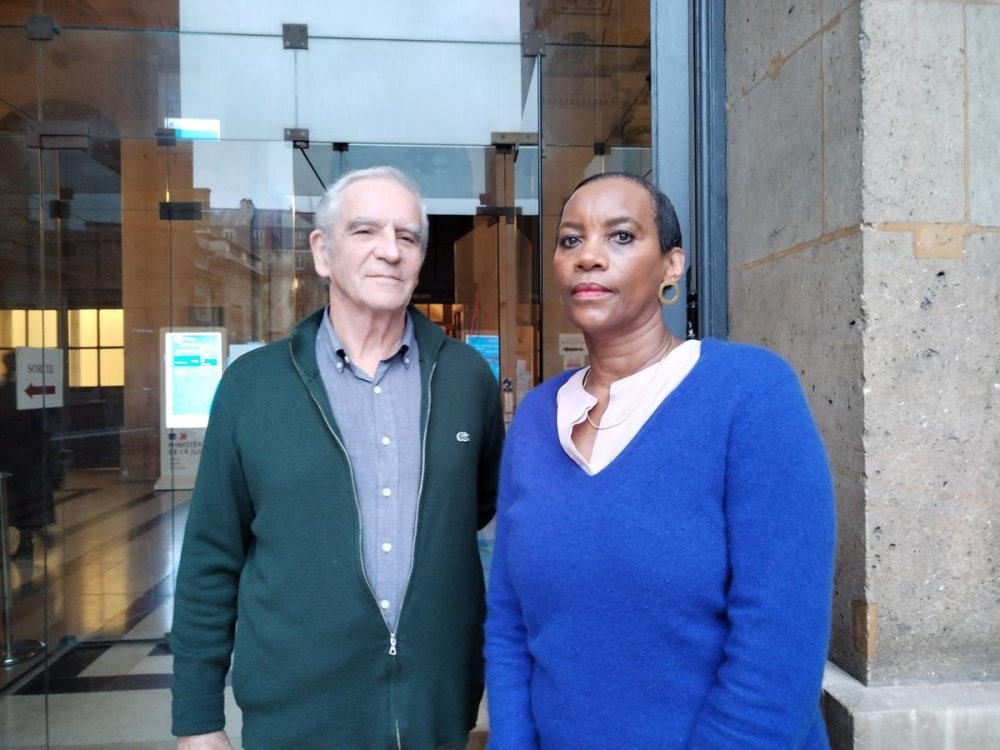
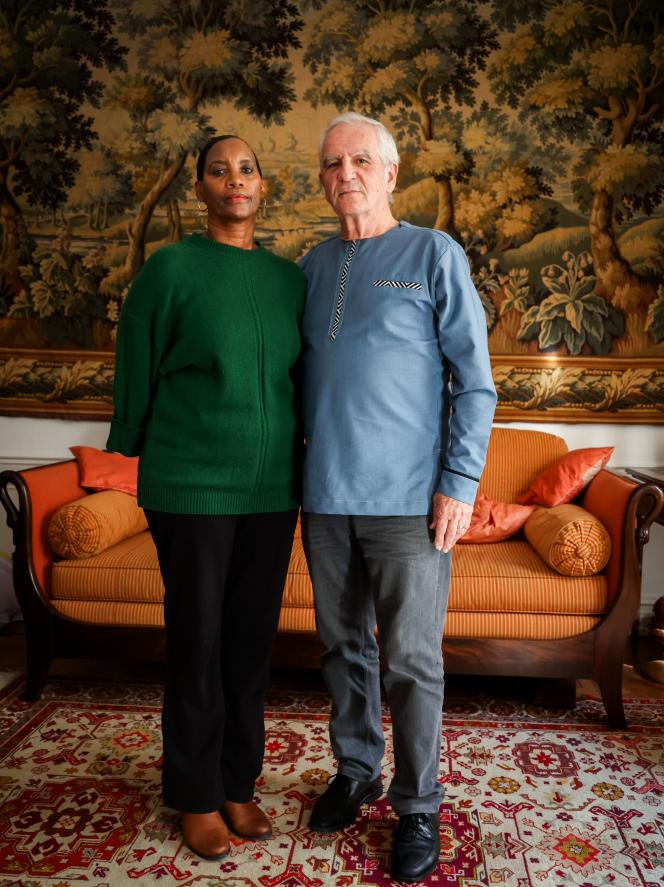
Dafroza was widely known for her efforts to seek justice for victims of the Genocide alongside her husband, Alain Gauthier. Together, they founded the Collectif des parties civiles pour le Rwanda (CPCR), an organisation that gathered evidence and testimonies used in efforts to prosecute Genocide suspects living in France.
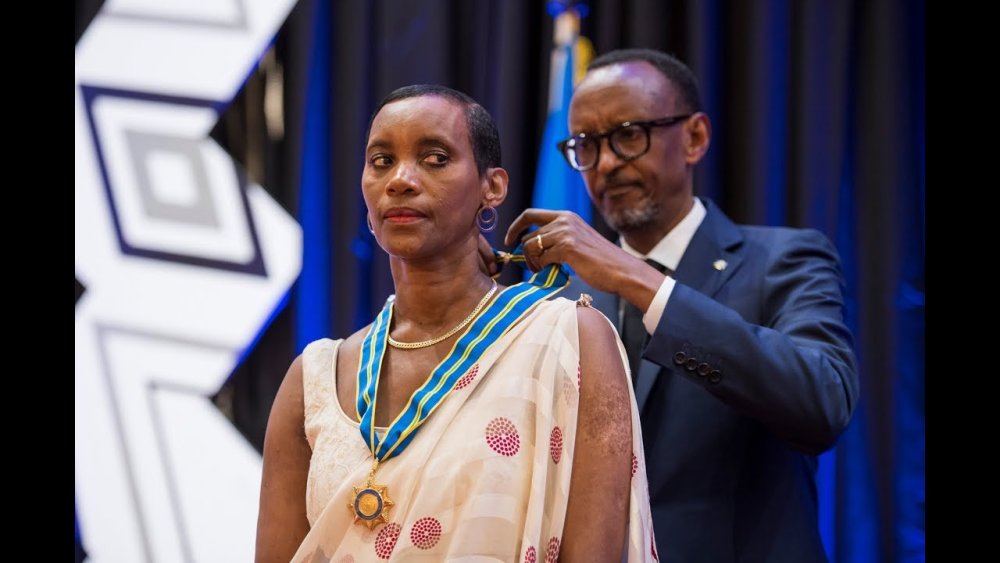
In recognition of their work, President Paul Kagame awarded the couple the Impeta y’Igihango medal ((National Order of Outstanding Friendship) on November 18, 2017.
The honour is given to individuals who have made outstanding contributions to strengthening friendship and cooperation between Rwanda and other countries, as well as promoting the dignity of Rwanda and Rwandans internationally.
Dafroza was born in Butare in 1954. She studied chemistry at university in France, where she met Alain Gauthier, a Frenchman who was then working as a teacher in Rwanda.
They later married and settled in France, where they were living when the Genocide against the Tutsi began. They had three children.
The Genocide claimed the lives of about 80 members of her family, leaving her with a profound personal loss.
In February 1994, Dafroza was in Kigali, but her mother urged her to return to France as the security situation continued to deteriorate. Dafroza tried to convince her relatives to leave Rwanda, but they were unable to do so. It was the last time she saw them.
After the Genocide, Dafroza and her husband committed themselves to ensuring that those suspected of involvement would not remain at large. They began their efforts to seek justice for Genocide victims in 1996 and founded CPCR in 2001.
Their work included tracing Genocide suspects living in France, travelling to Rwanda to gather evidence from places where crimes had been committed, speaking to survivors and detainees, and preparing case files for judicial authorities.
Dafroza also played an important role in translating Kinyarwanda documents into French for use in court proceedings. Her knowledge of Rwanda, its language and its history helped her collect and interpret evidence.
Their pursuit of justice came with significant personal sacrifices, including financial costs and time spent away from their children.
Beyond efforts to bring Genocide suspects to justice, Dafroza and her husband visited schools and universities to educate young people about the Genocide. They also contributed to efforts to preserve its history and counter Genocide denial.
Dafroza regarded justice as a way of restoring dignity to the victims of the Genocide. She argued that trials helped keep their names alive by showing who they were and what happened to them, rather than reducing them to statistics.
Her journey with her husband was documented in the 2023 book Rwanda, à la poursuite des génocidaires. The book was written by journalist Thomas Zribi in collaboration with illustrator Damien Roudeau, with a foreword by artist and writer Gaël Faye.
Loading comments...
Leave a comment