



He is among the genocide perpetrators who received psychosocial support and lessons on unity and resilience, aimed at helping them reconcile with the people they wronged. The initiative was organised by the Pentecostal Church of Rwanda (ADEPR) in partnership with the Ministry of National Unity and Civic Engagement (MINUBUMWE).
ADEPR said it launched the programme in 2021 to bring together genocide perpetrators and survivors through reconciliation activities.
Since then, more than 6,000 people have participated in the programme. They have formed 36 self-help groups focused on income-generating activities, with combined savings exceeding Rwf 9 million.
The groups engage in agriculture, livestock farming and vocational activities. Members also hold regular discussions aimed at strengthening relationships and promoting peaceful coexistence.
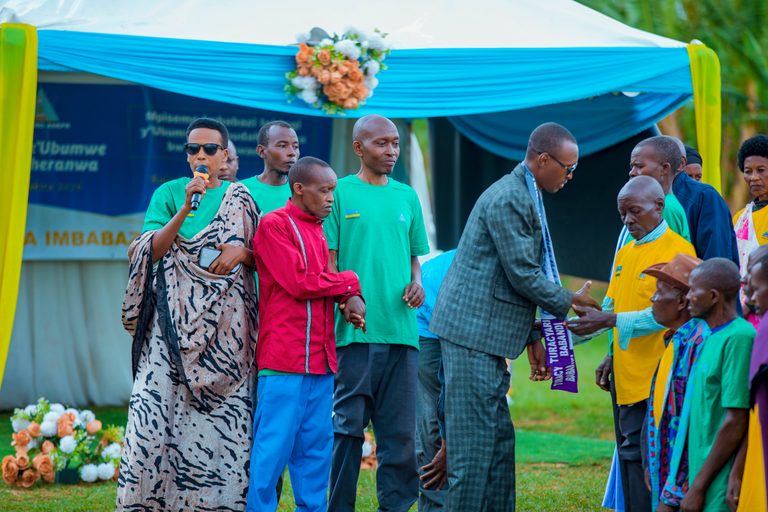
One of the groups, based in Rulindo District, grows pineapples. On October 30, ADEPR donated five cows to its members to support their efforts to rebuild their lives.
Nkuyubwatsi Jean Marie Vianney, who participated in the reconciliation programme, apologised to the family of the person he killed, saying that he had been burdened by guilt before finding relief after telling the truth.
The Rulindo resident said he used to struggle with guilt even when sleeping.
“I would lie down to sleep, but I could feel my heart pounding,” he said.
Mulisa said that although he had been released after completing his sentence, he returned home overwhelmed by shame and fear because of his involvement in the Genocide against the Tutsi.
“When I returned, I was filled with shame and fear. I remember being released at 5 p.m., but I only arrived home at 8 p.m., even though the vehicle had dropped me off in Shyorongi at 6 p.m.,” he said.
He explained that after reaching Shyorongi busines centre, he got off and walked along the road leading to his home, afraid that residents might kill him because of the crimes he had committed. However, he was warmly received when he finally arrived.
“I walked down through the bushes, afraid. I kept thinking, ‘If I go down there, they will kill me anyway.’ But when I arrived, people welcomed me warmly. They even started visiting me at home, and I also began visiting them. I came to feel that I had completed my sentence and had no other crimes to answer for,” he said.
Mulisa said he later received lessons on how to reconcile with the people he had wronged. After completing the sessions, he felt compelled to ask for forgiveness.
“I later met this group, which taught us. After completing the lessons, my heart told me, ‘Go and ask those people for forgiveness,’” he said.
Mulisa subsequently apologised to the family of Nsabimana. He explained that when he was 20 years old, he took part in an attack on their home, during which Nsabimana's younger sibling was taken away and killed.
A survivor of the Genocide against the Tutsi said she had experienced severe trauma. Whenever she saw people convicted of genocide crimes being released from prison after serving their sentences, she would nearly collapse.
“There was a time when I lived in constant fear. I was overwhelmed by grief because the 1994 Genocide against the Tutsi had left me with nothing. I lost all my siblings and my father, leaving me with only an elderly woman who was 85 years old,” she said.
She added: “It was a long journey. Whenever I saw people, I would nearly collapse, especially those released from prison after being convicted of genocide crimes.”
However, she said she has since regained her strength.
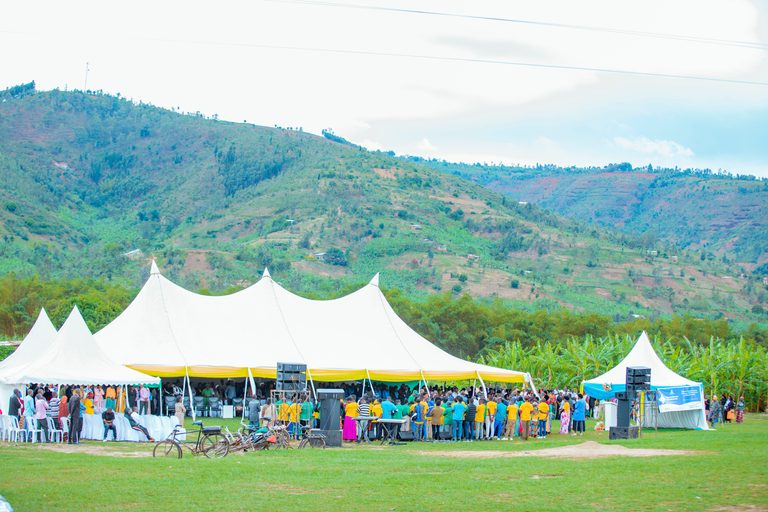
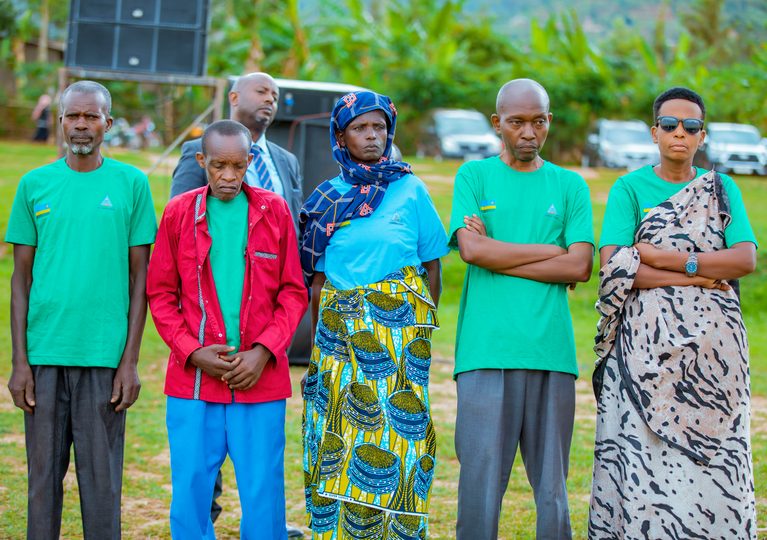
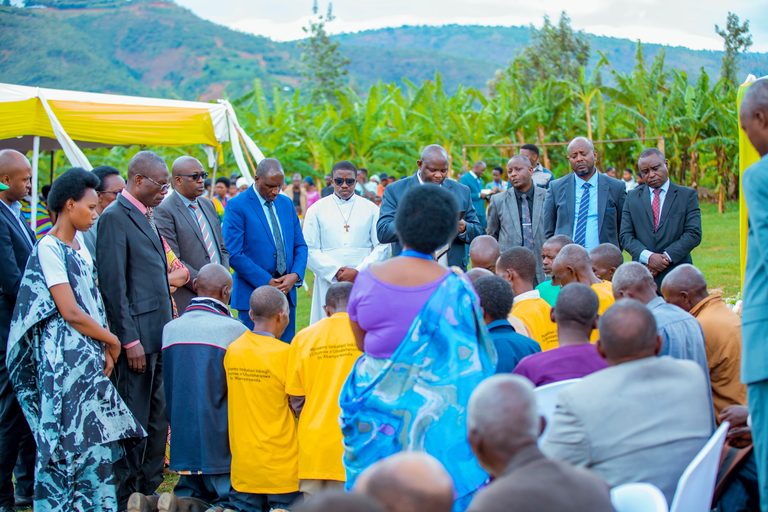
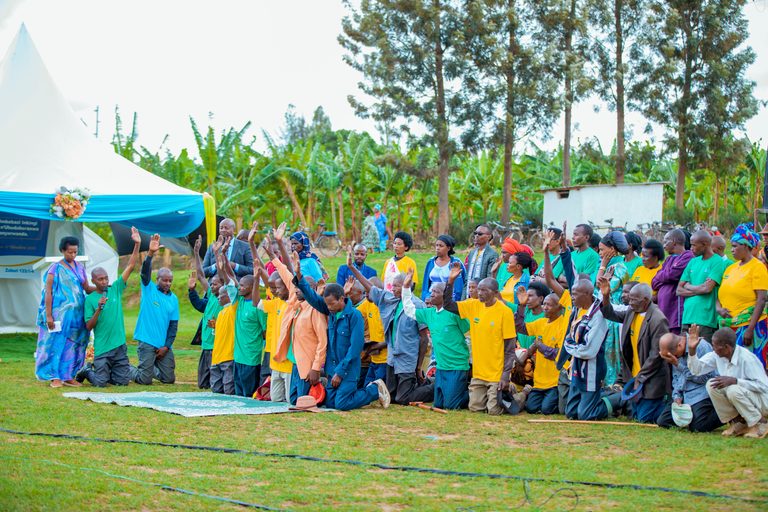
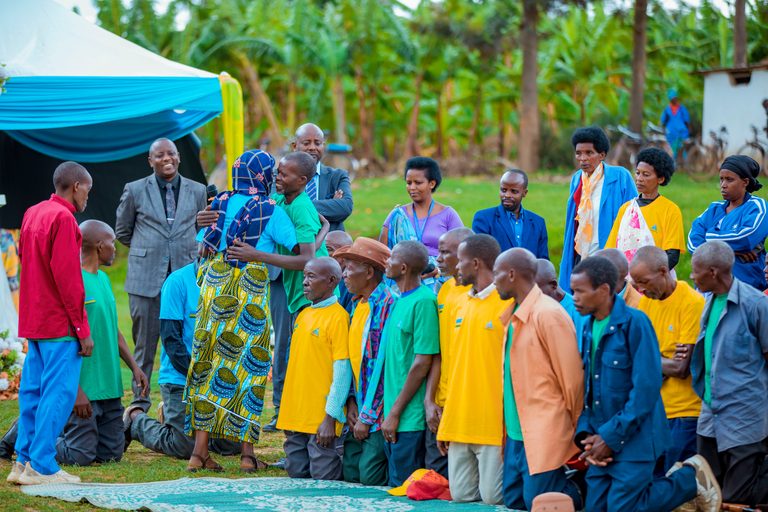
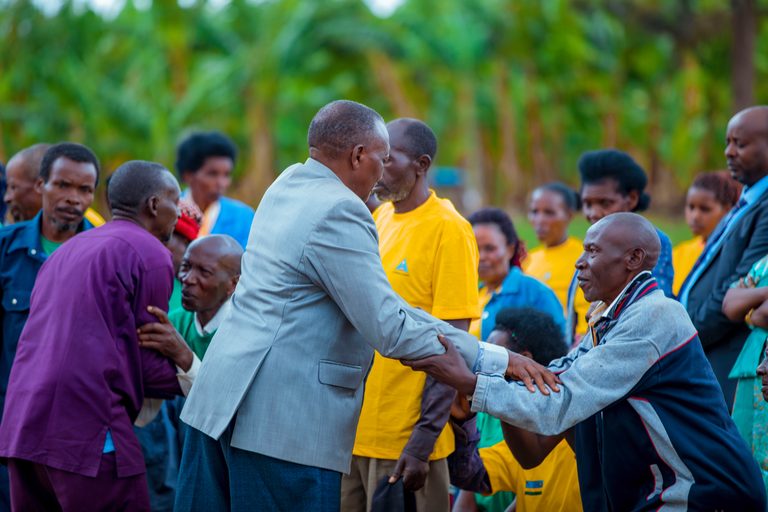
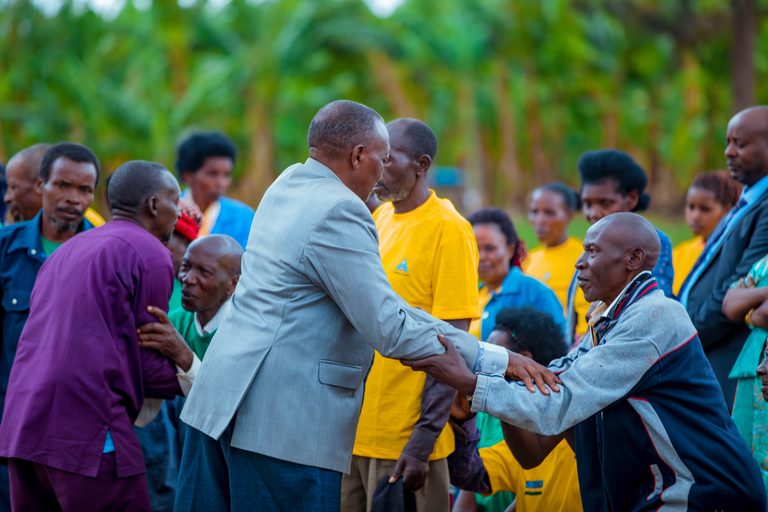
During the reconciliation event, some genocide perpetrators knelt down as they asked survivors for forgiveness, saying they felt relieved and were committed to living peacefully with those they had wronged. The survivors accepted their apologies, and the two groups embraced.
A woman from Rubona Cell, Shyorongi Sector, whose parent was killed during the Genocide, said she had been able to forgive the perpetrators because they had humbled themselves and sincerely asked for forgiveness.
“You cannot kill my parents and expect me to forgive you. But because you have knelt down and asked for forgiveness, we have granted it,” she said.
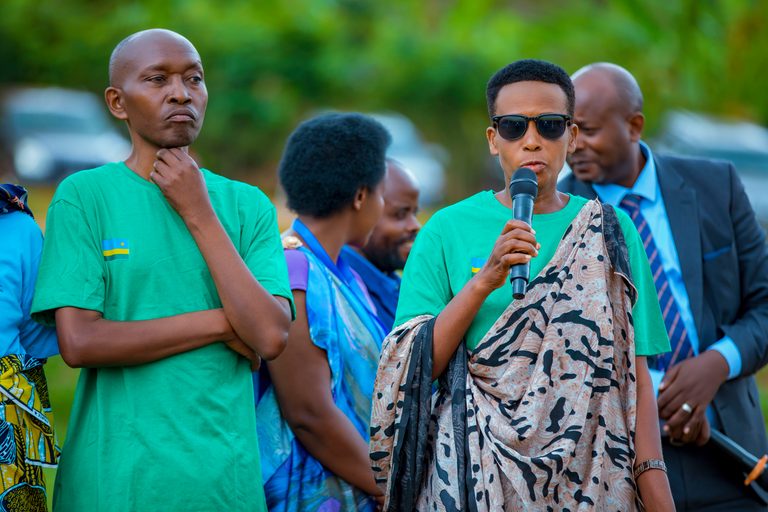
Murebwayire Alphonsine, President of IBUKA in Rulindo District, commended those who had chosen reconciliation, saying Rwandans should work towards building a country free from hatred and genocide ideology.
However, she warned that some parents continue to instil divisionism and genocide ideology in their children. She called for continued education to promote peaceful coexistence.
“Even today, we still have irresponsible parents who continue to plant hatred in their children, including divisionism and genocide ideology. It is therefore our responsibility to continue teaching our children about love and peaceful coexistence. We must also explain the true history of the Genocide against the Tutsi, starting with what happened in our own communities,” she said.
She stressed that children should be told the truth and properly educated so they can challenge those who attempt to distort the country's history, particularly the history of the 1994 Genocide against the Tutsi.
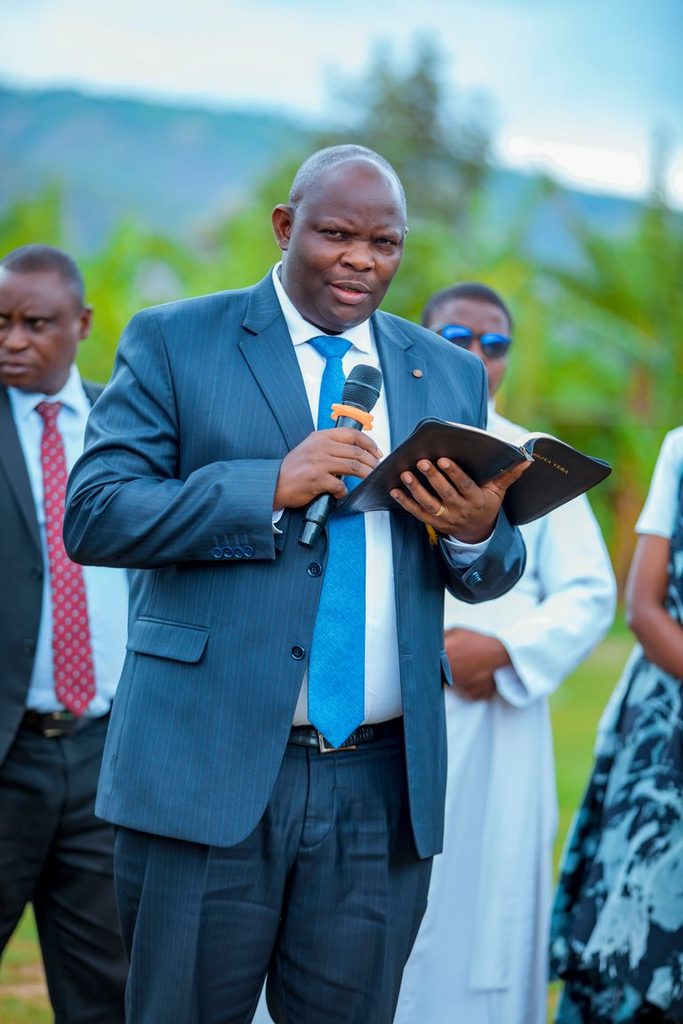
Senior ADEPR Pastor Ndayizeye Isaie said that 632 people had reconciled through the programme nationwide in October alone, bringing the total number for the year to 982.
“These are activities we started in 2021. Today, we are pleased with the results of the discussions we have conducted. More than 6,000 people have now gone through this process, and they are living peacefully, contributing to development and rebuilding their families,” he said.
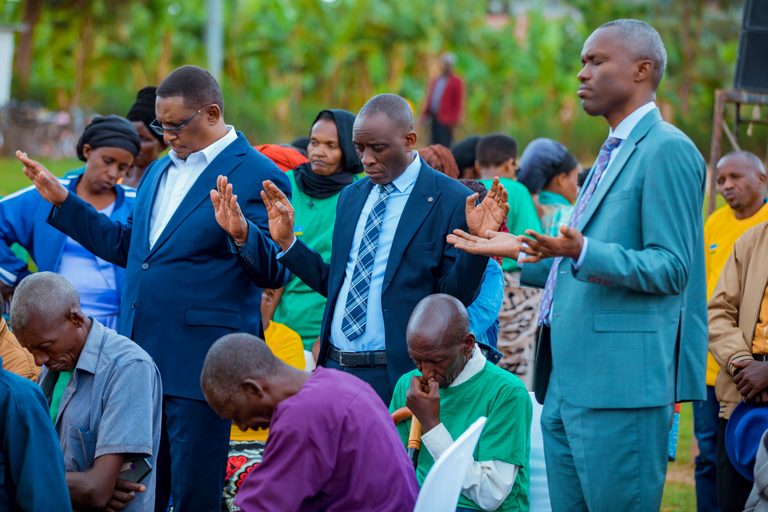
Pastor Ndayizeye said the number was still relatively low, calling on ADEPR pastors to work with local government authorities to continue educating genocide perpetrators who have been released from prison and survivors, with the aim of strengthening reconciliation and peaceful coexistence.
Loading comments...
Leave a comment