



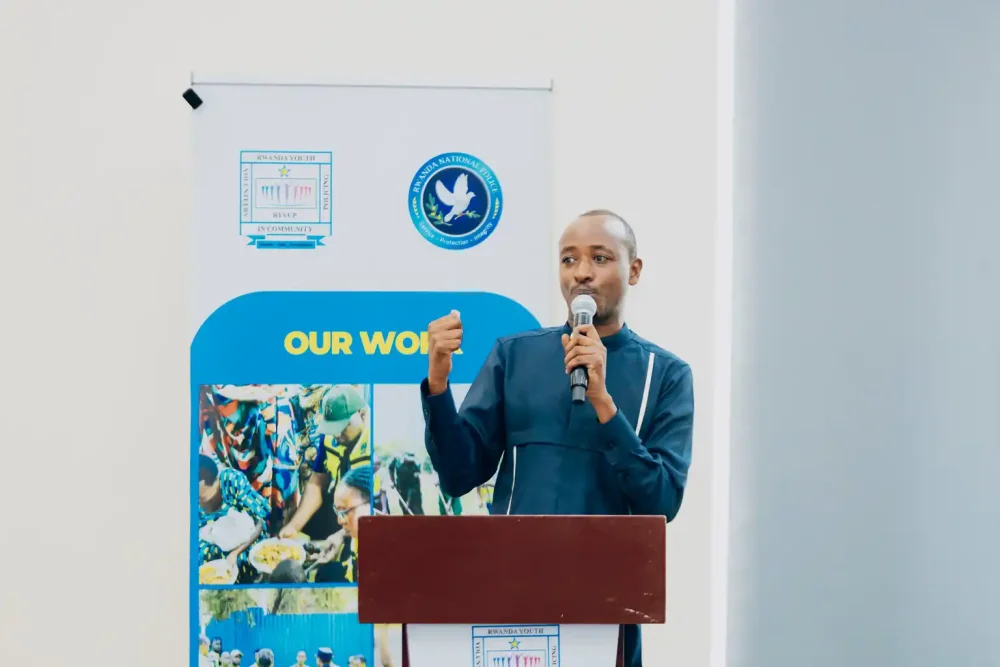
He made the call on July 31, 2026, during a general assembly that brought together youth volunteers from across Kigali City.
Dusengiyumva urged the volunteers to work closely with authorities and communities to identify and report people involved in the production and distribution of illicit alcoholic drinks, which have been linked to serious health consequences and deaths.
Some of the illicit drinks are commonly known by names including Dundubwonko, Yewe Muntu, Umumanurajipo, Bareteta, Akajinga and Beyurawihe.
Health officials have raised concerns about the substances reportedly used in producing some of these drinks.
Antoine Hagenimana, an official in the Mental Health Division at the Rwanda Biomedical Centre (RBC), said some illicit alcoholic drinks may contain substances such as Pakmaya yeast, brick powder, excessive amounts of sugar, tobacco, and methanol among others.
Methanol is an industrial chemical that can be highly toxic when ingested.
“Methanol added to these alcoholic drinks acts like a poison that can kill quickly. It can damage the brain and cause the kidneys to stop functioning. This is why someone may appear healthy and then suddenly die after consuming such drinks,” Hagenimana said.
The effects of excessive consumption are not limited to deaths.
Some people reportedly collapse in streets, drainage channels and on embankments after becoming heavily intoxicated, raising concerns about both public safety and the wider impact of substance abuse on communities.
During the meeting, Dusengiyumva showed the volunteers photographs of people lying intoxicated on roads and used them to illustrate the consequences of alcohol abuse.
He told the volunteers that combating illicit alcohol was part of Kigali City’s priorities and urged them to overcome fear when reporting suspected cases.
“Have you seen the pictures? Is this the future we want? You have been trained, and now we are going to share responsibilities. We recently committed ourselves to ensuring that such scenes no longer appear in Kigali City, and you are the ones who will help make that happen. You know where these drinks are produced because you live in these communities. You must overcome fear and report what you see,” Dusengiyumva said.
Drug abuse remains another concern
The campaign against illicit alcohol comes amid broader concerns over substance abuse.
According to the RBC, substances being abused include cannabis, tobacco, cocaine, rwiziringa, as well as substances administered through injections.
The health institution identifies several factors that can contribute to substance use, including peer pressure, curiosity, loss of hope, limited communication between young people and their parents, family conflicts and, in some cases, families that encourage or facilitate substance use.
Continued substance abuse can have serious consequences, including mental health problems, kidney complications, cancer and difficulties maintaining employment, among other effects.
Dusengiyumva reminded the youth volunteers that their responsibility goes beyond addressing illicit alcohol and includes preventing and reporting all forms of substance abuse.
The volunteers pledged to support the campaign through community awareness and timely reporting.
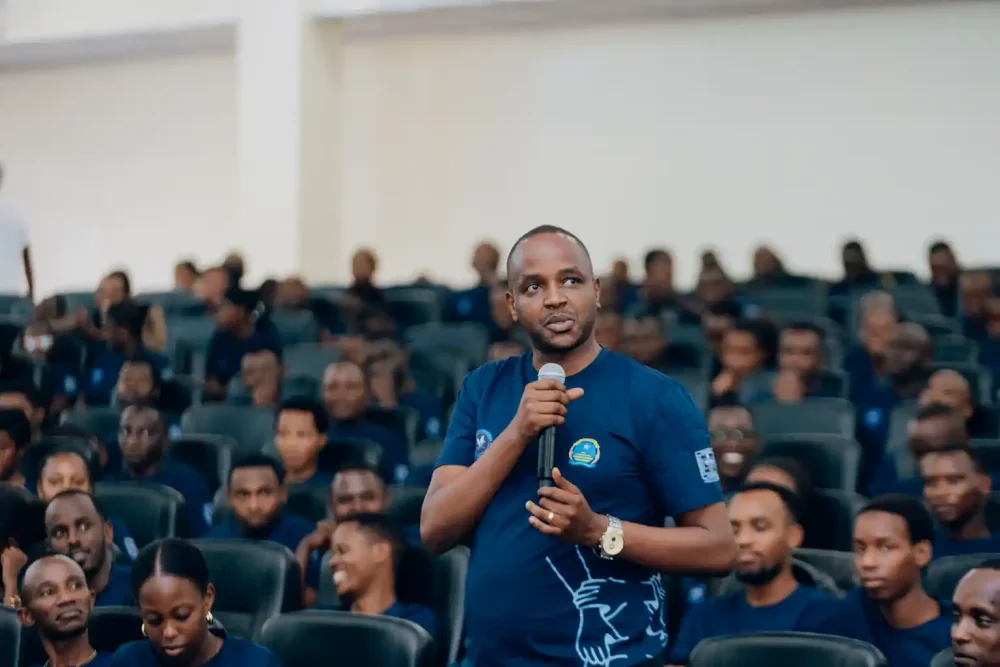
Cyiza Joseph, one of the youth volunteers, said they had recognised the threat posed by substance abuse to Rwanda’s development.
“We have seen that drug abuse is a serious obstacle to the development of our country. We have therefore decided to engage our fellow young people through awareness campaigns and to report any cases we come across,” he said.
Cyiza also urged fellow volunteers to report cases without fear, saying their role reflects the spirit of service demonstrated by Rwandans who have dedicated themselves to protecting and developing the country.
The call comes as Kigali continues to rely on community-based initiatives and youth participation in efforts to address issues affecting public health and safety.
Loading comments...
Leave a comment