



Minister of Agriculture and Animal Resources Dr Telesphore Ndabamenye said the government has put measures in place to restore the normal supply of livestock, particularly cattle, which is expected to ease pressure on meat prices.
He made the remarks during an interview with Rwanda Broadcasting Agency (RBA) on August 11, 2026, amid a sharp rise in meat prices over the past two months.
The increase followed an outbreak of livestock diseases affecting animals brought into Rwanda, including cattle, goats and sheep. In response, authorities imposed quarantines in different parts of the country to allow infected animals to be treated and others to be vaccinated.
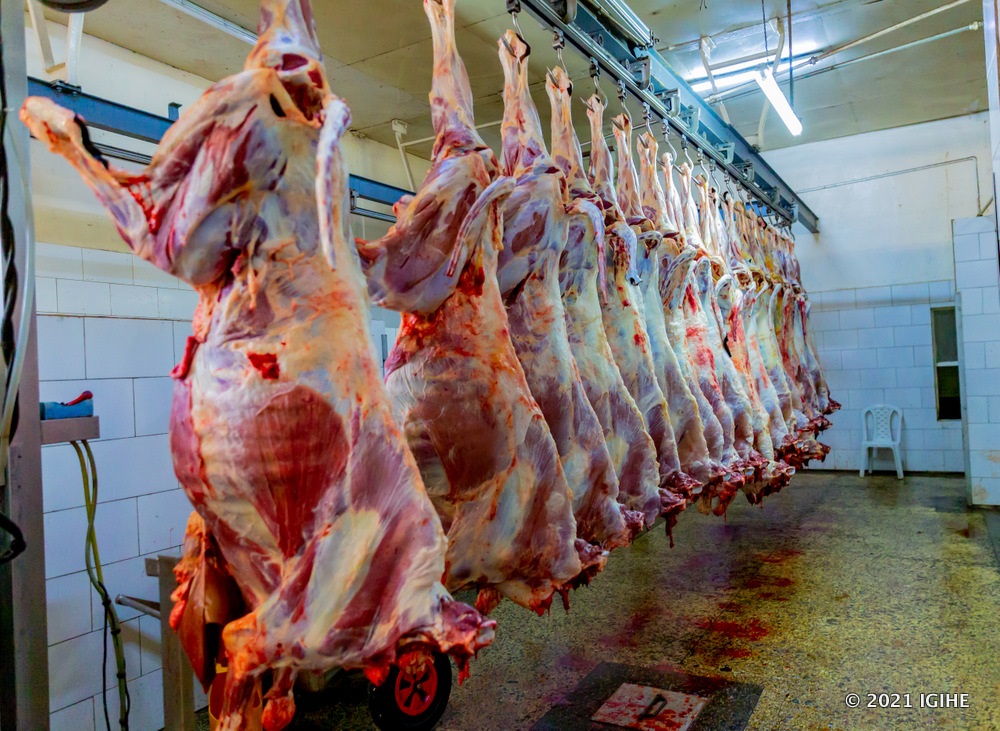
The measures reduced the supply of meat on the market, pushing prices higher. In Kigali, the price of a kilogramme of beef has nearly doubled to about Rwf13,000.
The shortage has also contributed to higher prices of other types of meat, including chicken.
However, Dr. Ndabamenye said the situation is expected to improve as vaccinated animals develop immunity and livestock gradually returns to the market.
“Controlling livestock epidemics takes time, but after about one or two months, things return to normal,” he said.
The minister explained that all livestock targeted for vaccination have now been vaccinated, although animals require about one month to develop sufficient immunity after receiving the vaccine.
The nationwide vaccination campaign was conducted in June and July 2026. By the end of August, animals vaccinated later in the campaign will also have completed the required period for developing immunity.
Dr. Ndabamenye said the government is also looking beyond cattle to address the wider shortage of meat, including increasing the production of smaller livestock, particularly poultry.
He noted that chicken consumption has increased significantly in recent months, making increased poultry production an important part of efforts to boost the overall supply of meat.
“We have a programme to increase the number of small livestock, particularly chickens, because people have been consuming them heavily in recent days. Increasing their numbers would help supplement beef supply,” he said.
He added that the government plans to increase investment in livestock production to ensure that future disease-control measures do not result in meat shortages.
“People can be assured that the meat prices we are seeing today will gradually come down as livestock becomes available following the vaccination programme we have carried out,” he said.
The latest figures from the National Institute of Statistics of Rwanda (NISR) show that consumer prices increased by 0.9% in July 2026 compared with June 2026.
The increase was largely driven by a 1.5% rise in prices of food and non-alcoholic beverages and a 1.3% increase in transport-related costs.
Loading comments...
Leave a comment