



NCHR Vice Chairperson Thaddée Tuyizere made the remarks on Tuesday, September 29, 2026, while officially opening a five-day training focused on rehabilitation, behavioural reform and the reintegration of offenders into society.
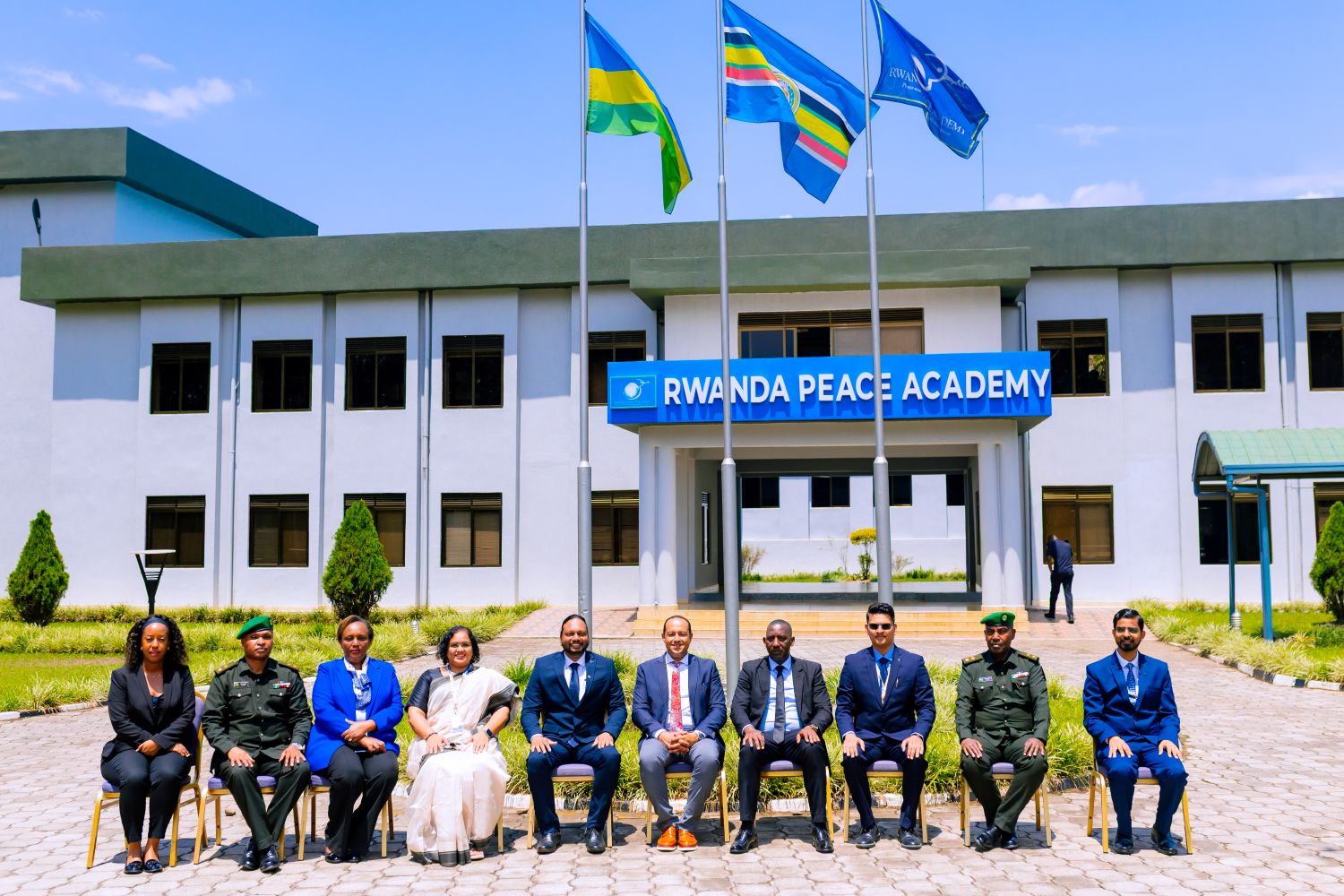
The training is being held at the Rwanda Peace Academy in Nyakinama, Musanze District, and has brought together representatives from various institutions involved in the justice and rehabilitation process.
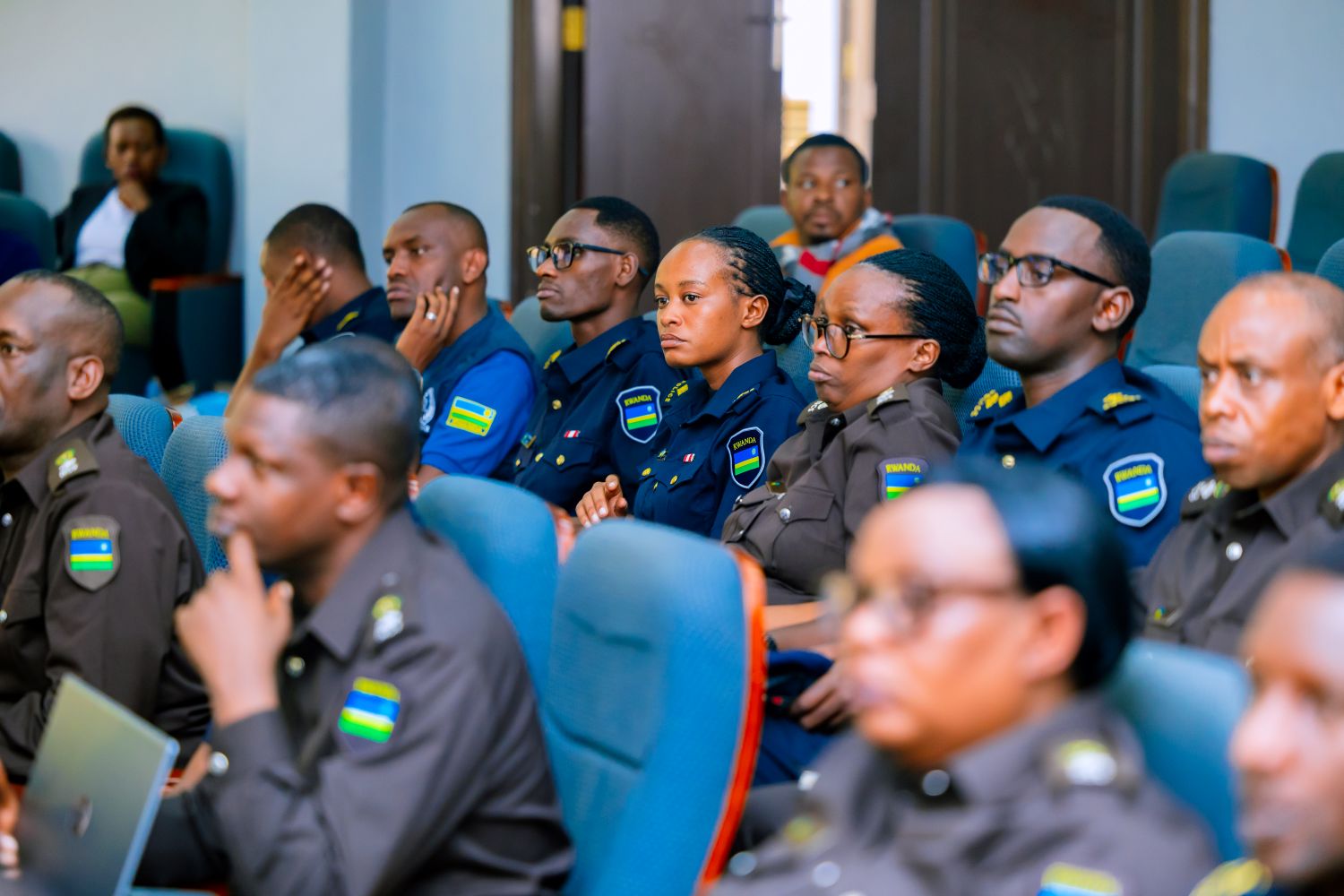
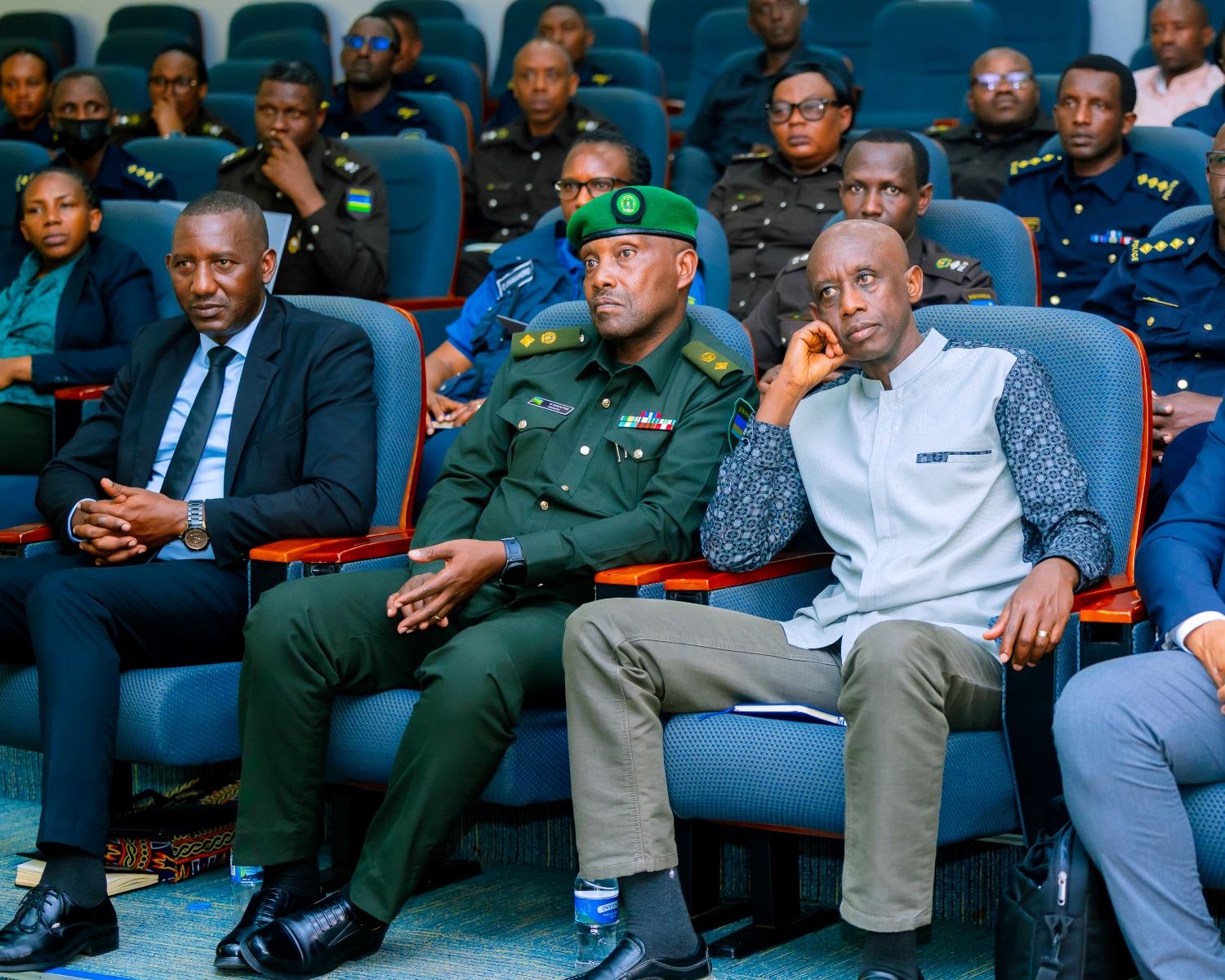
Participants include representatives of the Rwanda Defence Force (RDF), the National Rehabilitation Service (NRS), Rwanda National Police, the Rwanda Investigation Bureau (RIB), the Office of the Prosecutor General, and the Military Prosecution.
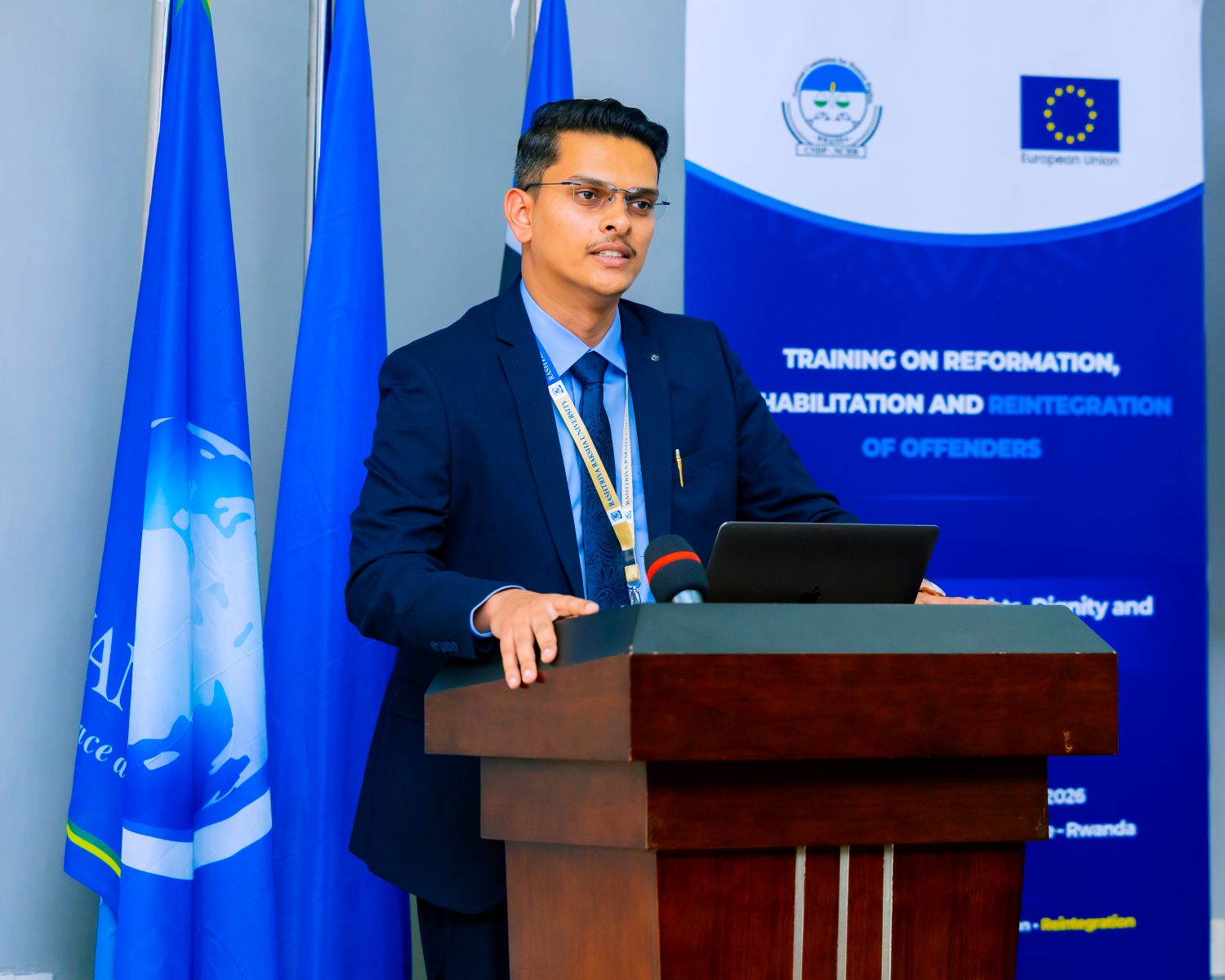
According to NCHR, the training is being organised in partnership with the Delegation of the European Union to Rwanda, through a project aimed at strengthening the promotion and protection of human rights in Rwanda, and India’s Rashtriya Raksha University (RRU).
The five-day programme is intended to strengthen participants’ knowledge and practical skills in behavioural reform, rehabilitation and the reintegration of offenders while promoting respect for human rights.
NCHR said the training also seeks to promote effective rehabilitation, prevent torture and other forms of abuse, and support offenders in successfully returning to society.
Speaking to IGIHE, Tuyizere said the participation of different institutions was important because rehabilitation, behavioural reform and reintegration involve several stages of the justice process.
“Police play a role in preventing crime, arresting suspects and ensuring respect for human rights during detention and investigations. RIB is responsible for investigations, so the way it conducts investigations and treats and questions suspects contributes to justice and behavioural reform,” he said.
He added that the prosecution service plays a role in decisions concerning criminal cases and in prosecuting cases, which can influence the course of an individual’s life after conviction.
The rehabilitation service, meanwhile, plays a key role in helping people who have demonstrated behaviour harmful to society to reform and prepare for their return to the community.
NCHR also highlighted the role of institutions responsible for inmates and offenders, as well as other services involved in their rehabilitation, including education, healthcare, vocational training and other programmes designed to prepare them for reintegration.
The Commission has called on all stakeholders to respect human rights while recognising that rights are accompanied by responsibilities.
“The training brings these institutions together so that they can develop a common understanding, work more closely together and implement a comprehensive approach to behavioural reform, rehabilitation and the reintegration of offenders while respecting human rights and international standards,” Tuyizere said.
He said the approach would help reinforce the understanding that rehabilitation begins during investigation and judicial proceedings, continues throughout the period of punishment and extends to the period of reintegration into society.



Loading comments...
Leave a comment