




MINEMA data shows that 8,905 Rwandans had already been repatriated before 285 more arrived on Wednesday through the La Corniche border post linking Rubavu and Goma.
More than 300 others also crossed into Rwanda through the Rusizi-Bukavu border.
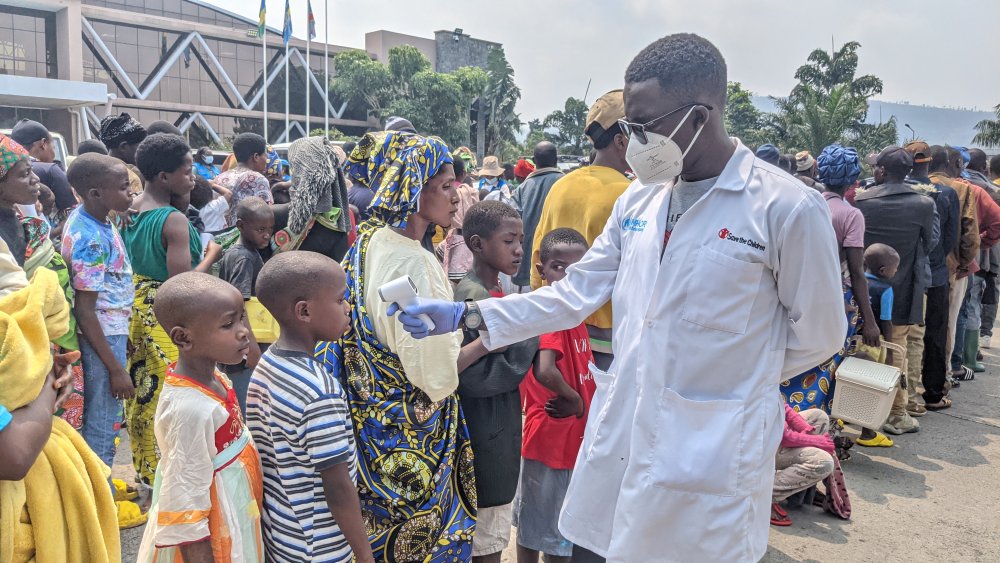
Upon arrival, the returnees were transported by buses waiting at the border to Kijote Transit Centre in Nyabihu District, where they will receive initial assistance before being reunited with their communities.
Among those who entered through the Rubavu border were 177 children, 71 women and 37 men.
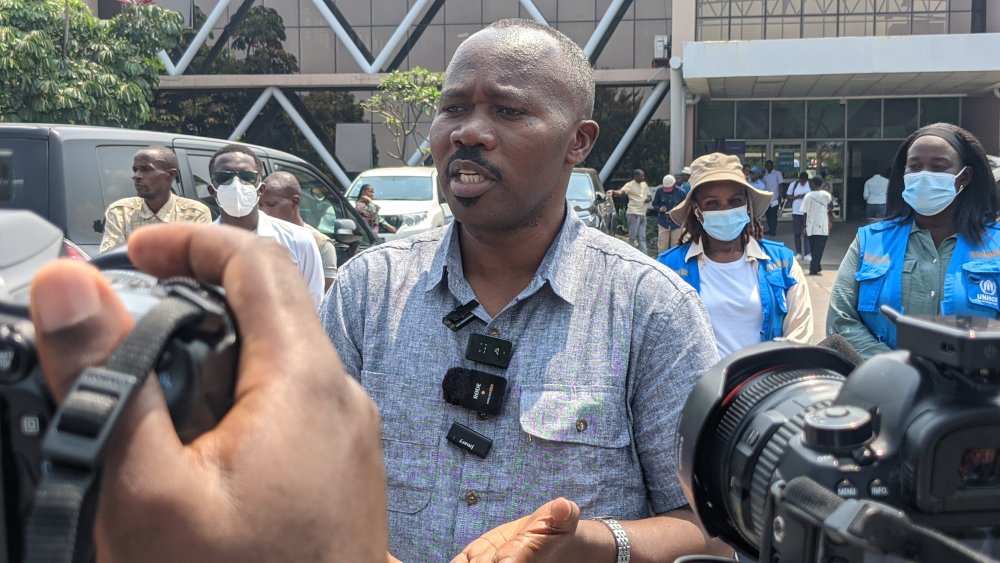
Speaking to IGIHE, François Bizumuremyi, who left Rwanda in 1994, said misinformation had kept him away from his homeland for more than three decades.
"We were constantly told to wait because nothing was happening in Rwanda and that one day we would all return together. Later, we realised we had been lied to. I decided to return home to Gikongoro, and I am ready to join fellow Rwandans in building our country," he said.
Welcoming the returnees, Rubavu District Mayor Prosper Mulindwa urged them to embrace their Rwandan identity and avoid the divisions that had forced many into exile.
He noted that many had lived difficult lives as refugees through no fault of their own and reminded them that ethnic division was one of the factors that had driven people from the country.
"You did not choose to live as refugees, and you did not live well there. Some people fled without even understanding why. Embrace your Rwandan identity and stay away from the divisions that led to your displacement because they did not bring you a better life," he said.
Mulindwa assured the returnees that the government would continue to support them throughout the reintegration process and provide assistance to help them rebuild their lives.
Each returnee aged 18 and above will receive an initial reintegration grant of US$188, while those under 18 will receive US$113. In addition, every returnee will receive basic food supplies valued at Rwf45,000 to support their resettlement.

Loading comments...
Leave a comment