



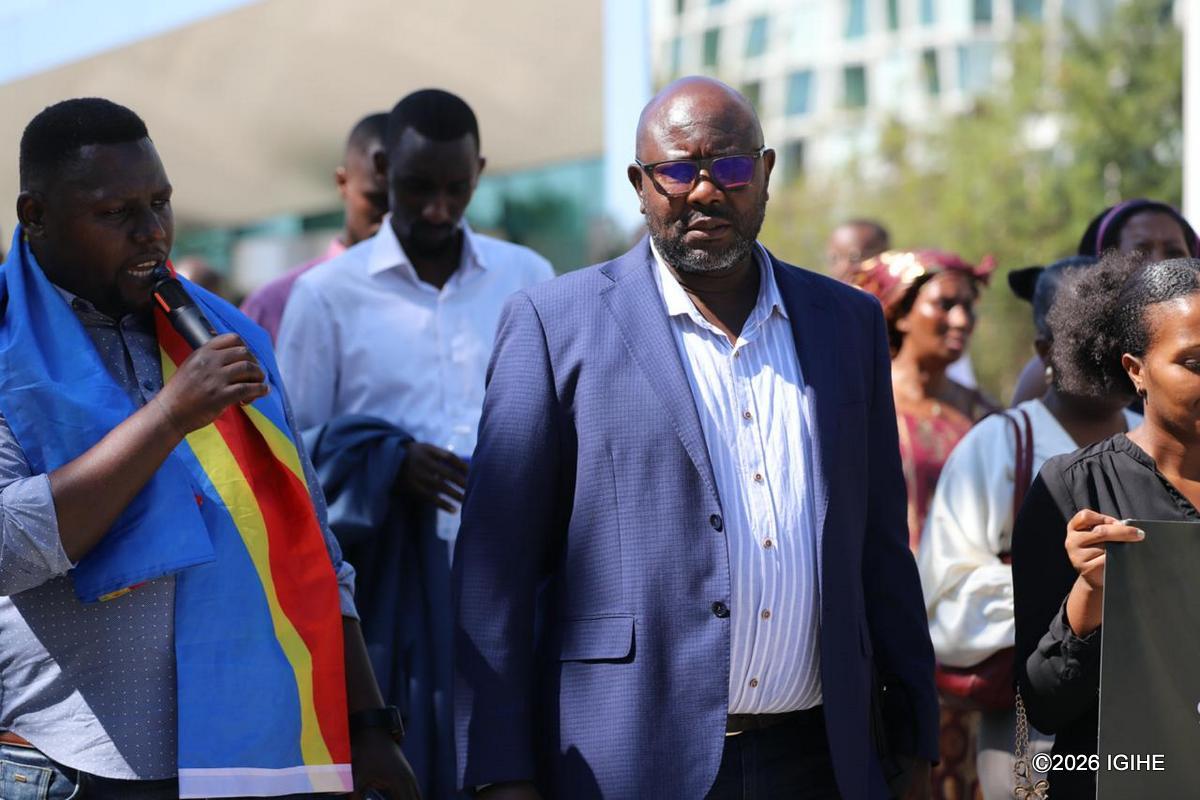
Speaking during activities to denounce international silence held in The Hague on Friday, Shomongo called for justice for victims of violence, greater recognition of alleged abuses and peaceful coexistence among communities in the Great Lakes region.
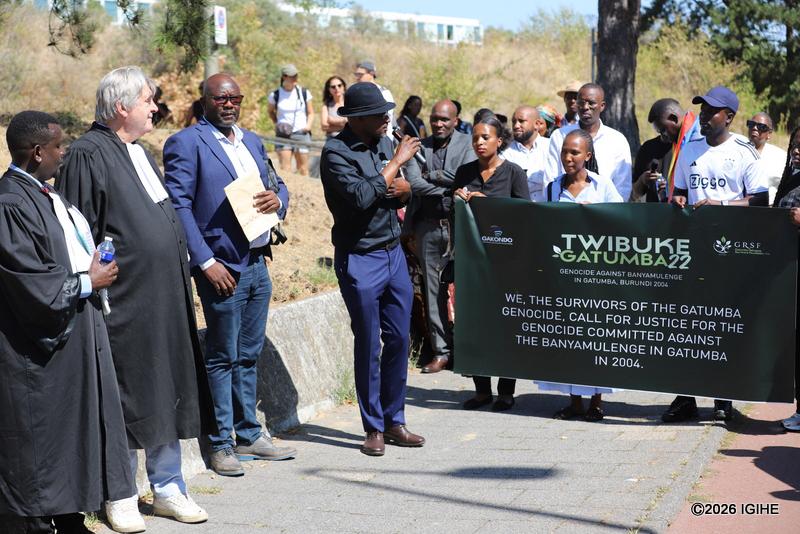
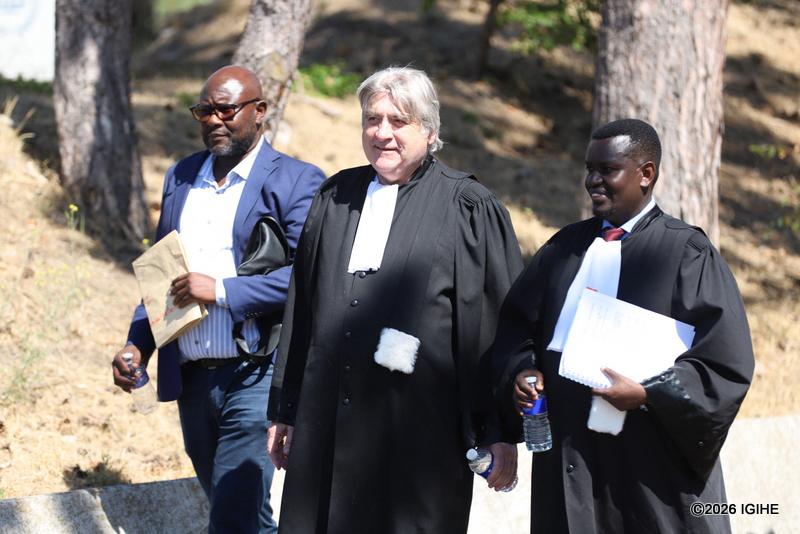
The activities included a march before the International Criminal Court (ICC) and a commemorative ceremony marking the August 13, 2004 massacre at the Gatumba refugee camp in Burundi, where Banyamulenge refugees were attacked.
Shomongo said the initiative at the ICC was organized by members of civil society and the diaspora to draw the attention of international justice institutions to what he described as violence against the Banyamulenge population.
“We acted as responsible citizens, as a people and as a population,” he said, arguing that what he considered the international community’s silence had left affected communities with little choice but to take action and demand justice.
Calls for investigations and accountability
Shomongo said violence affecting the Banyamulenge deserves greater attention from the international community and called for thorough investigations to establish the facts and determine individual responsibility.
“We are asking for justice, nothing else,” he said.
He particularly criticized the United Nations and the European Union, which he accused of failing to adequately address or document reports of violence in the Minembwe area.
He also raised concerns about the work of some human rights organizations operating in the region, saying they had not sufficiently documented alleged abuses against Banyamulenge communities.
Shomongo said documentation of alleged violations is essential if victims are to have a chance of obtaining justice. He said members of civil society have travelled to difficult-to-access areas to gather information and document what they describe as conditions on the ground.
Remembering the Gatumba massacre
The activities in The Hague also included a ceremony commemorating the victims of the August 13, 2004 massacre at Gatumba, Burundi.
Banyamulenge refugees living at the Gatumba refugee camp were attacked on that day, leaving over 160 people dead and many others injured.
For Shomongo, the commemoration was an opportunity to remember the victims and draw attention to what he considers an inadequate response to crimes committed in the Great Lakes region.
He said the lack of what he views as sufficient judicial action has contributed to a continuing sense of injustice among survivors and their communities.
Allegations over the situation in Minembwe
Shomongo also raised concerns about the security and humanitarian situation in Minembwe, referring to the presence and activities of foreign forces on Congolese territory.
He alleged that certain actions had contributed to isolating the local population and worsening the humanitarian situation.
Shomongo described some of the alleged actions as “acts of genocide” and called for competent judicial authorities to investigate the claims.
The allegations reflect Shomongo’s views and have not been established through a judicial process. Any legal determination would require an independent examination of the facts and evidence and the establishment of individual responsibility in accordance with international law.
Calling for peaceful coexistence
Alongside his calls for justice, Shomongo emphasized the need for peace and coexistence among communities in the Great Lakes region.
“We want people to live in peace. We want people to live together,” he said.
He called for an end to hate speech and ethnic violence, which he described as major obstacles to peaceful coexistence.
According to Shomongo, communities in the region share historical and cultural ties that extend beyond the borders created during the colonial period.
He said he wants to see a DRC where all communities can live safely and exercise their rights without facing threats because of their identity.
A campaign that will continue
Shomongo said the activities in The Hague were part of a broader campaign rather than an isolated initiative.
He said civil society organizations and members of the diaspora intend to continue documenting alleged abuses, ensuring that victims are heard and seeking accountability for those who may be responsible.
“We are here because we have no other choice,” he said.
Through the campaign, the organizers say they hope to amplify the voices of Banyamulenge communities, seek justice for victims and contribute to lasting peace in the Great Lakes region.
Loading comments...
Leave a comment