



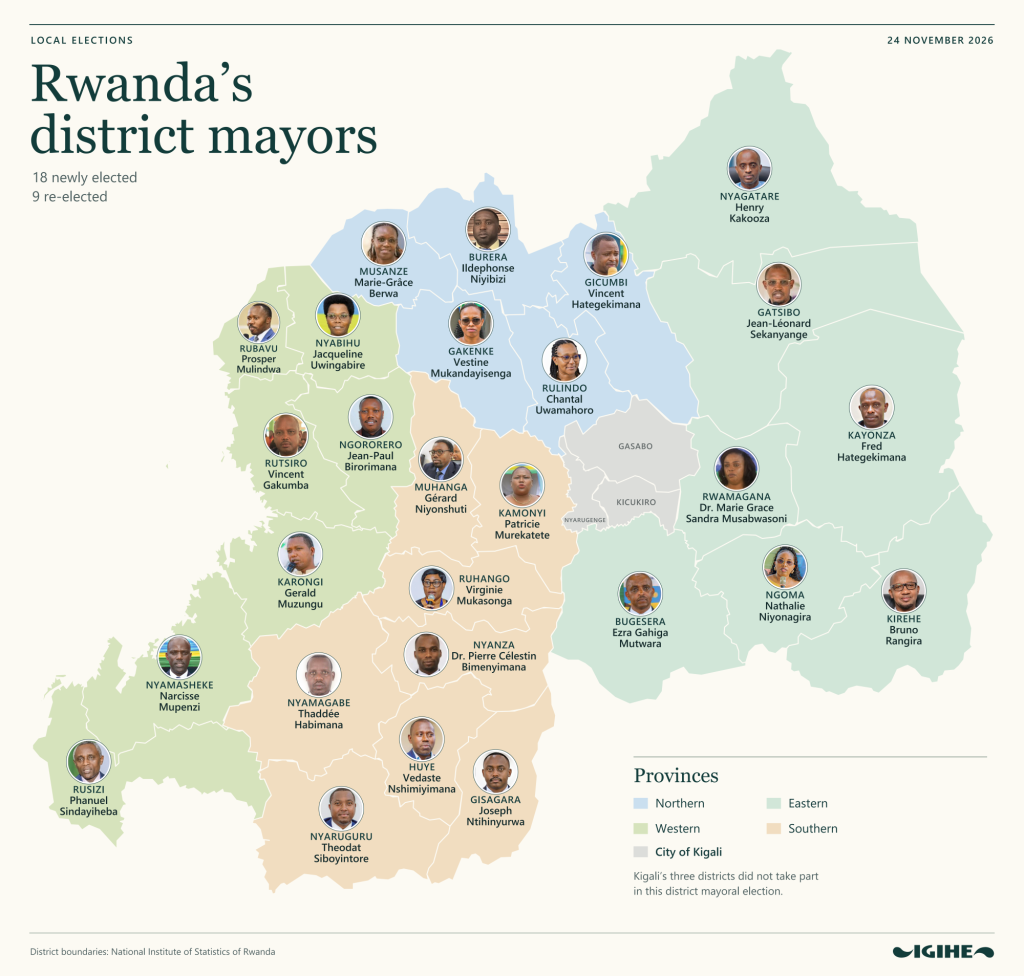
The district executive committee elections held on Tuesday, November 24, 2026, saw 18 new mayors elected, while nine retained their positions for the 2026–2031 mandate, bringing together fresh expertise and years of administrative experience.
Of the 27 mayors elected across the country’s four provinces, eight are women, representing 29.6%, while 19 are men, accounting for 70.4%. These figures exclude the three districts of the City of Kigali.
While some of the elected leaders are transitioning from specialised professions into local government, others are taking on greater responsibilities after years of serving within decentralised administrative structures.
A closer look at their professional journeys reveals the wealth of experience they bring to district leadership.
From university lecture halls to district offices
One of the most notable features of the elections is the number of professionals drawn from higher education institutions, particularly in the Southern Province.
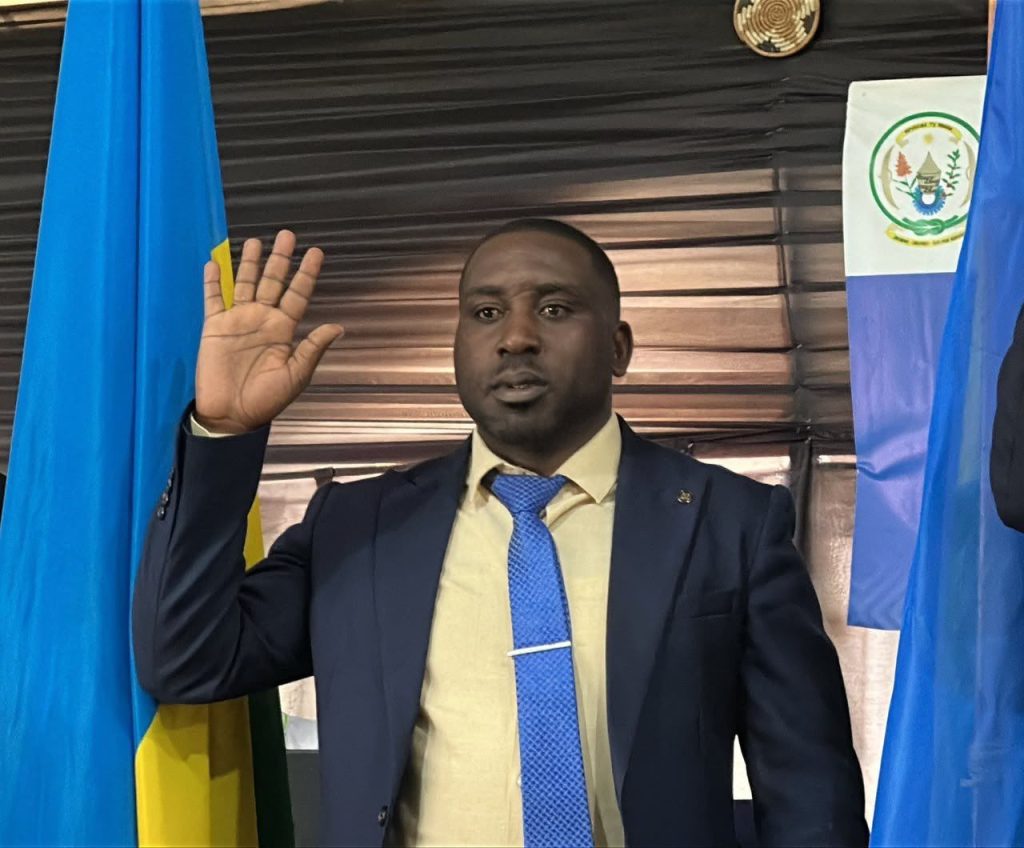
Among them is Dr Pierre Célestin Bimenyimana, elected to lead Nyanza District. A specialist in humanities and social sciences, he previously lectured at the University of Rwanda and advised its deputy vice-chancellor in charge of academic affairs and research.
Muhanga elected Eng. Gérard Niyonshuti, who had served as manager of the university’s Assets and Services Management Division since February 2020.
Similarly, Nyaruguru’s Theodat Siboyintore previously lectured at the University of Rwanda and served as president of IBUKA in Huye District.
In Ruhango, Virginie Mukasonga brings 19 years of experience in education and development. She previously served as dean of student affairs, assistant lecturer and staff representative on the University of Kigali’s governing body.
The transition from academia extends to Rwamagana, where Dr. Marie Grace Sandra Musabwasoni, a midwife and nurse educator with over a decade of experience at the University of Rwanda, succeeds Radjab Mbonyumuvunyi, who completed two terms.
Bringing specialised expertise to local development
Beyond academia, the incoming leadership includes professionals with experience in agriculture, financial management and development planning.
Gicumbi’s Vincent Hategekimana has worked extensively in the tea industry, including managing Services Company Outgrower Nyaruguru (SCON Ltd) and working with tea factories such as Mulindi. He holds a master’s degree in development studies.
In Ngororero, Jean-Paul Birorimana takes charge of a district where he previously headed the planning department. He holds a postgraduate qualification in project management.
Burera’s Ildephonse Niyibizi has similar qualifications and previously oversaw budgeting and planning at Muhabura Integrated Polytechnic College (MIPC).
The same institution features in the professional background of Musanze’s Marie-Grâce Berwa, who served on its governing board.
Meanwhile, Rulindo’s Chantal Uwamahoro brings experience in public financial oversight, having previously worked as an auditor at the Ministry of Finance and Economic Planning.
Building on years of public service
For other newly elected mayors, the elections mark another milestone in careers built within local government.
Huye’s Vedaste Nshimiyimana served as the district’s executive secretary for approximately 16 years before assuming other administrative responsibilities, including serving as executive secretary of the Southern Province.
Bugesera’s Ezra Gahiga Mutwara previously served as executive secretary of Nyarugenge District and director of planning in Ngoma.
He succeeds Richard Mutabazi, who completed two terms, as Bugesera undergoes significant infrastructural transformation, including the construction of a new international airport.
Kamonyi’s Patricia Murekatete previously served as executive secretary of Kagarama Sector, while Gisagara’s Joseph Ntihinyurwa headed Nyabimata Sector and previously led DASSO in Nyaruguru.
Jean-Léonard Sekanyange and Thaddée Habimana were elected to lead Gatsibo and Nyamagabe, respectively, after serving as vice-mayors in charge of economic development.
Rutsiro’s Vincent Gakumba brings experience from the security sector, having previously headed the National Intelligence and Security Service (NISS) in the Western Province.
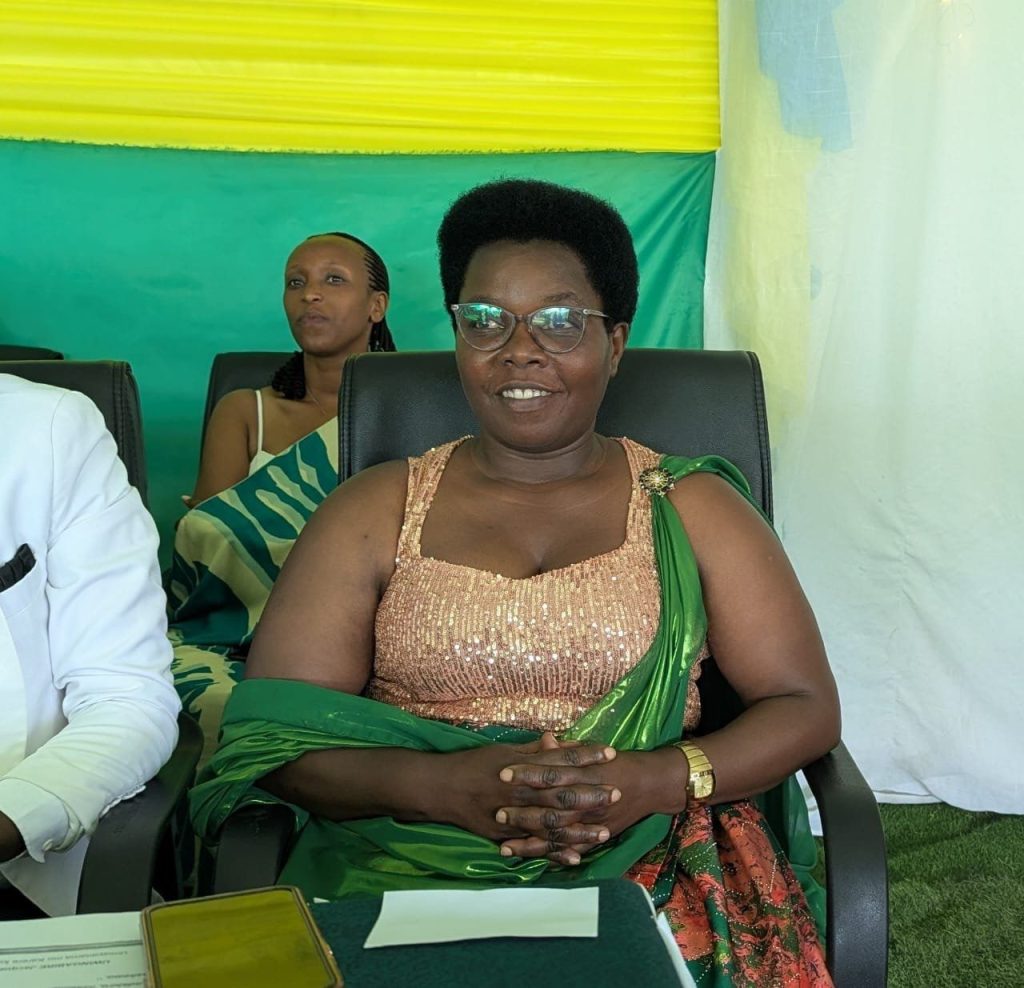
In Nyabihu, Jacqueline Uwingabire succeeds Antoinette Mukandayisenga, taking charge of a district facing challenges in implementing its development targets.
Nine mayors retain their positions
While several districts welcomed new leaders, nine retained their mayors, providing continuity within their administrations.
Vestine Mukandayisenga and Prosper Mulindwa will continue leading Gakenke and Rubavu, respectively, having first been elected in December 2023.
Karongi’s Gerald Muzungu, a former two-term Mayor of Kirehe, retained his position after serving in an acting capacity since November 2024.
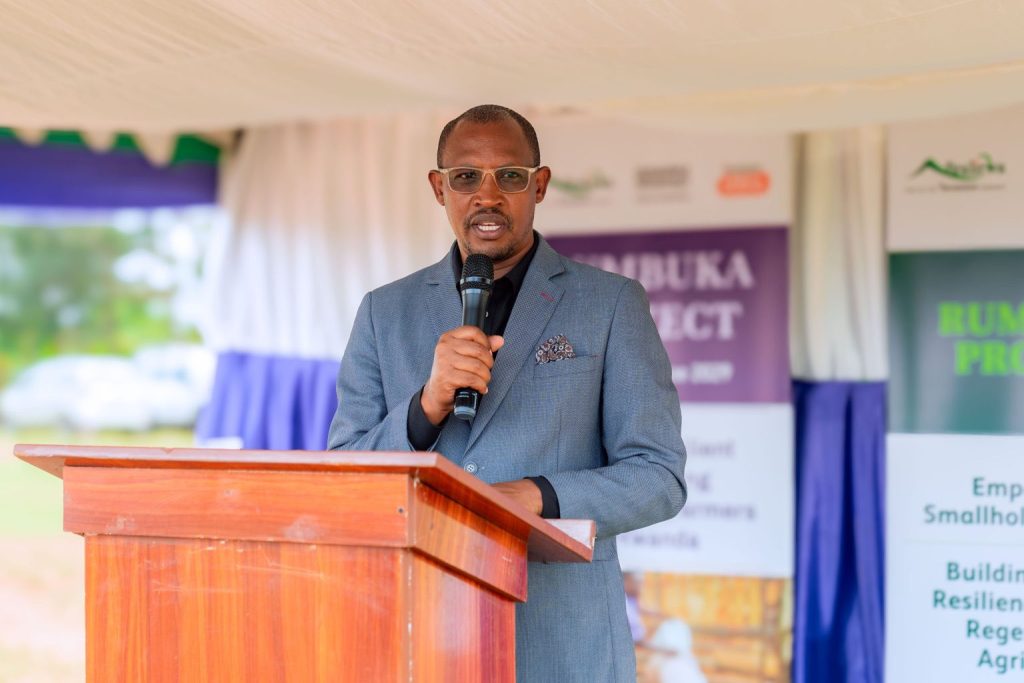
Fred Hategekimana and Henry Kakooza will continue leading Kayonza and Nyagatare, respectively, after serving as acting mayors. Both previously held district executive secretary positions.
Kirehe’s Bruno Rangira, a former City of Kigali spokesperson, secured a second term, while Nathalie Niyonagira and Narcisse Mupenzi retained their positions in Ngoma and Nyamasheke, respectively.
Rusizi’s Phanuel Sindayiheba, who first assumed office in March 2025, also retained his position. He is among the Nyange national heroes recognised for standing against ethnic divisions in 1997.
The elections also reshaped district executive committees, with new vice-mayors elected alongside several returning officials.
Together, these leaders assume office during the implementation of Rwanda’s second National Strategy for Transformation (NST2), with responsibilities ranging from improving public service delivery and infrastructure to expanding economic opportunities and improving citizens’ livelihoods.

Loading comments...
Leave a comment