



Traditionally known for agriculture, livestock farming and lakes, the district is positioning itself as a centre for international trade, transport, manufacturing, sports and tourism.
The ambitions are outlined in Bugesera District’s 2024–2050 Land Use Master Plan, which sets out how the district’s settlements, infrastructure and economic activities are expected to develop over the coming decades.
According to the 2022 Population and Housing Census, Bugesera had 551,103 residents. The master plan projects this figure will increase to 792,915 by 2035 and 1,206,500 by 2050.
Urbanisation is also expected to accelerate, with the proportion of residents living in urban areas projected to rise from 40.1% in 2022 to 85.1% by 2050, equivalent to approximately 1.03 million people.
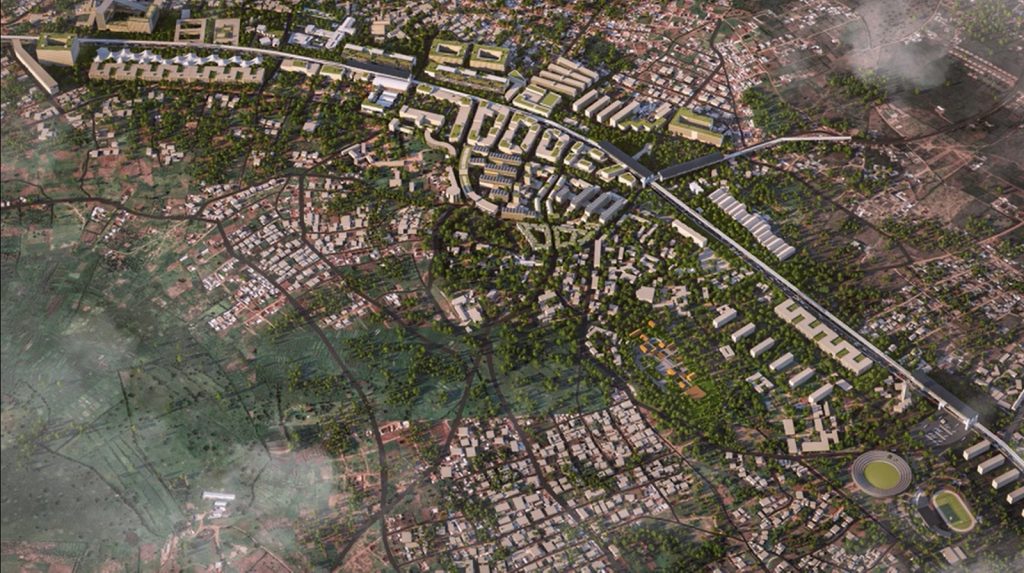
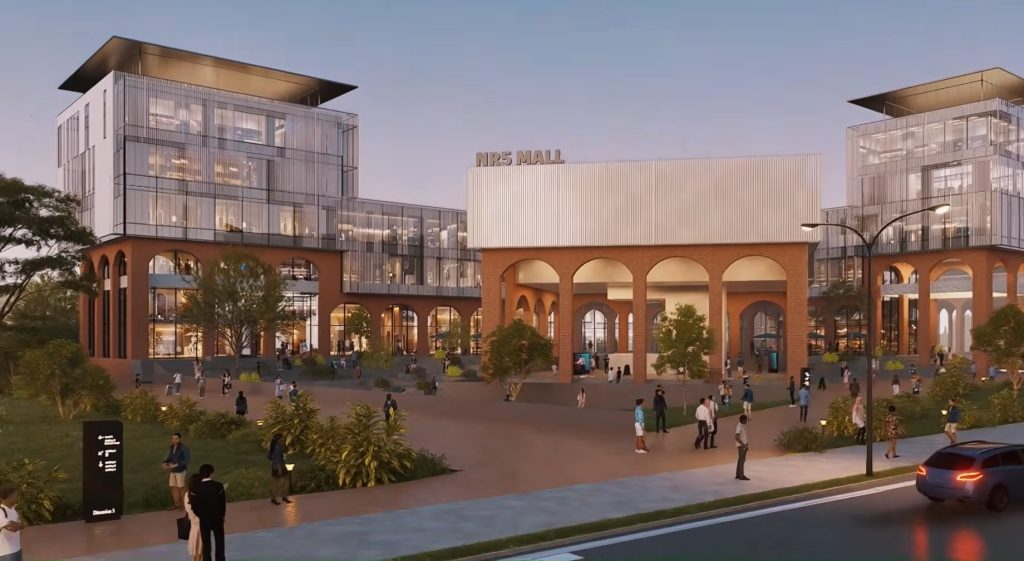
The main urban centre will comprise Nyamata and a new development surrounding the airport, covering approximately 305 square kilometres. Nyamata is expected to remain the district’s administrative and commercial centre, while the airport area will accommodate hotels, offices, warehouses, industries and international services.
Smaller urban centres are also planned in Ruhuha and Rweru, alongside 77 designated rural settlement sites.
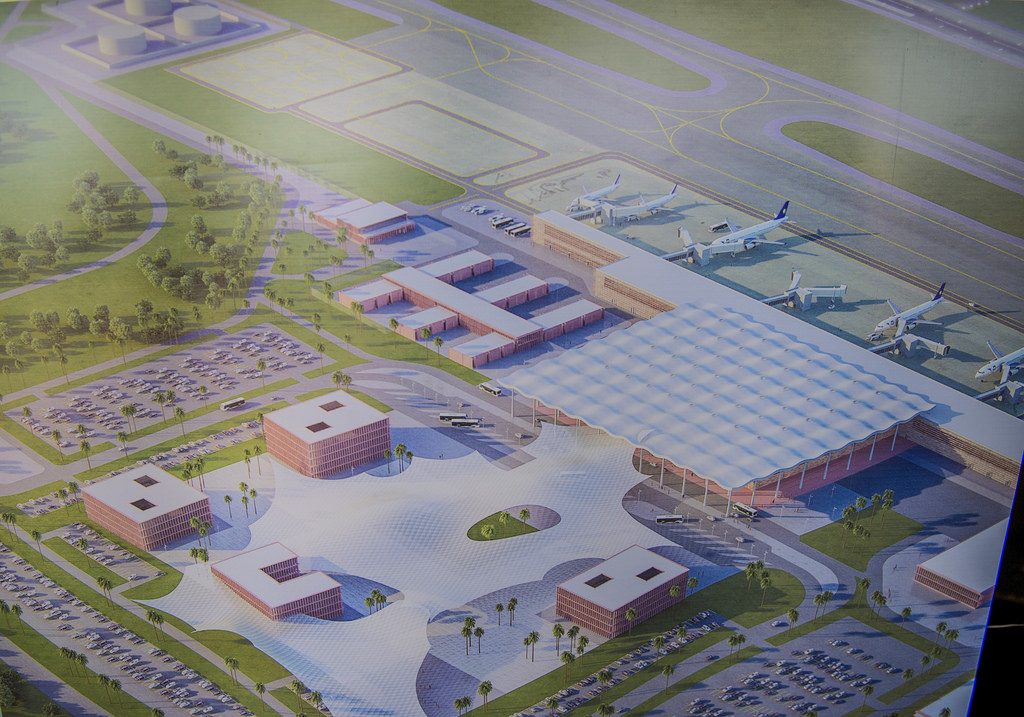
The new Kigali International Airport, expected to begin operations in 2028, is central to this transformation. Valued at approximately $2 billion, the project is being developed through a partnership involving the Rwandan Government and Qatar Investment Authority.
The airport is designed to handle seven million passengers annually in its initial phase, with capacity expected to increase to eight million before eventually reaching 14 million. It will also have the capacity to handle up to 150,000 tonnes of cargo annually.
A development known as Airport City is planned around the facility, covering more than 2,000 hectares. It will include residential buildings, hotels, commercial centres, healthcare facilities, offices, warehouses and industries, creating opportunities in cargo handling, aircraft maintenance, food processing and other aviation-related services.
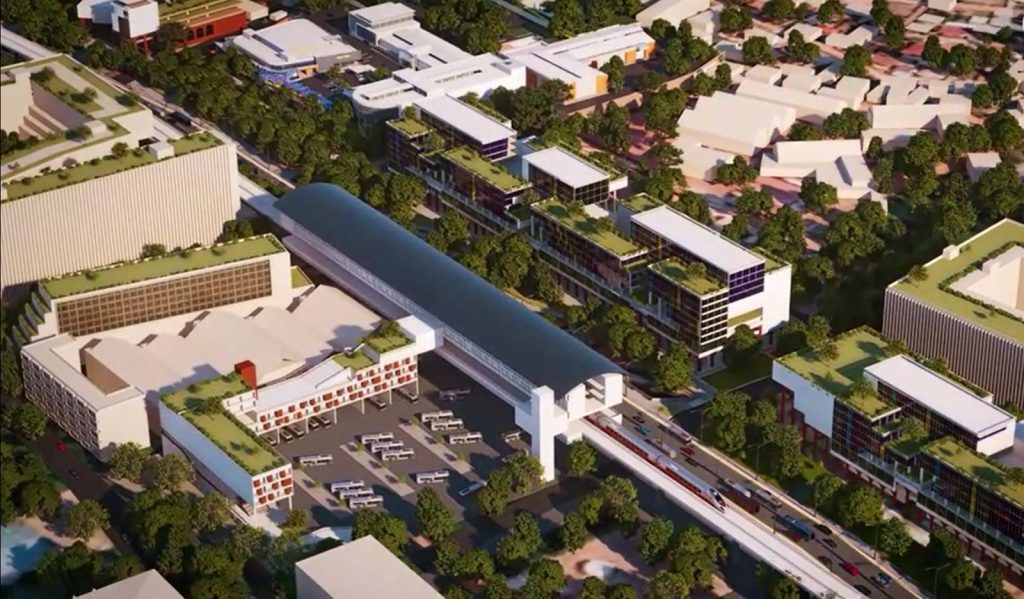
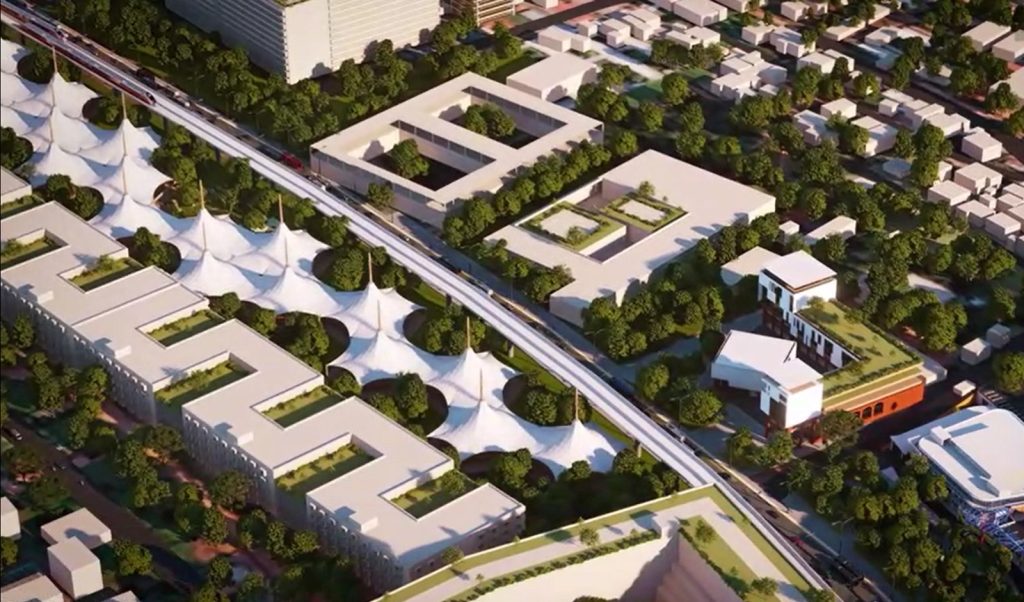
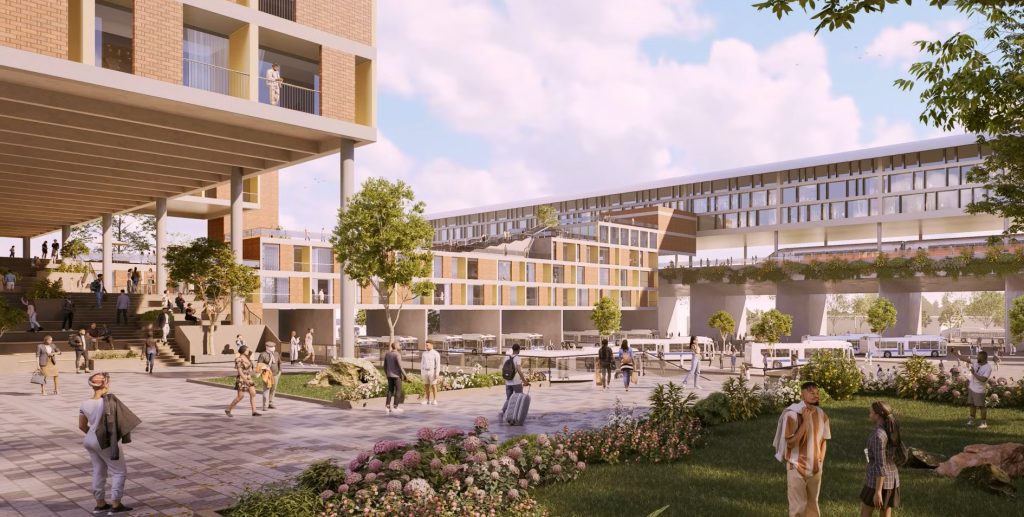
Bugesera is also expected to benefit from a proposed railway connecting Rusumo, on the Tanzanian border, to Kigali, with branches linking the network to the airport and Kigali Logistics Platform. A railway station is planned near the airport to facilitate passenger and cargo transport.
Road infrastructure is being developed alongside these plans. In October 2026, the Rwanda Transport Development Agency (RTDA) announced progress on an 11.6-kilometre road connecting the airport to the existing road network. The master plan also proposes a modern bus terminal in Nyamata estimated at Rwf4 billion, while Ruhuha and Rweru are each earmarked for terminals costing Rwf600 million.
Another major development is the proposed Formula 1 circuit. On October 13, 2026, Rwanda announced a 10-year agreement with Formula 1 organisers to host the African Grand Prix, marking the championship's anticipated return to Africa for the first time since 1993.
The circuit, planned near the airport, is expected to stretch approximately six kilometres and feature 17 corners. Preliminary designs show a track passing through an area with two hills and Lake Kidogo, with elevation changes of about 197 metres per lap.
Supporting facilities are expected to accommodate teams, spectators and visitors, while creating opportunities for hotels, restaurants, transport and entertainment businesses.
Industrial development is another pillar of the plan. Approximately 1,884 hectares are designated for industrial activities across Bugesera. The existing 100-hectare Bugesera Industrial Park is expected to expand by another 435 hectares, while Gashora is earmarked for a Special Economic Zone to attract manufacturing and trade investments.
Mwogo is planned to host a Logistics Park for storing, handling and distributing goods, potentially benefiting from a connection to the railway network.
These developments underpin projections that Bugesera could have 470,648 jobs by 2050. Trade and services, including hotels, offices, retail, transport and warehousing, are expected to account for 225,008 jobs, while other service-related activities could generate another 57,602.
Tourism will also draw on the district’s nine lakes, with Ntarama, Gashora, Rweru and Cyohoha identified as priority investment areas. Proposed activities include boating, birdwatching, water recreation and hospitality developments.
Among the projects identified are a 35-kilometre road around Lakes Rumira and Mirayi, estimated at Rwf19.6 billion, a four-star hotel in Shami valued at an estimated $35 million and a Cyohoha Water Park in Kamabuye.
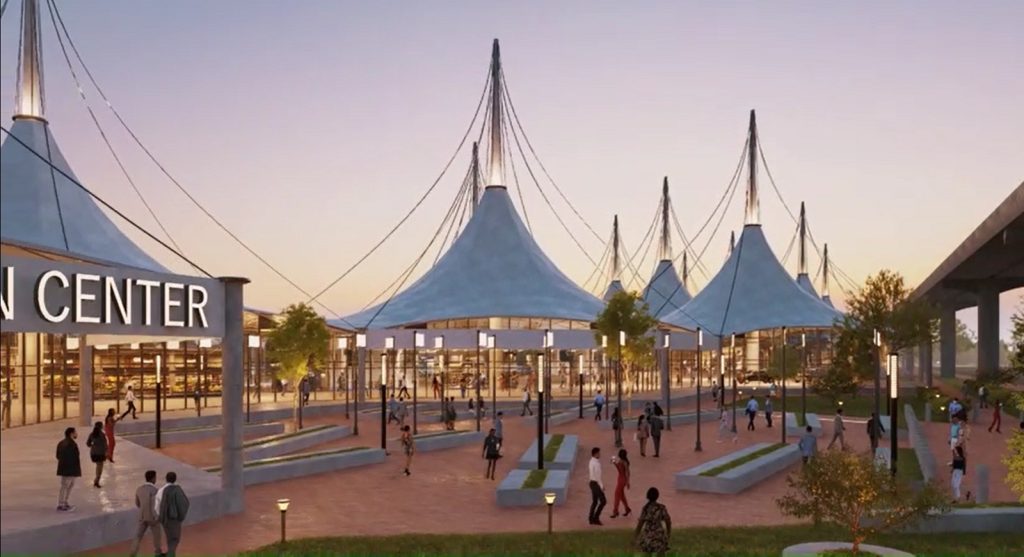
Ntarama is expected to develop as a tourism information centre, supporting visits to the Ntarama and Nyamata Genocide Memorials, birdwatching sites and cycling routes.
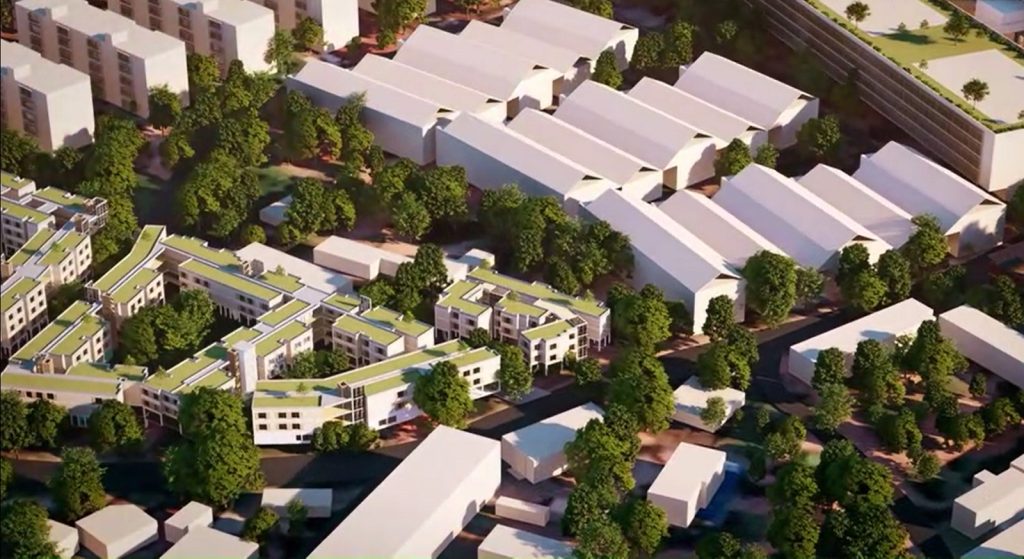
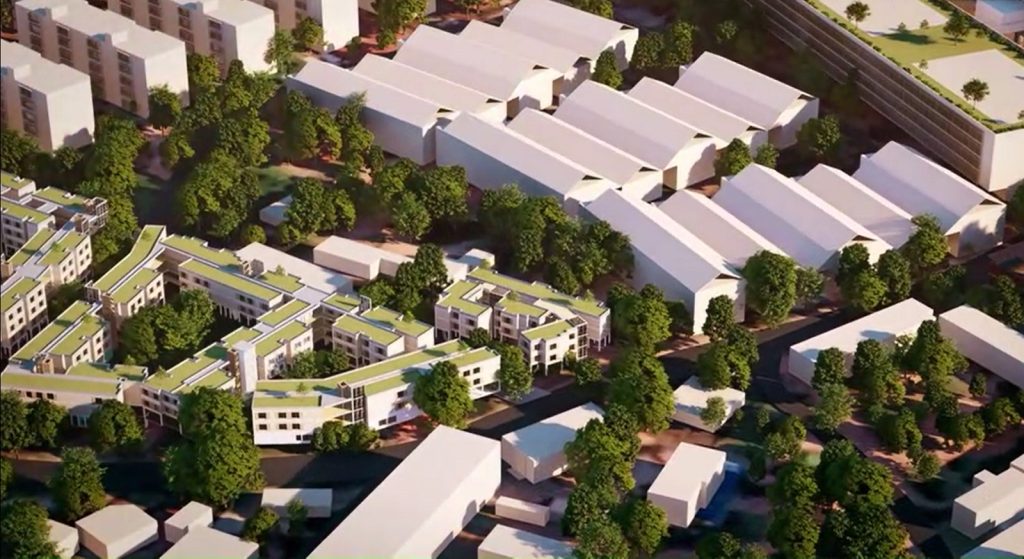
The expansion will require additional housing, schools, healthcare facilities and public services. The plan provides for different housing types, including apartments and affordable homes, alongside markets, schools, health facilities and recreational spaces.
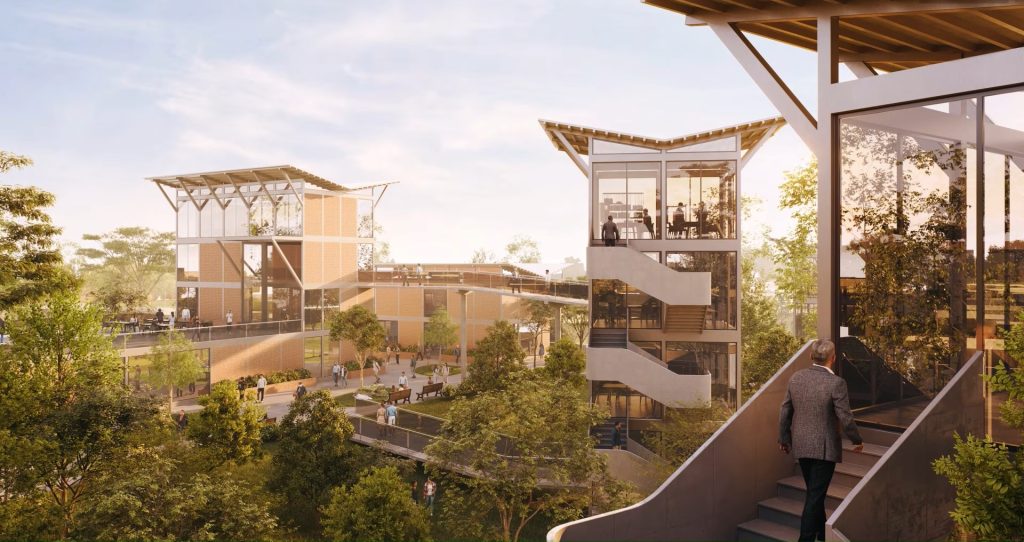
Vocational training and research institutions are also expected to contribute to the district’s development.
Despite the urban and industrial expansion, agriculture will remain important, with 51.9% of the district’s land designated for agricultural use. Irrigation and technology-based farming are expected to be promoted in several sectors.
Water supply capacity is also targeted to increase to 109,500 cubic metres per day by 2050, supported by a proposed treatment plant in Mwogo–Juru and expansion of existing facilities.
The master plan also identifies the protection of lakes, wetlands, forests and other natural resources as necessary to balance economic development with environmental conservation.
Loading comments...
Leave a comment