



The projects are expected to be completed at different stages between 2027 and December 2030, according to a report by the Senate Committee on Economic Development and Finance presented to the plenary on November 12, 2026.
The report followed an oversight exercise conducted between July 14 and September 22, 2026, to assess government efforts to expand electricity access across the country.
Of the planned 523.76MW, solar energy projects will contribute 300MW, methane gas will generate 165MW, while hydropower projects will provide 58.76MW.
The report indicates that Rwanda's total available electricity generation capacity reached 472.9MW in 2026, comprising 366.8MW generated domestically and 106.1MW imported from other countries.
Hydropower and floating solar projects
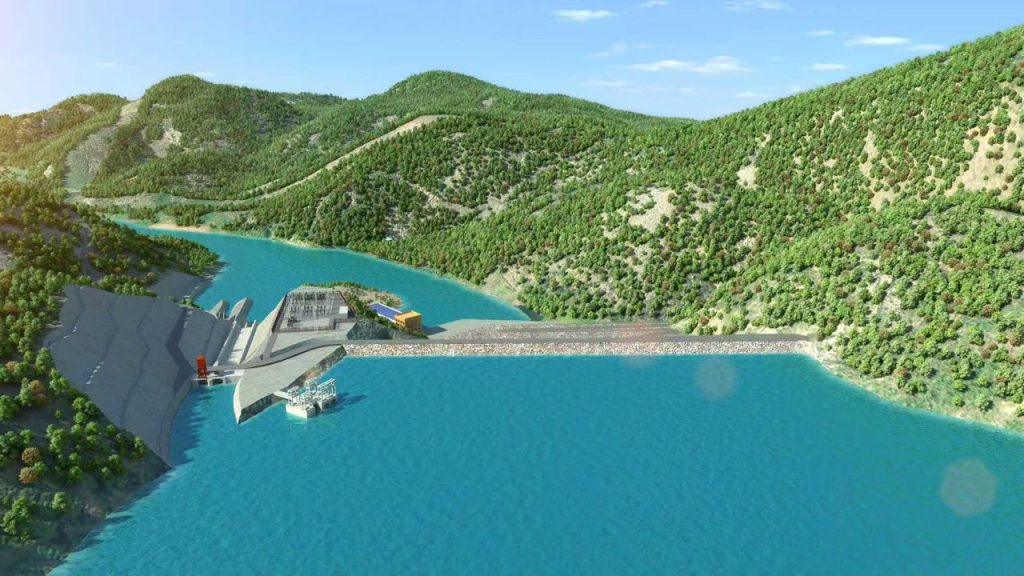
Among the eight projects are four hydropower developments: Nyabarongo II, expected to generate 43.5MW; Rukarara VI, with a capacity of 9.76MW; Muvumba, which will produce 1MW; and Nyundo, expected to generate 4.5MW.
Nyabarongo II and Muvumba will also host solar power installations, with panels placed on water surfaces as well as on land.
At Nyabarongo II, the solar project is expected to generate 105MW, comprising 80MW from floating solar panels and 25MW from installations on land.
Chairperson of the Senate Committee on Economic Development and Finance, Fulgence Nsengiyumva, explained that the Nyabarongo II reservoir would provide space for large-scale floating solar installations.
"Regarding solar energy, there are two aspects. There is something we are not accustomed to. Nyabarongo II, for instance, stretches from Rulindo to Ngororero over a distance of 67 kilometres, forming a water reservoir," he said.
"Instead of installing the solar panels on land as we are used to seeing, they will be installed on the water. The electricity generated from sunlight will be stored in batteries before being fed into the national grid."
He added that the project would also include solar panels installed on land to generate an additional 25MW.
"Nyabarongo II will therefore generate 43.5MW from hydropower, but it will also provide 105MW from solar energy," Nsengiyumva said.
At Muvumba, the solar installations will generate 95MW, with 70MW coming from floating panels and 25MW from panels installed on land. The hydropower plant itself will generate 1MW.
Both solar projects at Nyabarongo II and Muvumba are expected to be completed in December 2027.
Another solar energy development, covering Rwabusoro/Ruhango and Bugesera, is expected to generate 100MW and be completed in March 2029.
The eighth project is the Gas to Power (G2P) initiative, which will use methane gas to generate 165MW. It is scheduled for completion in December 2030.
Electricity access reaches 88.3% of households
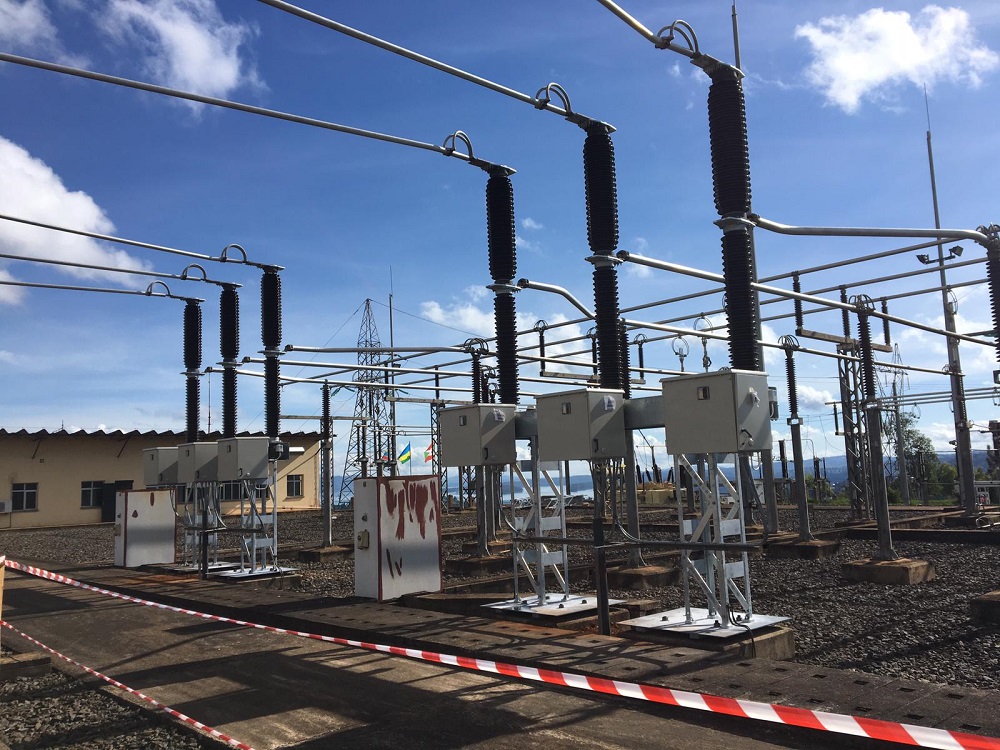
Beyond increasing generation capacity, the Senate report highlighted efforts by the Rwanda Energy Group (REG) to rehabilitate and upgrade electricity infrastructure, including converting single-phase connections to three-phase systems.
REG has also started constructing 381.8 kilometres of new electricity distribution lines and 11 substations to support power transformation and distribution.
These investments are being implemented alongside efforts to expand household access to electricity.
The report shows that household electricity access increased from 78.9% in 2024 to 88.3% in 2026, equivalent to 3,273,772 households.
Of these, 2,348,087 households, representing 63.3% of all households, are connected to the national grid, while 925,685 households, or 25%, rely on off-grid solar systems.
The second National Strategy for Transformation (NST2), covering the five years to 2029, targets universal household electricity access by the end of 2029.
To make electricity more affordable, REG says customers who cannot pay the full cost of an electricity meter upfront can pay for it gradually as they purchase electricity.
The utility also indicates that households pay Rwf89 per kilowatt-hour (kWh) for the first 20kWh consumed each month, a subsidised tariff intended to support low-income consumers.
Senators called on the government to establish effective mechanisms for monitoring the distribution of solar electricity systems to households, ensuring that the equipment functions properly and that damaged components are repaired promptly.
Loading comments...
Leave a comment