



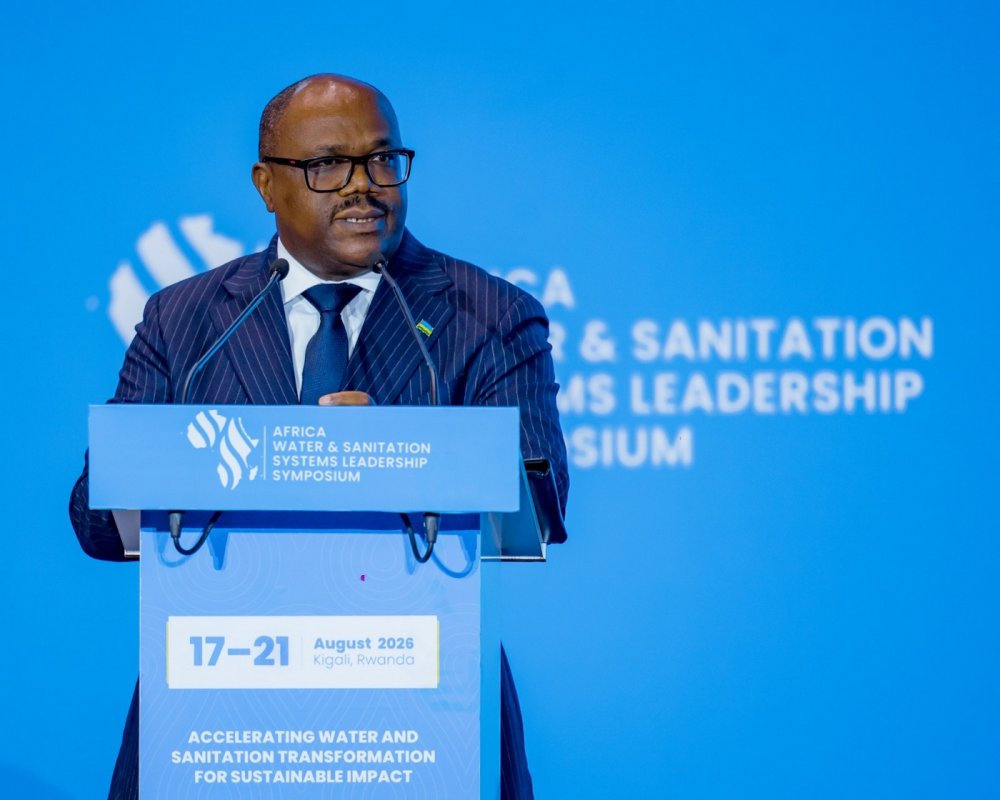
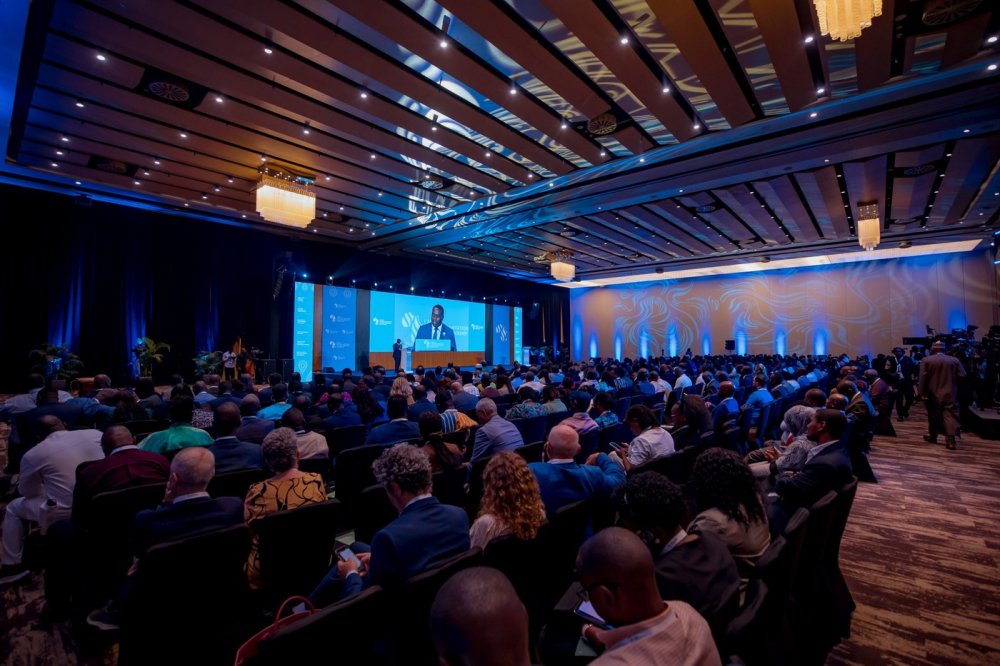
Nsengiyumva made the remarks on Tuesday, August 18, 2026, while opening the Africa Water and Sanitation Systems Leadership Symposium at the Kigali Convention Centre.
The five-day symposium, running through August 21, is jointly organised by the African Union, the African Ministers’ Council on Water (AMCOW) and the Government of Rwanda, and facilitated by IRC, a global water, sanitation and hygiene organisation.
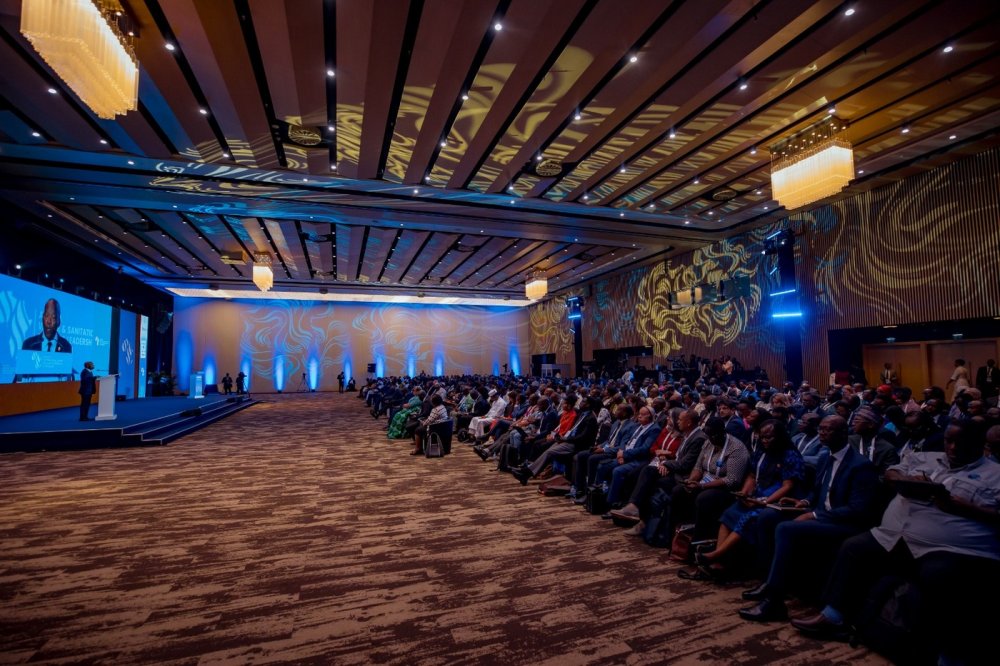
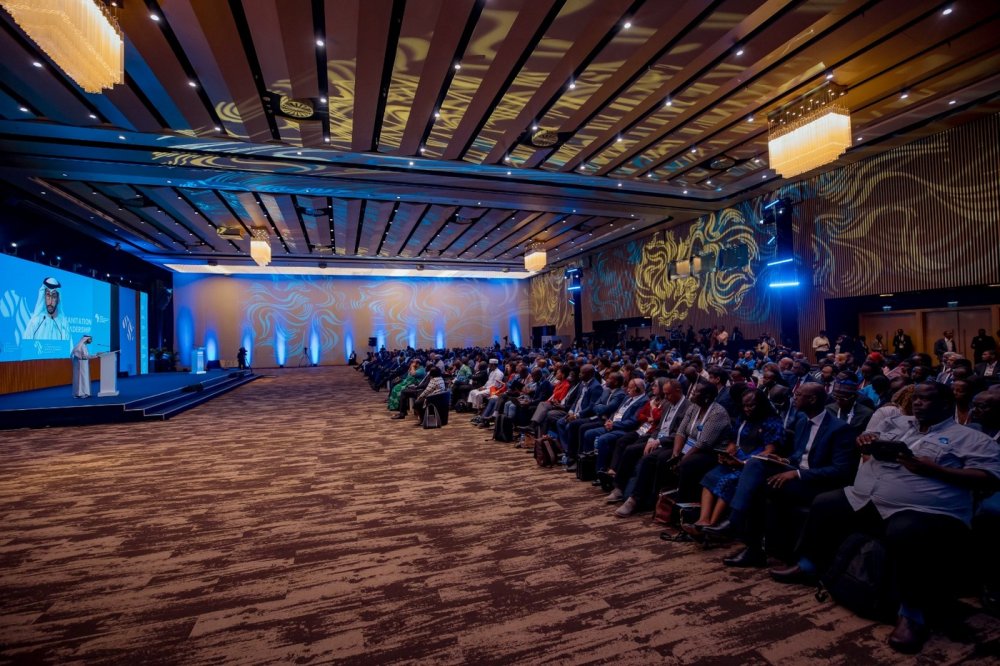
The event brings together African leaders, reformers, financiers and development partners to discuss ways of strengthening water and sanitation systems and mobilising sustainable investment.
Nsengiyumva said Africa remains significantly off track in meeting the Sustainable Development Goal on water and sanitation as the 2030 deadline approaches.
“Across Africa, 418 million people still lack basic water services, 779 million lack basic sanitation, and 839 million lack basic hygiene,” he said.
He noted that African countries have invested heavily in infrastructure, including water pipelines, boreholes and treatment plants, but said many of these facilities are not delivering services effectively.
“The lesson is clear: building infrastructure is important but, to a large extent, it is only the beginning; ensuring that the built infrastructure functions effectively and reaches communities over the long term is the real measure of success,” Nsengiyumva said.
He argued that stronger institutions, effective governance, sustainable financing and accountable leadership are needed to turn infrastructure investments into reliable and lasting services.
The Prime Minister also pointed to the African Union’s endorsement in February 2026 of the Africa Water Vision and Policy 2063, saying it places governance and leadership at the centre of efforts to achieve water security on the continent.
He said better governance could also help African countries unlock more domestic resources for the sector.
According to Nsengiyumva, an African Union panel on water investment found that improved governance, including sound tariffs, effective revenue collection and disciplined financial management, could unlock about $11.5 billion annually, while stronger domestic resource mobilisation could generate another $17.5 billion.
“Africa's water future can and should be paid for by Africans,” he said, while stressing that investors are more likely to commit capital to institutions that demonstrate financial discipline and accountability.
He urged participants to shift the conversation from simply seeking additional funding to building institutions capable of attracting and effectively managing investment.
Nsengiyumva also acknowledged challenges within Rwanda’s own water sector, including high non-revenue water and ongoing efforts to improve rural water service delivery, including through private operators.
“There is nothing ‘non-revenue’ about water that has been treated and pumped, but never reaches the people it is meant to serve,” he said, describing such losses as both a waste of resources and a failure to deliver services to citizens.
The symposium is expected to produce the Kigali Communiqué on Systems Transformation for the Realisation of the Africa Water Vision and Policy 2063.
Nsengiyumva urged participants to make the commitments in the communiqué specific and measurable, saying the success of the gathering should ultimately be judged by changes in the institutions, decisions and services delivered after participants return to their respective countries.
He also called for the discussions to continue beyond Kigali, urging participants to carry the commitments and proposed solutions to Abu Dhabi in December.
“I encourage all of you: ministers, regulators, utility leaders, mayors, financiers, civil society organisations and young professionals, to make this a document you truly own,” he said.
The symposium is focused on accelerating water and sanitation transformation for sustainable impact, with particular emphasis on financial credibility as a foundation for sustainable investment and resilient water and sanitation systems.
Loading comments...
Leave a comment