




The births come just a year after 70 southern white rhinos were relocated to Rwanda, marking a significant milestone in the country's wildlife conservation programme.
According to Jean Paul Karinganire, Funding & Reporting Manager at Akagera National Park, three calves have already been born from the group of 70 white rhinos that arrived in 2025. He noted that more births are expected this year, as rhinos typically have a gestation period of between 15 and 16 months.
“The rhinos have also brought tourism benefits. Akagera National Park is now one of the easiest places in Africa where visitors can see rhinos in the wild,” Karinganire said.
He added that the white rhinos are helping to strengthen biodiversity in the park and represent an important conservation achievement for East Africa.
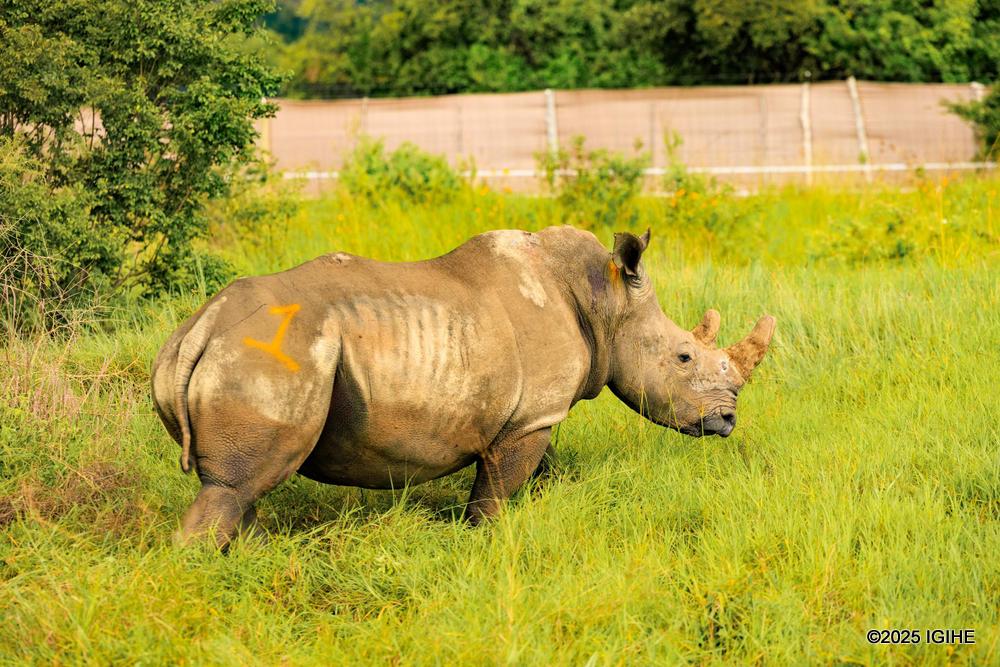
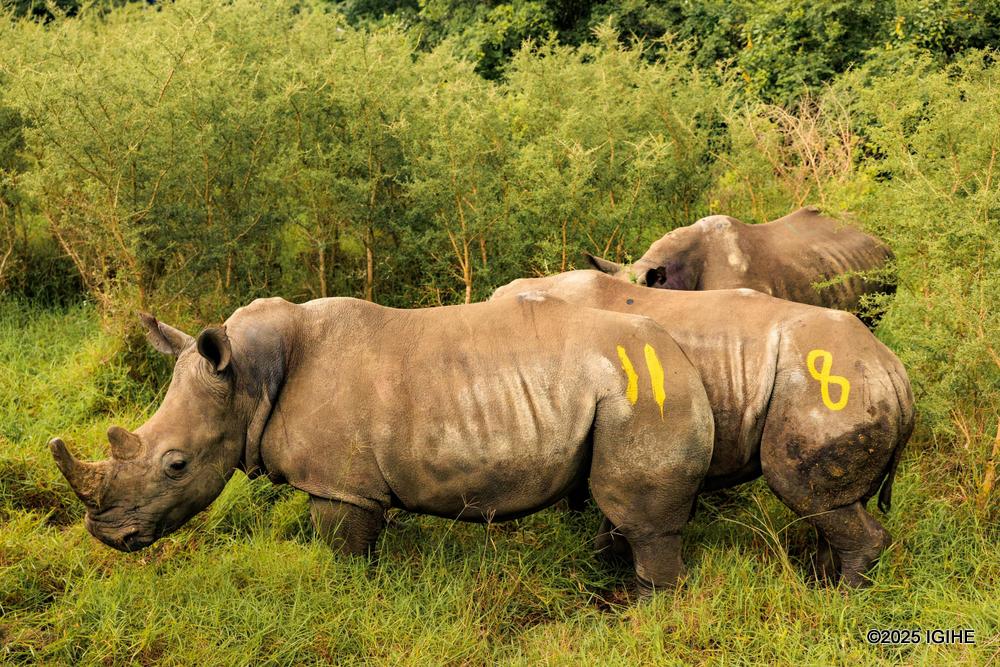
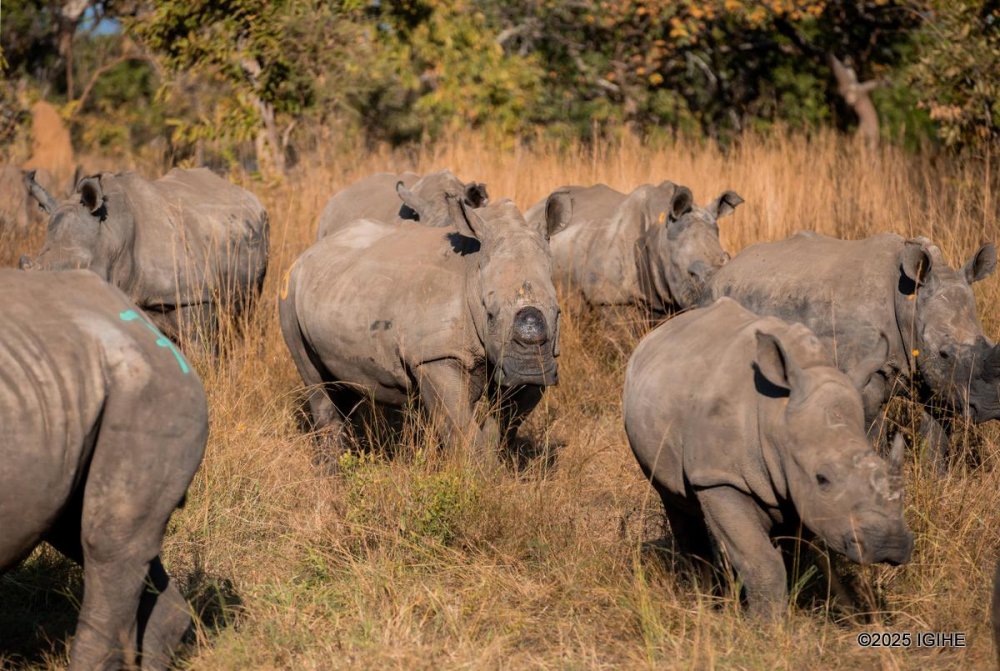
On June 10, 2025, Rwanda received 70 white rhinos, including 28 males, from South Africa. The relocation was the largest single translocation of animals ever carried out into the country.
The white rhinos joined Akagera’s existing black rhino population, pushing the total number of rhinos in the park above 145. With the recent births, the population has now reached 148.
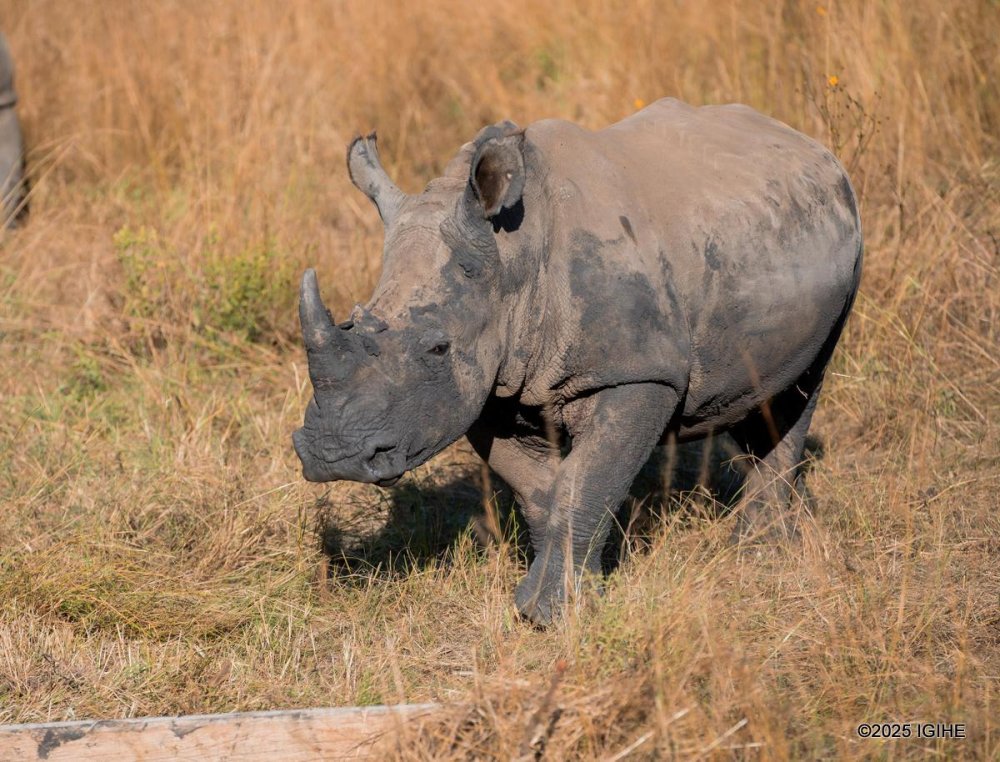
White rhinos are nearly twice the size and weight of black rhinos. They are grazers that feed mainly on short grasses and are easily identified by their broad, wide mouths adapted for grazing. They also have a prominent shoulder hump and distinctive muscular features on their bodies.
Rwanda’s rhino population had completely disappeared by 2007, when the last remaining rhino in the country died. A decade later, in 2017, black rhinos were successfully reintroduced to Akagera National Park, and their numbers have steadily increased over the years. The arrival and reproduction of white rhinos mark another important step in restoring the country’s wildlife heritage.
Loading comments...
Leave a comment