






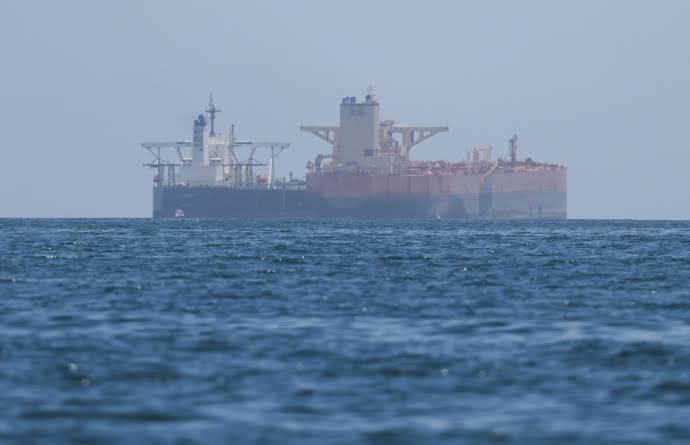
According to a Reuters analysis published on August 25, 2026, about 43% of global oil production is now linked to countries affected by conflict.
The situation has been worsened by the war involving Iran, alongside ongoing conflicts and disruptions in other major oil-producing countries, including Russia, Libya and Venezuela.
The developments have placed significant pressure on global oil supplies, refining capacity and fuel markets, raising concerns about higher energy prices and prolonged shortages.
The conflict involving Iran has particularly affected oil transportation through the Strait of Hormuz, one of the world's most important energy shipping routes.
The waterway previously handled a significant share of global crude oil and liquefied natural gas shipments.
Although some oil continues to move through the region, the security risks have increased transportation costs and forced energy companies and governments to look for alternative routes.
The crisis is also affecting oil refining. Ukrainian attacks on Russian energy infrastructure have reduced Russia's refining capacity, while damage and disruptions in the Middle East have further tightened supplies of refined fuels.
Reuters reported that Russia has also restricted fuel exports because of domestic supply concerns, adding another layer of pressure to an already strained global market.
The impact is being felt beyond crude oil. Shortages of refined products such as diesel and gasoline have pushed fuel prices higher in several markets.
The International Energy Agency has responded by releasing emergency oil reserves in an effort to compensate for disrupted supplies.
However, global inventories have continued to decline, reducing the buffer available to protect consumers from further shocks.
The Strait of Hormuz remains a major concern. Gulf countries have explored alternative routes and pipelines to reduce their dependence on the waterway, but building or expanding such infrastructure takes time.
Energy companies are also facing higher transportation and insurance costs because of the security risks surrounding major shipping routes.
The situation has already contributed to elevated oil prices and growing concerns about inflation.
If disruptions continue, analysts warn that the pressure could spread further through the global economy as higher energy costs raise transportation, manufacturing and consumer prices.
For countries that rely heavily on imported fuel, prolonged disruptions could be particularly challenging.
The crisis therefore represents more than a regional conflict. With around 43% of global oil production now connected to conflict-affected countries, instability in several major energy-producing regions has created an unusually fragile global oil market.
As the Iran war enters its sixth month, the ability of producers to maintain supplies and of governments to keep alternative energy routes open will be critical in determining how much longer the global energy market can withstand the pressure.
Loading comments...
Leave a comment