



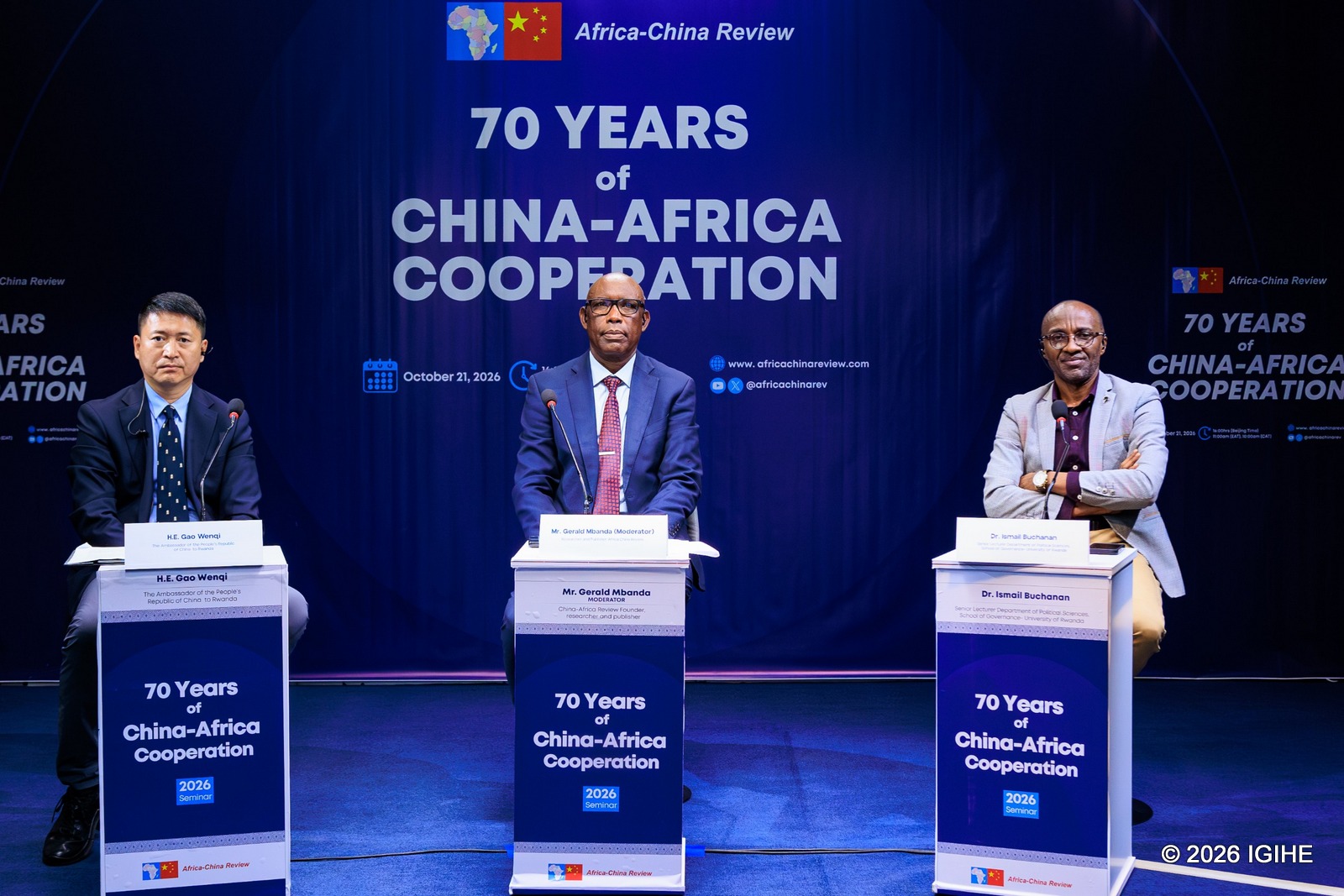
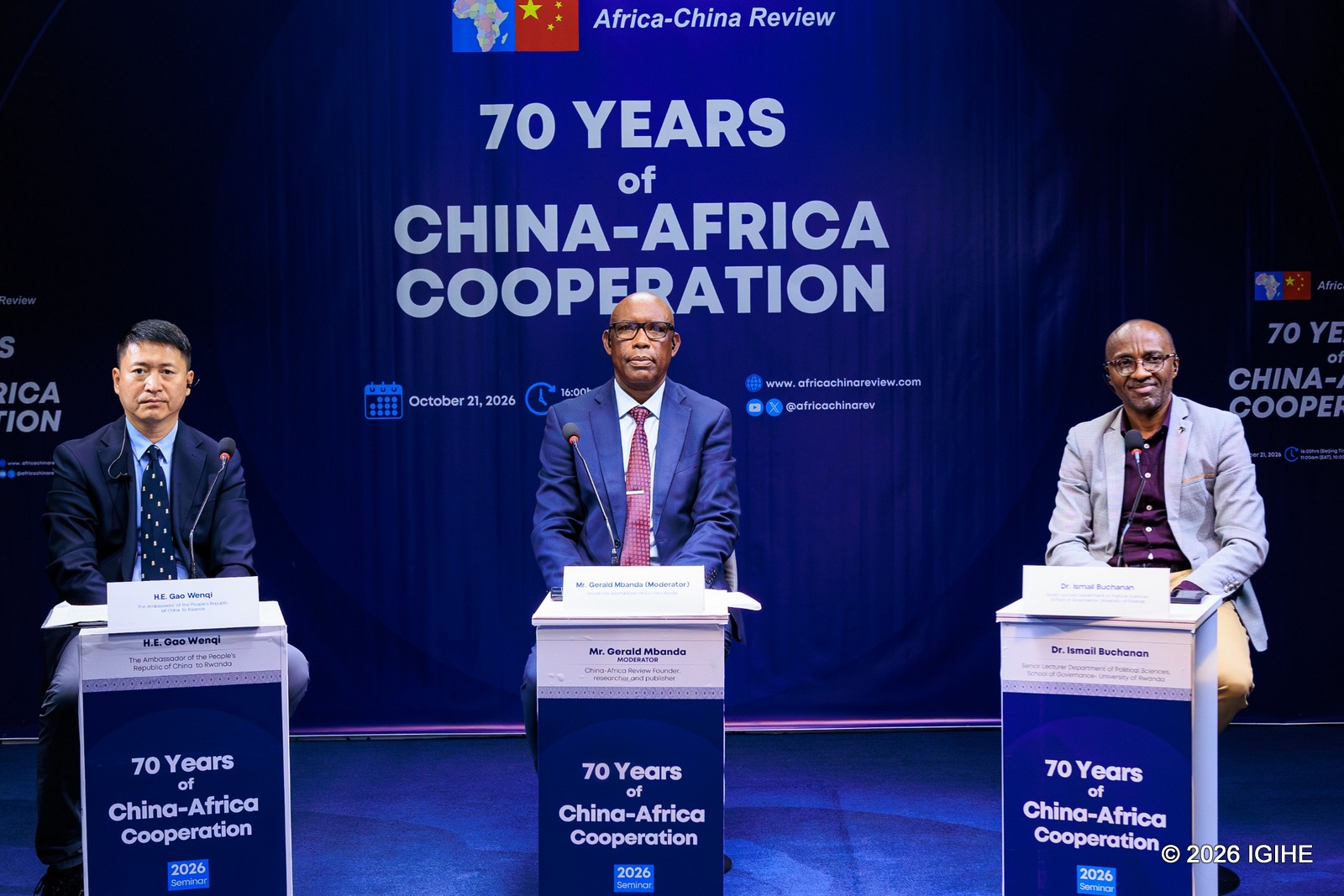
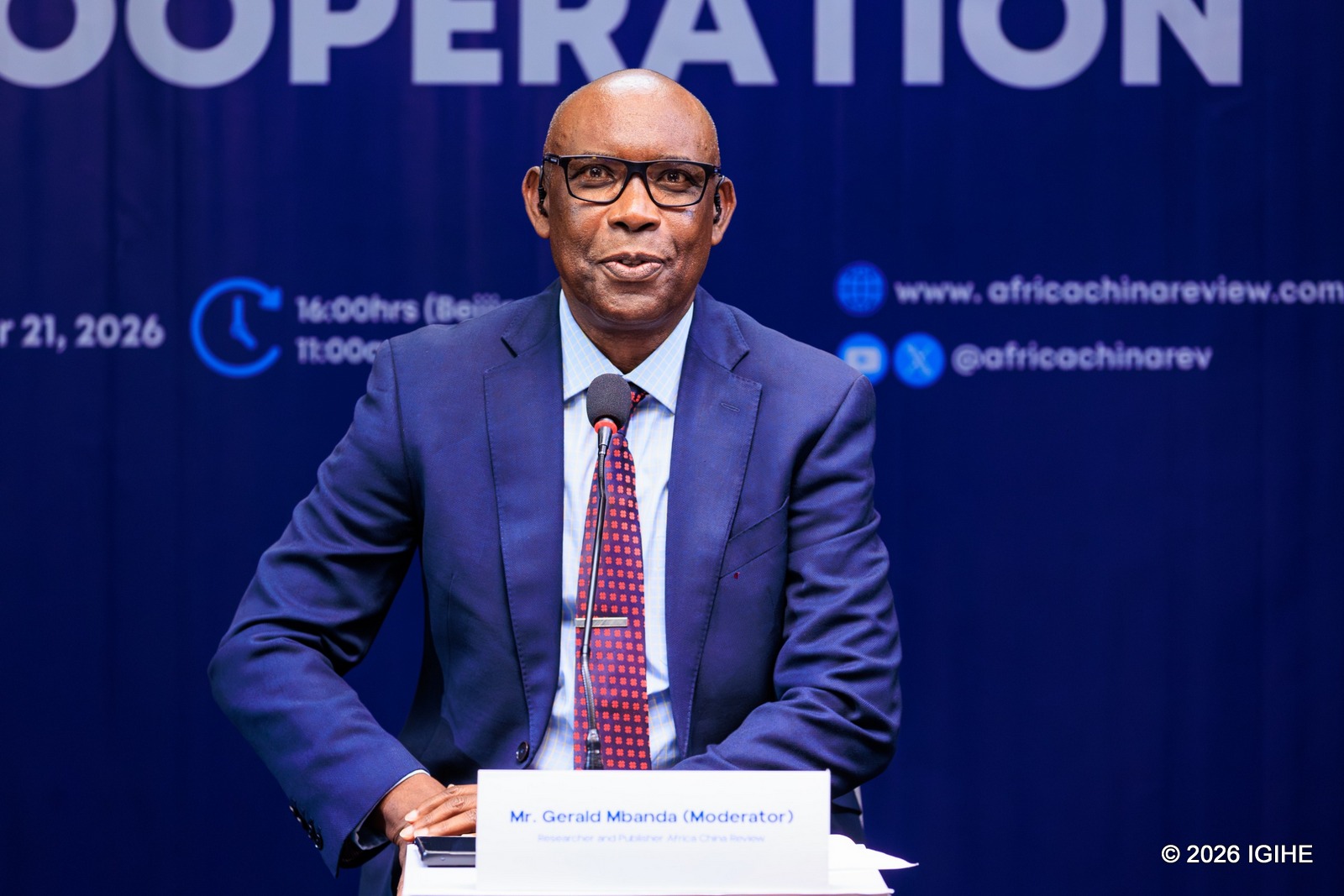
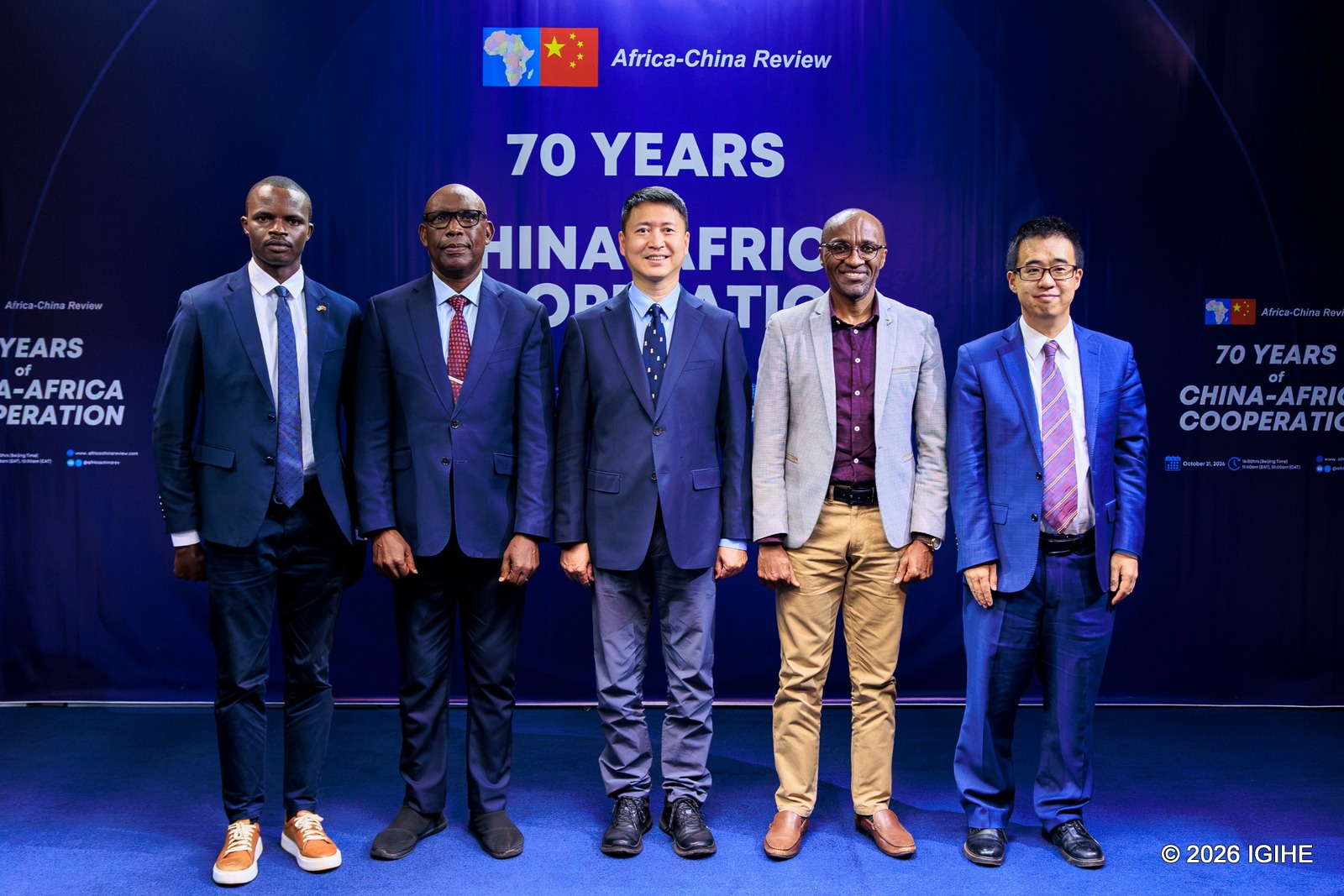
The call was made during a seminar organised by Africa-China Review in partnership with the Chinese Embassy in Rwanda on Wednesday, October 21, 2026.
The hybrid event brought together diplomats, academics and media professionals to reflect on the partnership's achievements and explore opportunities for deeper collaboration across infrastructure, healthcare, agriculture, education and cultural exchange.
The seminar provided a platform for diplomats, researchers and development practitioners to assess how cooperation has evolved over seven decades and identify ways to ensure it continues to deliver meaningful benefits to African communities.
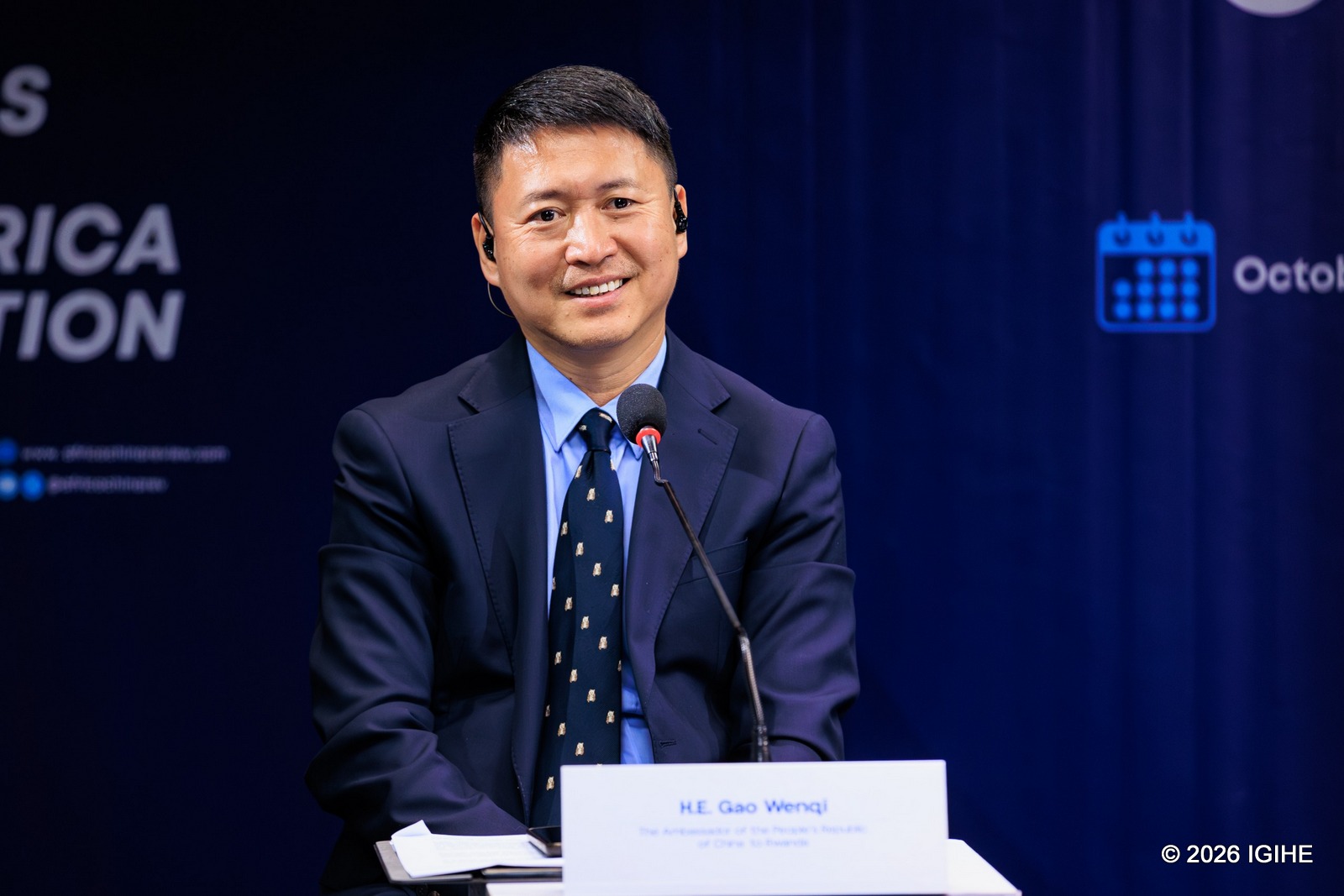
China’s Ambassador to Rwanda, Gao Wenqi, emphasised the enduring friendship between China and African countries, describing their relationship as a partnership built on shared experience and a common vision for development.
“If you want to go fast, go alone. If you want to go far, go together. China and Africa have chosen to go far together. 70 years of shared experience show that our friendship rests on firm foundations and that our future is full of promise,” he said.
Gao highlighted milestones in China-Africa cooperation, including the TAZARA Railway, Chinese medical teams serving communities across Africa, zero-tariff access and the 10 Partnership Actions.
He said China and Africa continued to work together towards modernisation and a community with a shared future.
Rwanda’s Permanent Secretary at the Ministry of Foreign Affairs and International Cooperation, Ambassador Fidelis Mironko, highlighted the importance of the relationship between Rwanda and China, which marked 55 years of diplomatic relations in 2026.
“This conversation comes at a special time as Rwanda and China mark 55 years of diplomatic relations this year… Our experience together has shown what countries can achieve through cooperation and move forward to achieving even more together,” Mironko said.
He described the two countries as like-minded partners pursuing modernisation and expressed confidence in further strengthening cooperation in the years ahead.
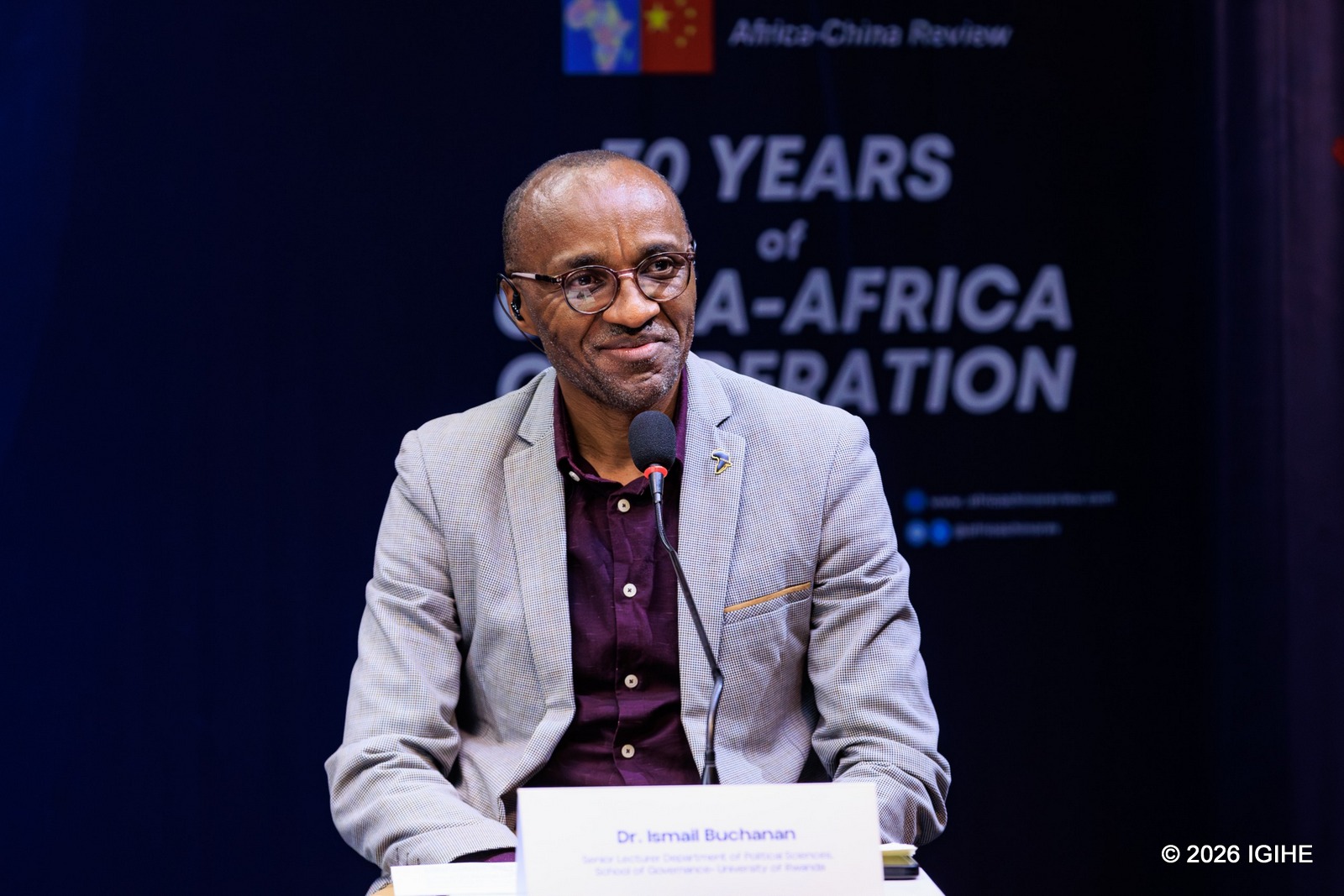
Dr Ismail Buchanan, Senior Lecturer in Political Science and International Relations at the University of Rwanda, focused on education and cultural exchange as important pillars of the next phase of China-Africa relations.
He observed that the relationship had evolved from political solidarity during the anti-colonial period into a broader partnership covering trade, economic development and institutional cooperation.
“The era of focusing strictly on hard infrastructure, resource accessibility and diplomacy is transforming into an era of human-centric diplomacy,” Buchanan said.
He noted that China had become an increasingly attractive destination for African students because of the quality and affordability of education, alongside opportunities for cultural exchange.
Buchanan also highlighted the role of the Forum on China-Africa Cooperation (FOCAC) and the Belt and Road Initiative in supporting cooperation. He argued that educational partnerships and skills development could help reduce brain drain while building lasting links between African and Chinese institutions and researchers.
Using Rwanda as an example, he discussed vocational training and institutional collaboration, including the Rwanda-Luban Workshop at an Integrated Polytechnic Regional Centre.
Recent infrastructure and healthcare projects in Rwanda were also highlighted as examples of how China-Rwanda cooperation is contributing to the country's development.
These include the 10.3-kilometre Prince House–Masaka Road Expansion and Upgrade Project in Kigali and the Masaka Hospital Renovation and Expansion Project.
The Masaka Hospital project, valued at 580 million Chinese yuan, equivalent to more than Rwf124 billion, will provide 837 beds and 22 operating theatres. The facility is expected to become the new home of the University Teaching Hospital of Kigali (CHUK) by the end of 2026.
The road project is being implemented through a partnership in which China is contributing approximately Rwf95 billion, while Rwanda is providing about Rwf35 billion. Construction is expected to take around 30 months.
The works include a flyover, underpasses, interchanges, bridges, drainage systems and street lighting. The existing corridor will be upgraded into a dual four-lane carriageway, with some sections reaching eight lanes.
A presentation on China-Liberia cooperation emphasised that the success of international partnerships should be measured by the difference they make in people's lives.
“In the arena of international relations, the true value of a partnership is not measured by lofty declarations or diplomatic rhetoric, but by the tangible benefits it delivers to the people it is intended to serve,” the speaker said.
The presentation highlighted infrastructure projects, educational support, healthcare cooperation and vocational training as examples of areas in which China-Liberia relations have delivered practical benefits.
Among the projects cited was Liberia’s Ministerial Complex, valued by the speaker at approximately $60 million, which accommodates five government ministries and agencies. The speaker also referred to two overpasses under construction in Monrovia, estimated at $33 million.
Other projects mentioned included the University of Liberia’s Fendall Campus, Jackson F. Doe Memorial Regional Hospital in Nimba County, the Capitol Annex, Monrovia Vocational Training Center and Samuel Kanyon Doe Sports Complex.
The speakers also highlighted Chinese medical teams, scholarships and professional training programmes in fields including medicine, engineering, agriculture, information technology and public administration.
Emphasising the importance of developing local expertise alongside physical infrastructure, the speaker argued that facilities and investments must be supported by people with the skills to operate and maintain them.
The presentation concluded by describing China as a development partner that, in the speaker’s view, respected Liberia’s sovereignty and the principle of non-interference.
As China and Africa enter the eighth decade of their relationship, the speakers’ contributions pointed to a shared challenge: ensuring that cooperation delivers sustainable results and improves people's lives.

Loading comments...
Leave a comment