




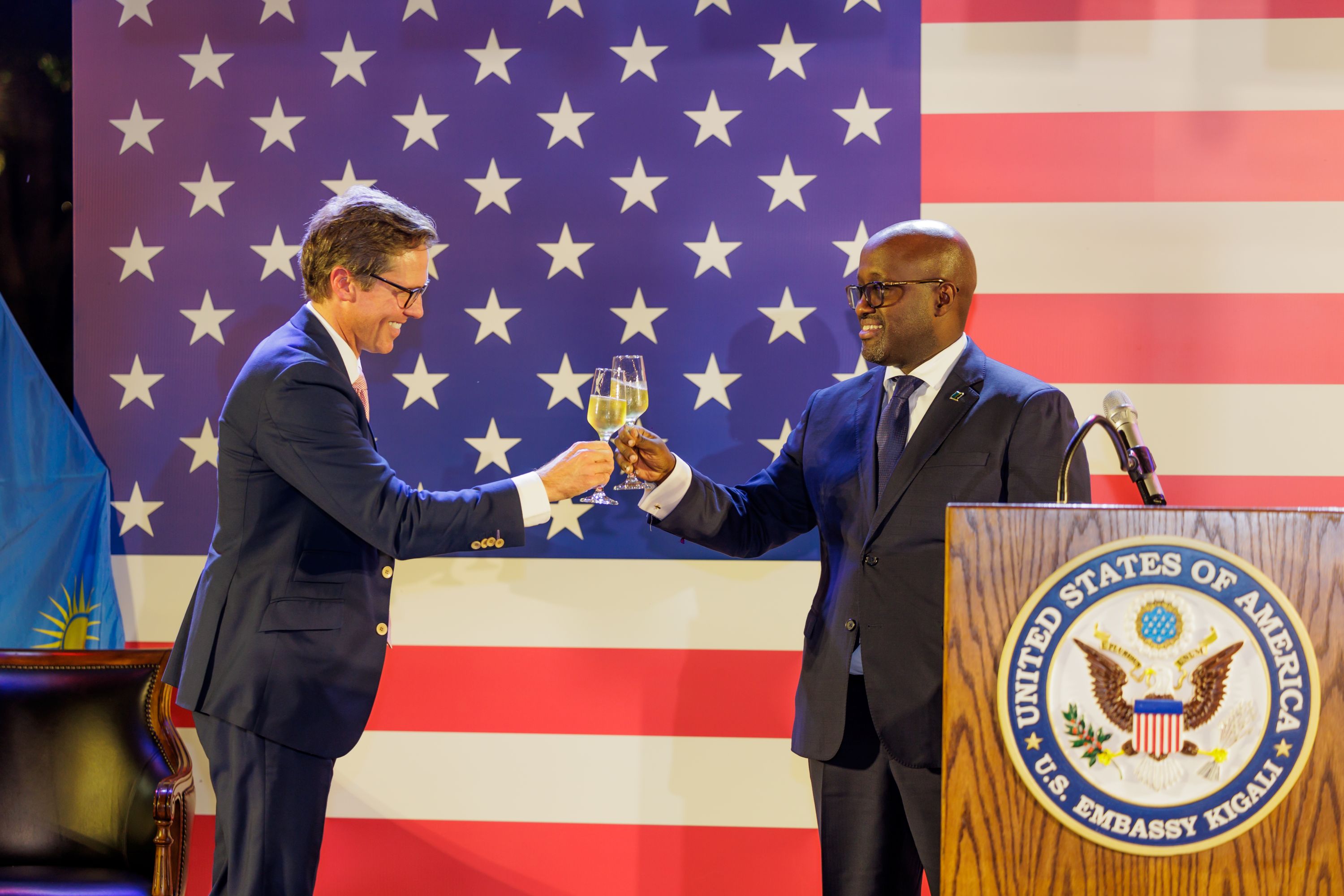
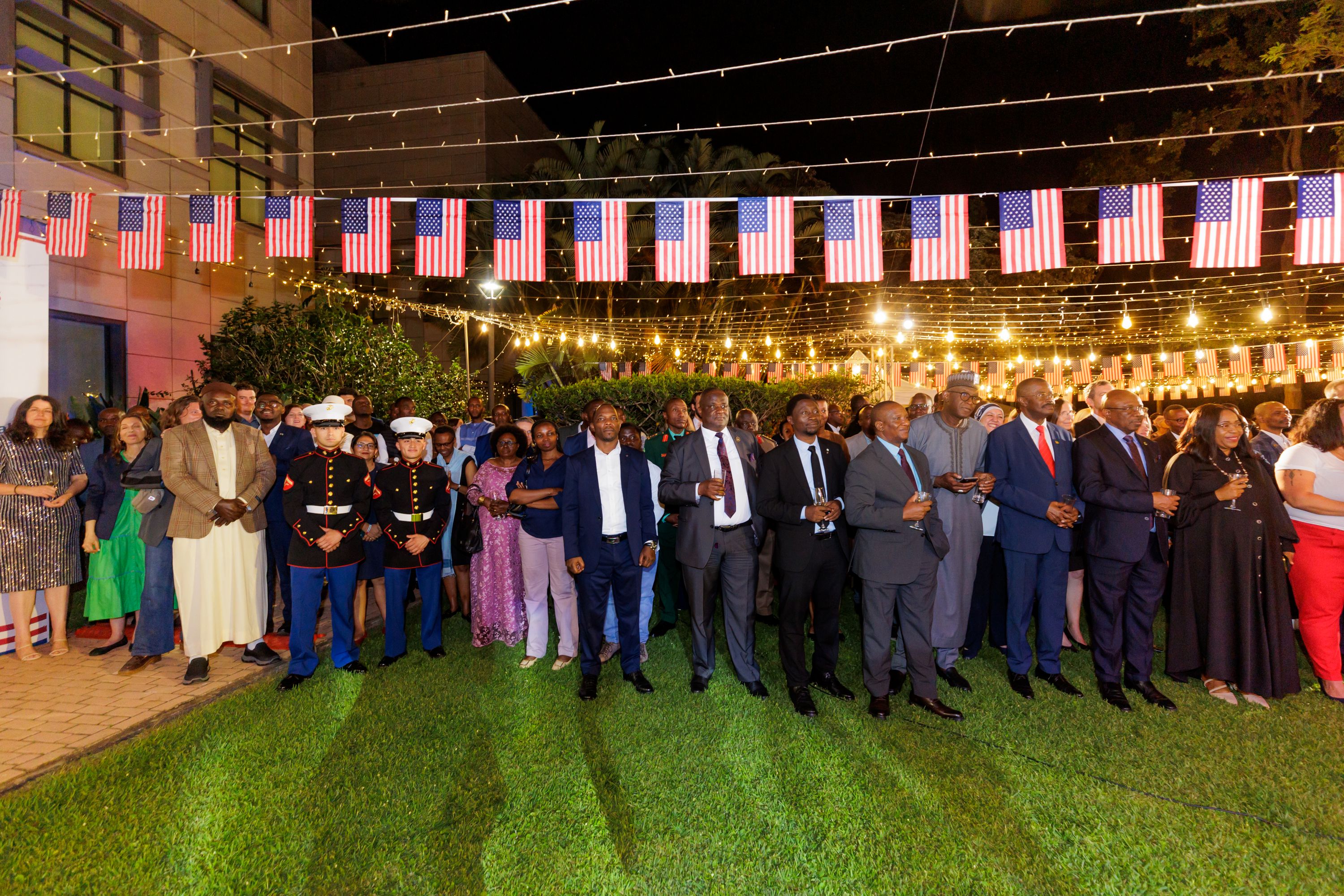
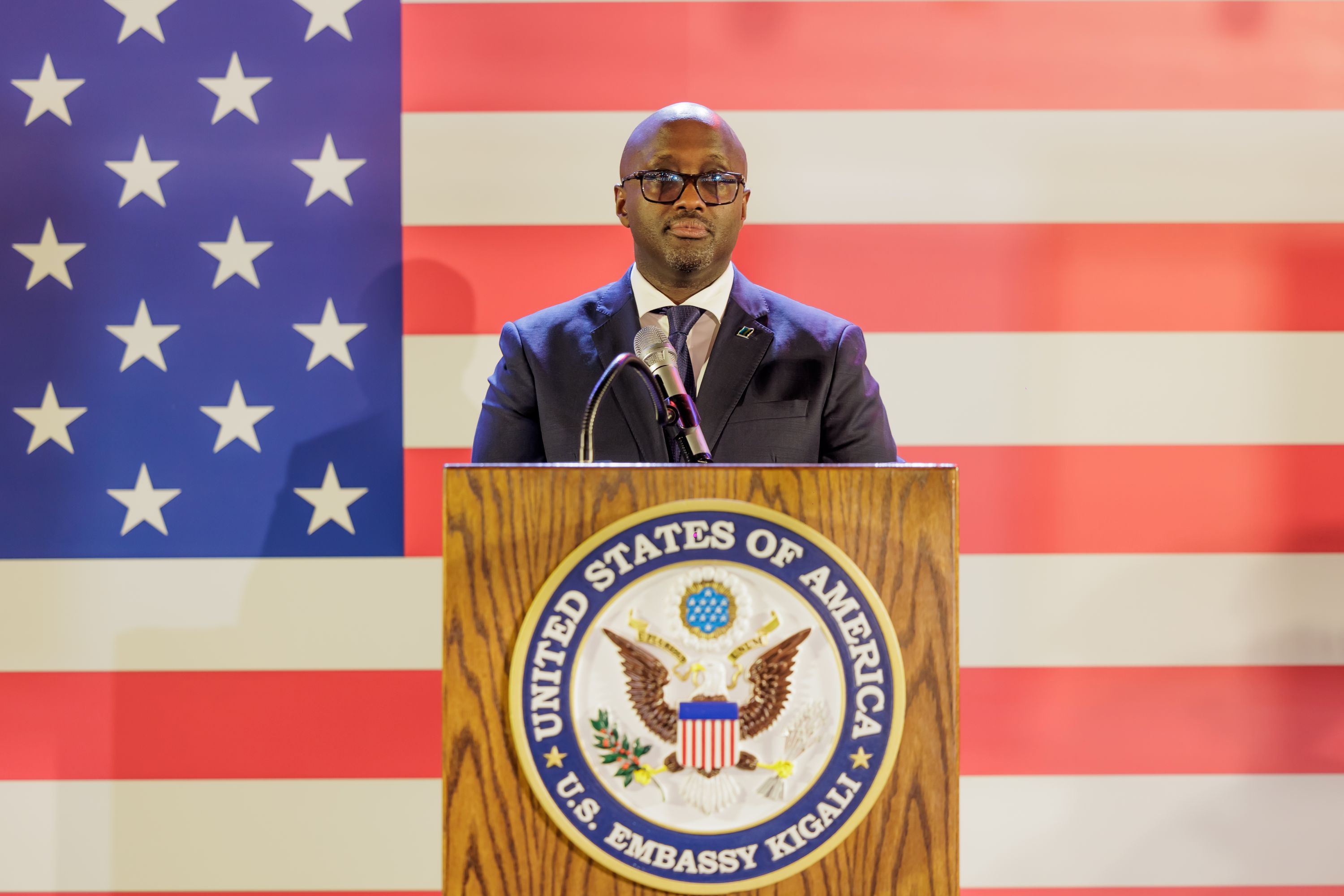
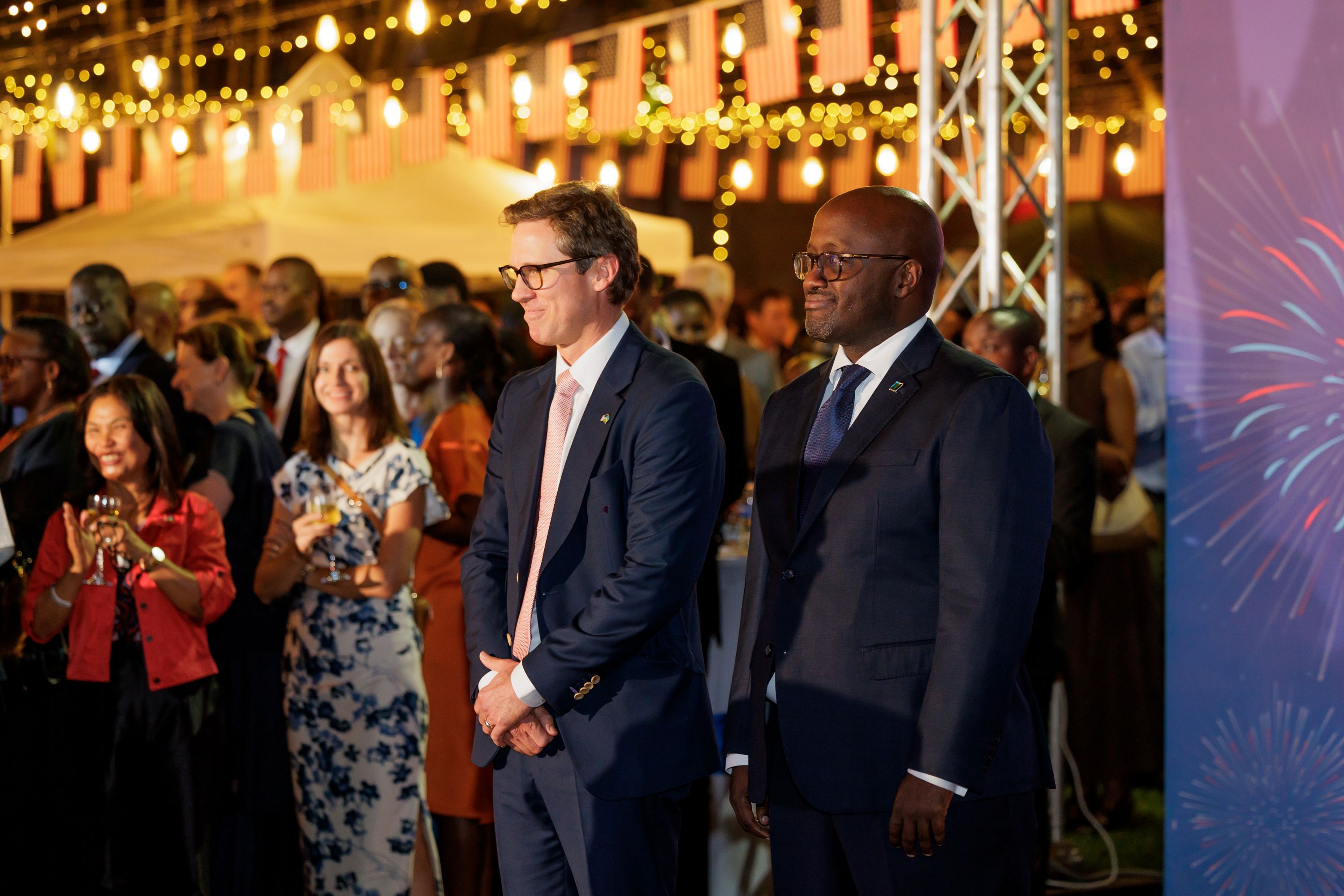
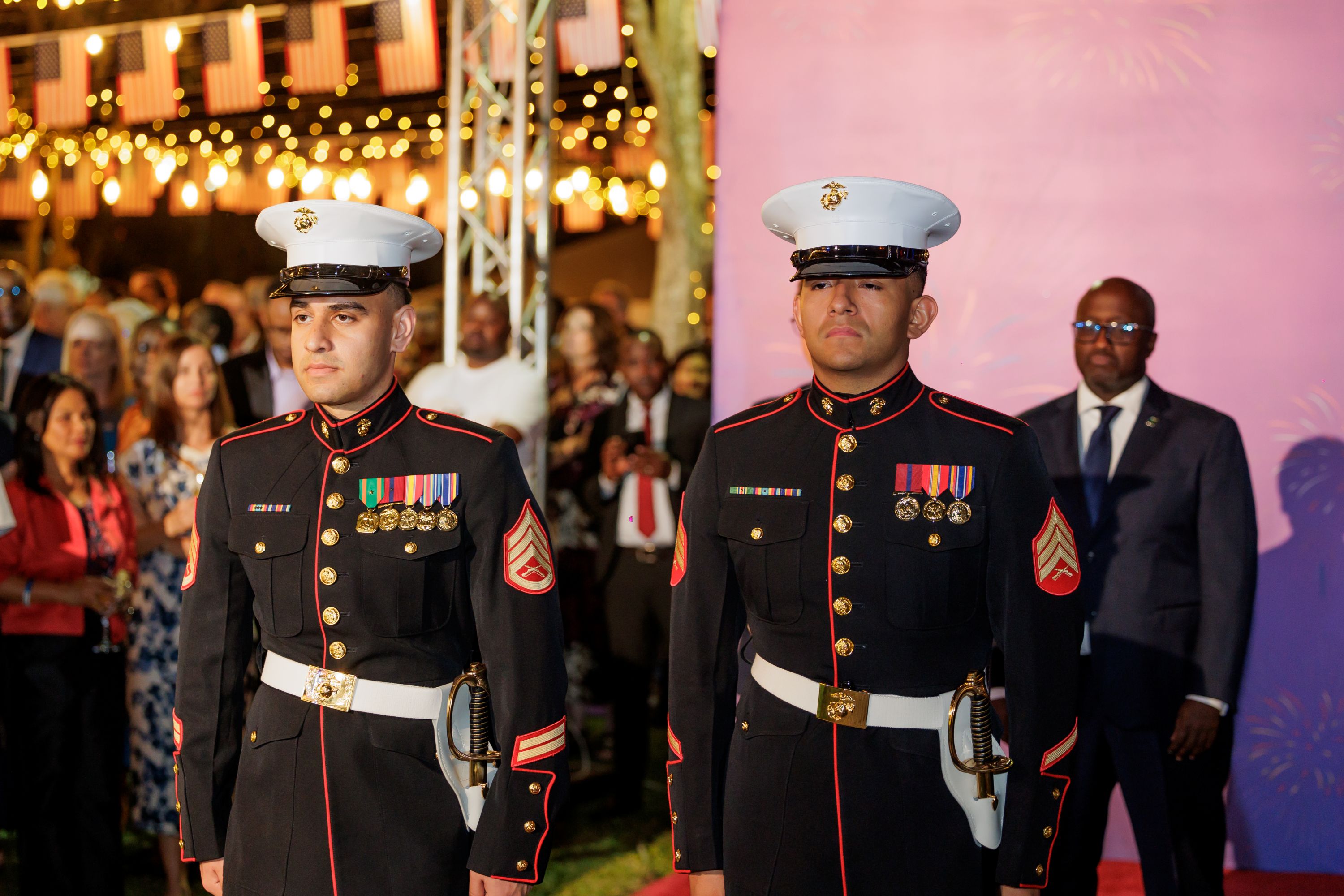
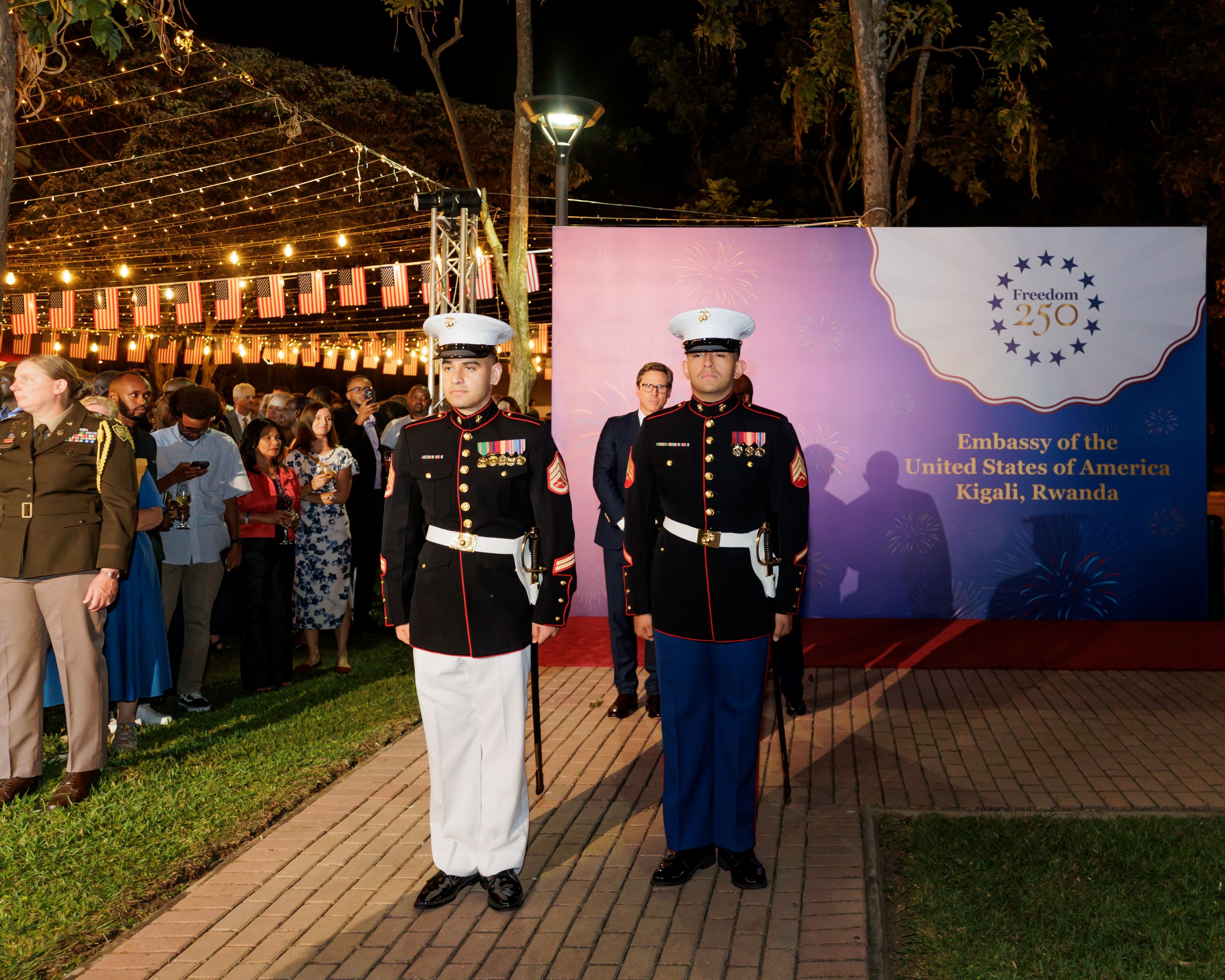
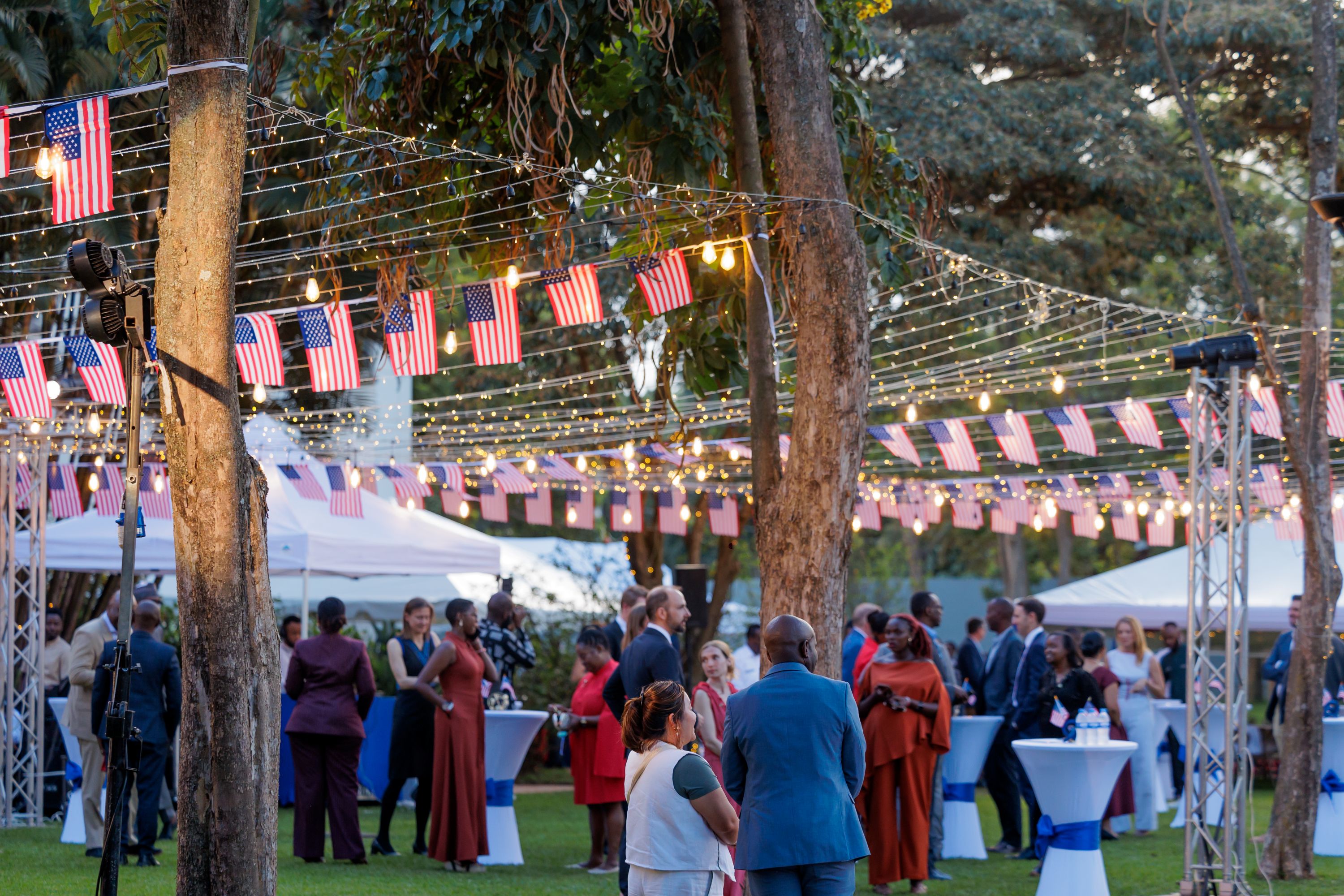
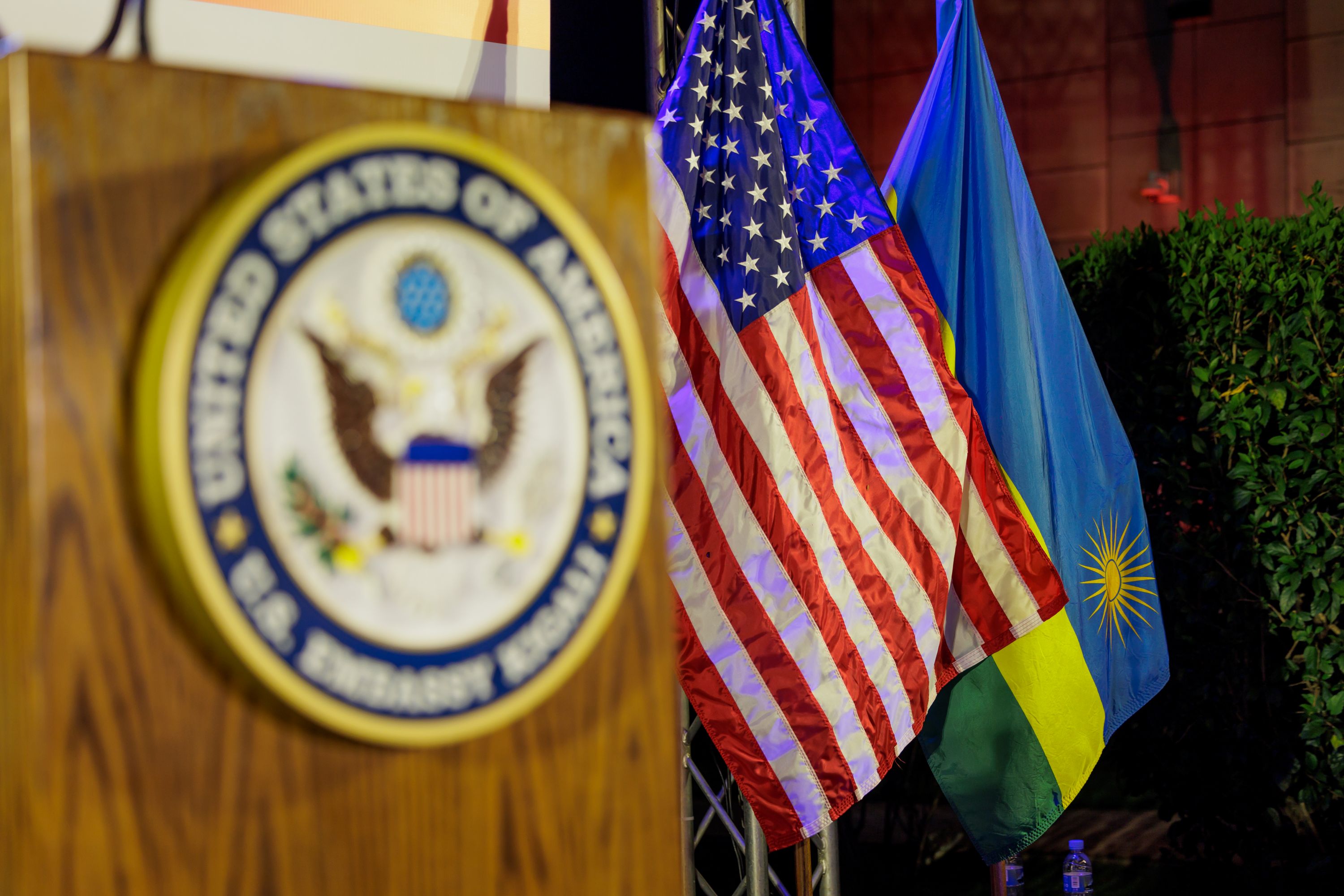
Speaking during celebrations marking the 250th anniversary of the independence of the United States at the U.S. Embassy in Kigali on Thursday, June 5, 2026, Rwanda's Minister of Foreign Affairs and International Cooperation, Olivier Nduhungirehe, acknowledged Washington's role in regional mediation initiatives and expressed hope that ongoing peace efforts would deliver lasting stability.
"Rwanda appreciates the continued support of the United States for regional mediation initiatives aimed at resolving the conflict in eastern DRC," Nduhungirehe said. "We remain hopeful that these peace efforts, provided that they are fair and aimed at addressing the root causes of the conflict, will soon bear fruit."
The minister said a successful peace process would contribute to durable security for Rwanda and its borders, greater stability across the Great Lakes region, and expanded opportunities for regional economic integration, trade and investment.
The United States has played a central role in diplomatic efforts to resolve tensions between Rwanda and the DRC through what became known as the Washington Process. The initiative ran alongside other mediation tracks, including the Luanda Process and Qatar-facilitated talks.
Those efforts culminated in the signing of the Washington Accords for Peace and Prosperity in Washington, D.C., on December 4, 2025. The agreement outlined commitments aimed at addressing longstanding security concerns in the region, including the neutralisation of the Democratic Forces for the Liberation of Rwanda (FDLR), an armed group linked to perpetrators of the 1994 Genocide against the Tutsi in Rwanda. The accord also provided for the lifting of Rwanda's defensive measures as security conditions improved.
Despite the diplomatic breakthrough, the security situation in eastern DRC remains fragile, with fighting involving the M23 rebel movement and Congolese government forces continuing to fuel instability and humanitarian concerns.
Nduhungirehe’s comments came as Rwanda and the United States celebrated deepening bilateral ties across multiple strategic sectors.
In his address, the minister highlighted the significant progress in the partnership, noting that cooperation has evolved into a strategic relationship delivering tangible results. He pointed to the launch last year of the first Rwanda-U.S. Strategic Bilateral Dialogue, which has broadened engagement in health, trade, security, education, technology, and investment.
Nduhungirehe welcomed the recent signing of a Memorandum of Understanding on Strategic Civil Nuclear Energy Cooperation during the Nuclear Energy Innovation Summit for Africa in Kigali in May 2026. He also expressed Rwanda’s keen interest in expanding cooperation in space exploration with NASA under the Artemis Accords, alongside growing American investments, including a recent tungsten shipment by Trinity Metals.
He further praised U.S. support in health, particularly during the Ebola-Bundibugyo outbreak, and collaboration with American firms such as Zipline that are deploying artificial intelligence to improve healthcare delivery.
“As we look ahead, it is clear that the best chapters of Rwanda-United States relations are still being written,” Nduhungirehe said. “The opportunities before us are significant, and together we can continue building a partnership that delivers lasting benefits for both our countries and our peoples.”
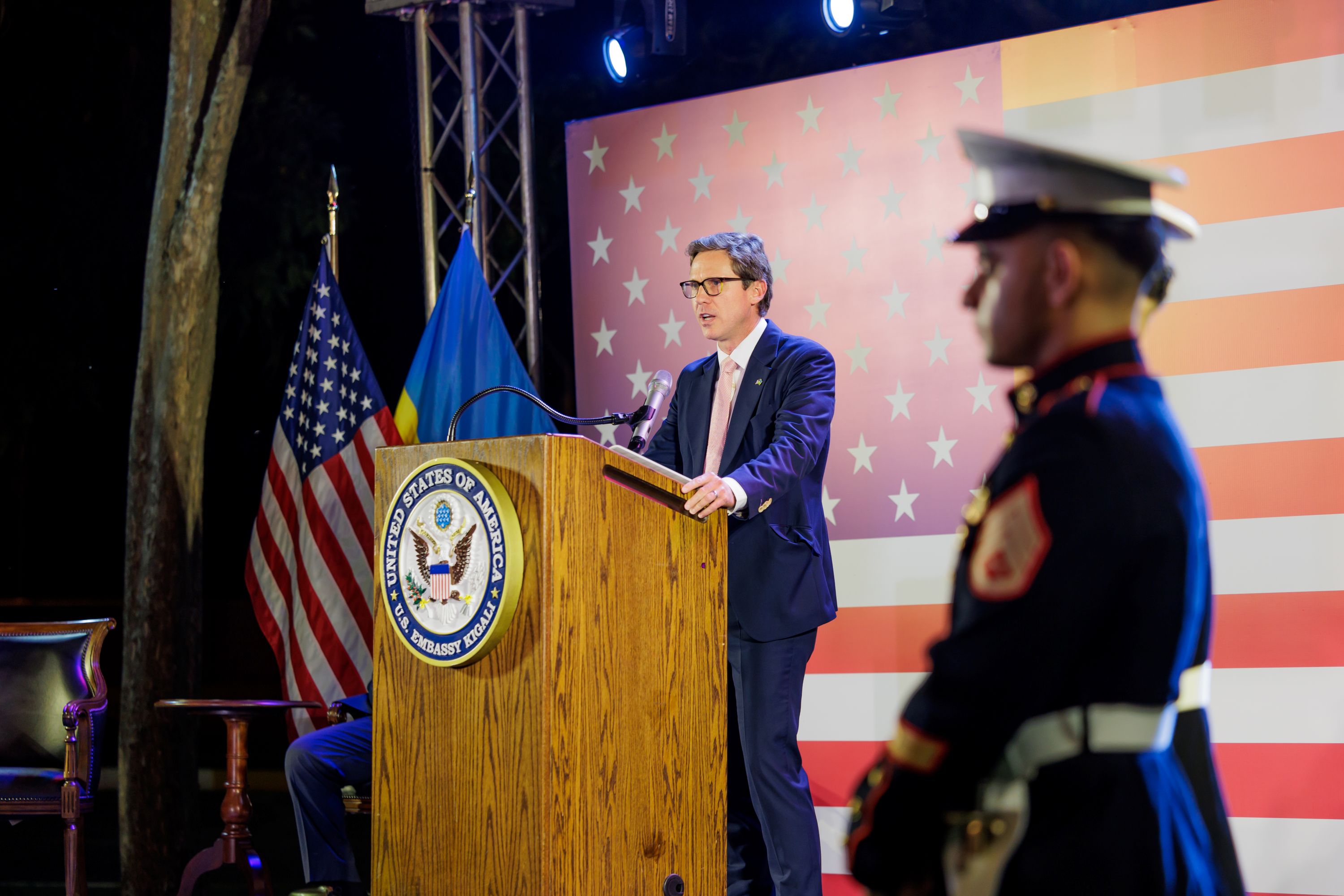
U.S. Chargé d’Affaires ad interim John Armiger, who hosted the event, struck a warm and personal tone, sharing how he and his family first visited Rwanda as tourists before deciding to live in the country. Armiger praised Rwanda’s “welcoming spirit” and its global reputation as a safe haven for the vulnerable.
He drew historical parallels between the two nations, noting that both chose unity over division and celebrate defining moments of national rebirth on the same day, July 4th, which is America’s Independence Day and Rwanda’s Kwibohora (Liberation Day).
“Both of our nations understand that our greatest strength lies not in our divisions, but in our shared identity and our shared future,” Armiger said, adding that the United States is honoured to be Rwanda’s partner.
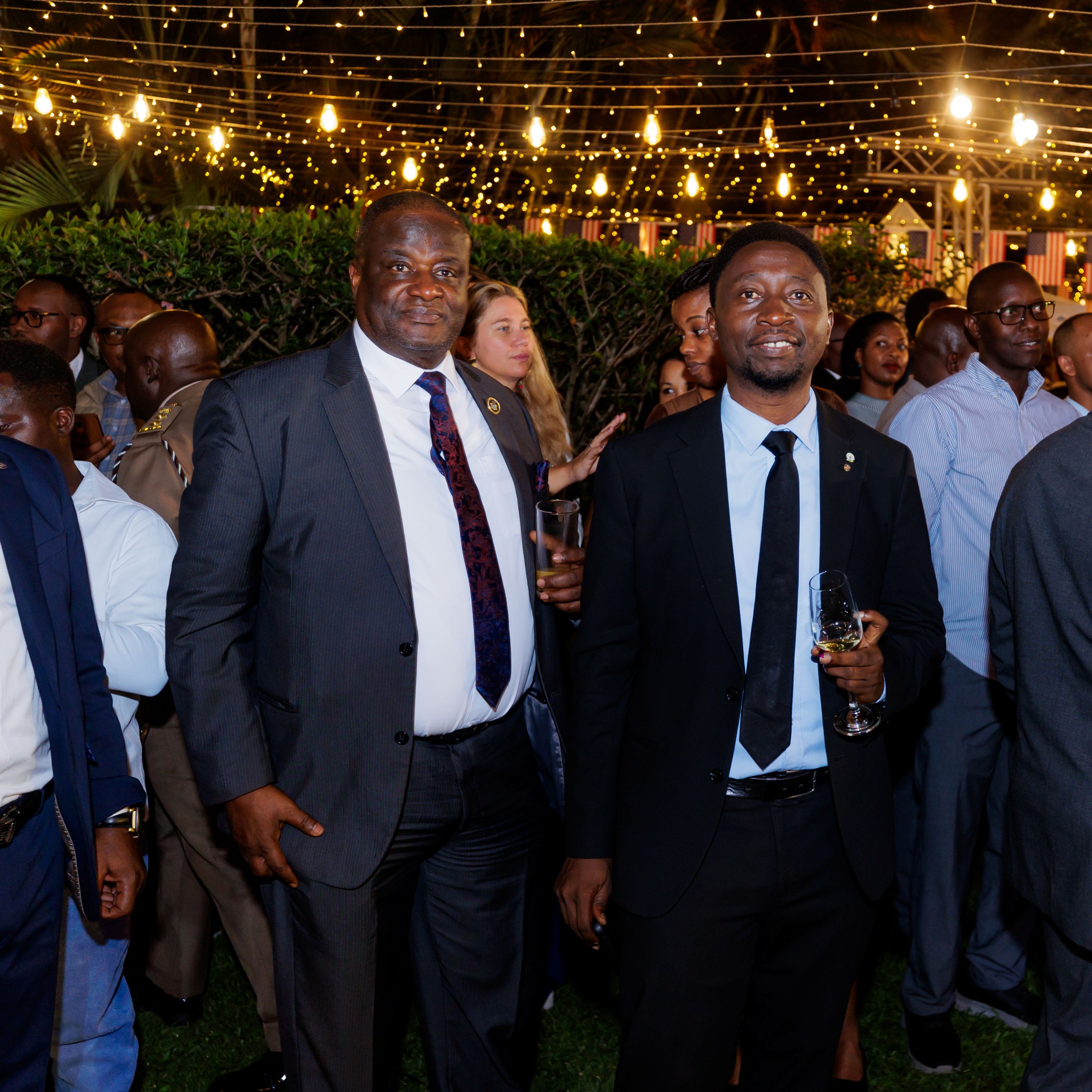
The anniversary celebration marked not only 250 years of American independence but also more than six decades of diplomatic relations between Rwanda and the United States, with both sides expressing strong optimism about future cooperation and regional stability.


Loading comments...
Leave a comment