



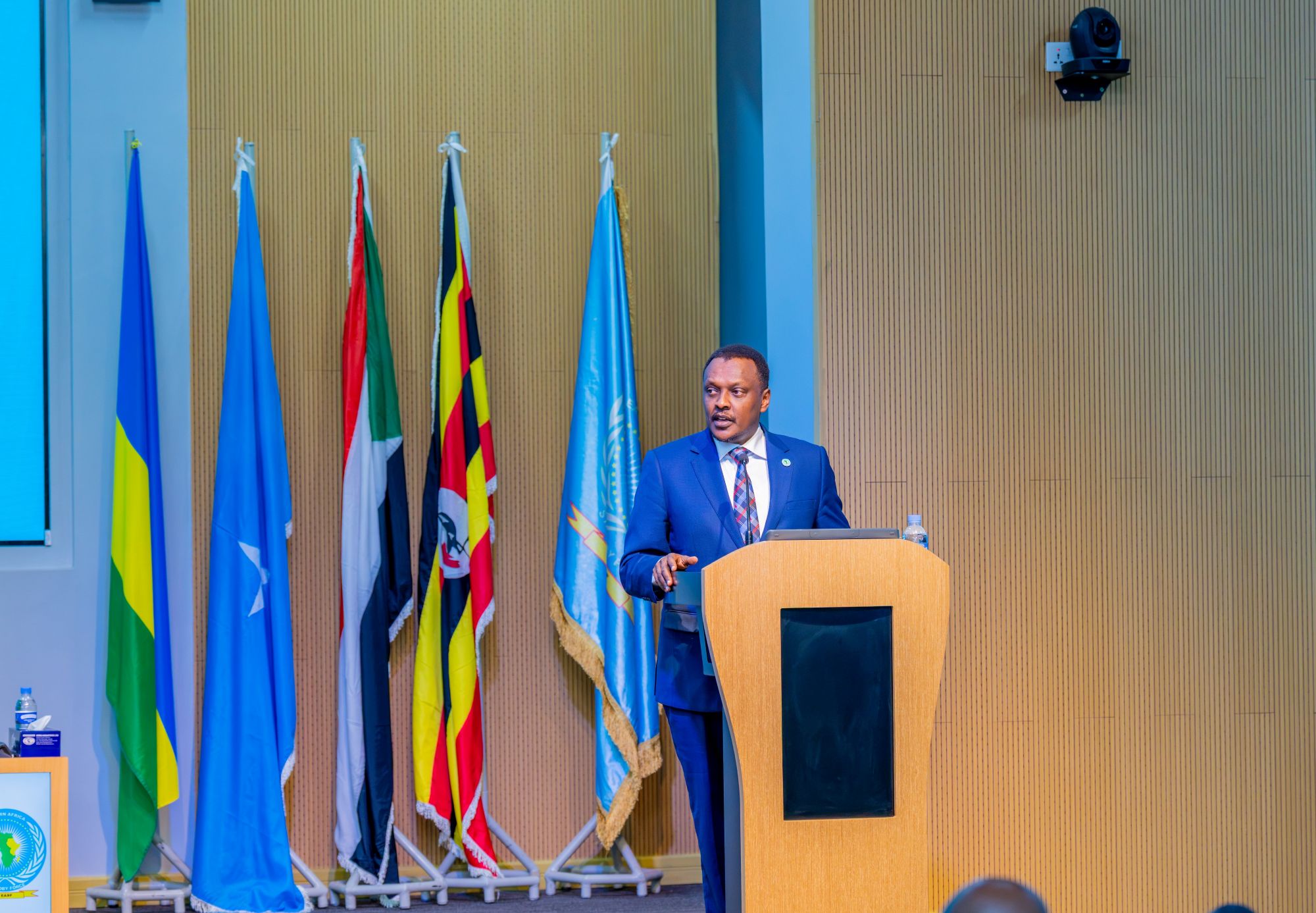
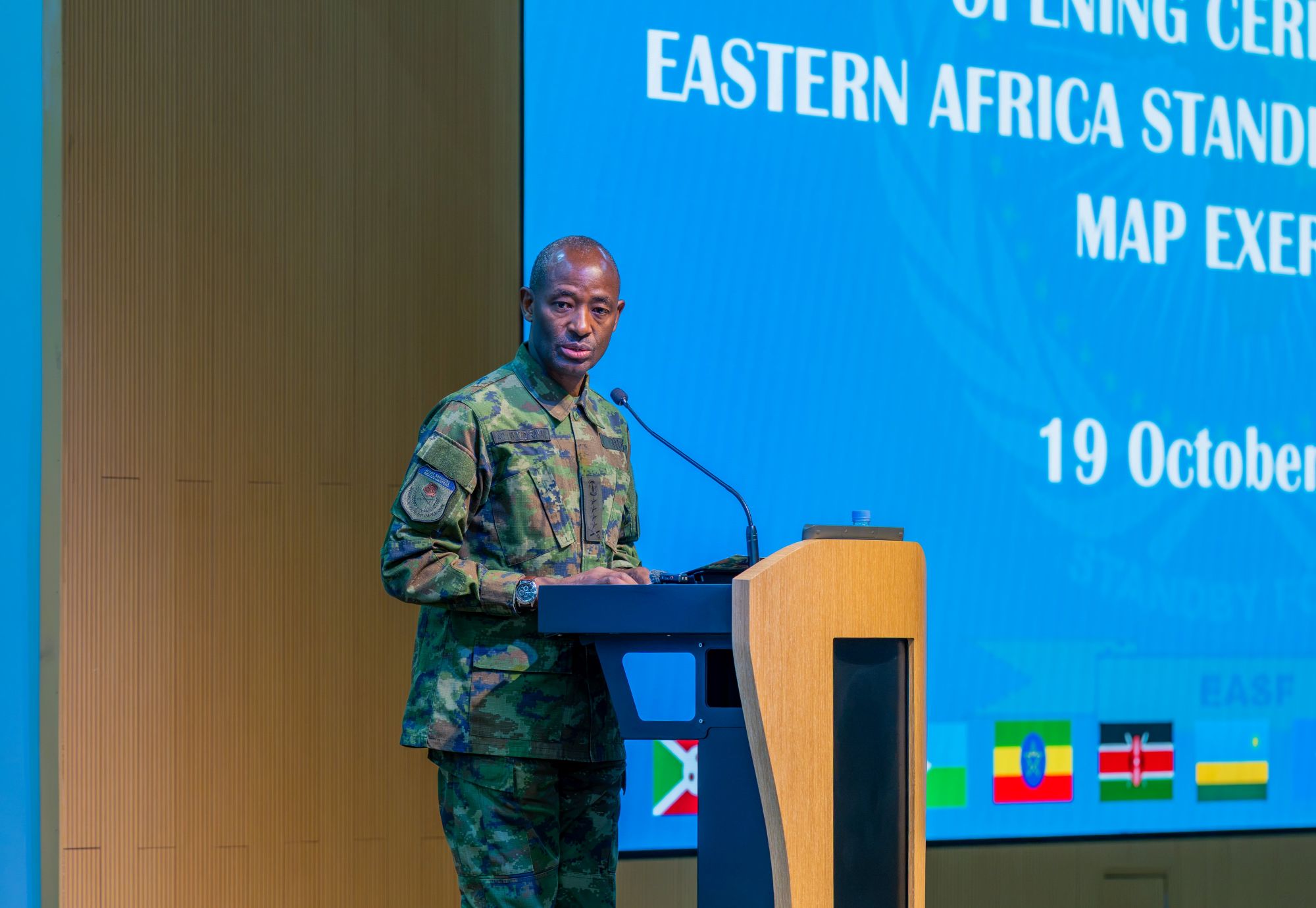
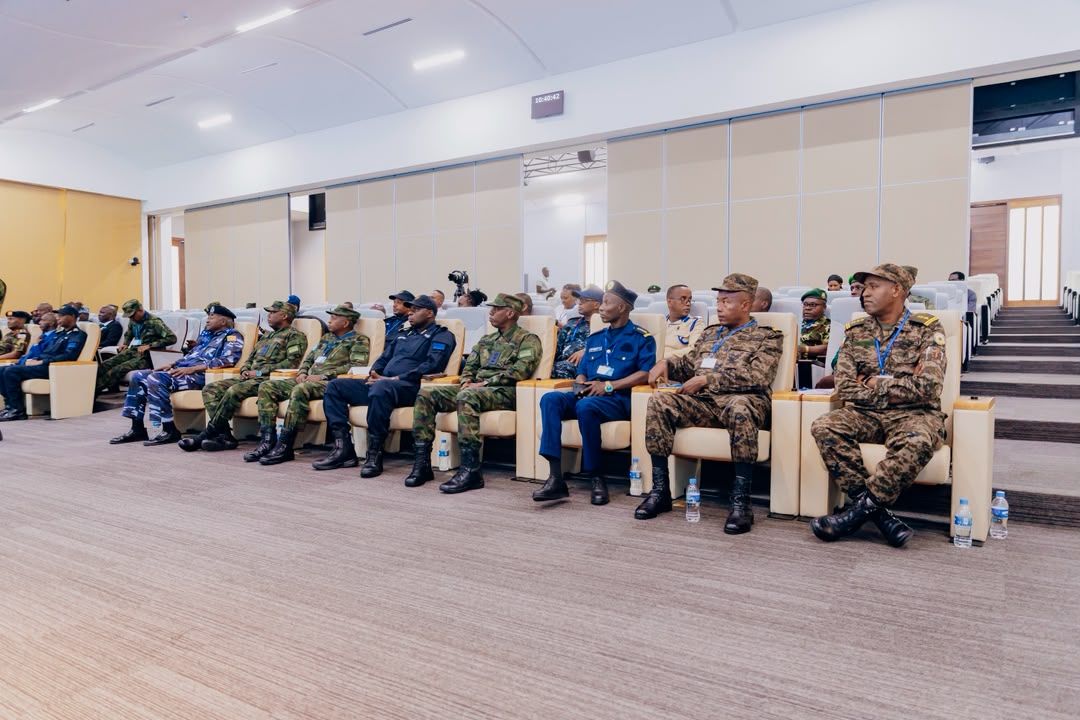
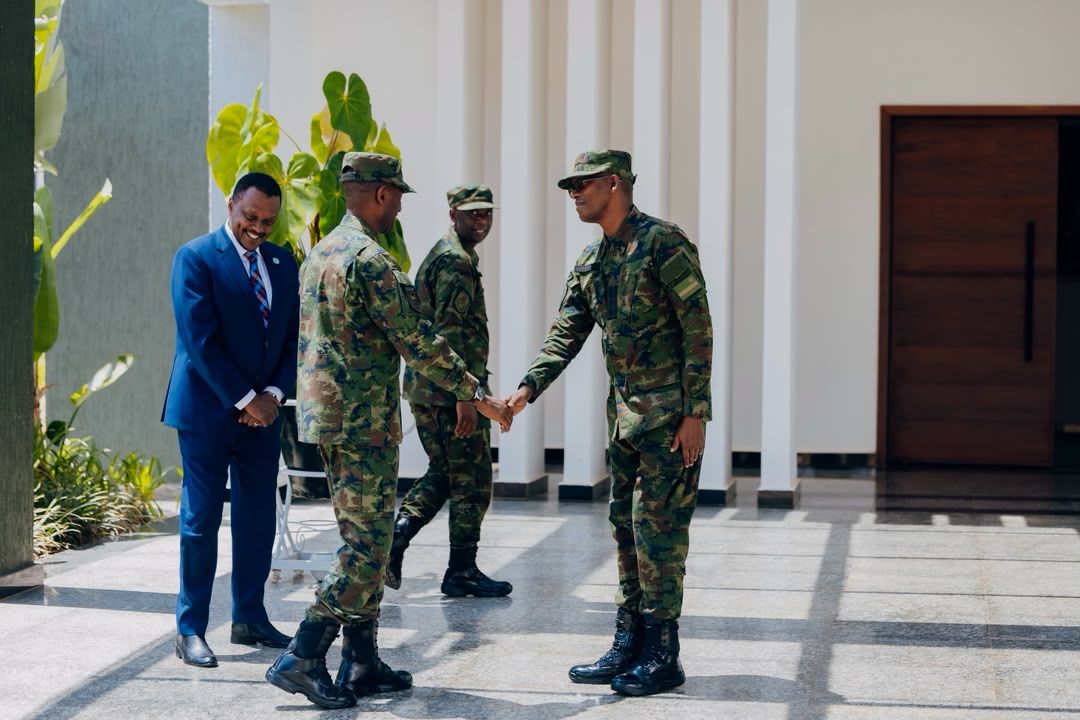
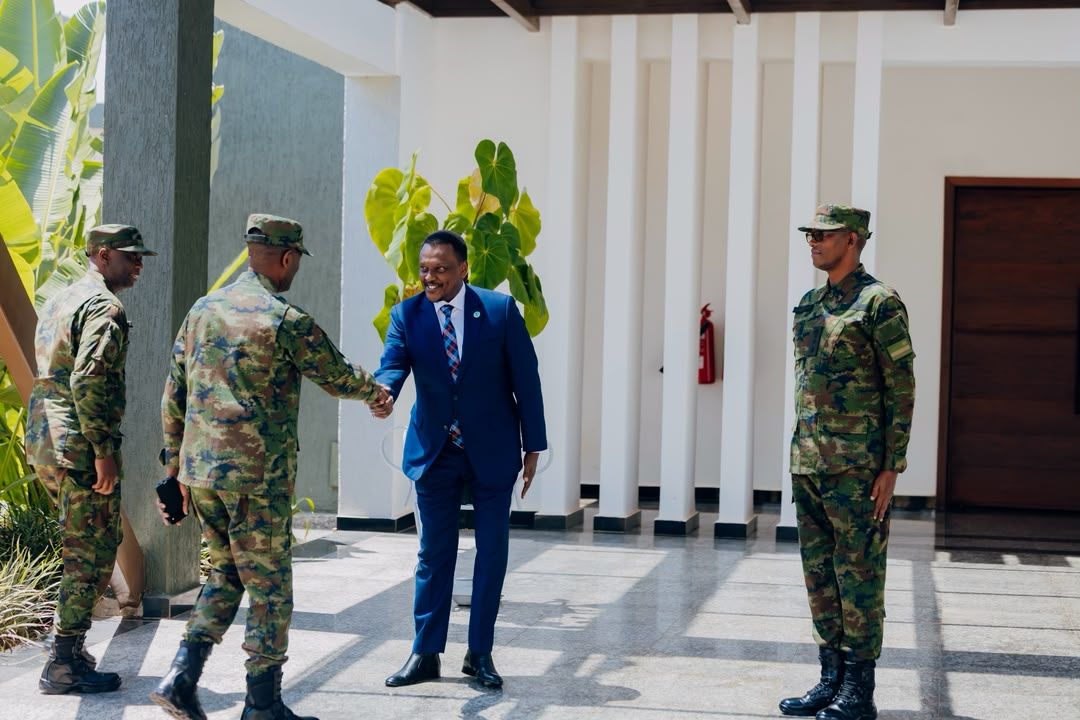
The force’s Director General, Brigadier General Ronald Rwivanga, made the call on October 19 during the opening of the EASF Logistics Map Exercise (MAPEX) 2026 at Rwanda Military Academy in Gako, Bugesera District.
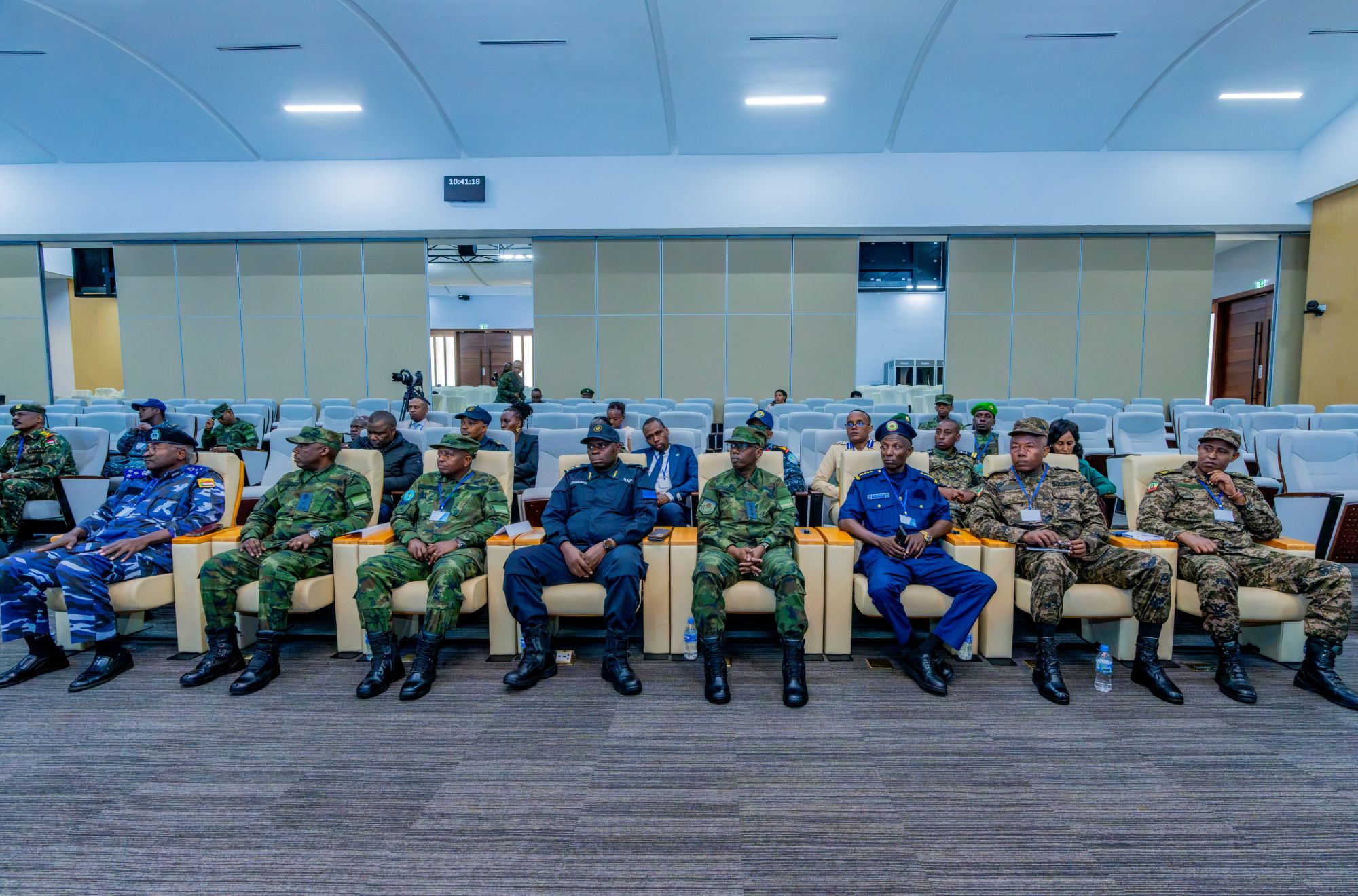
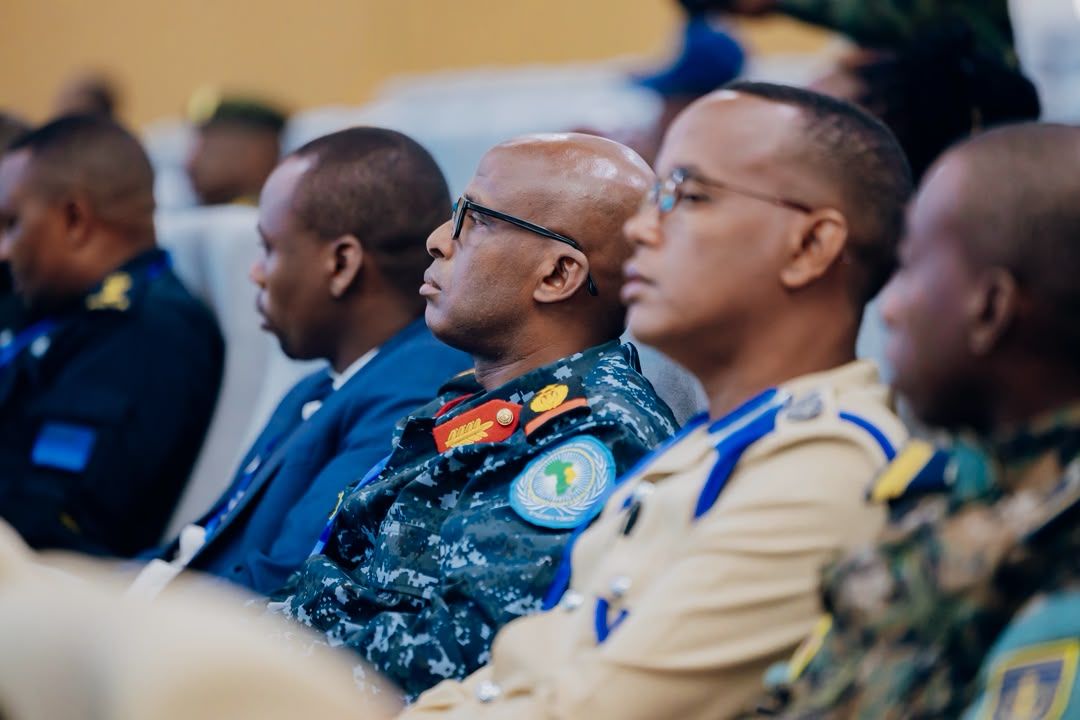
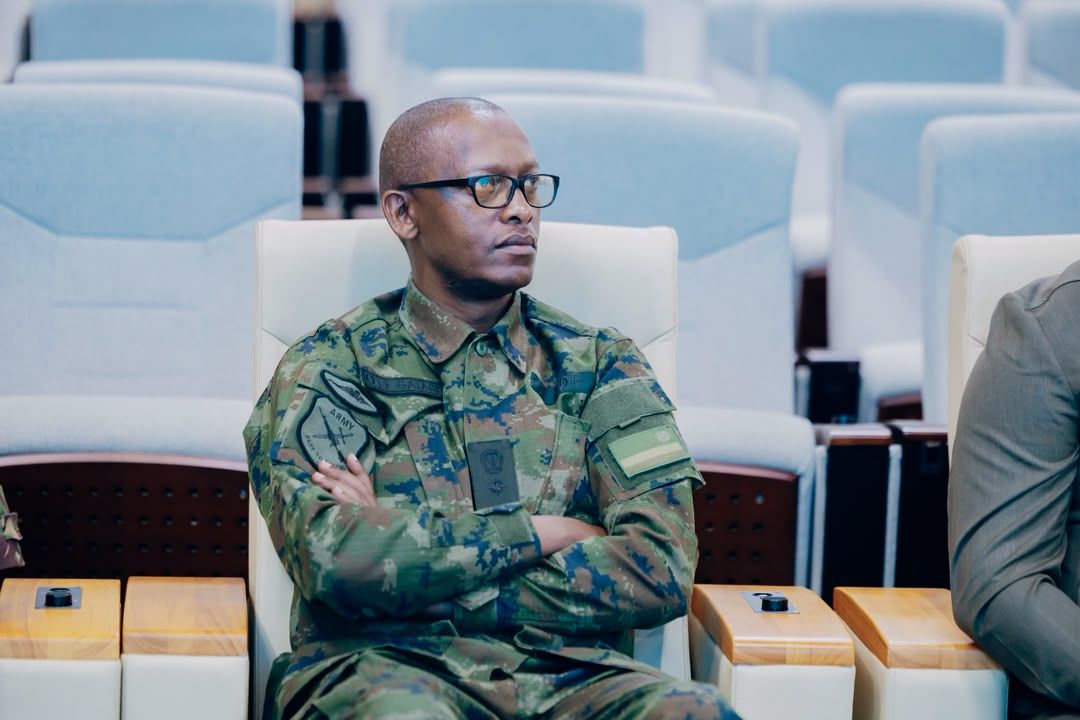
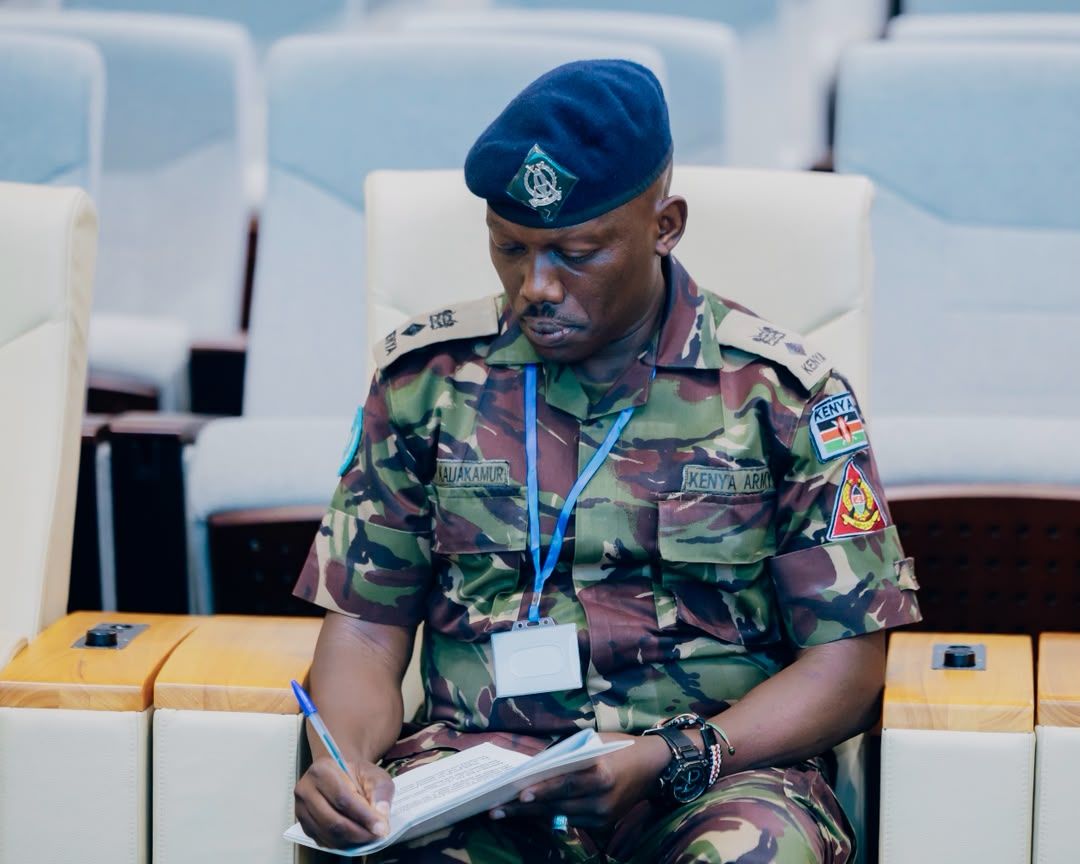
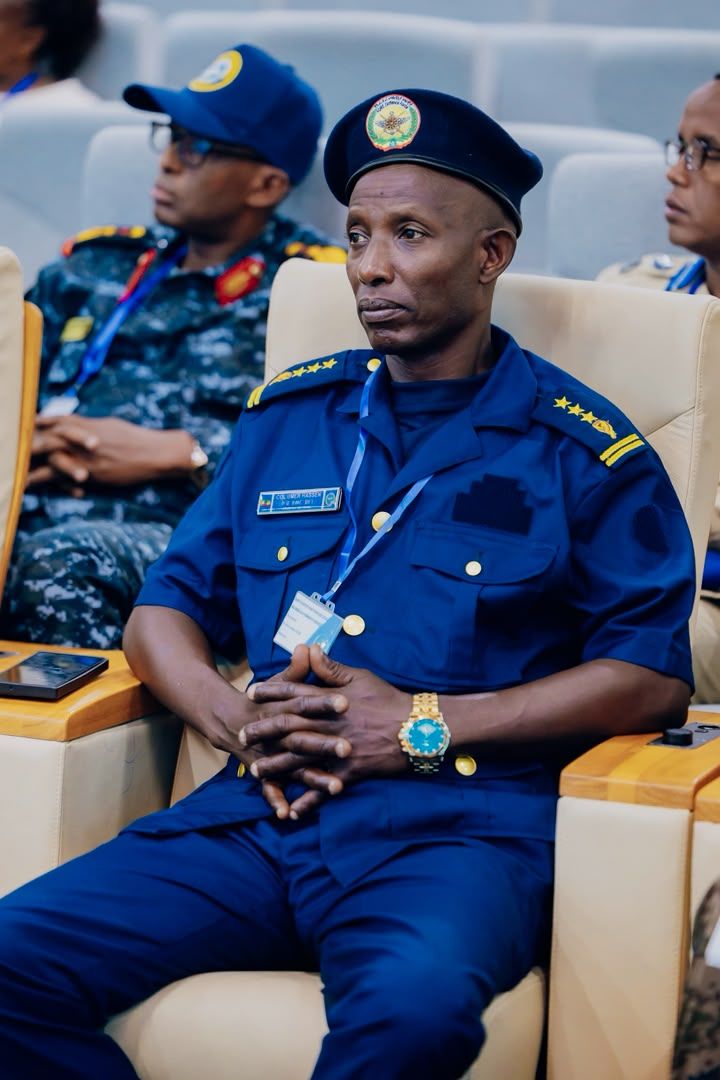
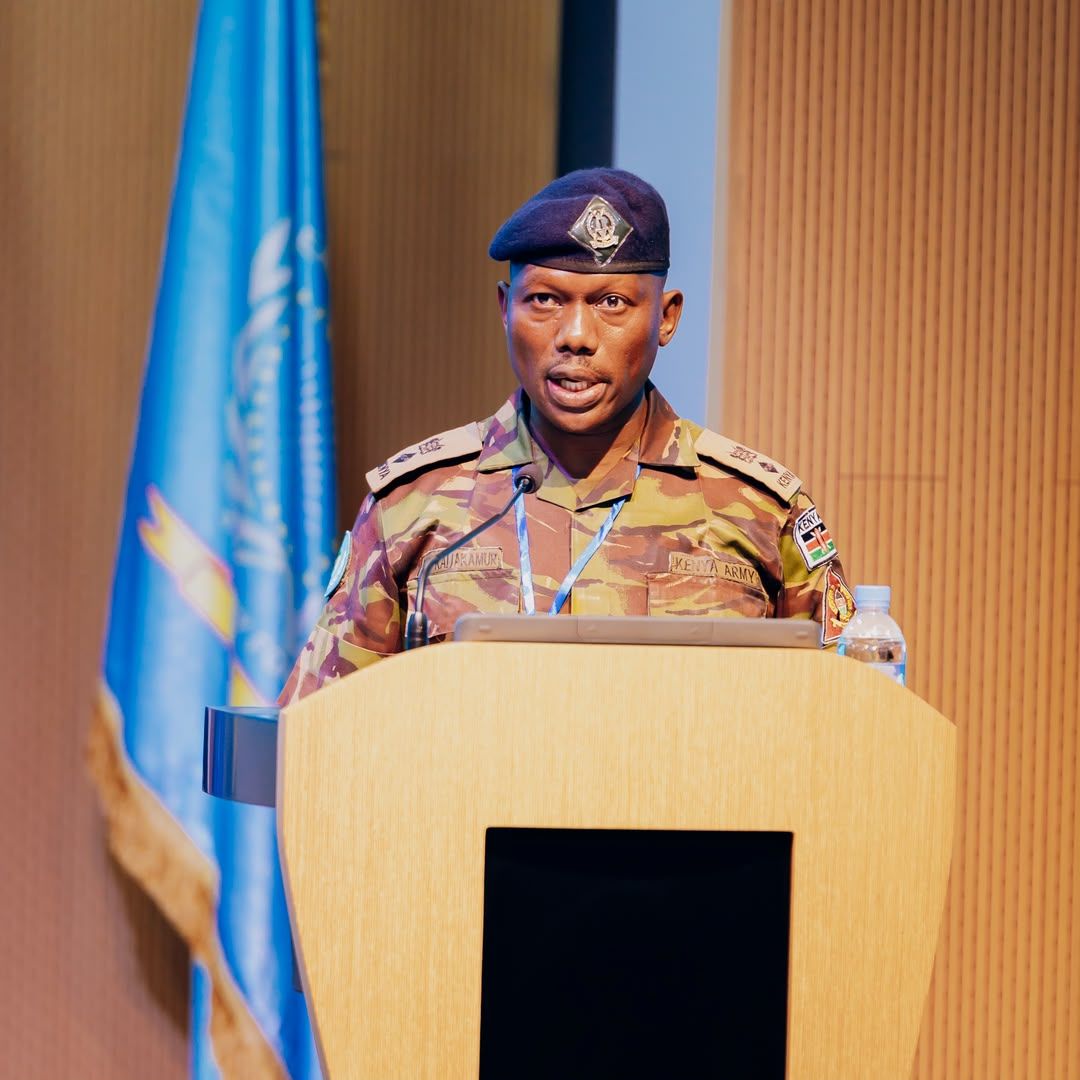
The exercise, taking place from October 19 to 31, brings together military, police and civilian personnel from EASF member states and partner institutions to test logistics planning and coordination for peace support operations and disaster response.
Addressing participants, Rwivanga said operational readiness should be measured by whether forces can deploy on time, arrive with the required capabilities and maintain their operations for as long as a mission demands.
“A force is not truly ready because it has been assembled. It is ready when it can deploy in time, arrive with the right capabilities, sustain itself in the operational environment and accomplish its assigned mission,” he said.
The exercise is designed to examine the force’s ability to translate its existing structures and commitments into an effective response to emergencies.
Rwanda’s Chief of Defence Staff, General Mubarakh Muganga, said the exercise would help identify logistical gaps and strengthen coordination among contributing countries.
“The success of this exercise will ultimately depend on our ability to translate the lessons identified into tangible improvements in our logistical systems, planning processes and operational readiness,” he said.
Under the theme “Project, Deploy, Sustain,” participants are expected to assess logistical requirements, identify capability gaps, examine deployment options and improve coordination among contributing countries.
Rwivanga, a former spokesperson for the RDF who took over as Director General of the regional force in May, said logistics should be treated as a strategic capability rather than an administrative function supporting military operations.
“In contemporary operations, logistics is not a supporting afterthought. It is a strategic capability, an operational multiplier and, in many circumstances, the difference between mission success and mission failure,” he noted.
He called for stronger supply-chain resilience, equipment maintenance, medical evacuation arrangements, fuel management, logistics information systems and predictable financing to ensure deployed forces can remain operational.
The Director General also emphasised the need for countries to identify available capabilities before planning missions, rather than relying on resources that may not be mobilised when required.
Disaster response among priorities
The exercise also seeks to improve the EASF’s ability to respond to humanitarian emergencies and natural disasters, including crises linked to extreme weather.
Rwivanga singled out El Niño-related disasters as a concern, saying the force must be prepared to respond when emergencies affect any of its member states.
“I can assure you that Scenario Seven is at the heart of the EASF today because of the El Niño phenomenon. We know we can predict that disasters are likely to occur in any of our Member States. Our readiness to respond to such a crisis is paramount,” he stressed.
He said deployments during humanitarian emergencies must be guided by assessed needs, host-country priorities, civilian protection and coordination with disaster management institutions and humanitarian partners.
The EASF comprises nine countries and has military, police and civilian components. Its role includes supporting regional responses to security challenges and authorised peace support operations. Its member states are Burundi, Comoros, Djibouti, Ethiopia, Kenya, Rwanda, Somalia, Sudan and Uganda.
As the exercise continues until October 31, the focus will be on turning identified logistics gaps into concrete actions that strengthen the EASF’s ability to respond to emergencies across the region.
For Rwivanga, the ultimate test of preparedness lies not in plans drawn on paper but in the force’s ability to act when lives are at stake.
“Our region will not be judged by the plans we have written. No. We will be judged by the lives we protect. We will be judged by the suffering we alleviate. And lastly, by the stability we restore,” he stated.
Loading comments...
Leave a comment