



At least 20 people were killed or wounded in an ambush in South Kivu on September 17, 2026, involving personnel working for the former U.S. Navy SEAL officer, according to reports.
Those killed included at least seven Congolese nationals and Justin Conaglen, a former member of New Zealand’s special forces. Tim Kennedy, a former US Army Special Forces soldier and mixed martial arts fighter, was among those wounded.
Reuters reported that Kennedy was shot three times in the leg and later evacuated to the United States for treatment. The New York Times reported that he sustained multiple gunshot wounds during fighting in the hills around Minembwe, where Conaglen was killed.
Kennedy was initially taken to Burundi before being transferred to South Africa and eventually flown to the United States, as efforts were made to evacuate the wounded and recover the bodies.
The ambush was not the first deadly incident involving Prince’s personnel in the DRC. Clashes in early September had already killed several Colombian mercenaries, according to reports, before the group that included Kennedy was attacked on September 17.
The incidents point to mounting losses among personnel deployed by Prince in different parts of South Kivu while supporting government forces against their adversaries.
How Tim Kennedy became involved in the DRC conflict
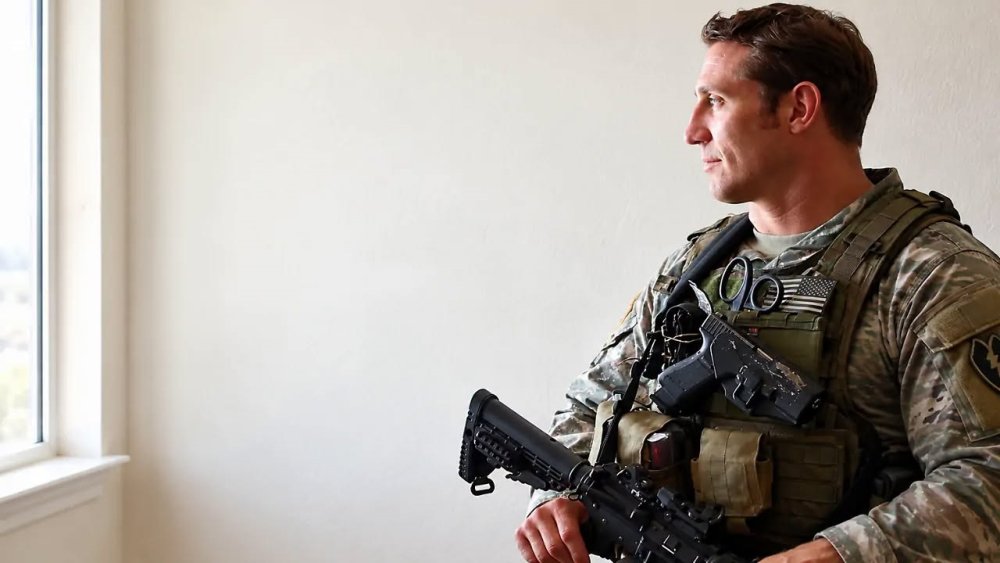
Kennedy previously served in the US Army Special Forces, known as the Green Berets, before establishing a career in mixed martial arts. He competed in the Ultimate Fighting Championship (UFC) before retiring from professional competition in 2017.
In September 2026, he was in the DRC as part of a team working for Prince, whose involvement in the country has expanded beyond providing security services to include support for military operations.
Prince founded Blackwater, a private military company that became prominent during US military operations in Iraq and Afghanistan. The company attracted international condemnation after its employees killed civilians in Baghdad in 2007.
Since then, Prince has pursued security and commercial ventures in several countries affected by conflict and instability, including in Africa.
In the DRC, his operations are conducted largely through Vectus Global, a company involved in security-related activities.
Prince’s deal with Kinshasa
Prince’s involvement in the DRC predates the September ambush.
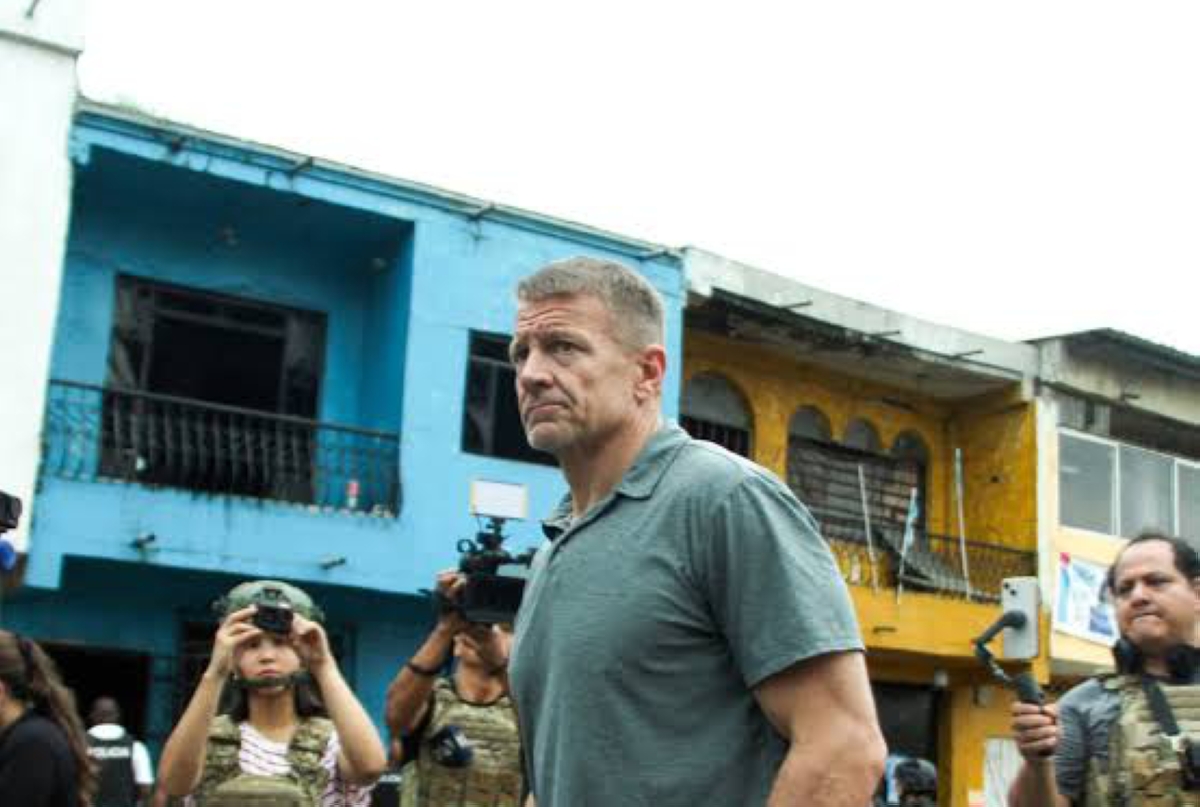
A report by the United Nations Group of Experts on the DRC indicates that the Congolese government entered into a five-year agreement with Prince in December 2024.
The arrangement covered security operations in North Kivu, South Kivu and Ituri, with plans to train and deploy personnel and provide aerial capabilities, including drones capable of carrying out attacks.
The agreement also envisaged the use of a system to oversee mineral tax collection, with the aim of increasing government revenue to help finance the operations.
The deal was valued at hundreds of millions of dollars over five years, although the amount paid to Prince has not been disclosed.
What was initially presented as an initiative to protect mining sites, monitor mineral trade and improve revenue collection has since extended to direct support for military operations.
Prince has supplied drones and personnel to assist Congolese forces in the conflict.
His personnel have maintained a presence in Kalemie, on the shores of Lake Tanganyika. The team includes drone operators from Colombia and Ukraine who have been involved in military operations.
Reuters reported that their role expanded in early 2026, when Prince’s personnel were deployed to Uvira. The total number of mercenaries working for him in the DRC remains unknown.
The risks facing foreign fighters in South Kivu
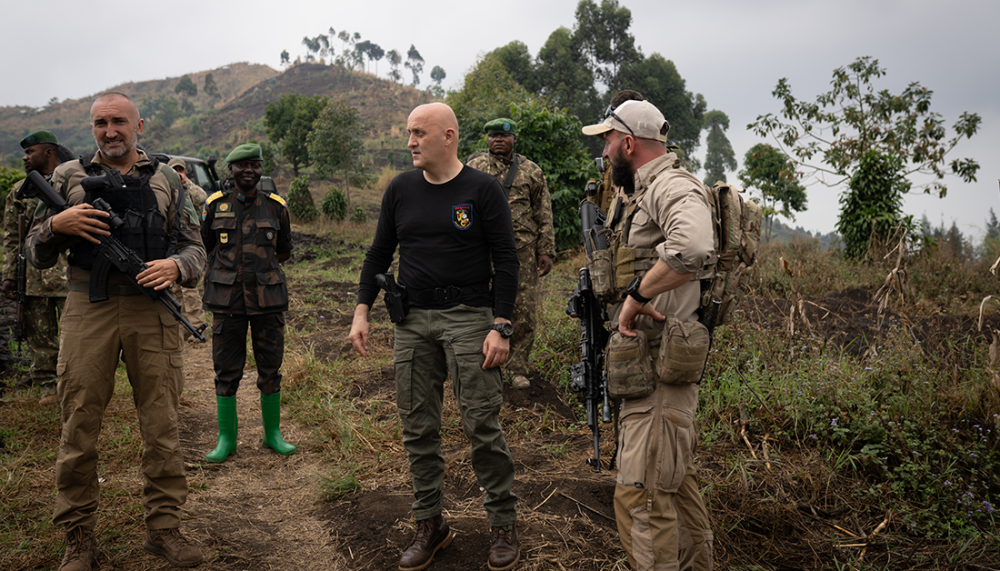
The September ambush near Minembwe highlighted the risks facing foreign personnel deployed to support Congolese government forces, even when they have experience in elite military units.
The circumstances surrounding the September 17 attack remain unclear. The New York Times quoted a person close to Prince describing it as an intense, prolonged battle that was made more difficult by insufficient support from Congolese forces.
The latest casualties come amid the Congolese government's continued reliance on foreign fighters.
In early 2025, when M23 captured Goma, nearly 300 foreign mercenaries working for the Congolese government, most of them Romanian, surrendered and left the country through Rwanda.
Their departure did not end Kinshasa's reliance on foreign personnel, with subsequent reports pointing to continued efforts to enlist outside support for military operations.
The use of foreign mercenaries has also featured in Rwanda's concerns over security in eastern Congo.
Rwanda has repeatedly argued that the Congolese army operates alongside several armed groups and foreign forces, including the FDLR, Wazalendo and Burundian troops, as well as foreign mercenaries. Kigali maintains that these arrangements pose a threat to its security.
Erik Prince’s controversial record
Prince's operations have repeatedly attracted scrutiny over their military and political implications.
Blackwater became notorious following the killing of civilians at Baghdad's Nisour Square in 2007. Several of its former employees were convicted in connection with the incident before US President Donald Trump pardoned them in 2020.
Prince has also faced controversy over activities in Africa. In 2019, mercenaries associated with him left Libya after an operation there encountered difficulties. UN experts have separately accused him of involvement in activities that breached sanctions imposed on Somalia.
In a 2024 interview, Prince made remarks that sparked debate over his views on US involvement in African countries, which he described as incapable of governing themselves.
According to The New York Times, when asked whether his proposals amounted to a new form of colonialism, Prince acknowledged that characterisation.
Zobel Behalal, a researcher who has studied mercenary operations in the DRC, said the government's decision to enlist Prince reflected weaknesses in the Congolese military. He added that civilians ultimately bear the cost of the conflict.
Loading comments...
Leave a comment