




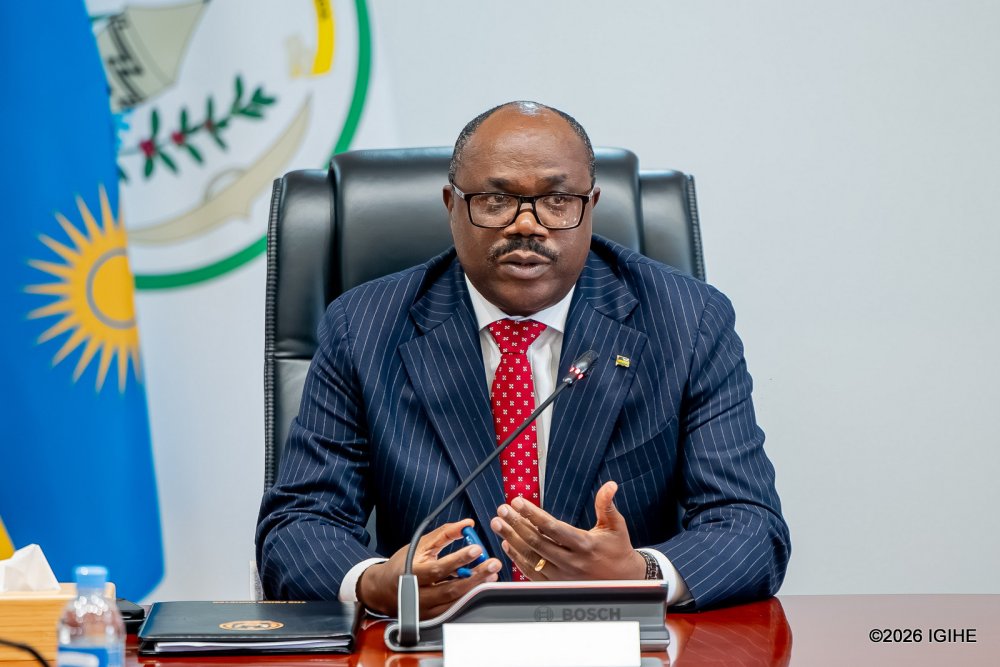
He made the remarks on Saturday during a press briefing on Rwanda’s economic situation and the impact of ongoing global tensions, particularly in the Middle East, on fuel prices and the wider economy.
According to the Prime Minister, diesel prices have risen by about Rwf 700 per litre due to increases on the international market. However, he noted that the government continues to cushion consumers through a subsidy that currently covers about 18.26% of the cost.
He explained that the official price released by RURA already reflects this support.
“In reality, the market price without subsidy would have been Rwf 3,581 per litre, but it was set at 2,927 Rwf,” he said.
On June 5, 2026, RURA announced that from June 6, the maximum pump prices would remain at Rwf 2,938 per litre for petrol and Rwf 2,927 for diesel.
Data shows that fuel prices have risen sharply since March 2026. Petrol has increased by about 47.7%, rising from Rwf 1,989 to Rwf 2,938 per litre, while diesel has gone up by 50.3%, from Rwf 1,948 to Rwf 2,927.
Diesel has seen a steeper rise between April and June, climbing from Rwf 2,205 to the current price level, while petrol has remained stable since mid-April at Rwf 2,938.
Dr. Nsengiyumva said the government will continue intervening to limit the impact of rising fuel costs on citizens’ livelihoods.
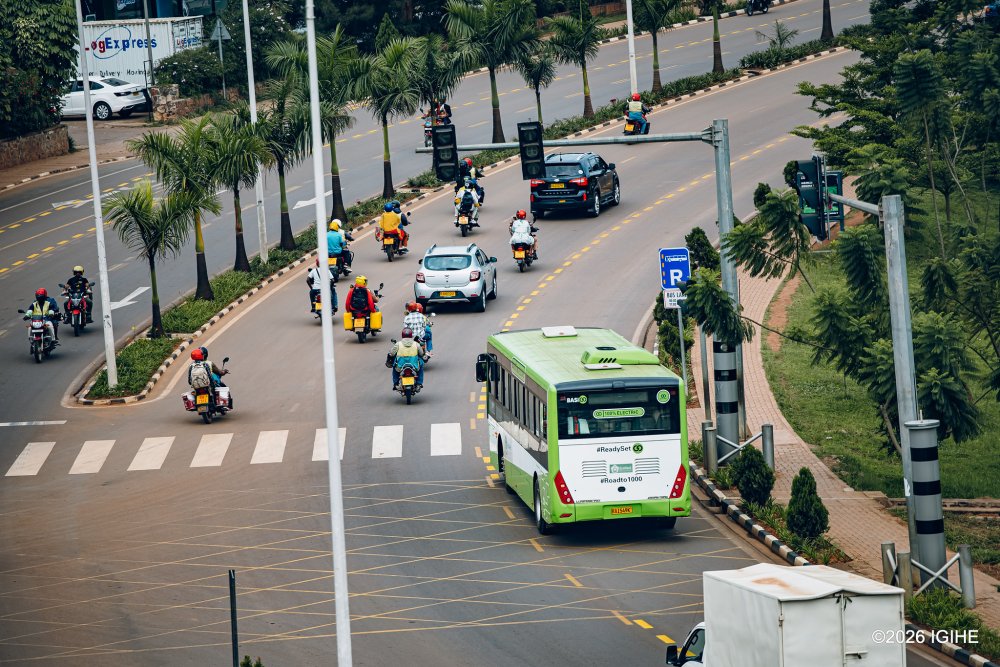
The Prime Minister further highlighted that subsidies will continue in key sectors, particularly public transport, to prevent fare increases.
He gave the example of a trip from Nyabugogo to Musanze, which would cost Rwf 4,281 without subsidies, but currently costs Rwf 3,821, with the government covering the remaining Rwf 460.
He added that agriculture will also continue to receive support through subsidies on inputs such as fertilizers and irrigation, as part of efforts to shield the sector from global economic pressures.
Loading comments...
Leave a comment