




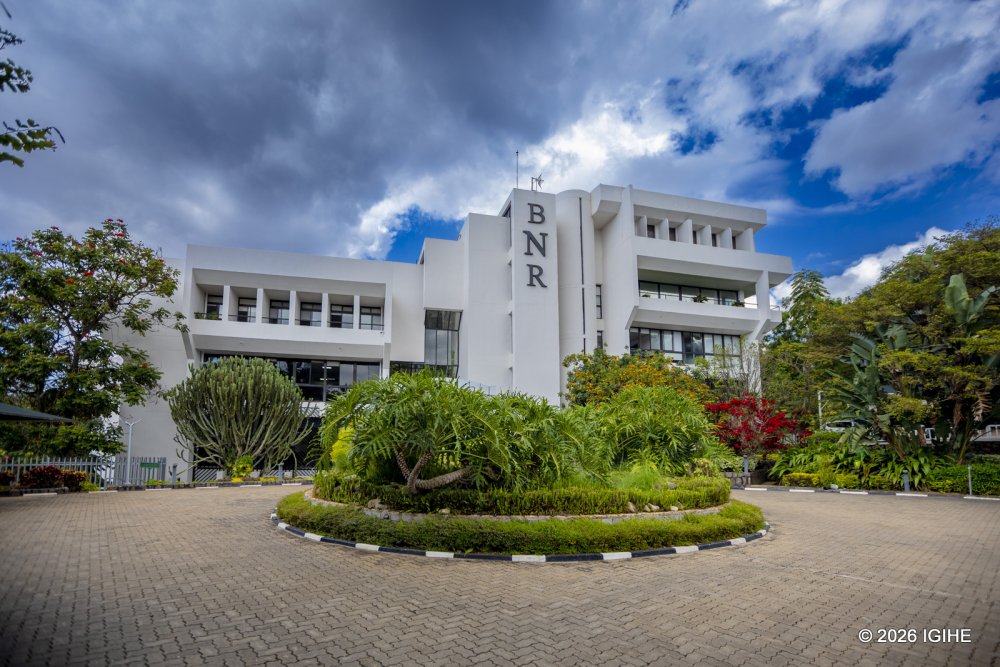
The move reflects growing price pressure driven by both domestic and global factors, including higher fuel and transport costs linked to international disruptions.
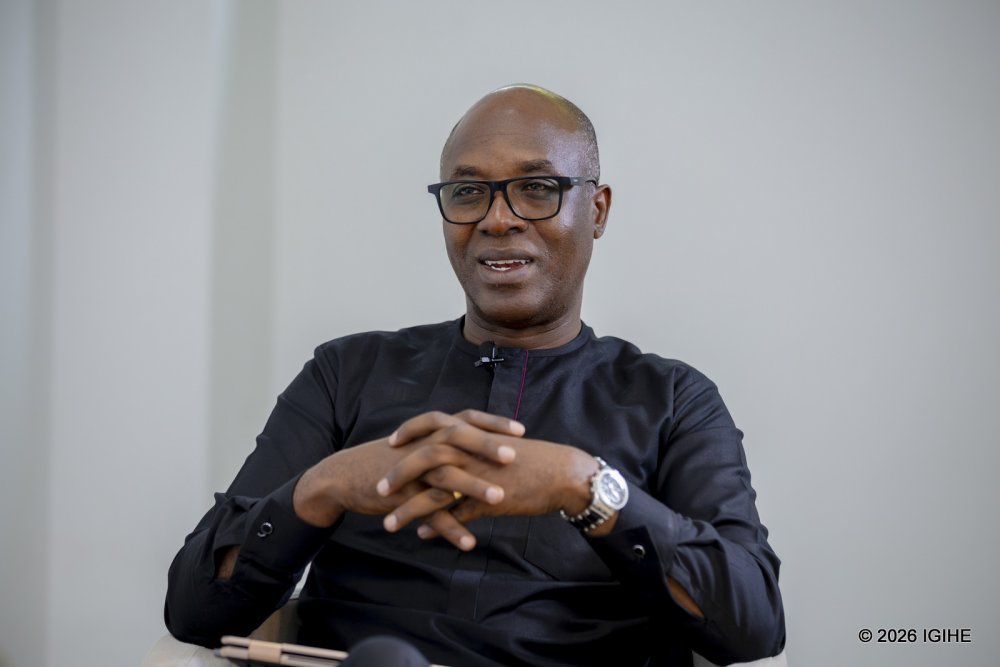
Explaining the decision in an exclusive interview with IGIHE, Prof. Kasai Ndahiriwe, Director of the Monetary Policy Department at BNR, said the central bank is guided by inflation projections and the need to keep price increases within a sustainable range.
“When the Monetary Policy Committee observes that inflation is increasing or is expected to rise beyond the BNR target range of 2% to 8%, action is taken. Inflation should ideally not exceed 8%,” Prof. Kasai said.
He added that the policy rate is one of the key tools used to manage inflation by influencing the cost of borrowing and overall demand in the economy.
“When goods become more expensive, people tend to buy less. Conversely, when prices are lower, consumption increases,” he explained.
According to him, raising the policy rate is designed to reduce excess money circulation in the economy by making borrowing more expensive for households and businesses.
“When BNR raises the policy rate, it signals banks and borrowers to be more cautious in their spending. It is essentially a message encouraging reduced spending to help control inflation,” he said.
Inflation pressures driving policy decisions
Inflation in Rwanda has shown a steady upward trend since the beginning of 2026, rising from 8.9% in January to 9.2% in February and March, before reaching 13% in April.
Prof. Kasai noted that both domestic conditions and global shocks have contributed to the rise in prices.
“The inflation projections show that the rate will remain above 8% this year and in the early part of next year,” he said.
He pointed to external disruptions, including geopolitical tensions affecting global oil supply routes such as the Strait of Hormuz, which handles a significant share of global petroleum trade.
“Intense global developments, including conflicts affecting oil transport routes, have impacted fuel prices, transport costs, and ultimately inflation,” he added.
The BNR adjusts the policy rate depending on how far inflation is from the target range. In the current environment, inflation has moved significantly above the upper limit of 8%, prompting stronger action.
Prof. Kasai said the size of the increase reflects the severity of inflationary pressure.
“A 1% adjustment reflects the fact that inflation is far from the desired range for the Rwandan economy,” he said, noting that forecasts for 2026 point to inflation levels around 13.9%.
Economic growth remains strong despite inflation
Despite inflationary pressures, Rwanda’s economy continues to show strong performance. Real GDP grew by 9.4% in 2025, while economic activity expanded further in early 2026, with the Composite Index of Economic Activities (CIEA) rising by 16.5% in Q1 2026.
External trade also strengthened, with merchandise exports increasing by 63.2% year-on-year in Q1 2026, driven by higher coffee and mineral export volumes and stronger prices. Non-traditional exports rose by 64.8%, led by processed cooking oil and wheat flour.
Prof. Kasai emphasised that strong growth and high inflation can occur at the same time, and should be assessed separately.
“When you look at the economy of Rwanda, GDP has continued to grow strongly. That is one side,” he said.
For ordinary citizens, the policy rate increase translates into higher borrowing costs as commercial banks adjust their lending rates.
However, BNR maintains that the objective is to stabilise prices and protect purchasing power in the long run.
The central bank expects inflation to gradually return within its target range by around 2027, depending on how global and domestic pressures evolve.
Loading comments...
Leave a comment