





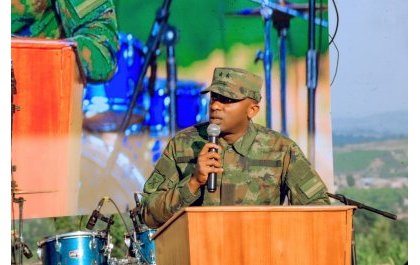
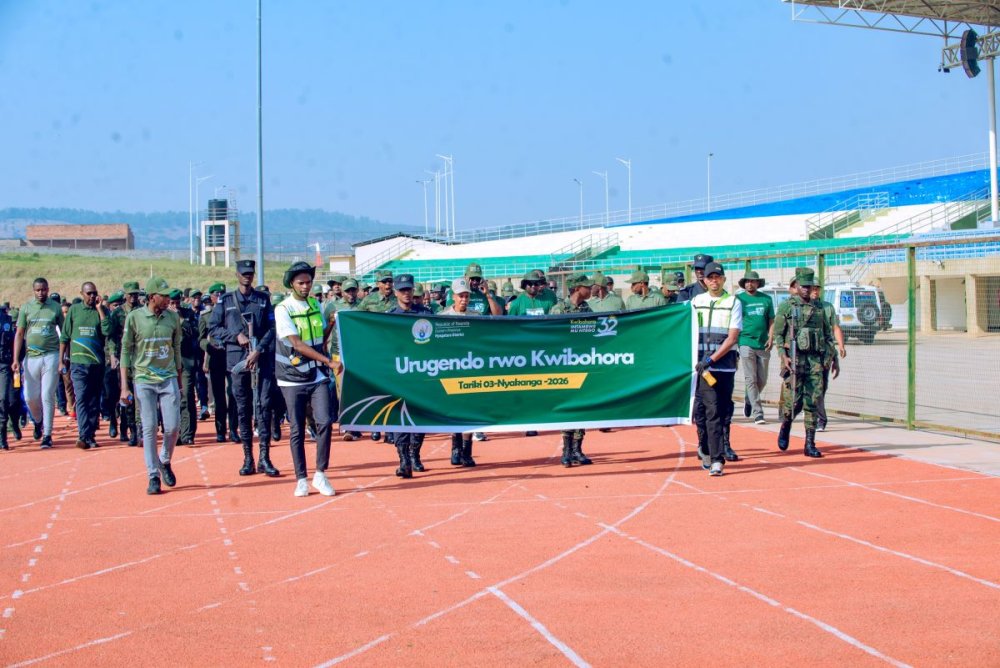
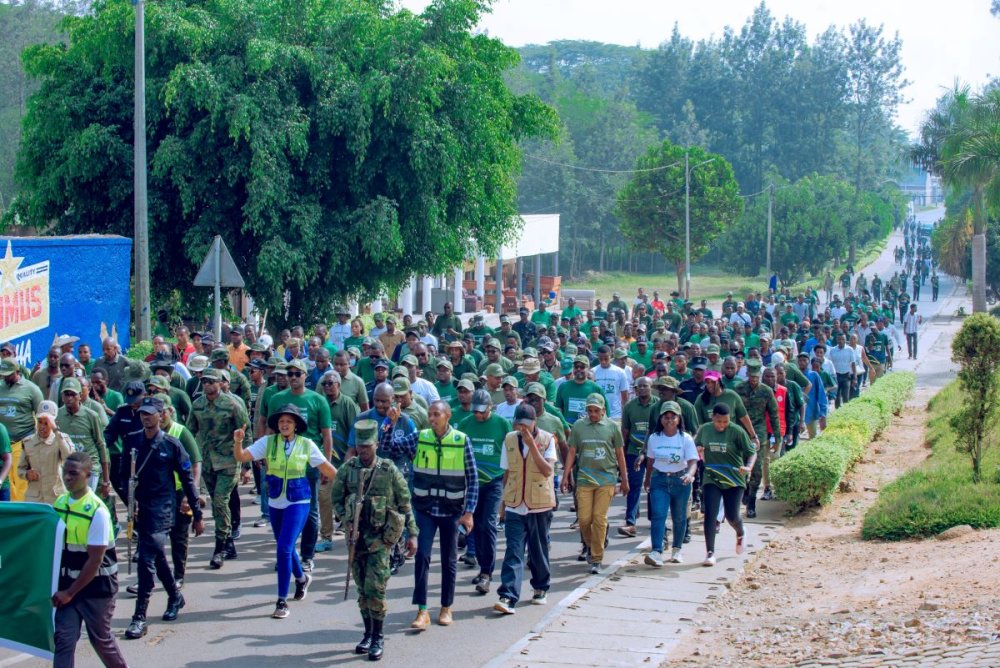
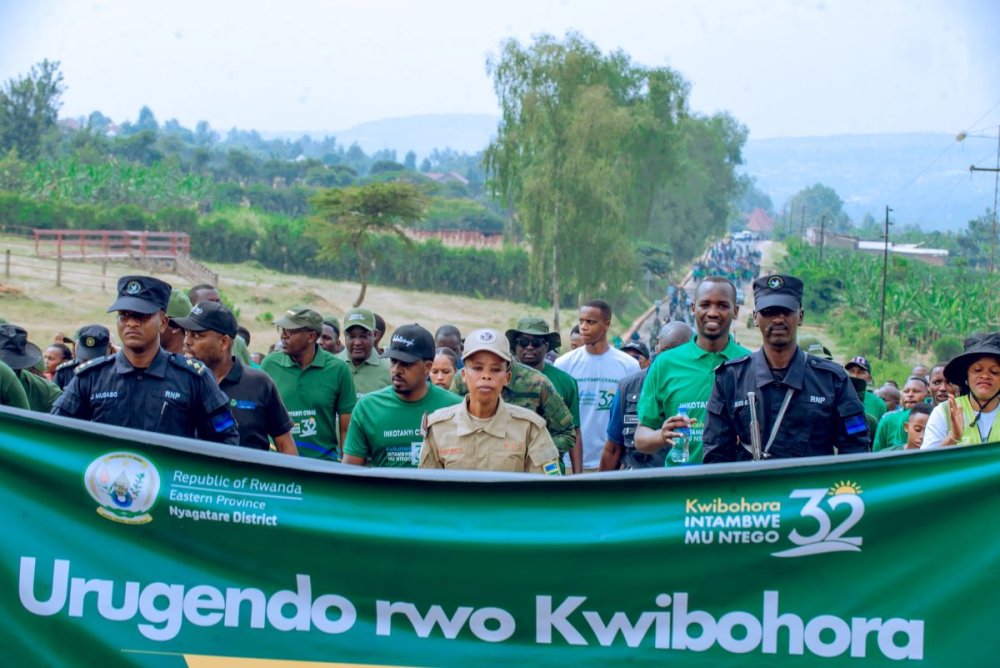
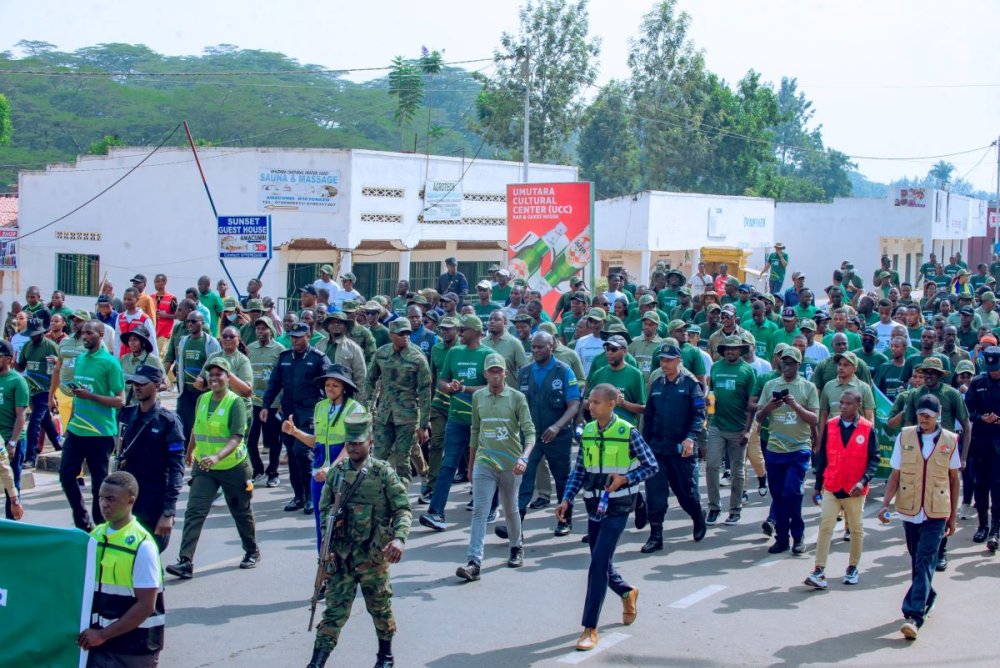
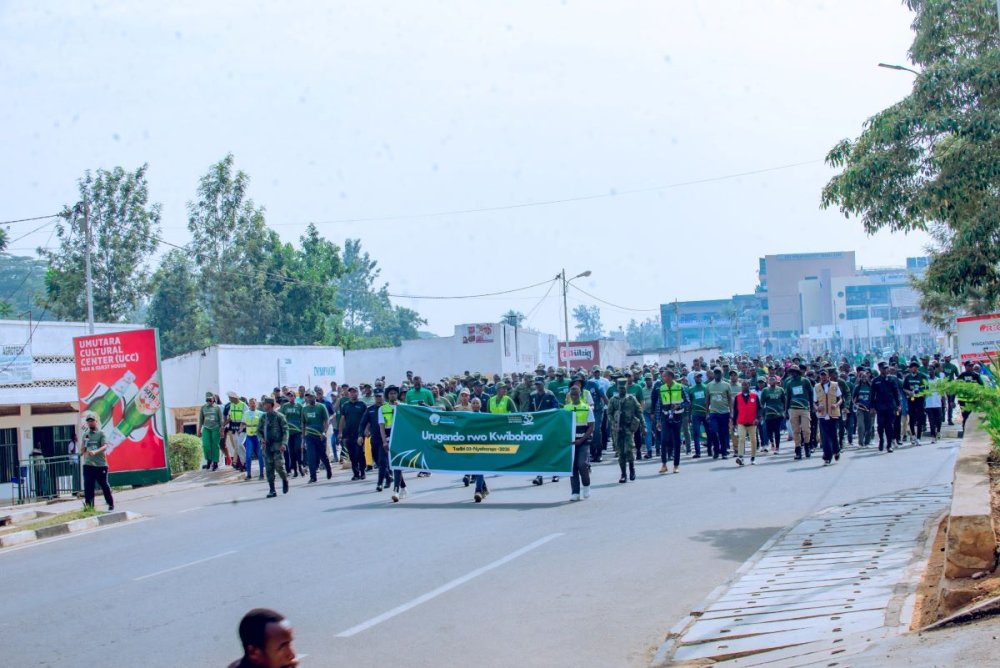
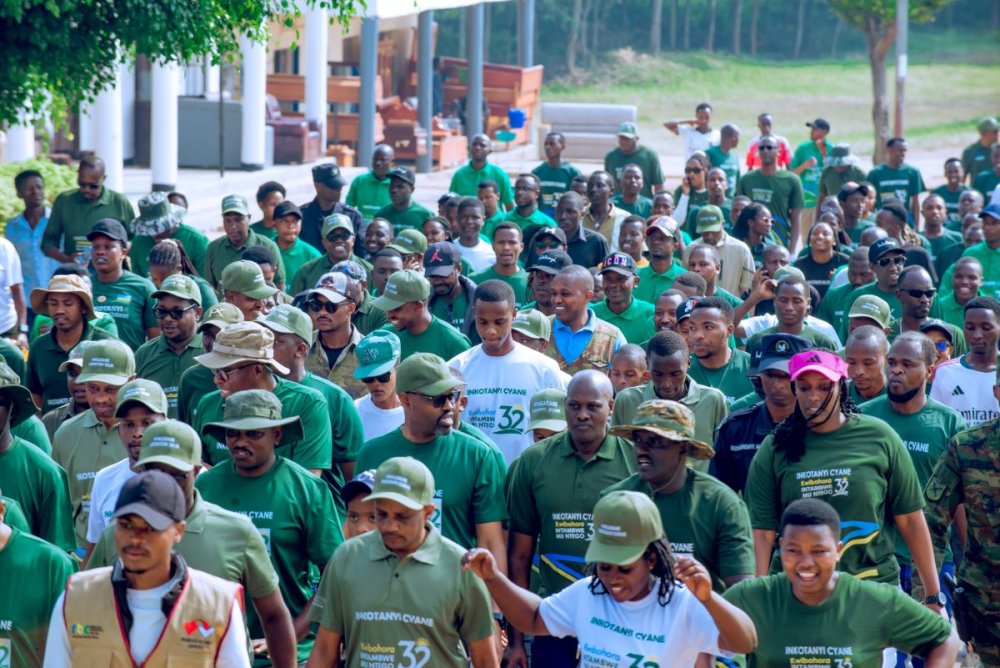
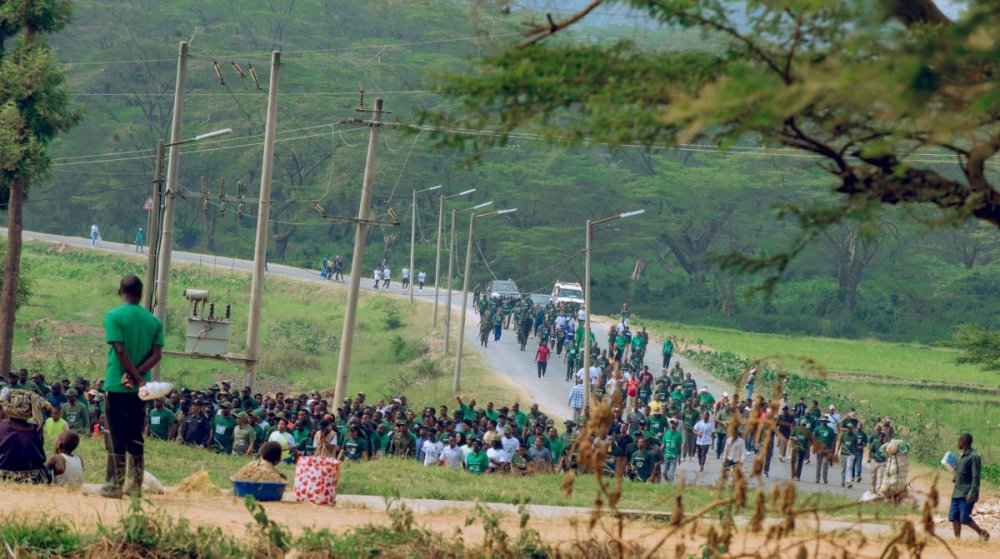
He made the remarks on Friday, July 3, 2026, during a 23-kilometre Liberation Walk that brought together residents, government officials and young people from all districts of the Eastern Province as part of activities marking the 32nd anniversary of Rwanda's liberation.
More than 4,500 participants took part in the walk, which started at Nyagatare Stadium and ended in Tabagwe Sector at Gasantimetero, a historic site where President Paul Kagame once stayed in a bunker during the early stages of the liberation struggle.
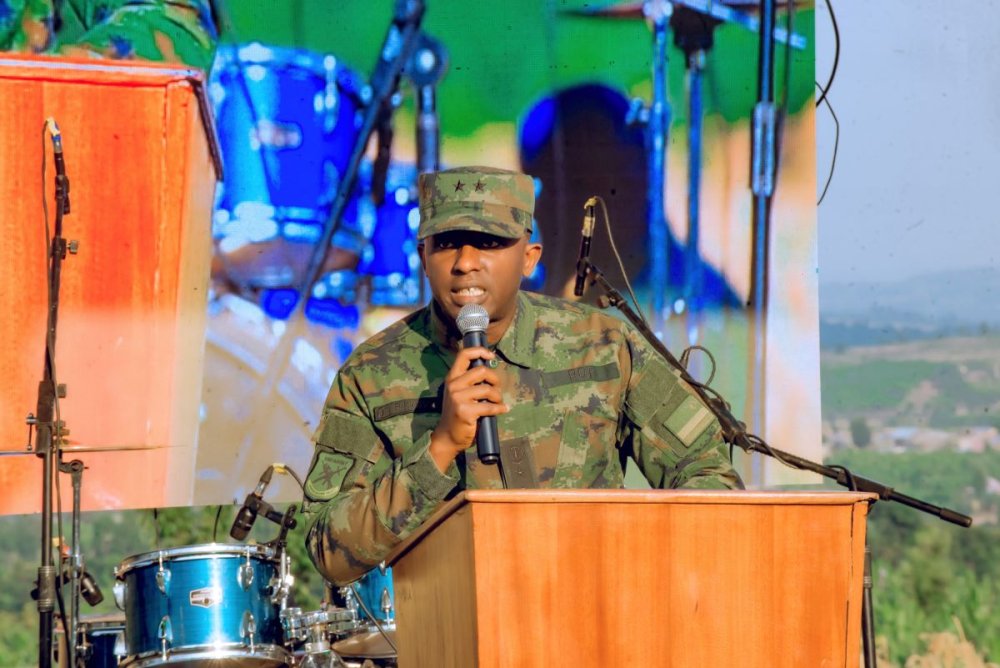
Addressing participants, Maj. Gen. Karusisi said Liberation Day represents far more than an annual celebration, describing it as a symbol of courage, sacrifice, patriotism and visionary leadership.
"Liberation is not merely a day to celebrate; it represents a history of heroism, selflessness, love for one's country and a clear national vision," he said. "It reminds us that when Rwandans are united, determined and guided by visionary leadership, there is nothing beyond our reach."
Maj. Gen. Karusisi recalled that many Rwandans were forced into exile after being denied the right to live in their own country. He explained that although refugees repeatedly sought to return home through peaceful means, those efforts proved unsuccessful, leaving them with no option but to launch the liberation struggle on October 1, 1990.
He noted that throughout the liberation war, the Rwanda Patriotic Army (RPA) was commanded by President Paul Kagame, who now serves as Rwanda's President and Commander-in-Chief of the Rwanda Defence Force.
Reflecting on the 1994 Genocide against the Tutsi, Maj. Gen. Karusisi said more than one million people lost their lives while the international community failed to stop the atrocities. He said President Kagame ordered the RPF-Inkotanyi forces to end the genocide, which they successfully halted on July 4, 1994, paving the way for a new chapter in Rwanda's history.
"Liberation did not end with the war," he said. "After stopping the Genocide against the Tutsi, our Commander embarked on the enormous task of rebuilding a nation that had been devastated, fostering unity among Rwandans, establishing strong institutions and laying the foundation for sustainable development."
He said Rwanda has since transformed into one of the world's safest and most peaceful countries, recognized for its cleanliness, stability, development and clear national vision.
"These achievements are the result of visionary leadership under our President and the collective commitment of Rwandans to rebuilding their country," he said.
Maj. Gen. Karusisi stressed that visiting sites along the Liberation Route is not simply about remembering history, but also about honouring the sacrifices made by those who fought for Rwanda's freedom.
"When we walk this Liberation Route, we are not merely revisiting history," he said. "We are reminding ourselves that the peace we enjoy today was bought with the blood of many heroes."
He urged Rwandans, particularly the youth, to draw inspiration from the courage and sacrifice of the country's liberators and remain committed to building an even stronger Rwanda.
"Our Commander continually reminds us that Rwanda will be built by Rwandans themselves," he said. "That message challenges us not to expect others to build our future for us."
Maj. Gen. Karusisi added that peace creates an environment where citizens can work, prosper and contribute to national development while ensuring children grow up in a secure and stable society.
He called on every Rwandan to actively safeguard the country's security by becoming part of the solution rather than contributing to challenges.
"Our country needs citizens who think of solutions, work diligently, respect the law and remain united," he said. "The strength and dignity of our nation depend on the value we place on ourselves. If we continue to protect what we have achieved and remain united, nothing will prevent us from accomplishing the goals we have set for our country."
The Governor of the Eastern Province, Pudence Rubingisa, also urged young people to draw inspiration from the heroes who liberated and rebuilt Rwanda. He called on them to preserve the country's hard-earned achievements and ensure they are protected for future generations.


Loading comments...
Leave a comment