




From generating content to analysing consumer data, AI is enabling businesses to work faster and more efficiently than ever before.
The technology has become an essential tool for marketers worldwide, helping simplify tasks, improve productivity and support better decision-making.
According to OpenAI, the company behind ChatGPT, the platform is now used by hundreds of millions of people globally, demonstrating how quickly AI has become part of everyday life.
However, as businesses increasingly embrace AI, experts warn that technology alone is no longer enough to create a competitive advantage.
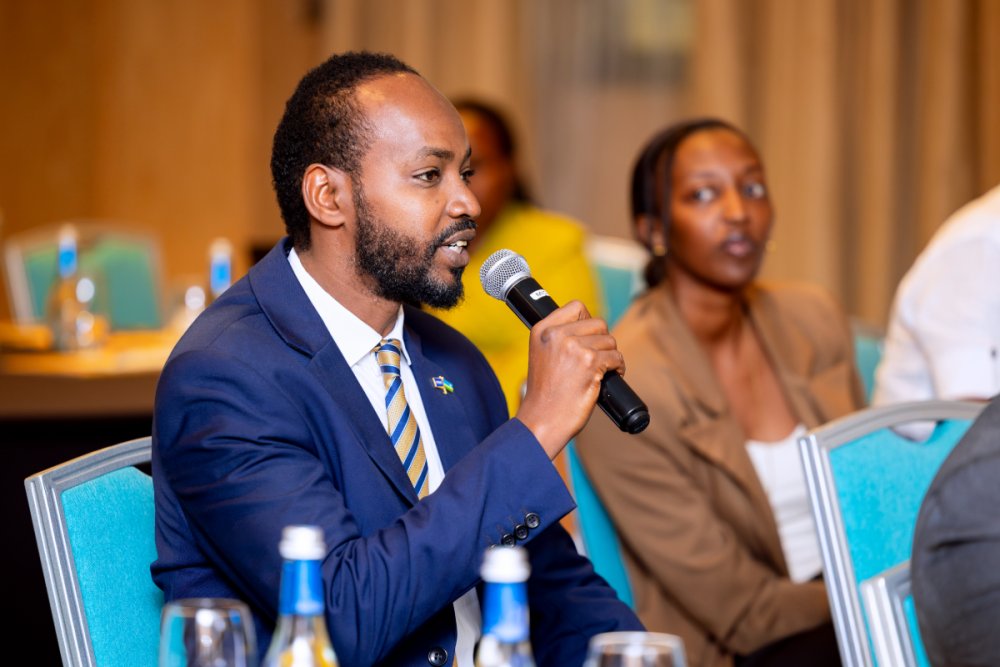
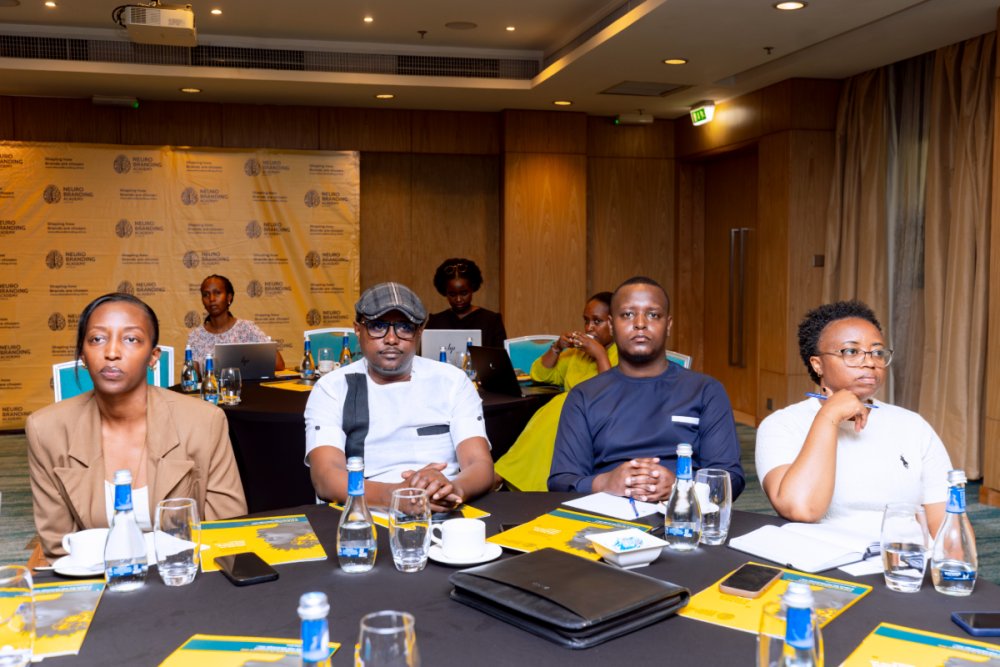
It is against this backdrop that NeuroBranding Academy Africa recently organised a sold-out Executive Masterclass in Kigali, bringing together marketing professionals, business leaders and communication experts to explore how neuroscience can help organisations better understand consumer behaviour and decision-making.
NeuroBranding strategist and Chief Executive Officer of NeuroBranding Academy Africa, Nurveen Ratty, said Artificial Intelligence has democratised content creation, allowing almost everyone to produce marketing messages quickly and at scale.
"The challenge today is no longer creating content," Ratty said. "The challenge is creating content that people actually notice, remember and act upon."
He explained that consumers are now exposed to thousands of marketing messages every day, forcing the brain to filter out most of what it sees.
"If everyone can produce content using the same AI tools, visibility becomes the real challenge. Businesses therefore need to understand not only what to communicate, but how the human brain processes information and ultimately makes decisions."
Ratty noted that many organisations still believe that publishing more content automatically leads to better results.
"In reality, people are scrolling through thousands of messages every day. More content does not necessarily mean more impact. The brands that succeed are those that understand attention, emotion, trust and memory—the factors that influence decision-making long before a purchase is made."
While AI continues to transform marketing, he stressed that it should be viewed as a powerful assistant rather than a replacement for human insight.
"AI can help us work faster, generate ideas and analyse data. But it cannot replace empathy, creativity or the psychology behind why people choose one brand over another. In the age of AI, understanding people is becoming the real competitive advantage."
Among the participants was Sonia Umwali from the Marketing and Communications Department at the Rwanda Social Security Board (RSSB), who said the training complemented her existing knowledge by introducing practical ways of aligning communication with customer behaviour.
"We learned new approaches to marketing that go beyond what we were previously doing, focusing more on presenting information in a way that reflects how customers make decisions," she said.
Jean Bosco Mugemangago, an employee at BPR Bank Rwanda Plc, said the masterclass highlighted the importance of balancing technology with human understanding.
"The training showed us that AI is a valuable tool, but lasting marketing success comes from understanding customers and responding to their real needs," he said.
As Artificial Intelligence continues to reshape the marketing landscape, Ratty believes organisations that combine technological innovation with a deeper understanding of human behaviour will be better positioned to build stronger brands and long-term customer relationships.

Loading comments...
Leave a comment