




Speaking in an interview with combat sports journalist Tim Wheaton, PFL Africa General Manager Elias Schulze said Kigali has already proven itself as a reliable and high-performance host city, and expressed his wish for it to become the “anchor” of the league’s African calendar.
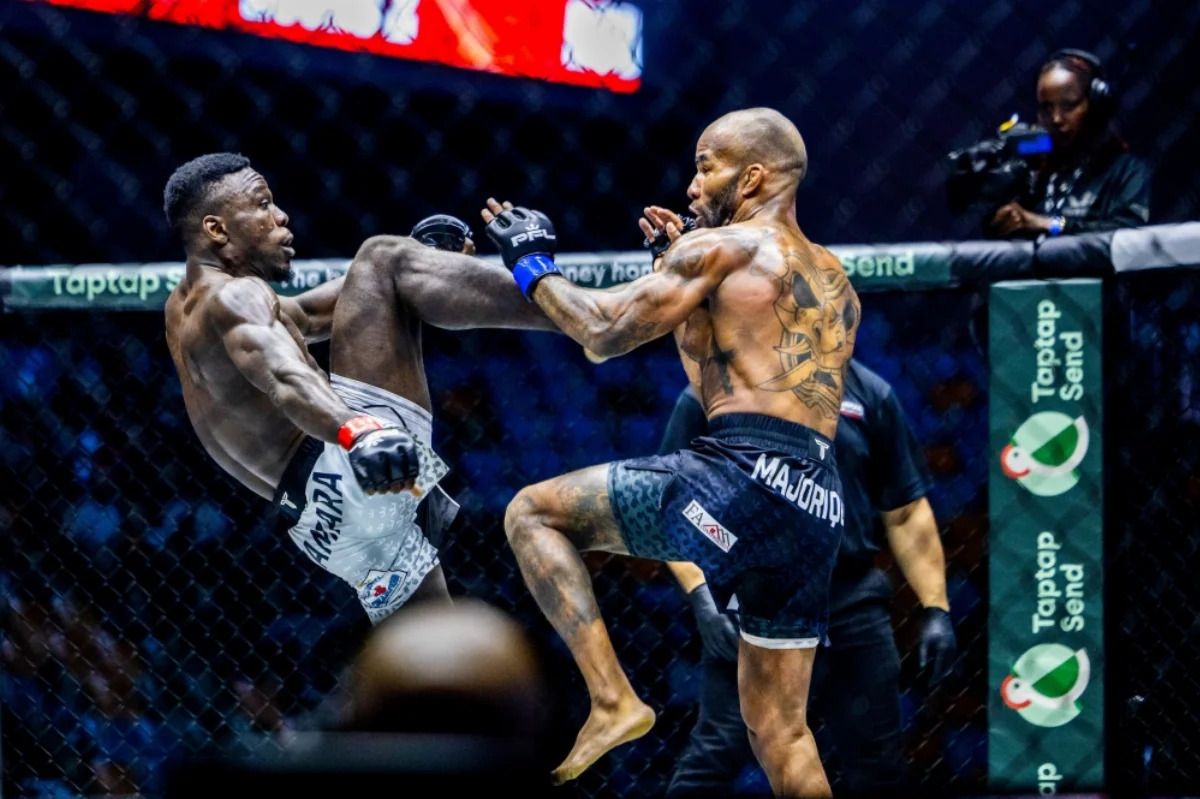
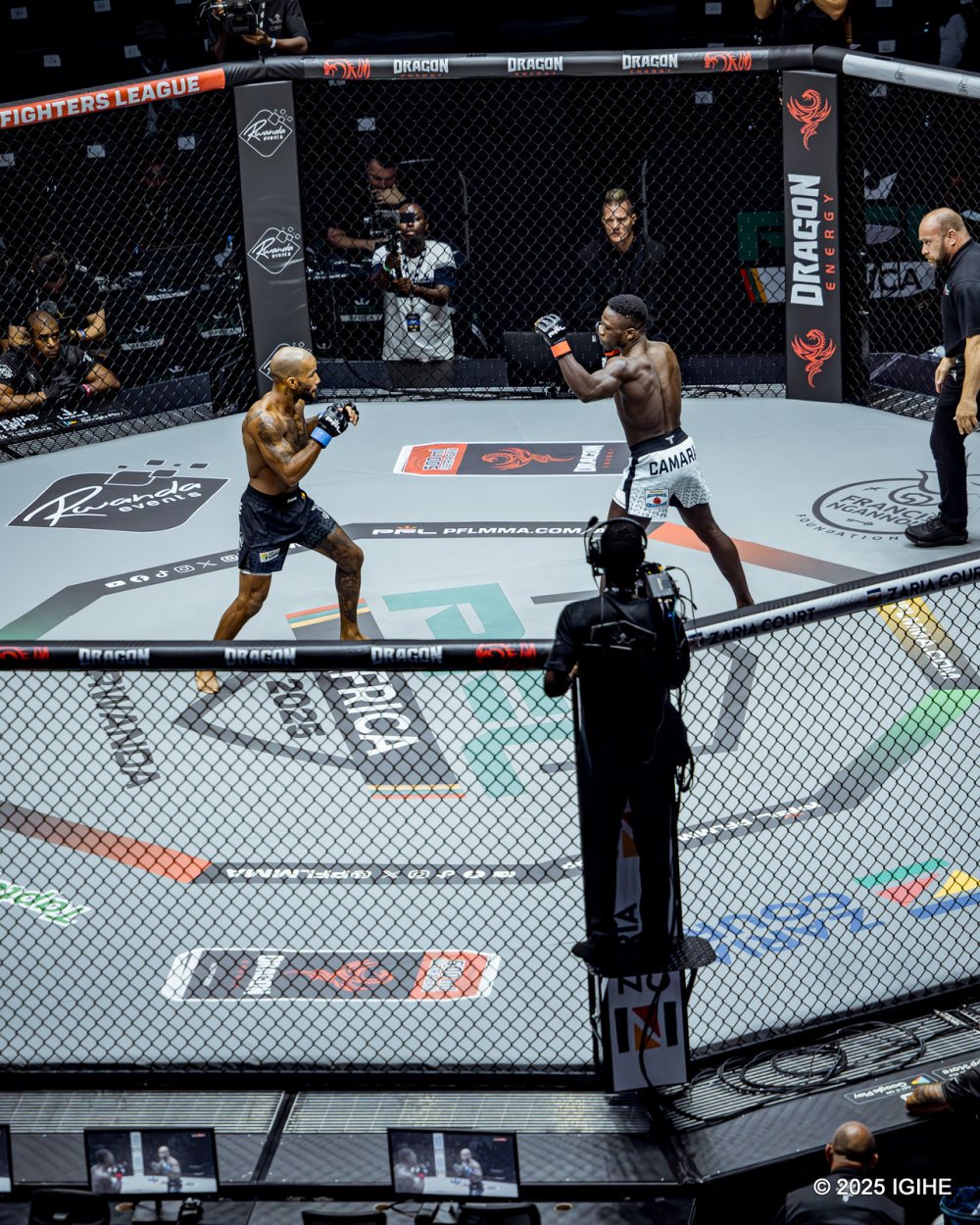
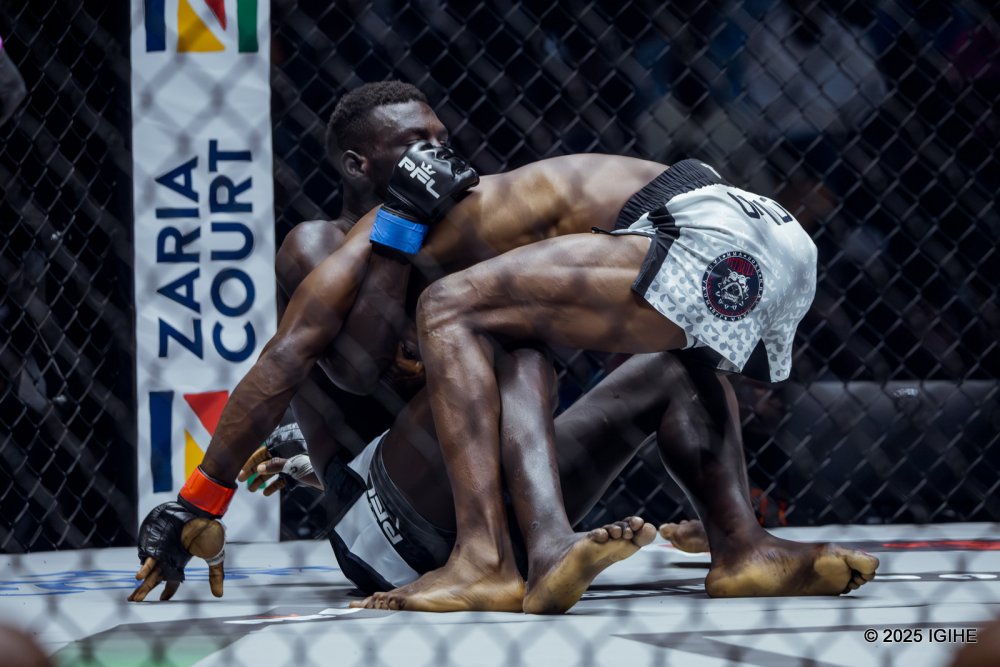
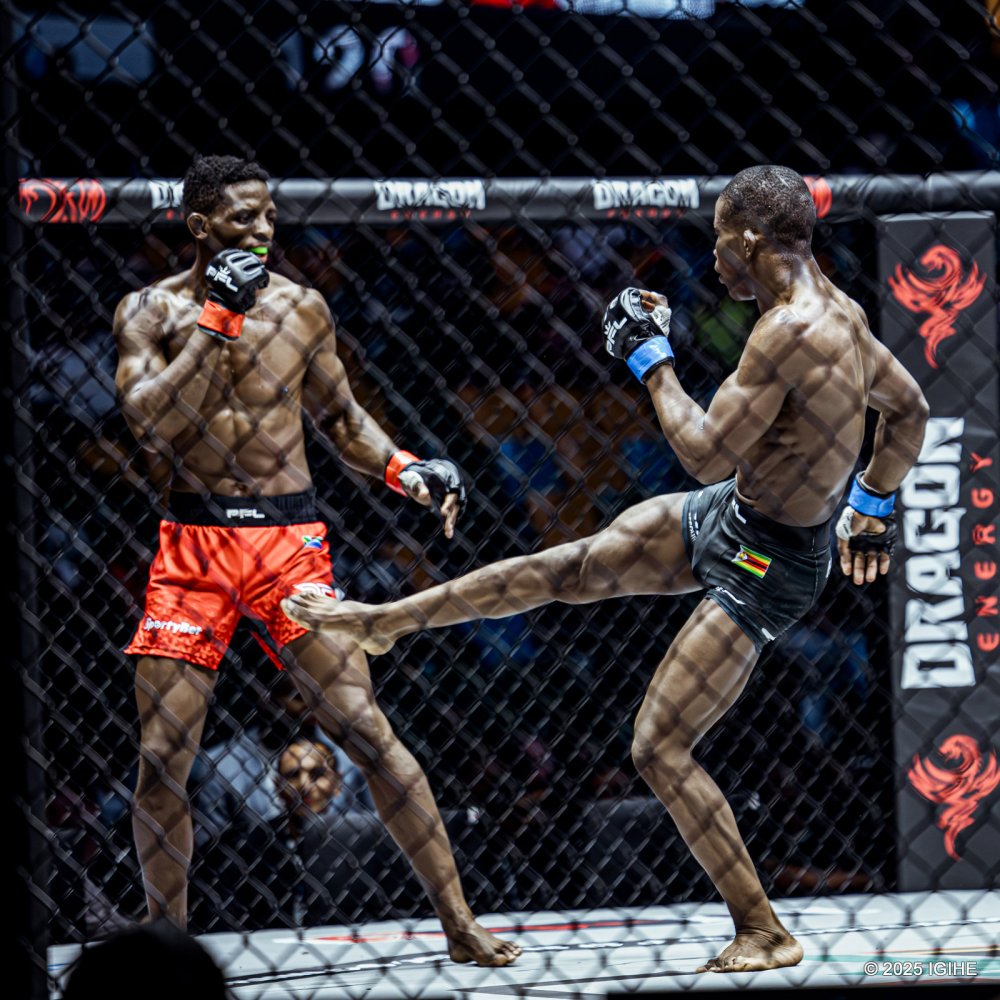
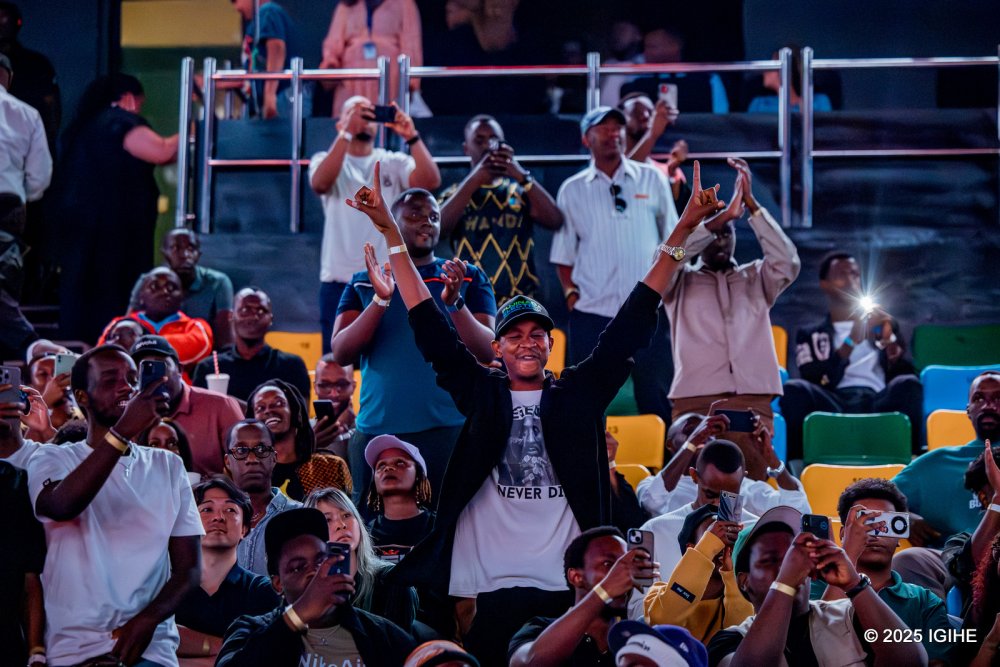
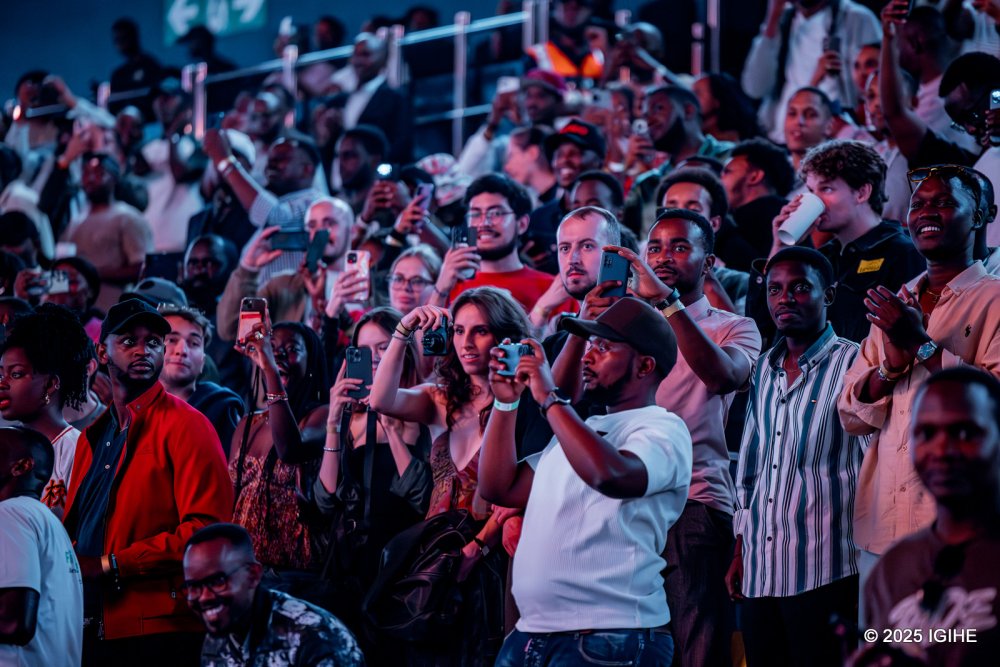
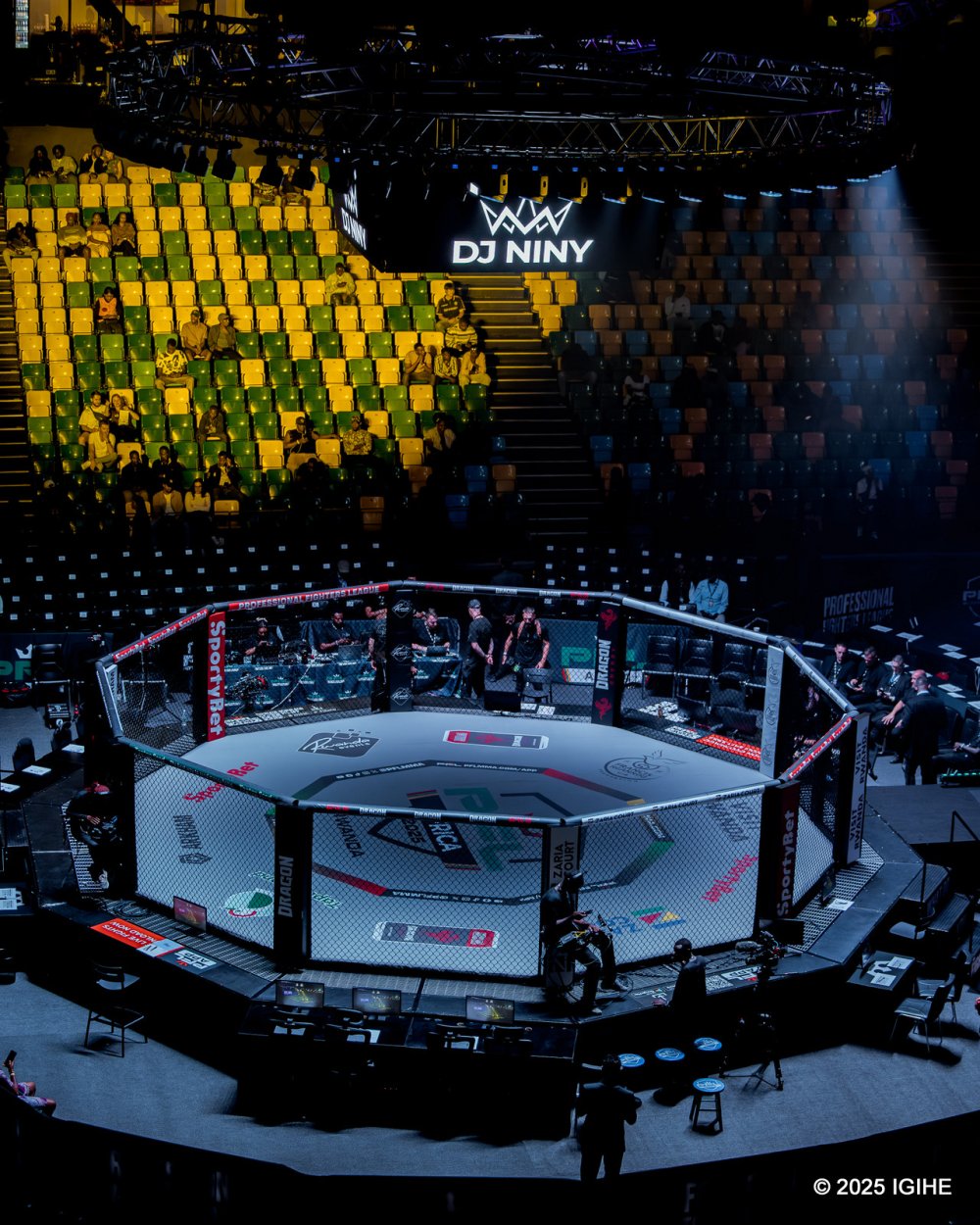
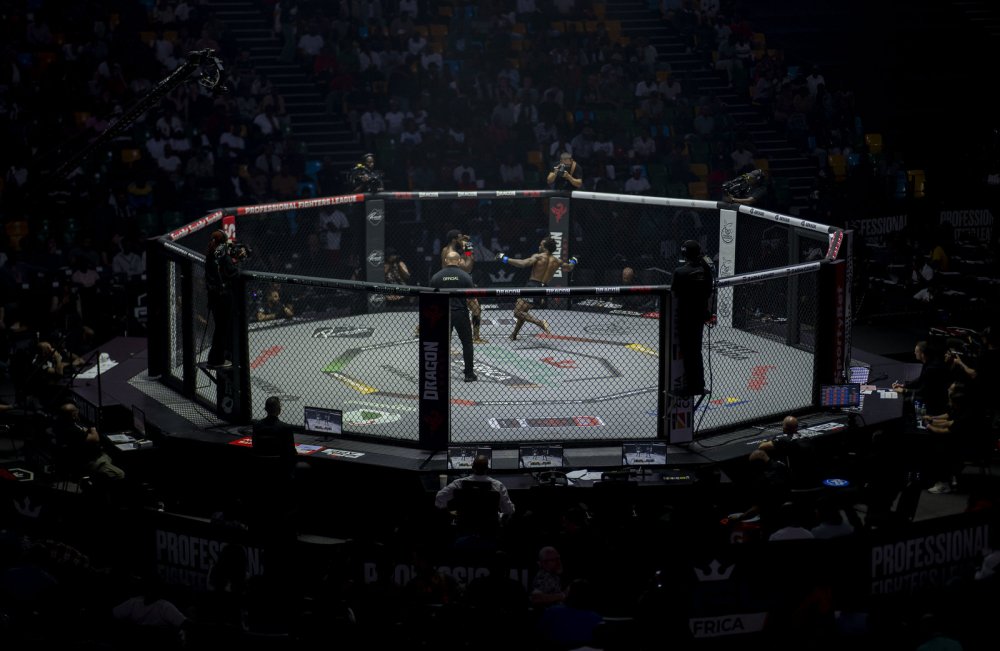
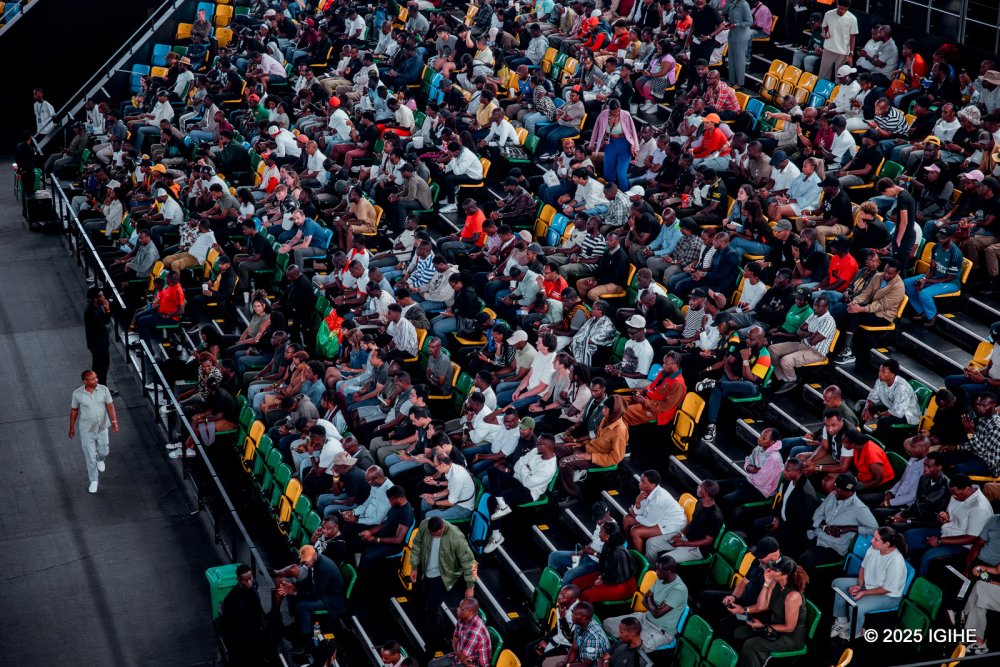
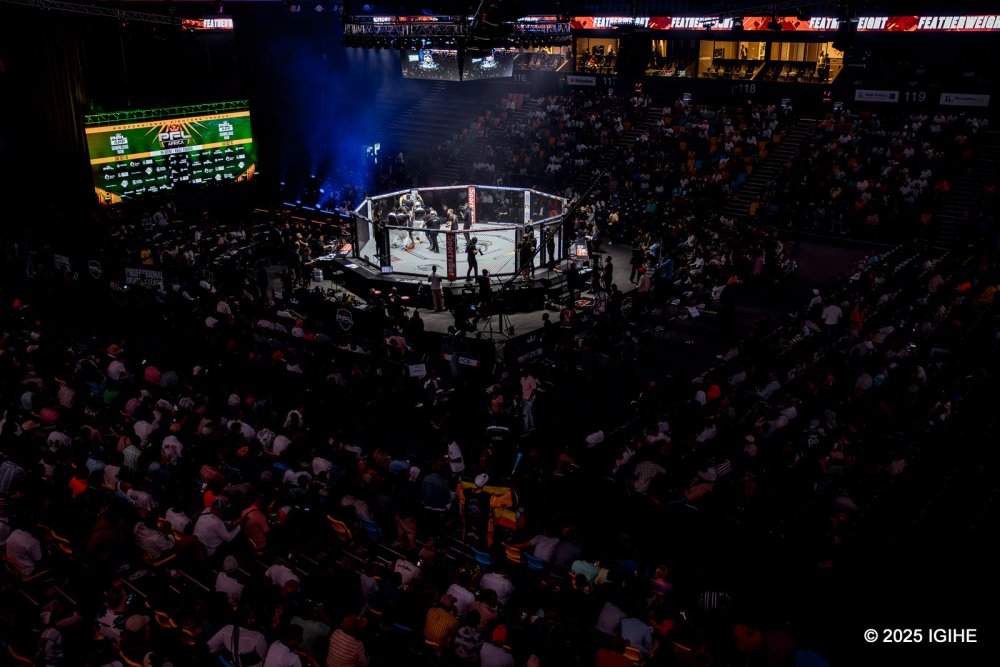
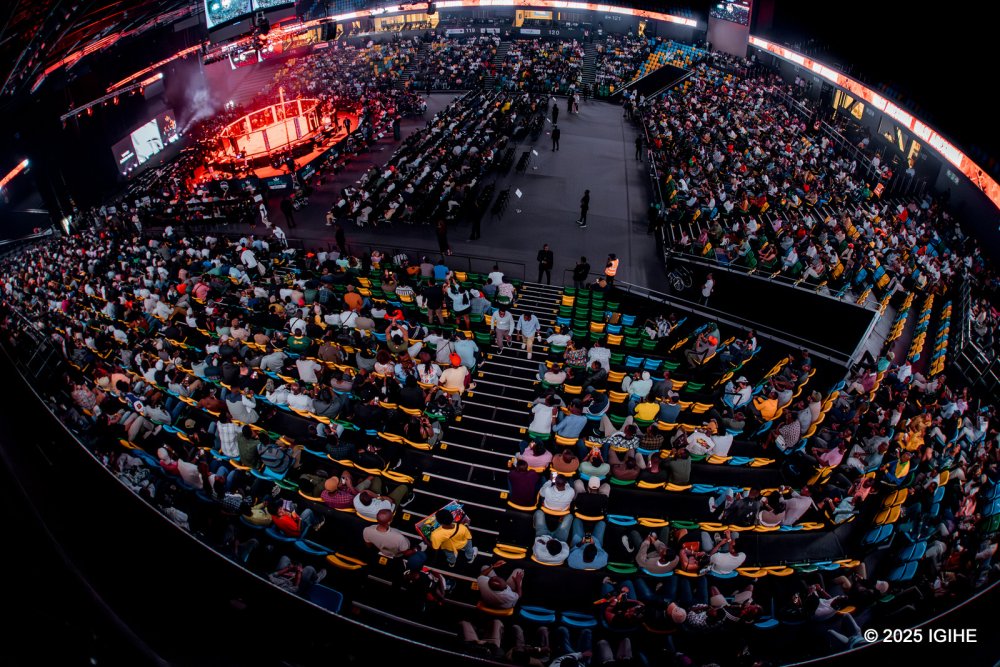
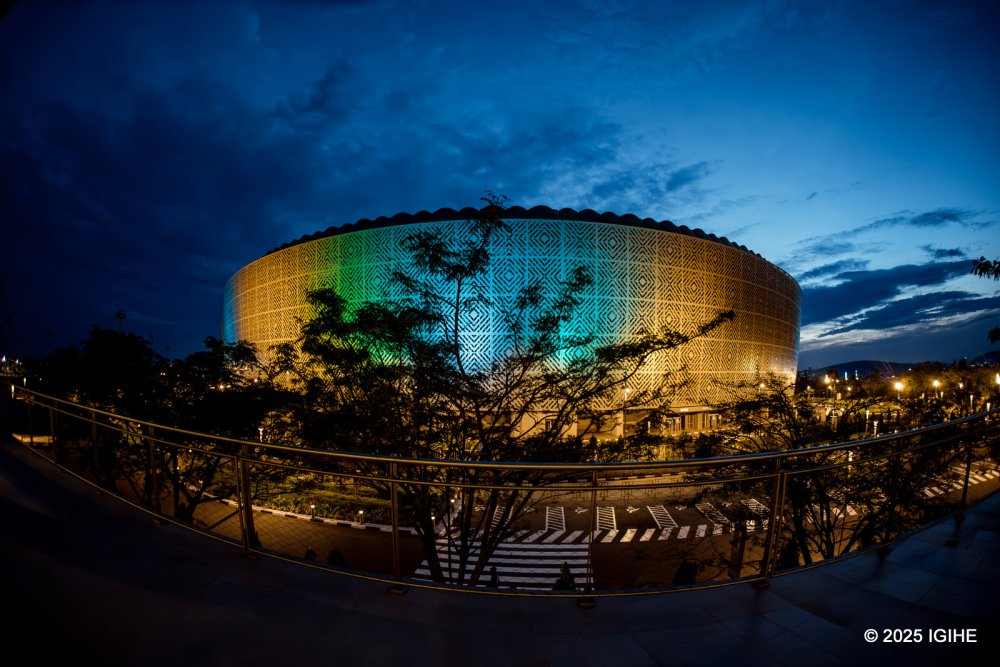
The development follows the successful staging of the PFL Africa Semifinals in Kigali in October last year at BK Arena, where an 11-fight card determined finalists across multiple weight divisions. The event was widely viewed within the organisation as a turning point in proving that Rwanda can deliver world-class MMA production at scale.
Schulze said Rwanda’s appeal lies in its combination of strong infrastructure, safety, and political support, even if MMA remains a relatively new sport for local audiences.
“Rwanda was a unique challenge,” he said. “It has world-class event infrastructure and a very safe environment, but relatively low consumer familiarity with MMA. What surprised us was how quickly people embraced it.”
“The seat for MMA headquarters in Africa is still open,” he said. “Rwanda has the enabling environment, infrastructure, and will to claim it.”
He credited what he called the “Rwandan model”, a strategy focused on deep community integration, for the strong local engagement around the sport. This included fighter homecomings, university activations, gym partnerships, and collaboration with the Ministry of Sports. The organisation said it was surprised by how quickly fans embraced MMA in Rwanda.
According to Schulze, this approach is now being replicated across other African markets as PFL expands its continental footprint. He pointed to key focus markets including Rwanda, Kenya, Nigeria, Angola, and Ivory Coast, with additional interest in Senegal and Tanzania, as well as North Africa, including Egypt, Morocco, and Algeria, as part of its long-term pan-African expansion strategy.
Beyond competition, PFL Africa says it is keen to develop a broader MMA ecosystem in Rwanda and other African markets, including training referees, judges, doctors, and production crews, as well as supporting the development of local fighters capable of competing internationally.
“If we host the finals in Kigali, I’m confident we’ll have at least two or three Rwandan fighters on the card,” Schulze noted.
Rwanda was represented last year by James Opio at the PFL Africa event in Kigali. He featured in a highly anticipated East African featherweight showcase bout against Uganda’s Isaac Omeda.
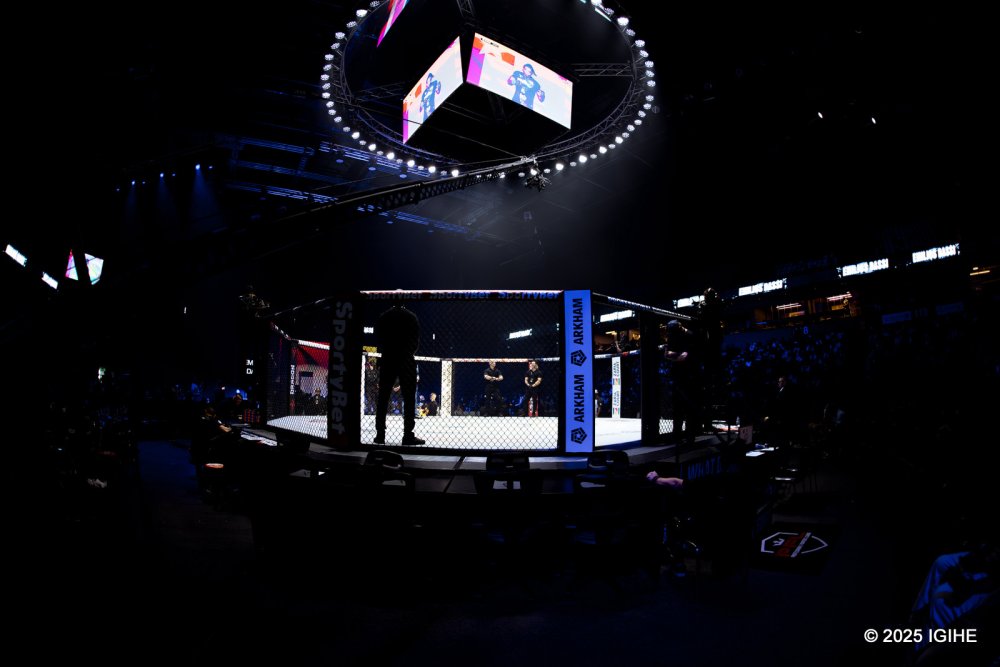
Organising an event of this scale involves extensive logistics, including transporting and installing specialist production infrastructure such as lighting rigs, broadcast cameras, and regulation cages, alongside coordinating international fighters, coaching teams, and medical staff.
According to Schulze, PFL operates purpose-built cages and production systems across Africa to support back-to-back events in different markets, with South Africa also serving as one of the key established production and staging hubs on the continent. The organisation also works with local partners to recruit technical crews and manage hospitality requirements, including hundreds of hotel room nights for fighters, teams, and officials.
Nigeria set for historic debut after South Africa stop
While Kigali is being positioned as a potential championship hub, Nigeria is set to host a landmark milestone in the league’s expansion, with the continental tour heading to Lagos immediately following its recent stop in Pretoria, South Africa (PFL Africa 1).
The Professional Fighters League will stage PFL Africa 2: Nigeria – First Round on Saturday, June 13, 2026, at the Eko Convention Center in Lagos, marking the country’s entry into the league’s continental circuit.
Because PFL Africa staggers its weight classes to manage the tournament brackets, the Lagos event serves as the official opening First Round (Quarterfinals) exclusively for the Lightweight and Bantamweight tournaments, following April’s opening Welterweight matchups in Pretoria, South Africa.
Schulze described Nigeria as a “must-win market” for the organisation.
“You cannot claim to be a credible operator in Africa and neglect Nigeria,” he said. “It’s going to be a raucous event.”
He added that Nigeria’s strong sporting culture, spanning football, basketball, boxing, and traditional combat disciplines like Dambe, makes it a natural fit for MMA growth. PFL Africa views the country as a potential recurring anchor market alongside Rwanda and other priority destinations.




Loading comments...
Leave a comment