




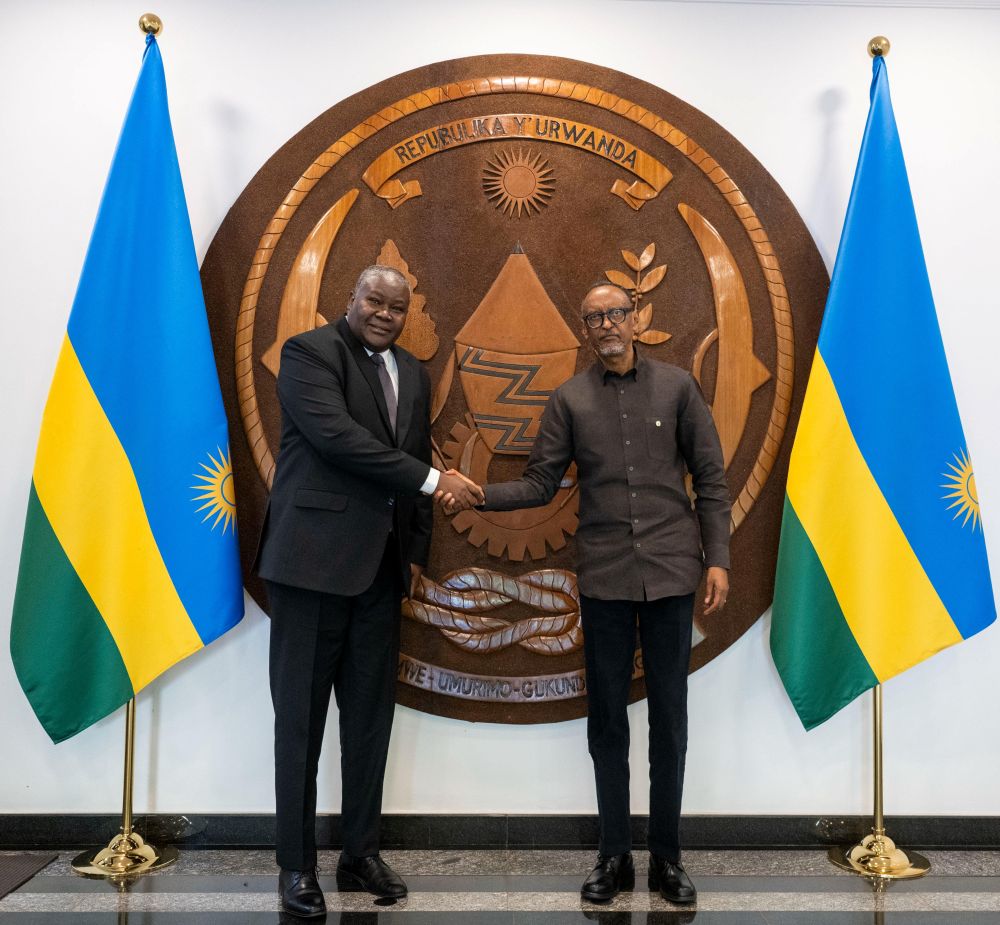
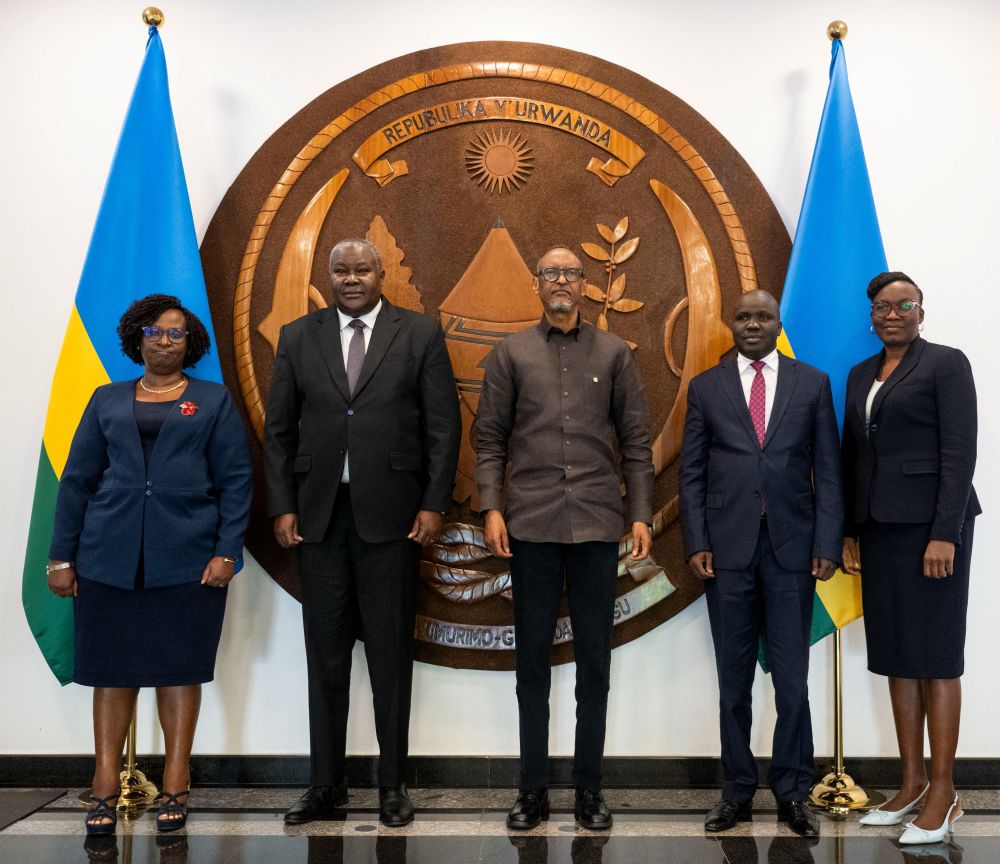
According to a statement from the Office of the President, the meeting focused on Rwanda's role in supporting the East African integration agenda and ongoing efforts to strengthen cooperation among EAC Partner States.
The meeting comes just days after the EAC launched a two-week nationwide consultation process in Rwanda aimed at collecting citizens' views on the drafting of the Constitution of the proposed East African Political Confederation, a key milestone in the bloc's long-term integration agenda.
Speaking during the launch of the consultations in Kigali on Monday, Amb. Mbundi emphasised the importance of a people-centred approach to regional integration, noting that citizens must play a central role in shaping the future governance framework of the Community.
"This is not merely an exercise. The Treaty is very clear that the Community is people-centred, and therefore, citizens must be consulted when major decisions about our integration are being made," Mbundi said.
The consultations, which will run until June 27, are part of a wider exercise being conducted across EAC Partner States to gather public input before the drafting of the Constitution for the proposed Political Confederation, a transitional step towards the eventual Political Federation of East African States.
Rwanda has consistently been among the strongest advocates of regional integration, supporting initiatives aimed at enhancing the free movement of people, goods and services, expanding trade and investment opportunities, and strengthening cooperation in areas such as infrastructure, technology, security and governance.
The Political Confederation represents the fourth pillar of EAC integration after the Customs Union, Common Market and Monetary Union. EAC leaders view deeper political cooperation as essential for accelerating economic development, promoting peace and security, and enhancing the region's competitiveness on the continental and global stage.
According to the EAC Secretariat, consultations in Rwanda are being conducted in Kigali and other designated centres, including Rubavu, Huye and Nyagatare, bringing together representatives from government institutions, Parliament, the judiciary, academia, civil society, the private sector, youth and women groups, faith-based organisations, persons with disabilities, political parties and the media.
Loading comments...
Leave a comment