



The Burundi government has begun preparations to facilitate the return of its citizens, including sending buses to Kenya and issuing free laissez-passer documents through its embassy in Nairobi.
“Burundi is preparing to send buses to Kenya, and the Embassy of Burundi in Nairobi will issue free laissez-passer documents to facilitate the return to Burundi for those who wish to leave Kenya,” the Ministry of Foreign Affairs, Regional Integration and Cooperation for Development said.
Footage obtained by Kenyan media on Monday, September 7, showed large groups of Burundian nationals with luggage at Nairobi’s Machakos Country Bus Station as they sought transport home.
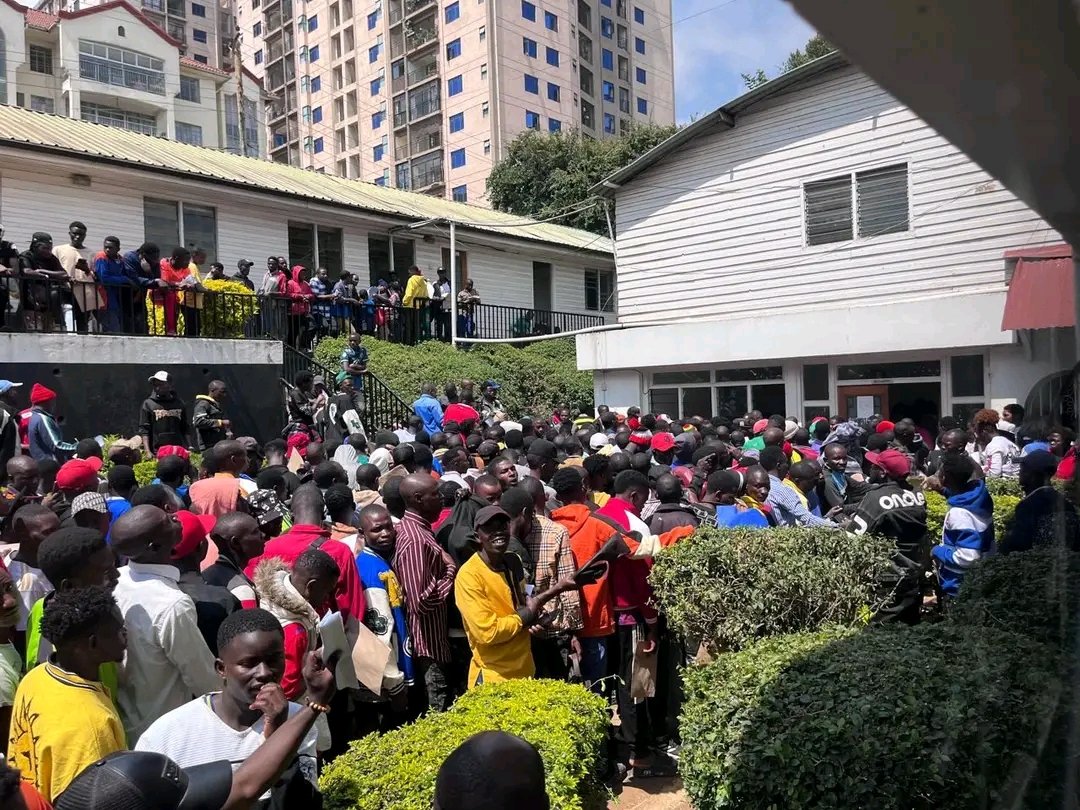
Burundians flock a cybercafé in Kilimani, Nairobi, as they rush to process travel documents amid threats to leave Kenya pic.twitter.com/dMn8pwKhyy
— Citizen TV Kenya (@citizentvkenya) September 7, 2026
Similar scenes were reported at the Kenya-Uganda border in Malaba, where travellers were scrambling for bus tickets, while others gathered at the Burundi Embassy in Nairobi to obtain travel documents.
The rush follows remarks by Ruto on September 2, when he directed authorities to dismantle small-scale retail and hawking operations run by foreign nationals, effective September 7.
Addressing small-scale traders at State House in Nairobi, Ruto said Kenya remained open to foreign investment but argued that foreign investors should establish businesses that create jobs and expand production rather than compete with Kenyans in small-scale trading.
“It cannot be that a person comes from China or elsewhere to be a hawker or open a small shop,” Ruto said.
Trade Cabinet Secretary Lee Kinyanjui later said most foreign small-scale traders had violated visa or regulatory requirements. Those meeting the relevant immigration requirements, he said, would need an operating licence to resume their businesses.
The directive has particularly unsettled Burundian traders, with their government raising concerns over reports of violence and the loss of property among its citizens, while also fuelling fears of xenophobic attacks similar to those witnessed in South Africa.
The Burundi Foreign Affairs Ministry said several Burundian traders engaged in small-scale businesses had faced dispossession and what it described as unjustified violence.
It also accused Ruto’s remarks of worsening tensions.
“The Kenyan government will be held responsible for anything that happens to Burundian citizens, and Burundi reserves the right to take the necessary measures under the framework of reciprocity,” the ministry said.
Burundi, however, said it respected Kenya’s right to determine its trade policies, while urging authorities to protect the dignity and safety of its nationals.
The developments have also sparked criticism over the implications of Kenya’s crackdown for the East African Community, which promotes the free movement of people and closer economic integration among member states.
Critics argue that targeting foreign nationals engaged in small-scale trade could undermine the spirit of regional integration, particularly as citizens of EAC member states routinely move across borders for work, trade and business.
The issue has also revived concerns about tensions between local traders and migrants from neighbouring countries, with Burundian nationals among those who have faced accusations of competing with Kenyans for jobs and business opportunities.
The EAC comprises eight member states, including Kenya, Burundi, Rwanda, Uganda, Tanzania, South Sudan, the Democratic Republic of Congo and Somalia.
Kenya hosts hundreds of thousands of refugees and migrants, many of whom live and work outside refugee camps. Government figures showed that the country had about 857,000 registered refugees and asylum seekers by the end of June, with nearly 14 percent living in urban areas.
Kenyan law allows refugees to work and operate businesses provided they obtain the required documentation.
Ruto’s directive has therefore raised questions over how the crackdown will be implemented and how it will affect foreign nationals who are legally authorised to work or operate businesses in Kenya.
For Burundi, the immediate priority has shifted to facilitating the safe return of citizens who no longer feel secure remaining in Kenya.
Sections of the Burundian community have also appealed to Ruto to reconsider or relax the directive, arguing that the announcement left many traders unprepared for its implementation.
Loading comments...
Leave a comment