



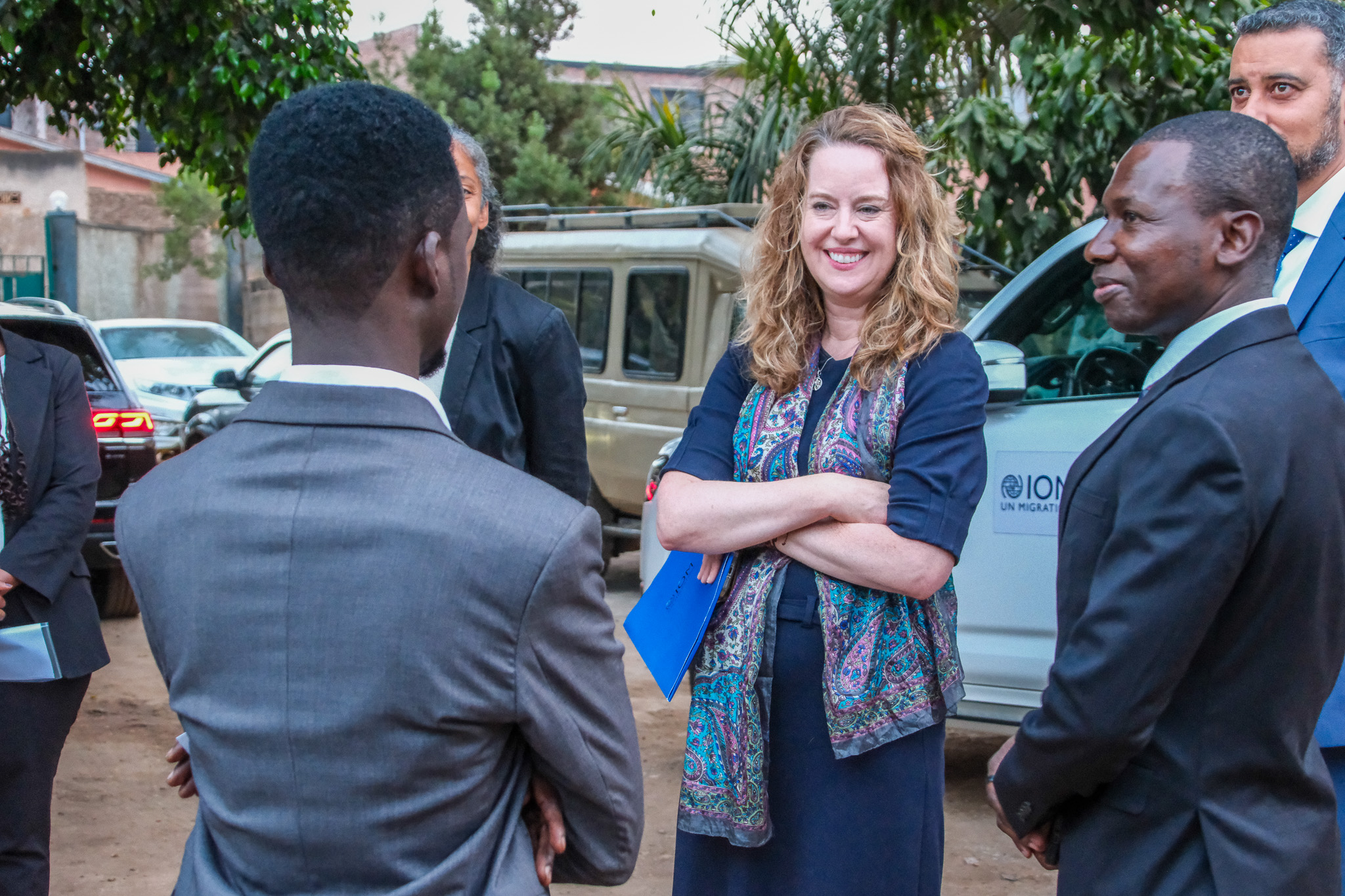
Pope made the remarks in an exclusive interview with IGIHE during her visit to Rwanda, which began on August 19 and concluded on August 21, 2026.
The DG said she had been impressed by the clarity of Rwanda’s development vision and the alignment among government officials she met during the visit.
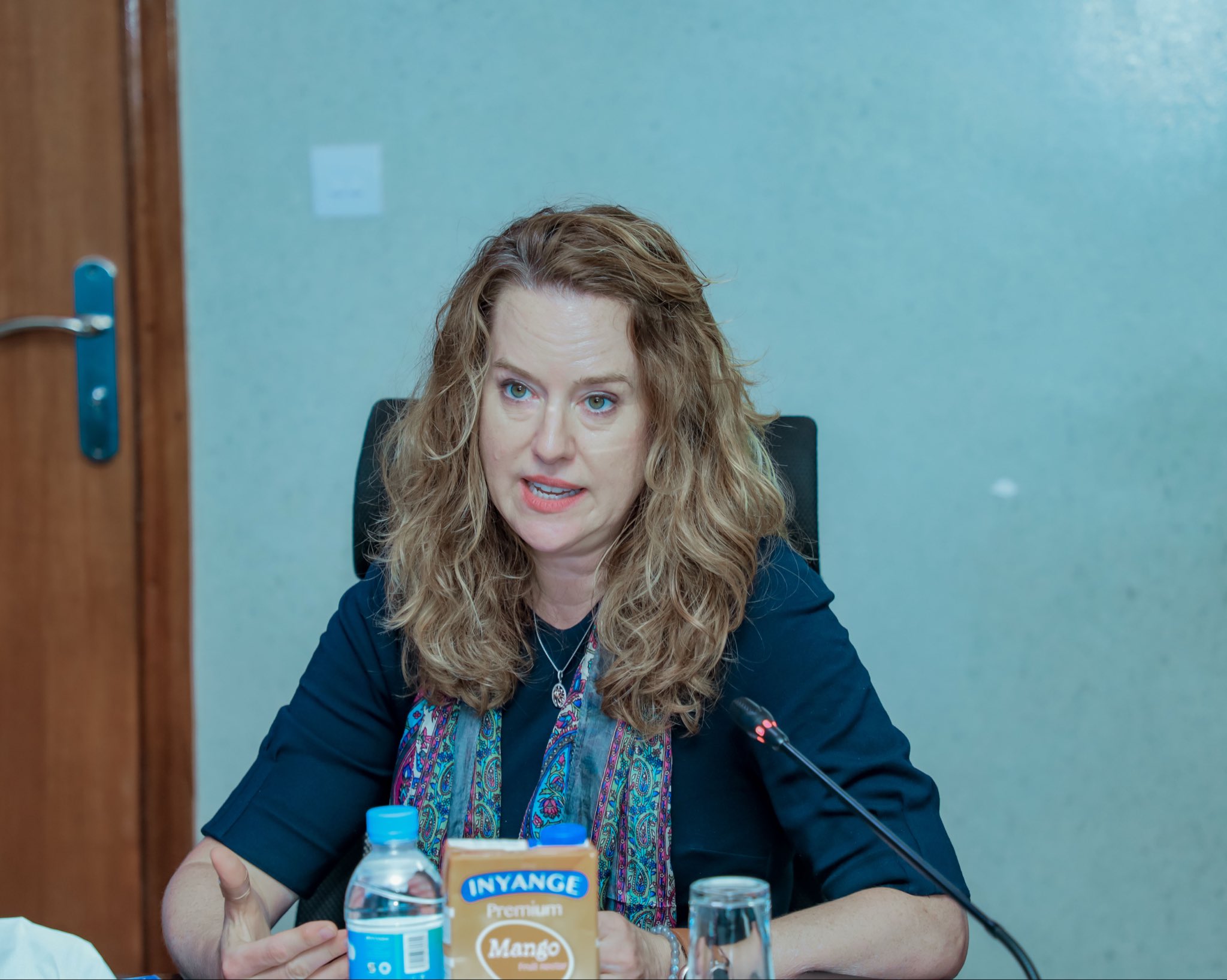
“I have to say I have been so impressed by the clarity and commitment to the vision of the president in this country,” Pope said, noting that the ministers she met were aligned around Rwanda’s development goals and the role migration can play in achieving them.
She noted that IOM considers Rwanda a critical partner as governments around the world confront increasing displacement caused by conflict, climate change and demographic changes.
“Our number one objective is to make sure that we have the trust and engagement with our member states, and Rwanda is a critical one,” she said.
Pope revealed that IOM’s engagement with Rwanda is aimed at helping the country and other governments anticipate migration-related challenges rather than responding only after crises emerge.
More people are being displaced by the effects of climate change than by any other factor, she noted, while conflicts and demographic changes are also reshaping migration patterns globally.
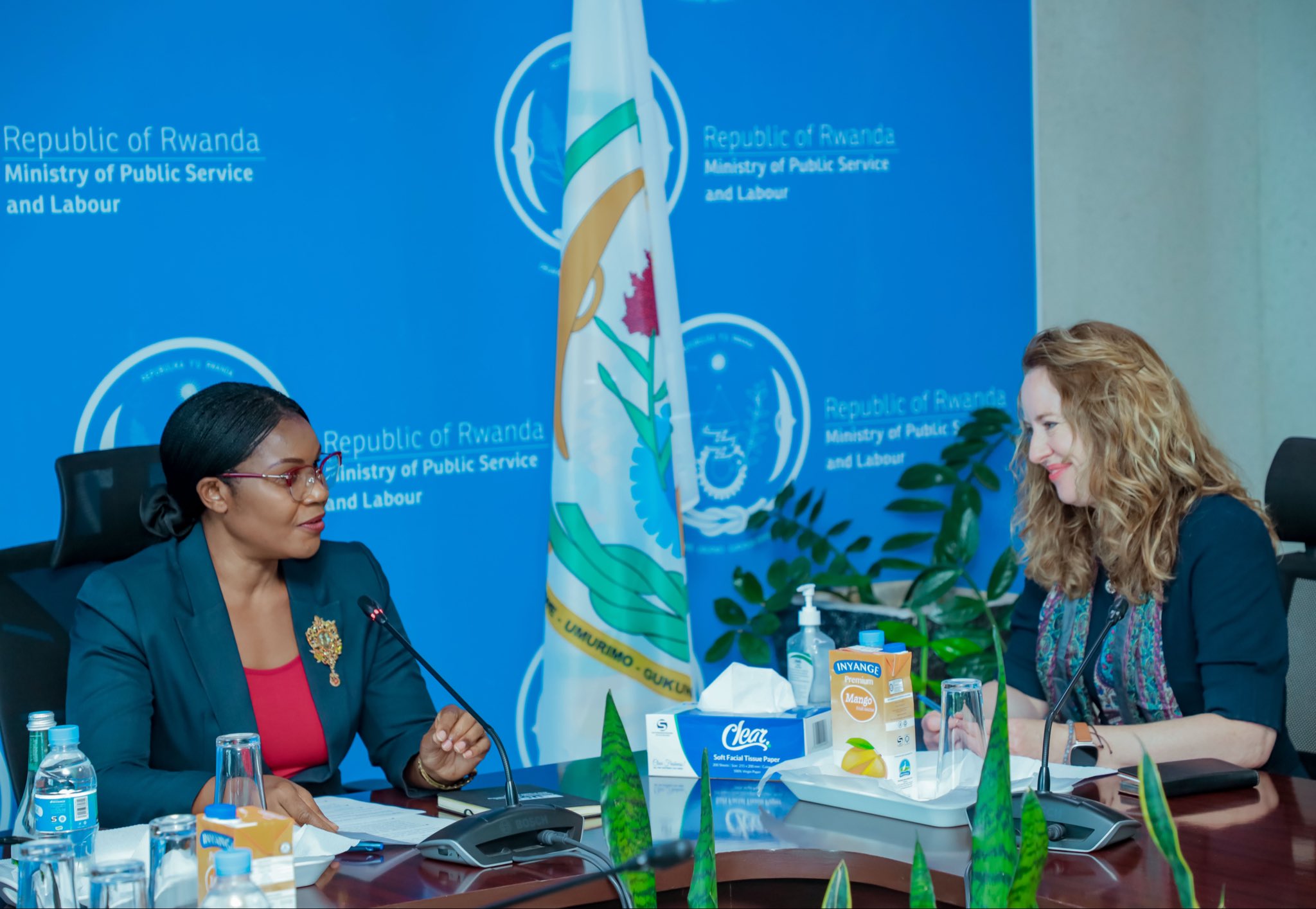
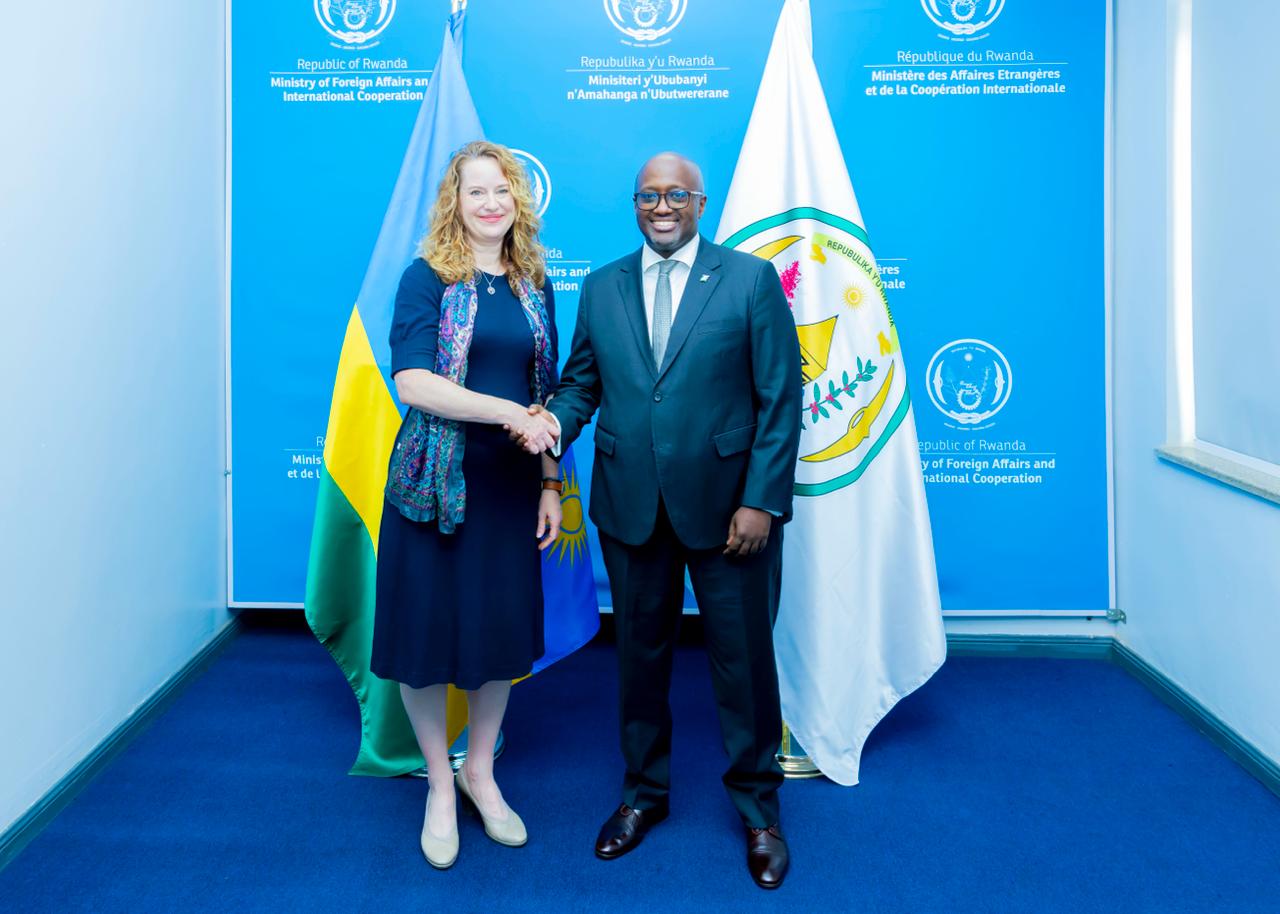
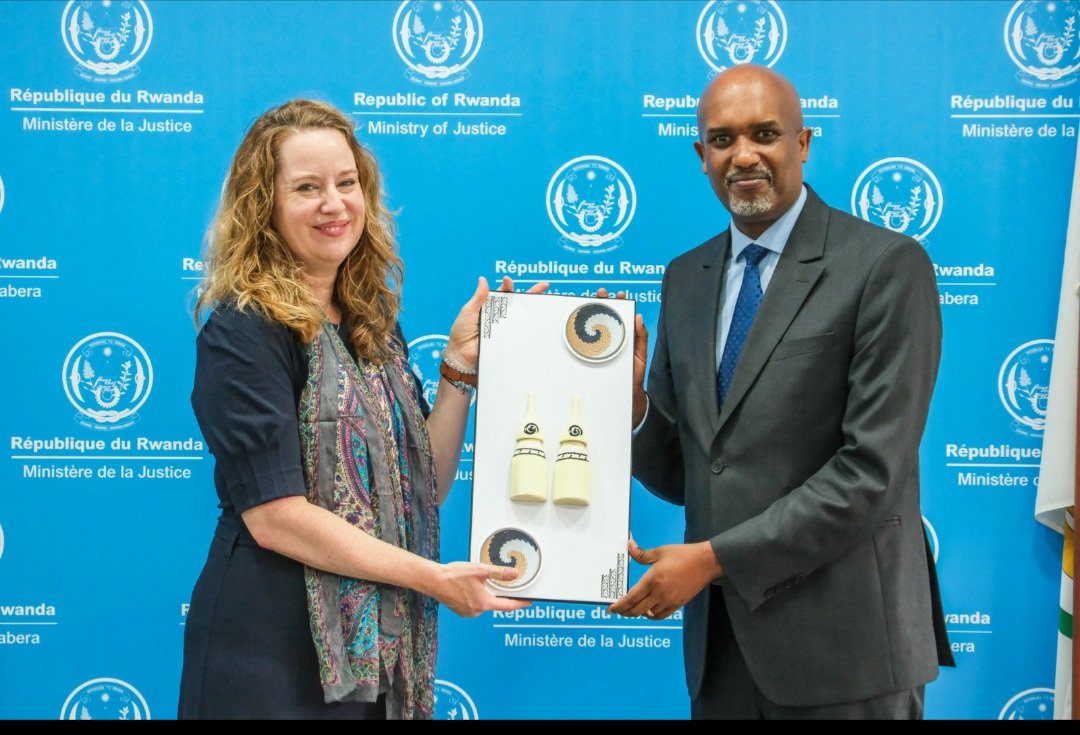
She held meetings with several Rwandan government officials, including Prime Minister Dr. Justin Nsengiyumva and ministers Olivier Nduhungirehe (Minister of Foreign Affairs and International Cooperation), Judith Uwizeye (Minister of Public Service and Labour), Dr. Emmanuel Ugirashebuja (Minister of Justice and Attorney General), and Maj. Gen. (Rtd) Albert Murasira (Minister of Emergency Management).
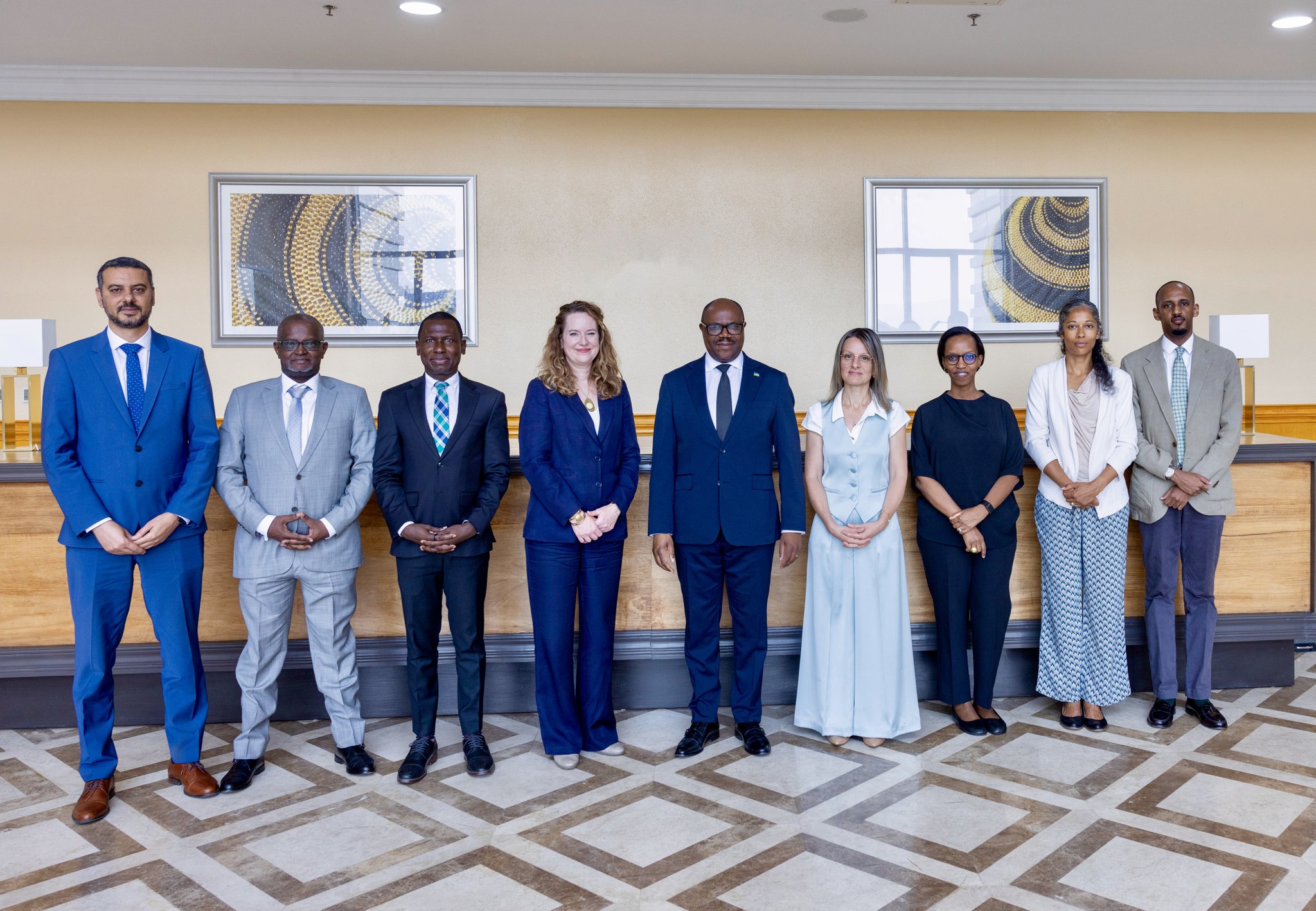
Pope observed that the meetings demonstrated the importance of treating migration as a cross-cutting issue involving sectors including emergency response, foreign affairs, justice, immigration and internal affairs.
“Across the board, we’re seeing a recognition that migration has to be brought into this overall conversation,” she noted.
Migration and Rwanda’s development agenda
One of the discussions during Pope’s visit focused on the connection between migration, investment and skills development.
Pope emphasised that if Rwanda wants to attract greater industrial investment, it needs a trained and skilled workforce capable of meeting the demands of investors.
She noted that labour mobility can contribute to that objective by allowing Rwandans to work abroad, acquire new skills and return home to apply their experience to Rwanda’s development.
“Rwanda is a model for open migration policy,” Pope said.
The IOM chief also praised Rwanda for creating an environment in which migrants can integrate into society, describing the government's approach as welcoming.
She noted that migrants in Rwanda can access education and job opportunities and are treated fairly, which she said makes a significant difference in determining how migration can be managed and supported.
Rwanda's approach, she added, is consistent with a broader vision in which migration is incorporated into national development planning rather than being handled by a single institution or ministry.
“If you want migration to work well, having community engagement, recognizing the impact on education or health, recognizing the growth potential, recognizing the skills are needed, all of that has to be part of the approach,” Pope stressed.
She affirmed that Rwanda’s approach is well aligned with Vision 2050 and creates opportunities both for Rwandans working abroad and for people who come to Rwanda seeking better opportunities.
IOM faces funding constraints
Pope acknowledged that IOM, like other organisations working in the migration sector, is facing funding constraints.
She explained that the organisation has responded by seeking new partnerships, including with the private sector and development banks.
The private sector often relies on migration to meet its development objectives, while development banks can help finance efforts aimed at building skills and creating jobs, she added.
“We’re working hard, very closely with the government here to find new ways to meet the demands, recognizing that, unfortunately, the resources that are needed still are not enough,” Pope said.
From crisis management to opportunity
Pope noted that one of the achievements she is most proud of since taking office in 2023 is IOM’s shift in thinking about migration.
Rather than viewing migration primarily as a crisis that needs to be managed, she explained that the organisation is increasingly focused on how migration can produce better outcomes for individuals, communities and economies.
According to Pope, labour mobility is currently one of the fastest-growing areas of IOM’s work.
The organisation is working to create opportunities for people to move safely, legally and with dignity so that they can benefit from employment opportunities in other countries. It also aims to reduce the number of people who are scammed, die during migration journeys, or fall victim to smugglers and traffickers.
She stressed that such opportunities require planning and cooperation between governments, businesses and other partners.
“That doesn’t happen by accident,” Pope said. “That happens because of planning, of strategic engagement, of partnerships with private sector, partnerships with the governments themselves, whether they’re sending government or host government.”
IOM's post-visit statement similarly highlighted skills development, labour mobility, diaspora engagement and protection as areas where migration can contribute to jobs, economic growth and regional cooperation.
“No country can address migration challenges alone,” Pope said in the statement. “Continued cooperation between governments, international partners and the private sector is essential to expanding opportunities and ensuring migration works for people and communities.”
Rwanda’s role in migration cooperation
Pope’s comments come as Rwanda continues to position itself as a partner in international efforts to address migration challenges.
Currently, Rwanda hosts approximately 135,000 to 137,000 registered refugees and asylum seekers, according to United Nations High Commissioner for Refugees (UNHCR). The majority of this population originates from the Democratic Republic of the Congo and Burundi.
Rwanda has previously worked with international organisations through its Emergency Transit Mechanism (ETM) in Gashora, which temporarily hosts vulnerable asylum seekers and refugees evacuated from Libya while arrangements are made for their future.
The mechanism was established in 2019 in partnership with the UN Refugee Agency.
Rwanda's Government Spokesperson Yolande Makolo recently confirmed that Rwanda and Italy are holding discussions on a potential migration partnership, although she stressed that no agreement had been reached.
One idea under discussion is reportedly to build on the existing Gashora mechanism to provide a safe place for people fleeing conflict or persecution.
Makolo explained that Rwanda's willingness to participate in migration partnerships is informed by the country's own history of displacement and return.
She also added that Rwanda wants to contribute to reducing the dangers faced by Africans undertaking irregular journeys across the Sahara and the Mediterranean.
“We don't want Africans making dangerous journeys across the desert and dying in the Mediterranean,” Makolo said during a recent interview with Royal FM.
Loading comments...
Leave a comment