



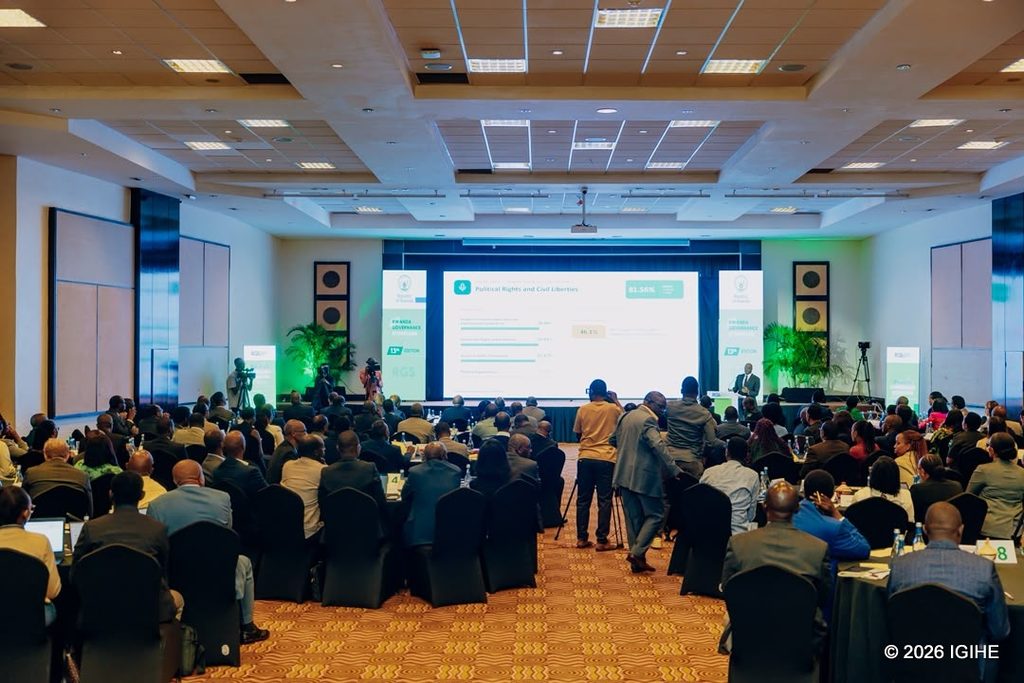
The report, unveiled on Thursday, October 22, by the Rwanda Governance Board (RGB), shows that the service delivery score dropped by 3.25 percentage points from 71.73% recorded in the previous edition.
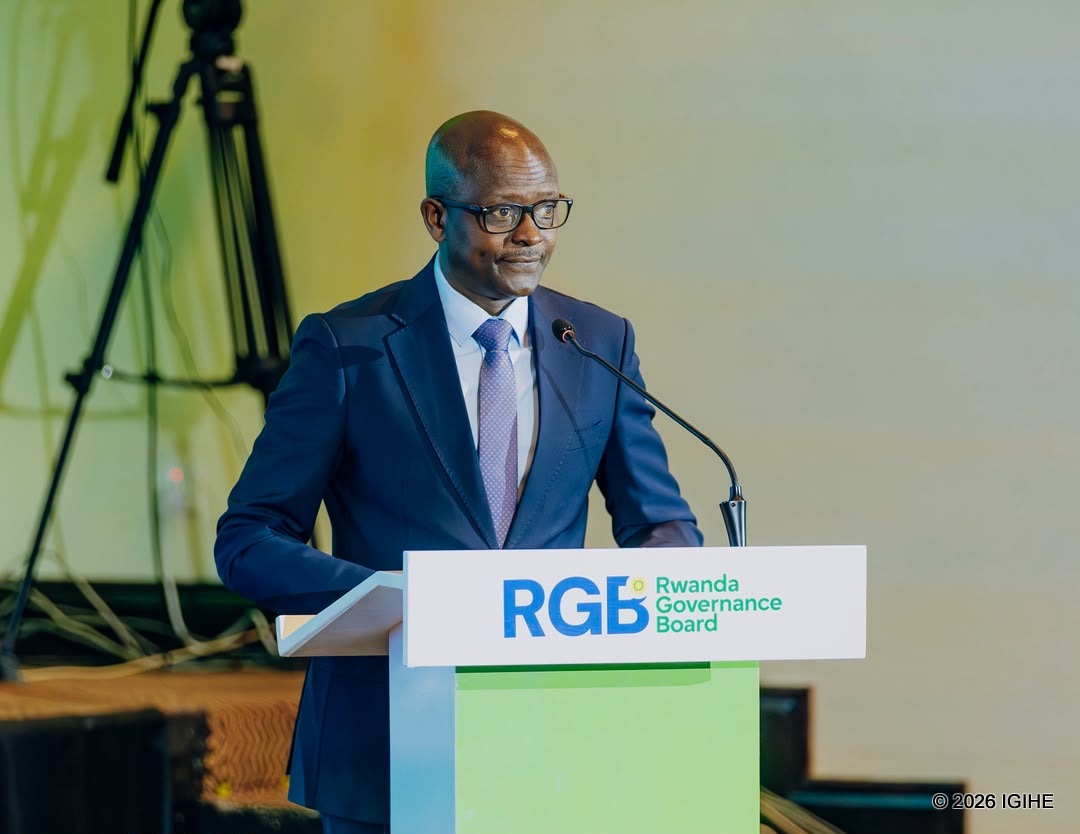
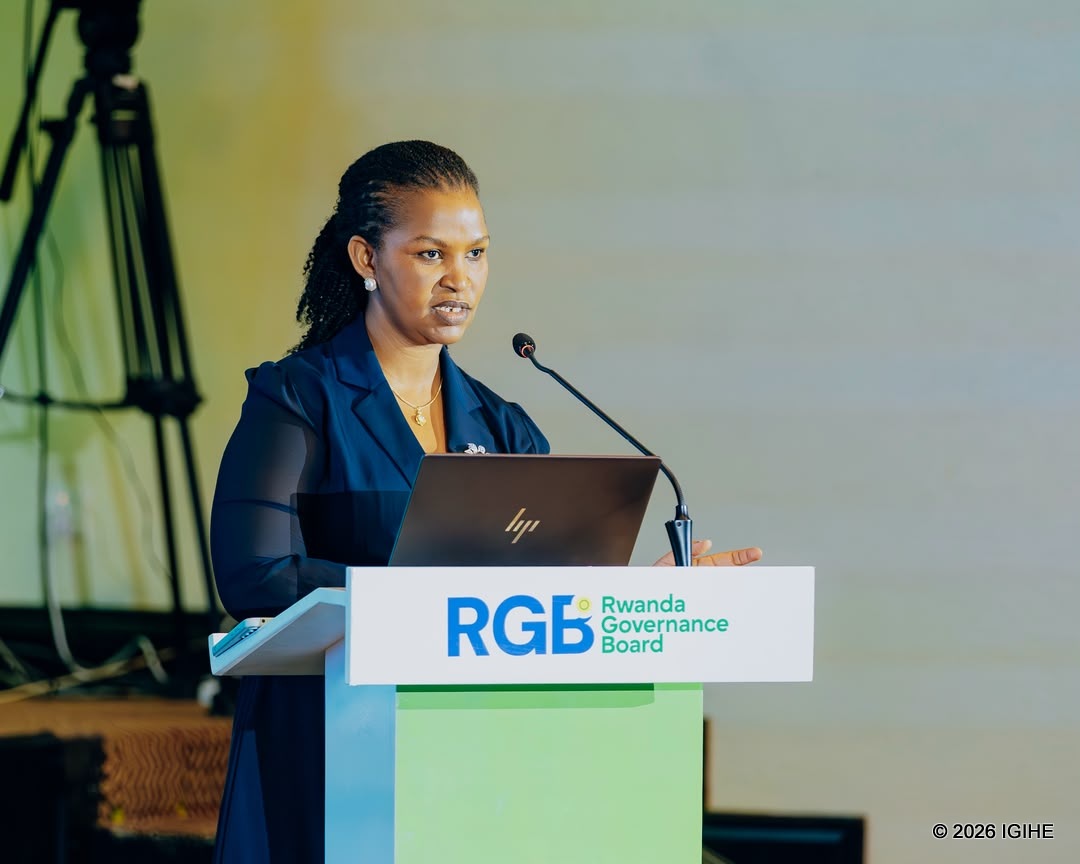
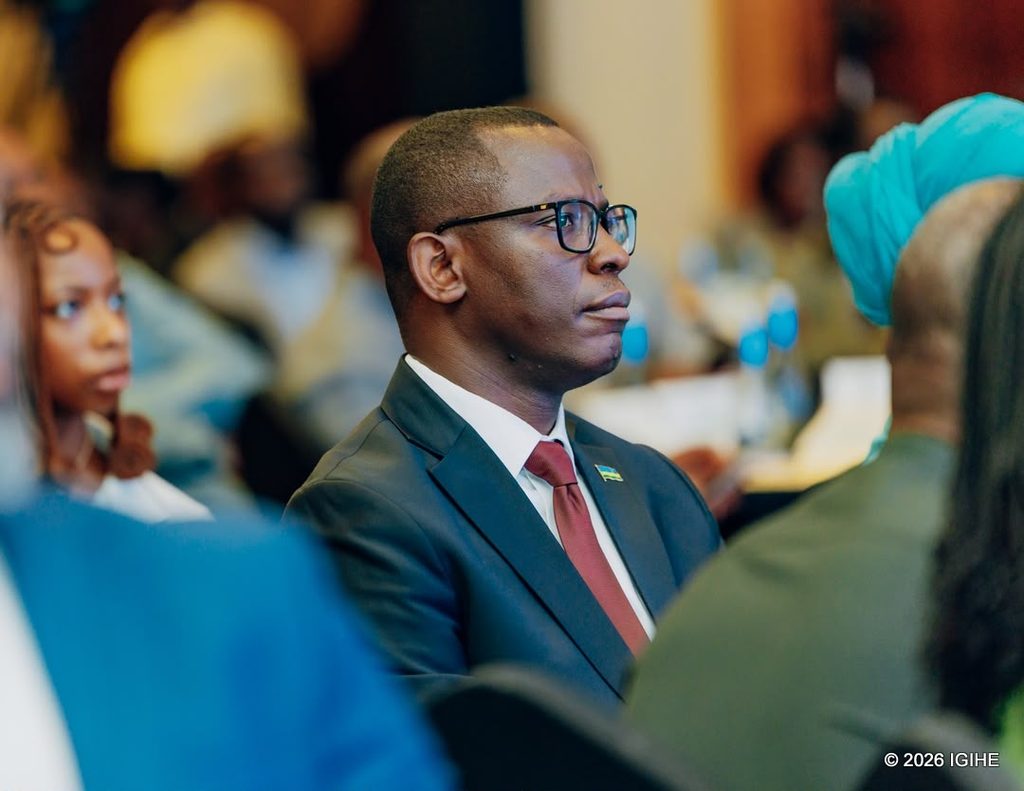
Speaking at the launch, Minister of Local Government Dominique Habimana said the findings presented both encouraging progress and areas requiring urgent attention.
“The findings presented to us today tell an encouraging but equally demanding story,” Habimana said, noting that five of the scorecard’s eight governance pillars scored above 80%.
“We cannot be satisfied while service delivery is declining and human social development remains low,” he added.
The scorecard assesses governance across eight pillars, 35 indicators and 153 variables, drawing on administrative data, official statistics, institutional assessments, research and citizens’ experiences. It is intended to help public institutions track performance, identify weaknesses and guide policy decisions.
Security remains Rwanda’s strongest pillar
Safety and security was the highest-performing pillar, scoring 90.15%, a slight increase from 90.02% in the previous edition. The pillar has consistently ranked among Rwanda’s strongest areas of governance since the scorecard was introduced.
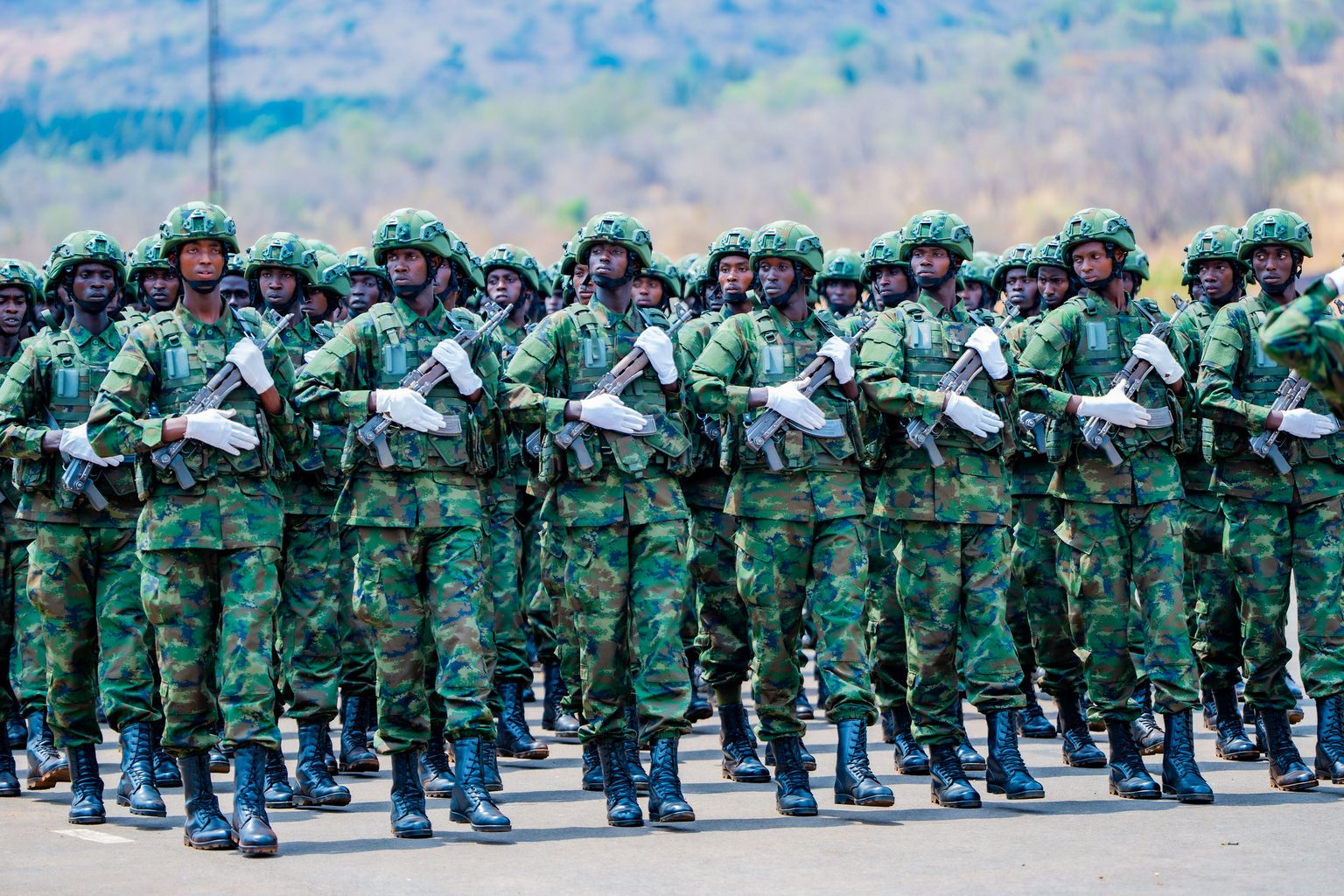
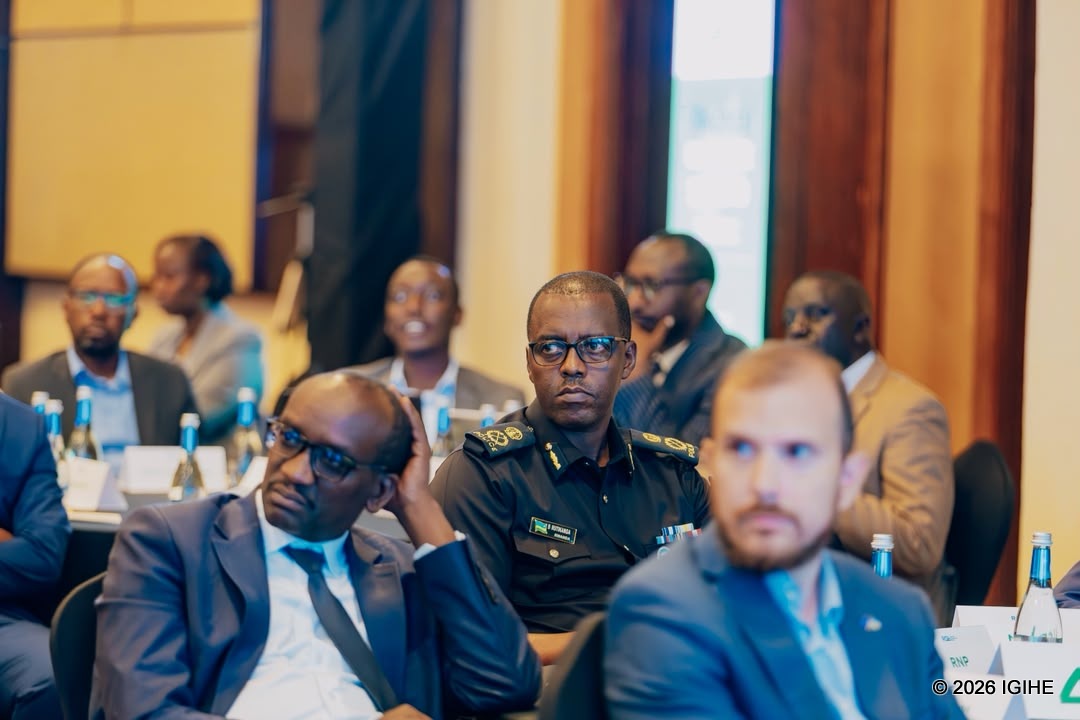
Minister Habimana commended the security organs and others contributing to the performance, describing security as “an enabling factor for everything else that we do in this country.”
Anti-corruption, transparency and accountability followed with a score of 85.80%, up from 84.67% in the previous edition. Rule of law also improved, rising by 3.84 percentage points to 85.47%.
Participation and inclusiveness scored 84.72%, down from 86.31%, while political rights and civil liberties recorded 81.56%, down from 82.71%.
Economic and corporate governance scored 73.28%, down from 74.84%, while investing in human and social development improved by 3.86 to reach 68.55%.
Digital services and citizen satisfaction remain challenges
The decline in service delivery was accompanied by uneven results across individual services and sectors.
The report records citizen satisfaction with online court case filing at 65.40%. Satisfaction with services in the land, environment and settlement sector stood at 50.90%, while satisfaction with agriculture services was 53.70% and livestock services 57.10%.
Digitalisation also emerged as an area requiring further work. The scorecard records that 11% of government services were fully digitised end-to-end, based on data from the Ministry of ICT for 2024.
Habimana highlighted that digital transformation should go beyond making services available online.
“Digitalisation is considered not simply about putting services online, but also importantly about simplifying processes, reducing the time and the cost of accessing services,” he stated.
He added that the government would continue strengthening local authorities and improving coordination between levels of government to make services more accessible, timely, equitable and responsive to citizens’ needs.
The minister stressed that local government is where citizens experience governance directly, including through schools, health facilities and other essential services.
“For Rwandans, governance is not and will never be an abstract idea,” he remarked. “It is experienced in the village, at the cell, sector and districts, in schools and health facilities, and through the services people rely on every day.”
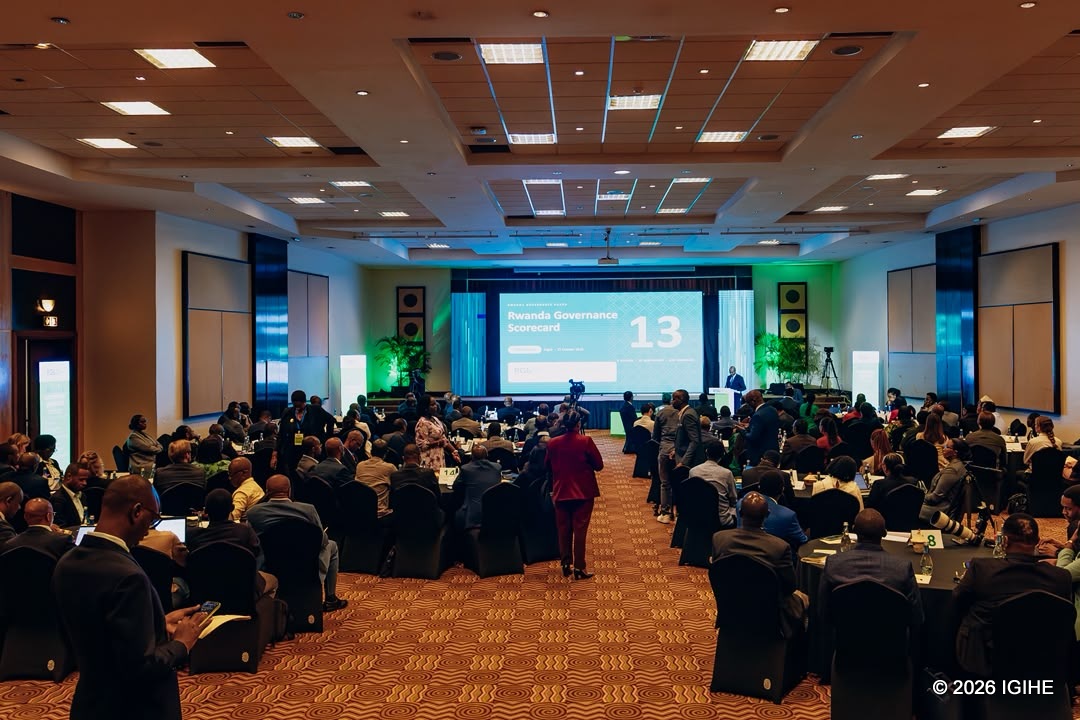
Human and social development improves
The human and social development pillar rose by 3.86 percentage points to 68.55%. However, it remains one of the lowest-performing areas.
Within the pillar, health scored 78.22%, education 73.05% and social protection 67.15%. The secure and prosperous family indicator scored 59.45%, while climate change and environmental resilience stood at 64.89%.
Habimana said the findings matter because they reflect people’s everyday experiences, including the quality of services, the time required to access them, support available to families and opportunities for young people.
He called on public institutions to use the findings when preparing plans, budgets, reforms and performance contracts under Imihigo, Rwanda’s performance-based planning and accountability framework.
“This 13th edition must inform our planning, our performance contracts in Imihigo, our budgets, our reforms, and our engagement with citizens,” he said.
"Let this scorecard serve as both a mirror and a map. A mirror to look honestly at our achievements and the remaining gaps and a map to guide us towards higher standards of integrity, accountability, inclusiveness, efficiency and service delivery."
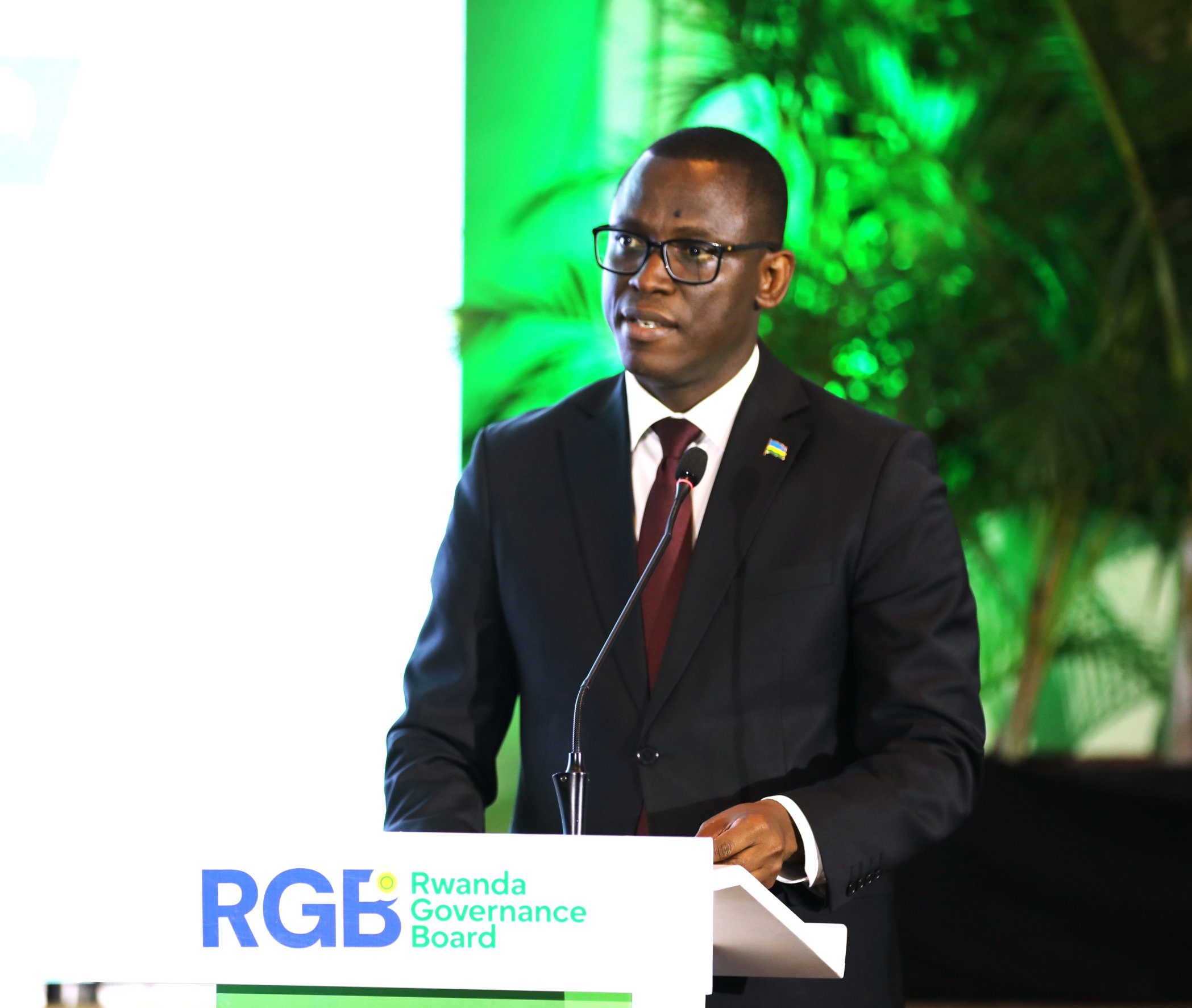
UNDP calls for action on findings
Fatmata Lovetta Sesay, the United Nations Development Programme (UNDP) Resident Representative in Rwanda, commended the country for using the scorecard to assess its own governance performance and create space for discussion about areas requiring improvement.
She described the Rwanda Governance Scorecard as a home-grown initiative that has helped strengthen accountability and promote cohesion since 2010.
“It is impressive to see a country that holds itself accountable,” Sesay lauded. “It is even more impressive to see a country open to the discussions on how the world holds it accountable.”
Sesay said the scorecard’s value lies not only in the data it presents but also in the policy discussions and practical actions that follow.
“I therefore encourage all stakeholders here present, including government institutions, development partners, civil society organizations, academia, the private sector, and all citizens, to study the findings carefully,” she said.
She also urged stakeholders to focus on governance indicators that continue to lag behind expectations and identify practical measures to accelerate progress.
“The Rwanda Governance Scorecard should not be viewed as an end in itself,” Sesay said. “The end is full satisfaction of service delivery.”
She added that effective governance, strong institutions, public accountability and responsive services are essential to Rwanda’s economic transformation and social development, particularly as the country implements its Second National Strategy for Transformation (NST2) and advances towards Vision 2050.
RGB stresses self-accountability
Dr. Edward Kalisa, Secretary General of the Rwanda Governance Board, said the scorecard is designed to assess institutional performance and generate evidence that can inform policy planning and implementation.
He said the assessment combines different sources of information, including official data and citizens’ perceptions, to examine not just whether policies and institutions exist but how they perform in practice.
“Self-accountability means having the willingness to assess our own performance to recognize achievements, acknowledge shortcomings and identify where improvement is required,” Kalisa said.
The report’s findings, he stressed, offer a basis for understanding how governance is evolving and where additional attention is needed.
Meanwhile, the launch also featured the Chandler Good Government Index, which ranked Rwanda 11th globally and first in Africa for Leadership and Foresight in 2026.
Rwanda also ranked second worldwide for Long-Term Vision and third for Adaptability, according to Dinesh Naidu of the Chandler Governance Group.

Loading comments...
Leave a comment