




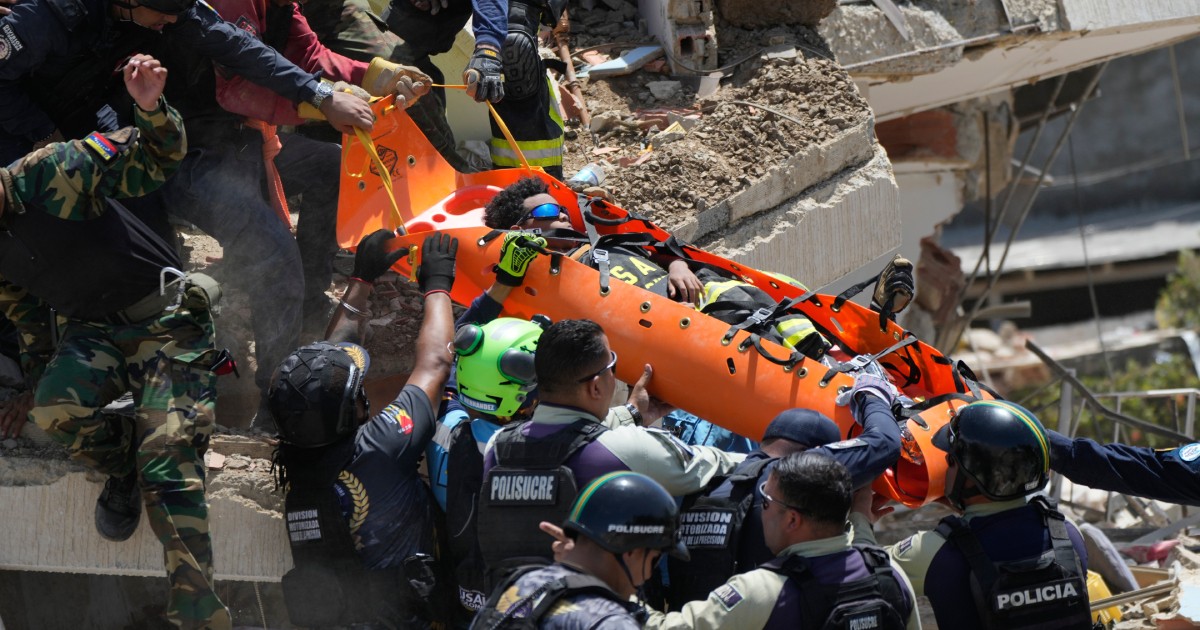
With the death toll climbing to around 1,450 and thousands of people still unaccounted for, authorities say the focus remains on saving lives despite increasingly difficult conditions.
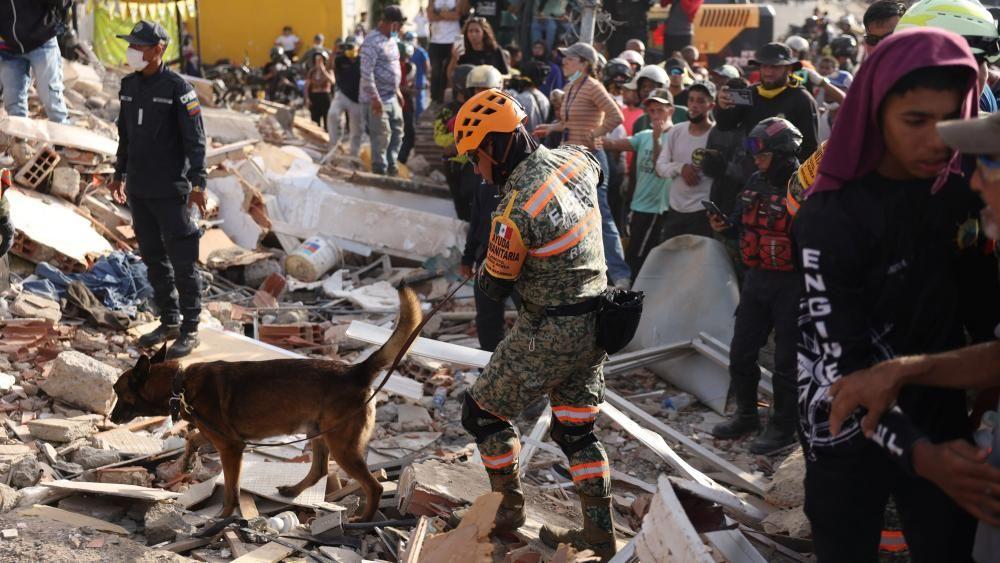
Emergency crews have been working around the clock since the disaster struck, navigating collapsed buildings, damaged roads and unstable structures in a race against time.
Although hopes of finding more survivors naturally diminish with each passing day, rescuers remain determined to continue their efforts for as long as there is a chance that people are still trapped beneath the rubble.
There have been moments of hope amid the devastation. On Sunday, French and U.S. rescue teams pulled a father and his teenage son alive from the remains of a collapsed building in the coastal town of Caraballeda, several days after the earthquakes.
Their rescue offered encouragement to families still waiting for news of missing relatives and to emergency workers who have refused to give up the search.
Officials say more than 3,150 people have been injured, placing enormous pressure on hospitals and emergency medical services already stretched by the scale of the disaster.
At least 12,700 people have also been forced to leave their homes, many now relying on temporary shelters and humanitarian assistance as they await news about when it will be safe to return.
The coastal state of La Guaira has been among the hardest-hit areas, with widespread destruction reported in several communities.
Buildings have collapsed, homes have been destroyed and critical infrastructure has suffered extensive damage, making rescue operations more challenging and slowing the delivery of aid to affected neighborhoods.
Authorities say thousands of people are still missing, though the exact number remains uncertain as emergency officials continue registering survivors and verifying reports from families searching for loved ones. The uncertainty has added to the anguish of communities anxiously hoping for good news while rescue operations continue.
Government officials have pledged to maintain search-and-rescue efforts, stressing that every possible opportunity to save lives will be pursued. International rescue teams have also joined local responders, bringing specialized equipment and expertise to support operations in some of the worst-affected areas.
Beyond the immediate rescue mission, Venezuela now faces a growing humanitarian challenge. Thousands of displaced residents require food, clean water, medical care and temporary accommodation, while damaged infrastructure is complicating relief efforts.
Aid organizations continue working alongside national authorities to provide emergency assistance to families whose lives have been upended by the disaster.
As the country mourns those who have lost their lives, attention remains focused on those who may still be rescued and on helping survivors begin the long road to recovery.
For many families, hope persists that loved ones will yet be found, while the nation confronts the enormous task of rebuilding communities shattered by tragedy.
Loading comments...
Leave a comment