



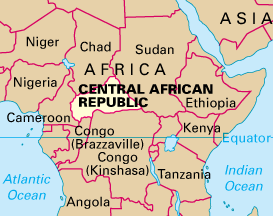
{The Central African Republic conflict started on 10 December 2012, between the Government of the Central African Republic (CAR) and Séléka, a coalition of rebel groups, many of whom were previously involved in the Central African Republic Bush War.The rebels accused the government of President François Bozizé of failing to abide by peace agreements signed in 2007 and 2011}
Rebel forces known as Séléka (meaning "union" in the Sango language) captured many major towns in the central and eastern regions of the country in the end of 2012. Séléka comprises two major groups based in north-eastern CAR: the Union of Democratic Forces for Unity (UFDR) and the Convention of Patriots for Justice and Peace (CPJP), but also includes the lesser known Patriotic Convention for Saving the Country (CPSK). Two other groups based in northern CAR, the Democratic Front of the Central African People (FDPC) and the Chadian group Popular Front for Recovery (FPR), also announced their allegiance to the Séléka coalition.
Chad, Gabon, Cameroon, Angola, South Africa and Republic of Congo sent troops as part of the Economic Community of Central African States' FOMAC force to help the Bozizé government hold back a potential rebel advance on the capital, Bangui. However the capital was seized by the rebels on 24 March 2013 at which time François Bozizé fled the country and the rebel leader Michel Djotodia declared himself president.
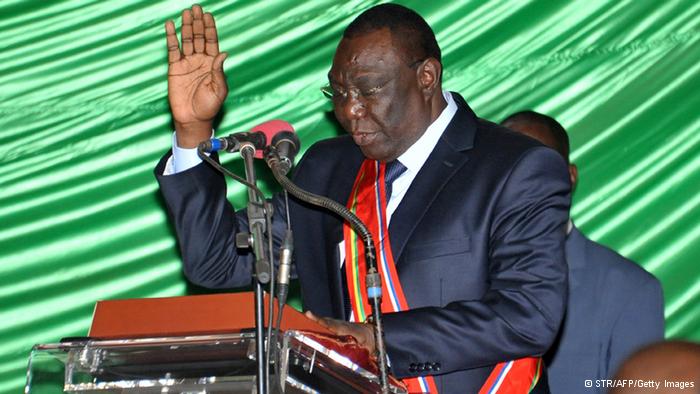
On 18 April 2013 Michel Djotodia was recognised as the transitional head of government at a regional summit in N'Djamena. On 14 May CAR's PM Nicolas Tiangaye requested a UN peacekeeping force from the UN Security Council and on May 31 former President Bozizé was indicted for crimes against humanity and incitement of genocide.
The security situation remained poor during June–August 2013 with reports of over 200,000 internally displaced persons (IDPs) as well as human rights abuses including the use of child soldiers, rape, torture, extrajudicial killings and forced disappearances as well as renewed fighting between Séléka and Bozizé supporters in August with French President François Hollande calling on the UN Security Council and AU to increase their efforts to stabilize the country. By August the Séléka-run government under Djotodia was said to be increasingly divided. The conflict worsened towards the end of the year with international warnings of “genocide"
The situation in CAR is not very different from what Rwanda faced from 90’s up to the 1994 Genocide against Tutsis which saw over a million Rwandans being killed by their fellow Rwandans.
There is no one else who is killing citizens of CAR except fellows who are engaging wars to each other. However bad governance may also lay behind the cause of fighting to each other and this led to devastating effects on country and its citizens.
If Rwanda continued with the same leadership as the one that encouraged Rwandans to kill Rwandans in 1994, it wouldn't have been where it is today.
The only way of ending conflicts is a good leadership that takes into consideration the interests of citizens and the country in General.
Let us believe that CAR is approaching the beginning of the peaceful Republic where citizens will no longer face atrocities as what happened in recent days.
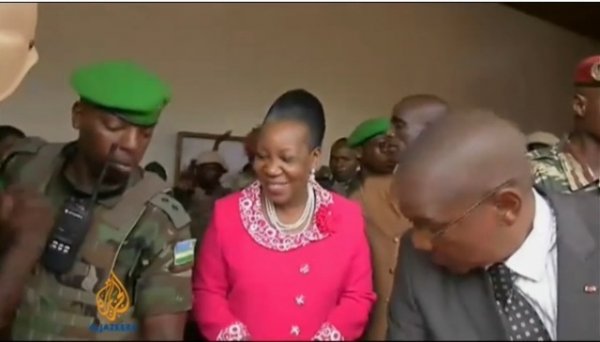
On 20th January, 2013, CAR citizens voted their interim president that many believed is the start point from bad leadership to Good leadership. According to observers things may turn into chaos if the newly elected leader fails to unite and reconcile Muslims and Christians of the Central Africa Republic.
The lesson which CAR should learn from Rwanda’s experience is that the Government succeeded in uniting a society that had lived divided for a long time and it managed to reconcile genocide perpetrators with genocide victims and as a result the country is entering a new era of “One Citizen, one country with one vision” via Ndi Umunyarwanda initiative. Is this a bad thing for CAR?
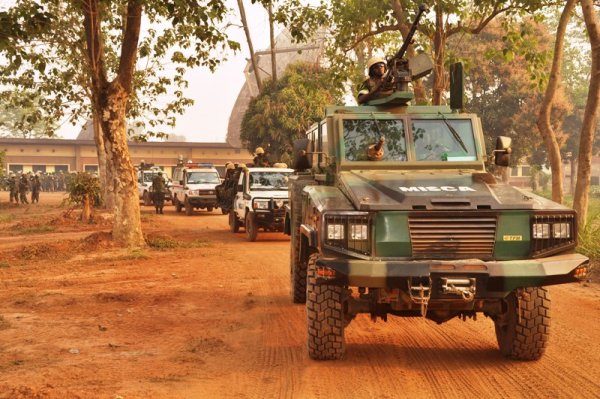
Apart from uniting and reconciling citizens in CAR, the Government should also build a very strong governance system where each citizen should feel he or she is represented. The army must be strengthened to ensure the country is secured by natives after foreigner's support. The recent AU mission in CAR should also be a good lecturer to CAR’ army and help in creating a powerful and stable army that is ready to defend the interests of citizens and the country.
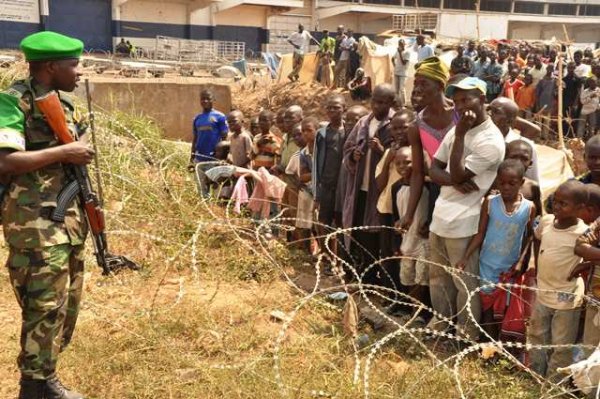
At the beginning, the new leadership must struggle to learn from the mistakes that were committed before and then put in place a system which benefits the whole country.
Even the countries that have made progress like Rwanda for example started by learning from the past mistakes to shape the better future. It started with looking on past mistakes, telling truth about the mistakes, uniting citizens and then shaping the common vision which leads to social economic development of each Rwandan.
CAR should work hard to unity a divided society as the sayings say “Unity is strength… when there is teamwork and collaboration, wonderful things can be achieved.”
About the Author:
Ange de la Victoire Dusabemungu
Bachelor's degree in Communication and a Journalist at IGIHE.com
Contact: [email protected]
Loading comments...
Leave a comment