



The science is clear. El Niño, driven by periodic warming of Pacific Ocean surface temperatures, can bring exceptionally heavy rains to East Africa, triggering floods, landslides, windstorms, and lightning. The challenge is not only the weather, but if institutions, communities and partners can translate forecasts into timely action before hazards become humanitarian and economic crises.
For Rwanda, the stakes are high. Home to more than 14 million people living within just 26,000 square kilometres, the country's topography combines remarkable beauty with considerable vulnerability.
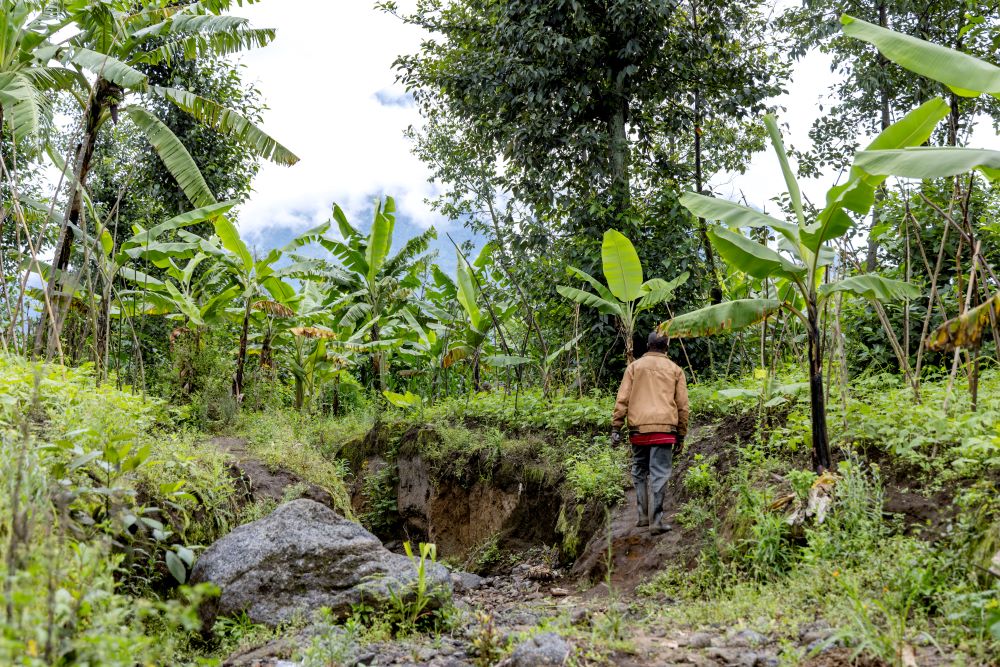
Communities, productive farmland, and critical infrastructure are often located along steep hillsides and narrow valleys where heavy rainfall can quickly lead to soil erosion, landslides, and flash flooding.
Agriculture remains the backbone of rural livelihoods and a major driver of economic growth. Extreme weather destroys crops and livestock, cuts off rural roads, disrupts markets, damages water systems, and intensifies disease outbreaks. Within hours, climate shocks can erase years of progress for vulnerable households.
Climate change is increasingly a hunger and nutrition crisis. From creeping droughts and erratic rainfall to sudden floods and storms, both slow-onset and rapid-onset climate shocks undermine food systems, reduce household resilience, and worsen food insecurity and malnutrition, particularly among women and children.
Yet El Niño is not only a risk. Well-managed rainfall can replenish water sources, improve soil moisture, raise crop yields and increase fodder.
Rwanda must therefore reduce hazards while capturing potential benefits for food security, water management and rural livelihoods.
The devastating floods and landslides of May 2023 illustrated why early action matters. Torrential rains affected nearly half of Rwanda’s districts, claiming 131 lives in one night and affecting more than 51,000 people.
Thousands of homes were damaged or destroyed, while farmland, livestock assets, food stocks, and essential infrastructure suffered extensive losses. Such experiences highlight an important lesson: reacting to disasters is significantly more expensive than preventing them.
This is where anticipatory action matters. Across the world, the Food and Agriculture Organization of the United Nations (FAO) and the World Food Programme (WFP) work with governments and partners to turn forecasts, early warning systems and pre-agreed triggers into protective measures before hazards peak. Anticipatory action bridges the gap between knowing what may happen and acting before losses occur.
For farmers and local authorities, forecasts matter only when translated into practical support: adjusting planting dates, prioritizing flood-tolerant varieties, monitoring livestock disease, pre-positioning supplies and reinforcing vulnerable riverbanks and terraces.
The question, therefore, is no longer whether we can predict climate hazards. Rwanda has already demonstrated notable leadership in this regard. Under the coordination of the Ministry in Charge of Emergency Management, and with the engagement of line ministries, districts, United Nations agencies like FAO and WFP and development partners, considerable progress has been made in strengthening disaster preparedness and risk-informed planning.
WFP and FAO, working closely with the Government of Rwanda, have supported efforts to translate climate and seasonal forecast information into operational preparedness, including through risk analysis, hotspot identification, contingency planning and coordination support ahead of high-risk rainfall periods.
The value of these investments is already visible. After the 2023 floods and landslides, FAO supported flood-control canals, retention ponds, and protective infrastructure that improved water management, supported agricultural production, and benefited more than 29,000 people. WFP supported the Government-led response with food and nutrition assistance, temporary storage and shelter support, and cash assistance reaching more than 14,500 people, while strengthening coordination with MINEMA. These efforts show how preparedness, response and recovery can protect both people and productive assets.
Building on these lessons, Rwanda has established an anticipatory action plan for floods, including arrangements that can enable financing to be released when agreed triggers are reached. The next priorities are to extend this approach to landslides, strengthen financing for early action and equip local governments and communities to use forecasts. Investments in watershed restoration, terracing, erosion control, climate-smart agriculture, resilient infrastructure and sustainable water management must also expand.
Development partners, international financial institutions, and private investors have an important role to play. Climate resilience is not a cost but an investment in economic stability, human development, and growth. Every dollar invested in preparedness can prevent much larger losses in disaster response and recovery. More importantly, it protects lives, livelihoods, and development gains that would otherwise be placed at risk.
This agenda aligns with Rwanda’s ambitions for sustainable development, climate resilience, and agricultural transformation. FAO and WFP remain committed to working alongside the Government of Rwanda, local authorities, communities, development partners, and the private sector to strengthen resilience against El Niño and other climate-related shocks.
Together, we continue to connect early warning to early action, protect vulnerable communities and turn climate intelligence into practical decisions.
As the prospect of above-normal rains approaches, Rwanda has an opportunity to demonstrate once again that resilience is not built after disasters occur. It is built before they happen. By turning forecasts into early action, climate intelligence into strategic investment, and partnerships into practical preparedness, Rwanda can protect lives, secure livelihoods and accelerate its journey towards a more resilient and prosperous future.
The choice before us is clear. We can wait for the next flood, landslide or climate emergency and count the costs afterwards; or we can act on the information already available to us today.
This Op-Ed was penned by Mohamed Aw-Dahir, FAO Representative in Rwanda, and Andrea Bagnoli, WFP Representative and Country Director.
Loading comments...
Leave a comment