




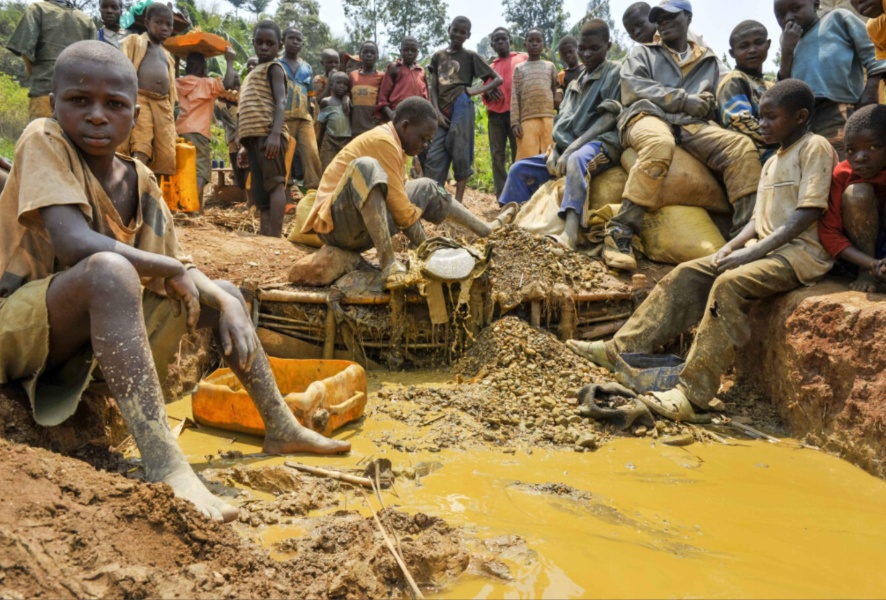
It begins in Africa.
Africa possesses more than 30 percent of the critical minerals required to build a cleaner, more digital future. Yet too often, the people who live where these minerals are found remain the poorest. They see the dust, the poisoned water, the environmental degradation, the dangerous working conditions, the poverty, and the conflict—but not the prosperity these resources should bring.
Can Africa turn its extraordinary natural wealth into an opportunity for its people? Can these minerals drive industrial transformation, strengthen democratic participation, eliminate root causes of conflict, and deliver shared prosperity. Or will history repeat itself?
We have been here before. Gold, diamonds, oil, gas. Each promised transformation. Too often, each delivered wealth for only a few, while leaving local communities impoverished. Nigeria has earned more than USD400 billion in oil revenues since the 1960s, yet about 40 percent of its population continue to live in poverty. The Democratic Republic of the Congo possesses extraordinary cobalt reserves, yet its eastern provinces have only endured decades of violence. Sierra Leone's illicit diamond trade financed a brutal civil war, that included widespread amputation of civilians' hands, so that women elsewhere could wear diamond engagement rings.
These experiences are a stark reminder that resources alone do not create progress. Leadership does. Strong institutions do. And accountability does.
Today, a new scramble for Africa is underway. This time for its critical minerals. The world’s largest economies understand that their prosperous futures depend on what lies beneath African soil. China dominates much of the world's cobalt refining industry, the United States has designated dozens of African minerals as strategically important to its national security, and the European Union's Critical Raw Materials Act seeks stronger partnerships across African supply chains.
This creates an extraordinary opportunity. Africa has a chance not simply to supply the world with its critical minerals, but to shape the terms of engagement.
But that opportunity will only become reality if African governments put the interests of their people first and negotiate collectively rather than as fragmented competitors. Otherwise, history will simply repeat itself and reproduce old patterns of extraction and dependency under new names.
This is not only about economics. It is also about human rights and dignity, and democratic practice. Experience across resource-rich countries demonstrates that governments heavily dependent on mineral export revenues often become less accountable to citizens as reliance on taxation declines. Competition for lucrative mining concessions fuels corruption, undermines electoral integrity, and entrenches patronage networks. Democratic institutions are hollowed out, and when state capacity is fragile, armed groups and criminal organizations find fertile ground.
But the opposite is also true.
When citizens know how decisions are made, when communities have a real voice, when institutions are independent and leaders are accountable, natural wealth can strengthen democracy instead of weakening it. Critical minerals can become catalysts for democratic renewal rather than drivers of democratic erosion. Realizing this potential requires transparent licensing and revenue management, strong parliamentary oversight, independent judiciaries, well-resourced anti-corruption institutions, and meaningful public participation. Citizens must know who owns mining rights, how contracts are negotiated, and how mineral revenues are collected, managed, and invested.
What must happen now?
First, Africa needs top notch expertise. African governments must invest in African geologists, data scientists, engineers, lawyers, environmental specialists, and negotiators to expertly shape every mining agreement. An African Union (AU) Mineral Governance Academy could help build the expertise needed to negotiate equitable agreements.
Second, African countries should work together to leverage the African Continental Free Trade Area to strengthen Africa's collective bargaining power and build industries that create jobs in Africa, not only exports abroad.
Third, African governments must embrace transparency. People deserve to know who owns the mining rights, what the impact on their environment will be, where revenues go, and how decisions are made. Mining contract transparency should become the norm.
Fourth, local communities must become true partners in development rather than victims or passive beneficiaries watching wealth leave their land. Their rights should be protected through meaningful participation, enforceable benefit-sharing arrangements, strong environmental safeguards, and legally guaranteed community oversight of mining operations.
Fifth, small-scaleartisanal miners should be recognized as legitimate economic actors. Governments should support mining cooperatives, improve safety standards, expand access to finance and technology, and protect these small-scale miners from exploitative intermediaries.
The global transition to clean energy must also be a transition to just approach—one that supports binding due diligence standards, responsible sourcing, and ethical supply chains that respect human rights and environmental sustainability.
The world needs Africa's minerals, but Africa needs something even more valuable. It needs governments worthy of their people’s trust. Africa’s greatest resource is its people. If African leaders govern in the best interest of their people, these minerals will do more than power the world’s batteries. They will power Africa’s future.
Binaifer Nowrojee serves as President of the Open Society Foundations.
Loading comments...
Leave a comment