




It is no longer simply about whether electric vehicles can work on African roads. That question is increasingly being answered in real time.
The more important question now is: How quickly can African countries learn from one another and scale what works?
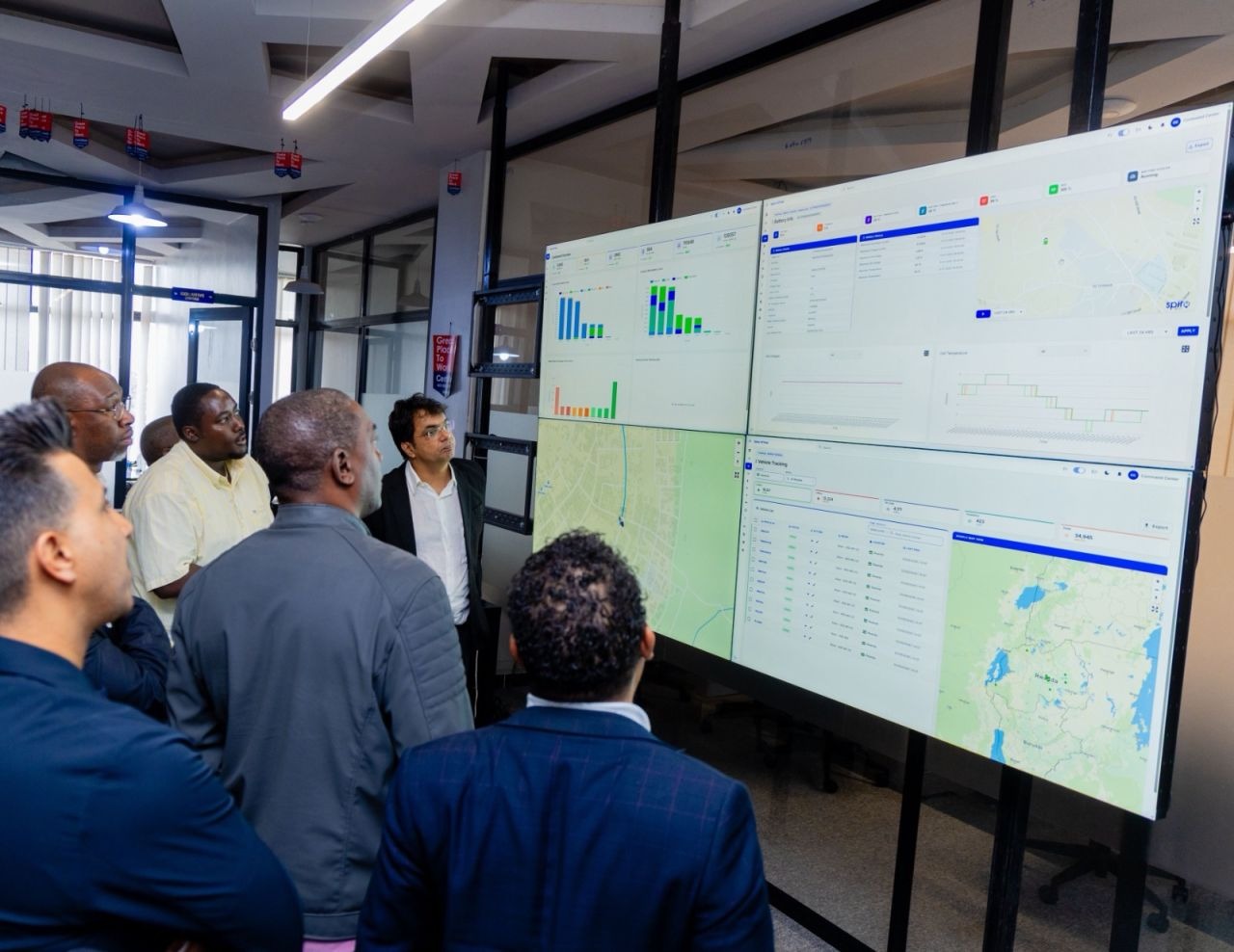
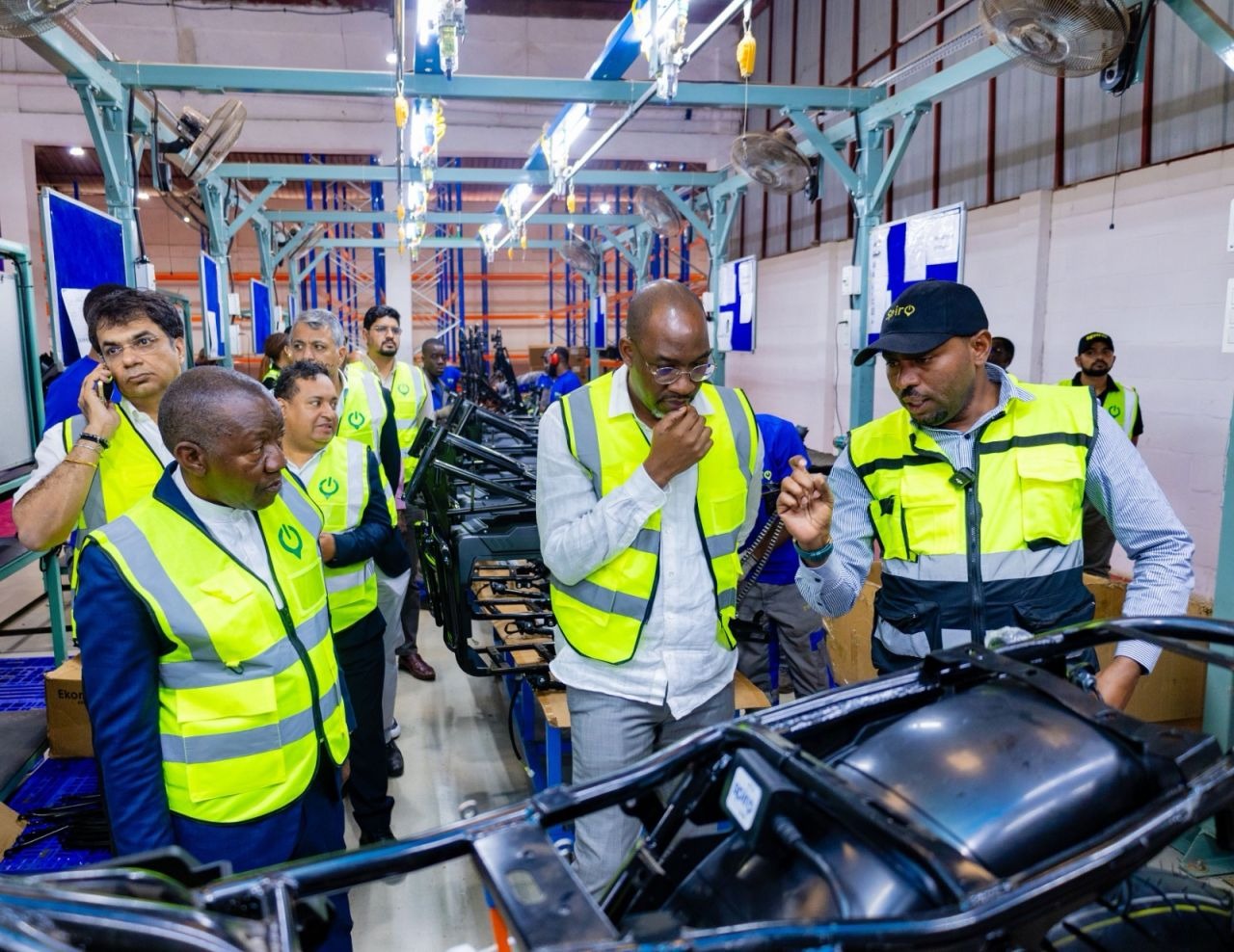
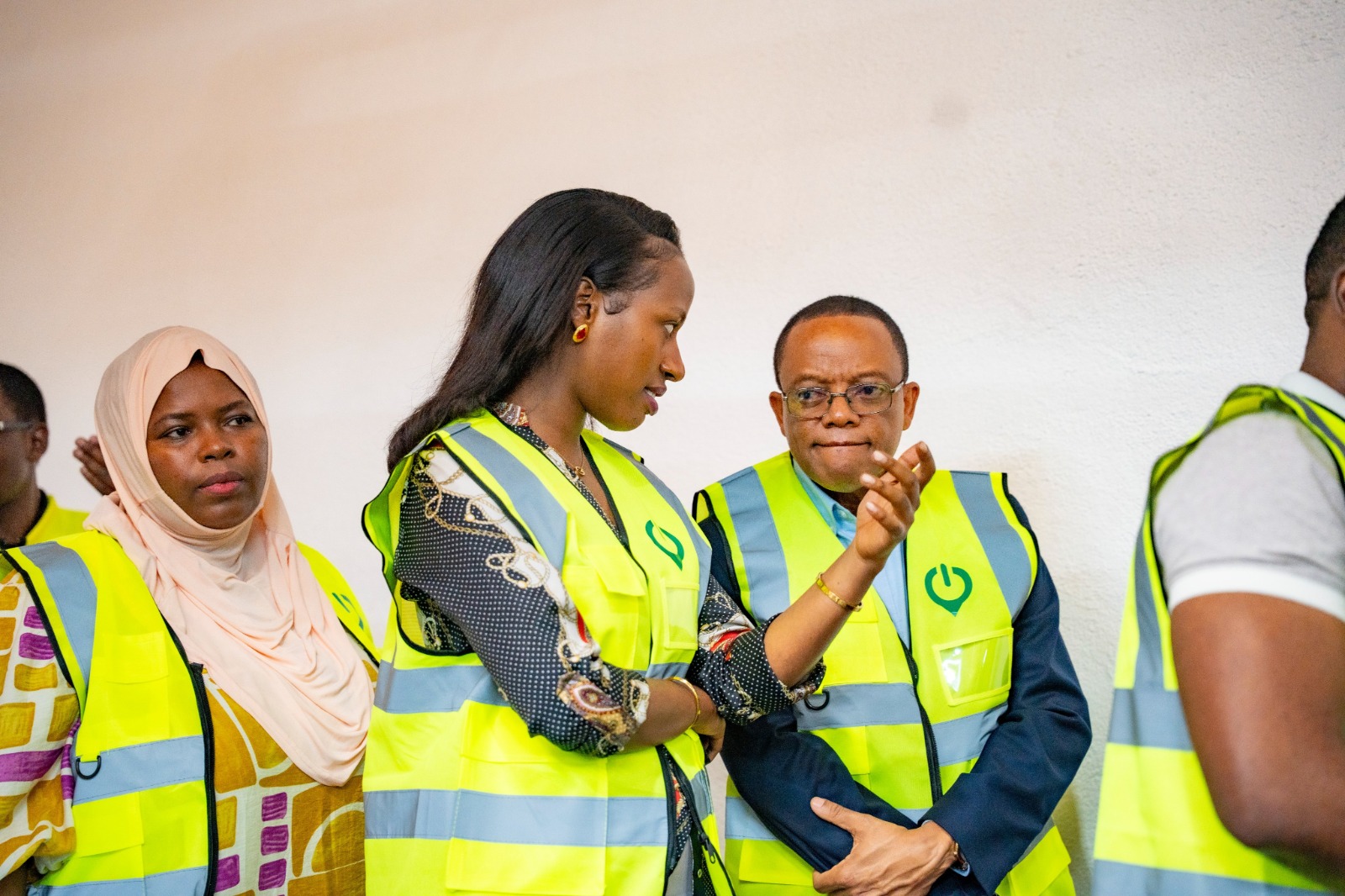
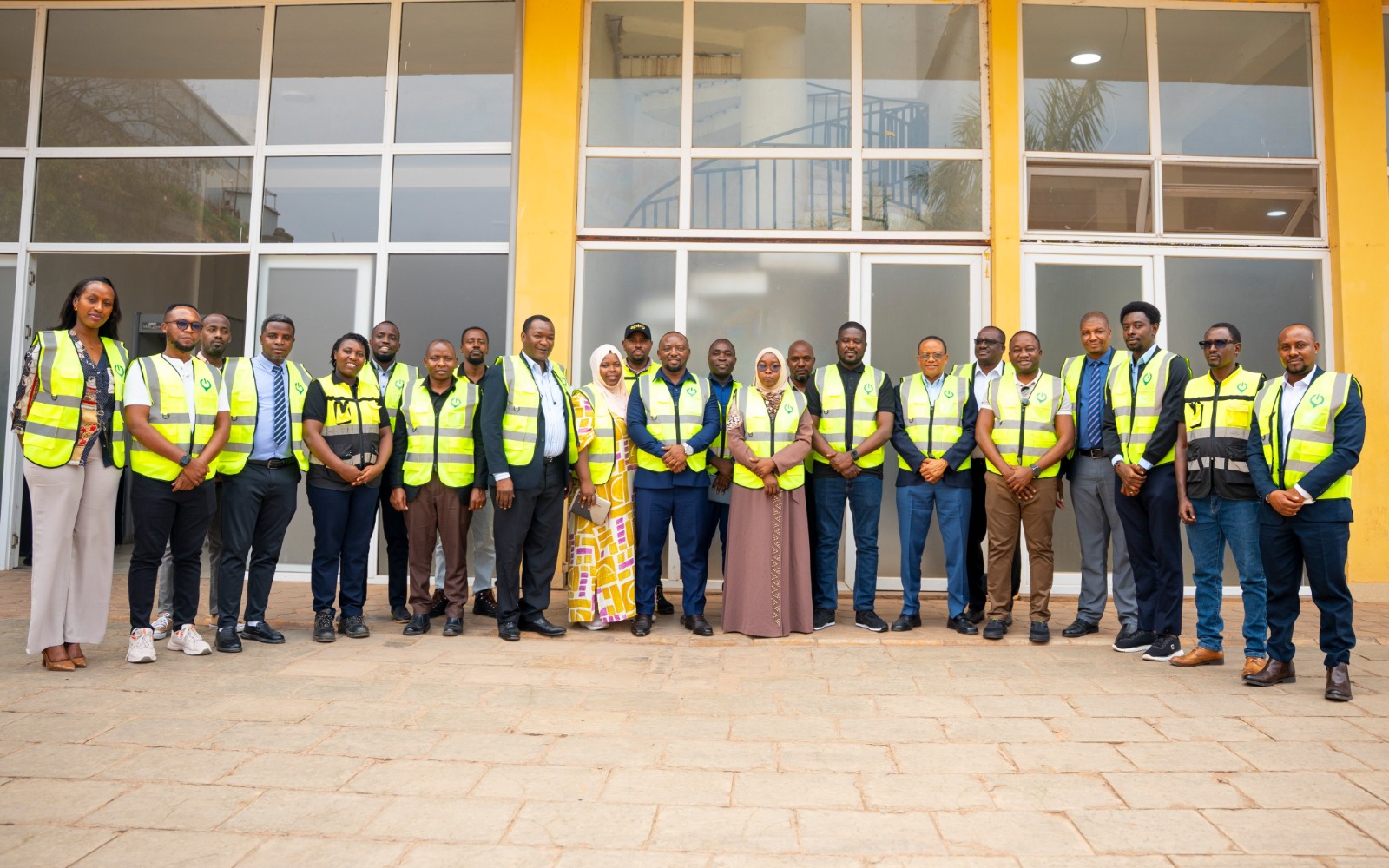
Recent visits to Spiro Rwanda by delegations from Tanzania and Mozambique for benchmarking provide a powerful illustration of this shift.
These visits were more than opportunities to showcase technology. They represented something more significant: African countries looking to African experience for practical answers to African challenges.
And that matters.
Rwanda is becoming a reference point
Rwanda’s electric-mobility journey is instructive because the country has approached the transition as an ecosystem rather than simply a vehicle-replacement exercise.
Electric mobility requires much more than putting electric motorcycles on the road. It requires batteries, swapping and charging infrastructure, maintenance, financing, technology, trained technicians, supportive policies and consumers who see value in making the transition.
Spiro’s experience in Rwanda illustrates this ecosystem approach. Our growing operations demonstrate how electric motorcycles, battery-swapping infrastructure, technology, skills and new economic opportunities can come together to make cleaner mobility practical.
Tanzania and Mozambique show why benchmarking matters
Tanzania and Mozambique are different markets, with different transport systems, energy landscapes, regulatory environments and economic structures.
Yet both face questions common across Africa: How can countries transition to cleaner transportation, build infrastructure, create viable electric-mobility markets and generate jobs?
Their decision to visit Rwanda sends an important signal.
African markets are beginning to recognize that they do not have to navigate this transition alone.
Benchmarking does not mean copying another country’s model. It means understanding what has worked, what challenges emerged, and which lessons can be adapted to local realities.
What works in Rwanda may need to be adapted for Tanzania. What Tanzania learns may, in turn, offer lessons for Rwanda or Mozambique. Knowledge exchange should not be one-way.
Africa should become a marketplace of ideas, not merely a marketplace for imported technologies.
Electric mobility is an economic opportunity
Electric mobility should not be viewed exclusively through the lens of climate change or transportation. It is also an opportunity for industrialization, skills development and job creation.
The transition creates new economic activities around vehicle assembly, batteries, software, charging infrastructure, maintenance, financing and energy management.
Governments should therefore look beyond vehicle-adoption targets.
The question should not only be how many electric vehicles we will have, but how much African value we will create around them: through skills, businesses, local supply chains and careers for young Africans.
That is how the energy transition becomes an economic transformation.
From benchmarking to partnership
The government has a critical role in creating the conditions for this transformation through clear policies, appropriate standards, infrastructure support, investment facilitation and engagement with industry.
The private sector brings capital, technology, expertise and the ability to deploy at speed.
Benchmarking visits bring these worlds closer together and allow policymakers to examine what happens when policy meets implementation. But the value of such visits should not end when delegations return home.
They should create lasting relationships, continued knowledge exchange and stronger partnerships that move successful African solutions across borders.
Africa is ready to scale
The visits from Tanzania and Mozambique are more than individual events in Spiro Rwanda’s calendar. They offer a glimpse of what the next phase of Africa’s electric-mobility journey could look like: countries learning from countries, companies learning from markets, and African solutions moving across African borders.
Africa does not need to reinvent the wheel in every country. We need to build systems through which experience can travel.
Rwanda is demonstrating what is possible. Tanzania and Mozambique have demonstrated the value of looking across borders to learn from that experience.
The future of mobility in Africa will be shaped by electrification. But the bigger question is whether Africa will simply import that future—or whether we will build, adapt, finance and scale it ourselves.
The knowledge is already beginning to move. Now, we must turn that knowledge exchange into partnerships, investment and scale.
The future of African mobility will be electric. Let us make sure the future of electric mobility is African, collaborative and built for Africa.
The writer, Innocent Ninsiima Ihinda, is a Government Relations Strategist.
Loading comments...
Leave a comment