



While dismantling the FDLR may still appear a distant prospect, disarming the group is reportedly part of an agreement between the DRC government and the FDLR aimed at encouraging fighters to voluntarily lay down their weapons, place them in designated facilities and eventually reintegrate them into civilian life.
Rwanda has rejected the arrangement, saying it is not provided for under the Washington peace agreements.
Floribert Anzuluni, the DRC minister responsible for regional integration, confirmed the agreement in July 2026. He later said that an African country had agreed to receive FDLR fighters who refuse to return to Rwanda, adding that discussions were ongoing with other countries.
However, the history of the FDLR suggests that the problem may not end with the laying down of weapons. The group's networks, political structures and ideology could survive, as this is not the first attempt to dismantle the organisation while allowing elements associated with it to remain active.
This has prompted the International Contact Group for the Great Lakes (ICG), which works closely with the European Union, the United States, France and other partners monitoring developments in the region, to remind the DRC that it must dismantle the FDLR as required under the Washington peace agreement.
The ICG has also called on the DRC to establish a clear plan and timetable for dismantling the FDLR and to explain how the group's leaders or fighters suspected of serious crimes will be brought to justice.
The FDLR problem goes beyond weapons
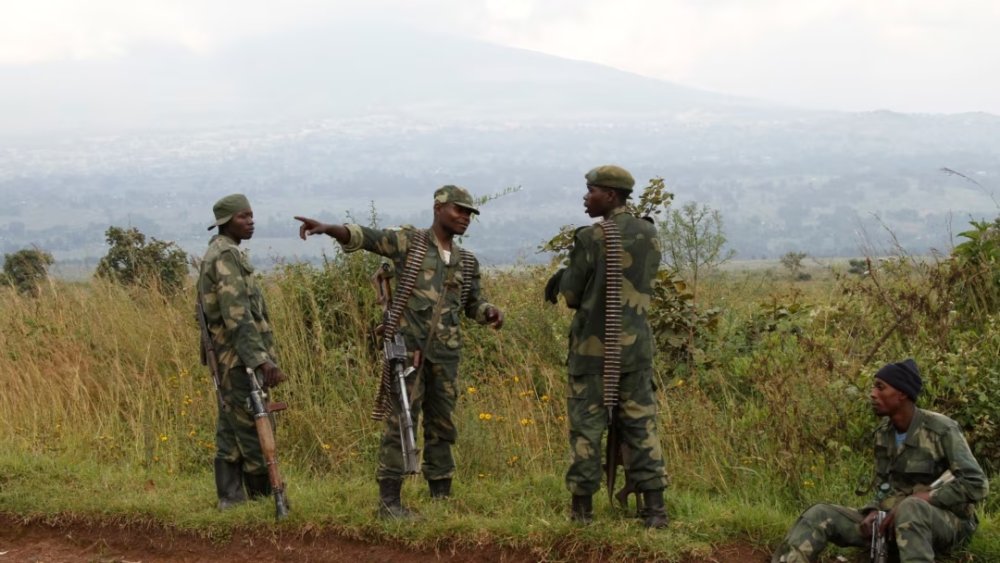
Following the 1994 Genocide against the Tutsi in Rwanda, members of the defeated former Rwandan Armed Forces (Ex-FAR), Interahamwe militia members and others involved in the genocide fled to then-Zaire, which later became the DRC. The FDLR was established in 2000 by former members of these groups.
The US Treasury Department says the FDLR has committed ethnically motivated violence, killed civilians, abducted people and recruited children as soldiers. These activities have led to sanctions against the group's leaders.
Regional political analysts argue that any country considering receiving FDLR fighters must recognise that disarming them would not automatically eliminate the ideology they have embraced for decades or the support networks they have built.
UN experts' reports have indicated that the FDLR has continued to be led by Rwandans, while increasingly recruiting large numbers of Congolese fighters over the years.
The group has also maintained longstanding links with the DRC authorities. Within the Congolese army, there has reportedly been an officer responsible for coordinating with the FDLR, while FDLR fighters have at times been incorporated into government forces during periods of conflict.
These links demonstrate the resources and influence the group has accumulated during its decades in the DRC, as well as the extent to which it has become embedded in parts of Congolese society and armed networks.
Genocide ideology could move with them
One of the greatest risks for any country receiving FDLR fighters would be allowing the group's former structures and leadership to remain intact.
If leaders and fighters continue operating under what they describe as political objectives, they could potentially maintain activities aimed at destabilising Rwanda or spreading division.
They could do so through networks of supporters built over many years or through social media, allowing their ideology to gradually reach people in the host country and potentially even influence political structures, as has happened in parts of the DRC.
At that point, the issue would no longer simply concern "former Rwandan fighters". It could become a domestic security and social problem for the host country if the group's divisive ideology begins taking root there.
Accounts from former FDLR members have frequently referred to military training in Burundi. In recent years, some Burundian officials have also made statements appearing to defend the group or downplay the threat it poses.
Relocating FDLR fighters without dismantling their structures could therefore risk spreading the group's extremist ideology beyond the DRC.
The lesson from the DRC
UN expert reports have documented links between the FDLR and Congolese armed groups including APCLS and Nyatura. The FDLR has also frequently cooperated with the Congolese army and armed groups incorporated into the Wazalendo coalition.
The FDLR has been accused of playing a significant role in the formation and leadership of groups including Nyatura, APCLS and CMC. Its cooperation with such groups has been particularly important because they have provided protection and hiding places for FDLR fighters when attacks were expected.
Another concern is the group's ability to rebuild its resources through illicit economic activities. The United States says the FDLR has generated revenue through mining, kidnapping for ransom, looting and environmental destruction, including charcoal production.
If these sources of financing are not dismantled, the FDLR could potentially recreate them in another country where its fighters are relocated.
Beyond relocation
An African country that agrees to receive some FDLR fighters would need a programme that goes far beyond providing them with a place to live.
The FDLR would need to be disarmed and stripped of its financing networks, while those suspected of involvement in the genocide, crimes against humanity or other serious offences would need to face justice rather than disappear into a broader reintegration programme.
UN principles on disarmament, demobilisation and reintegration (DDR) stress that simply removing fighters from armed groups is not enough. They need support to rebuild civilian lives, while host communities must also be involved so that former fighters can become part of local economic and social activities.
An African country that receives FDLR fighters could therefore give them an opportunity to begin new lives. But if it accepts them as a group that retains its leadership, networks and ideology, it could expose itself to some of the same problems the FDLR has created in the DRC.
More than 12,000 former fighters who left the forests of the DRC and returned to Rwanda have gone through reintegration programmes run by Rwanda's Demobilisation and Reintegration Commission (RDRC).
They have received training and support to rebuild their lives and are now participating in civilian life and contributing to Rwanda's development.
Loading comments...
Leave a comment