



The question is no longer distant. France has officially set the first round of its next presidential election for April 18, 2027, with a possible run-off on May 2, 2027. Macron, who has served two consecutive terms, cannot run again. This means that in less than a year, France will have a new president, and Rwanda will be dealing with a new political personality at the Élysée.
For Rwanda, this transition is important because the Macron years marked one of the most significant diplomatic resets between Kigali and Paris since the 1994 Genocide against the Tutsi. Relations that had for decades been shaped by suspicion, accusations and unresolved historical grievances were gradually reopened through a more direct political conversation.
Macron’s approach to Rwanda was unusually personal and symbolic. In May 2021, during his visit to Kigali, he stood at the Kigali Genocide Memorial and recognised France’s heavy historical and political responsibility in Rwanda. He said that only survivors could grant forgiveness to France.
"Standing here today, with humility and respect, by your side, I have come to recognize our responsibilities," said Macron.
That moment did not erase the past, but it changed the diplomatic atmosphere. It allowed both countries to move from confrontation toward cooperation. In June 2026, Macron and President Paul Kagame jointly inaugurated a memorial in Paris in honour of the victims of the 1994 Genocide against the Tutsi. Macron described the memorial as placing the genocide “at the heart” of France’s capital and history, and as the result of a long search for truth.
This is why the end of the Macron era raises a serious question. Will the next French president preserve this relationship, deepen it, cool it down or reverse its symbolism?
The answer depends on who wins.
At this stage, the race appears fragmented. The far-right National Rally is in a strong position, while the centre is divided between former prime ministers Édouard Philippe and Gabriel Attal. Reuters has reported that Philippe and Attal are seen as the favoured figures to lead the centrist challenge, while polls have placed the National Rally in a leading position.
Gabriel Attal, the candidate of continuity
Gabriel Attal may represent the clearest continuation of the Macron line. He formally launched his presidential bid in May 2026, joining a crowded centrist race. He is young, ambitious and closely associated with Macron’s political family, even though he is trying to show that he has his own identity.
For Rwanda, an Attal presidency would likely mean continuity. There is no strong public record suggesting hostility toward Kigali. Having been part of the Macron era, he would probably preserve the main pillars of the reset: recognition of historical responsibility, diplomatic cooperation, cultural ties and pragmatic engagement with Africa.
However, Attal would also inherit France’s broader position on the conflict in eastern Democratic Republic of Congo. France has condemned the M23 offensive as being made possible by Rwanda’s active support, while also supporting diplomatic solutions. Rwanda has repeatedly refuted backing AFC/M23, arguing that the movement is made up of Congolese citizens with longstanding grievances against the Congolese state.
Therefore, under Attal, Rwanda-France relations would likely remain warm, but not without pressure on the DRC issue.
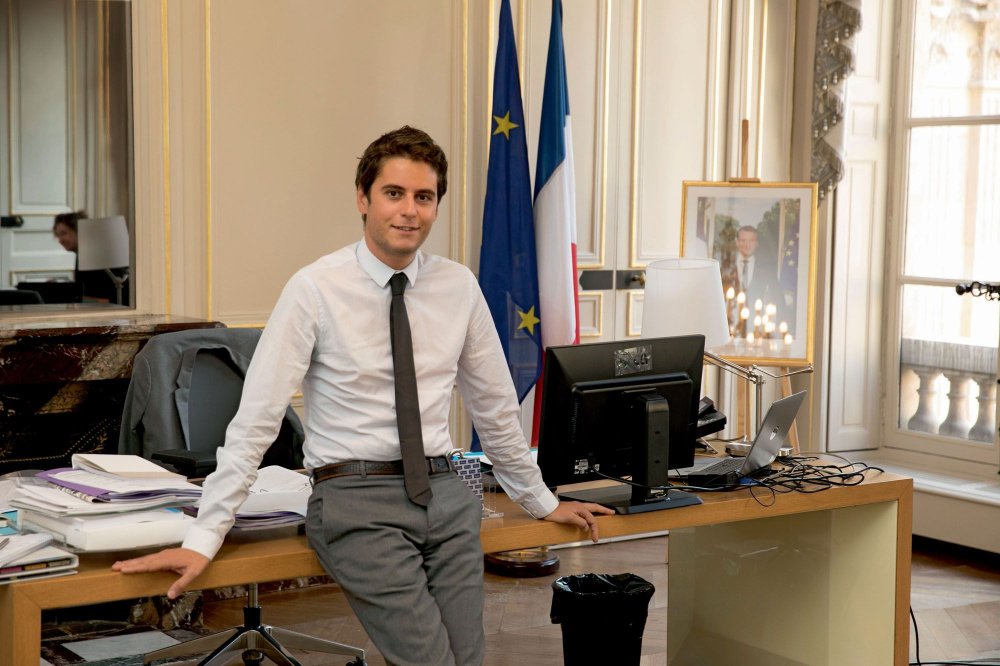
Édouard Philippe, the pragmatic centre-right option
Édouard Philippe is another major figure to watch. Macron’s former prime minister has spent years positioning himself as a credible successor, especially for voters of the centre and centre-right. Le Monde has described him as trying to establish himself as the natural successor to Macron, while also distancing himself from the current president.
For Rwanda, Philippe would probably mean continuity, but with less emotion and symbolism than Macron. He is likely to approach Rwanda through a pragmatic lens: diplomacy, economic interests, security, Europe-Africa relations and regional stability.
A Philippe presidency would probably not dismantle the reconciliation work achieved under Macron. But it might make the relationship less personal. Kigali could still count on serious engagement from Paris, but perhaps not the same level of symbolic investment that Macron brought to genocide memory and bilateral repair.

Jordan Bardella, the uncertain far-right alternative
Jordan Bardella may be the most important unknown. The president of the National Rally has emerged as one of the most serious contenders for 2027. A Reuters report in November 2025 said an Odoxa poll predicted that Bardella could win the next presidential election against any opponent tested at that time.
Bardella’s Rwanda policy is not clearly defined. He has not built his political identity around the Rwanda question. But he comes from a political family whose historic instinct has been sceptical, sometimes hostile, toward President Paul Kagame’s government and toward France’s language of historical responsibility.
This matters because the National Rally has traditionally defended the honour of the French army and rejected what it sees as excessive “repentance” in foreign policy. If Bardella becomes president, he may choose pragmatism, especially if he wants to appear presidential and internationally credible. But Rwanda should expect a colder, more cautious and less emotionally invested France.
The relationship would probably not collapse automatically under Bardella. France has interests in the Great Lakes region, and Rwanda has become too important diplomatically, economically and strategically to be ignored. But the warmth of the Macron-Kagame chapter would likely fade.

Marine Le Pen, the most difficult scenario for Kigali
Marine Le Pen would likely represent the most complicated scenario for Rwanda. Her record is far clearer than Bardella’s. In 2011, she strongly criticised Nicolas Sarkozy for receiving President Kagame in Paris. In that statement, she described Kagame as a dictator, defended the French army and Operation Turquoise, and accused Kigali of dishonouring the French army by accusing France of involvement in the genocide.
That language is not a small detail. It reflects a political view of Rwanda that is fundamentally different from Macron’s. Where Macron chose recognition, Le Pen has historically chosen defence of France’s military record and confrontation with Kigali’s accusations.
Her candidacy is also legally uncertain. Reuters reported in January 2026 that Le Pen had been barred from public office for five years over a conviction for misusing EU funds, and that her appeal would determine whether she could run in 2027. If she cannot run, Bardella is expected to stand for the National Rally.
If Le Pen were elected, Rwanda-France relations would likely cool sharply. The risk would not only be diplomatic distance, but also a symbolic reversal of Macron’s reconciliation work.
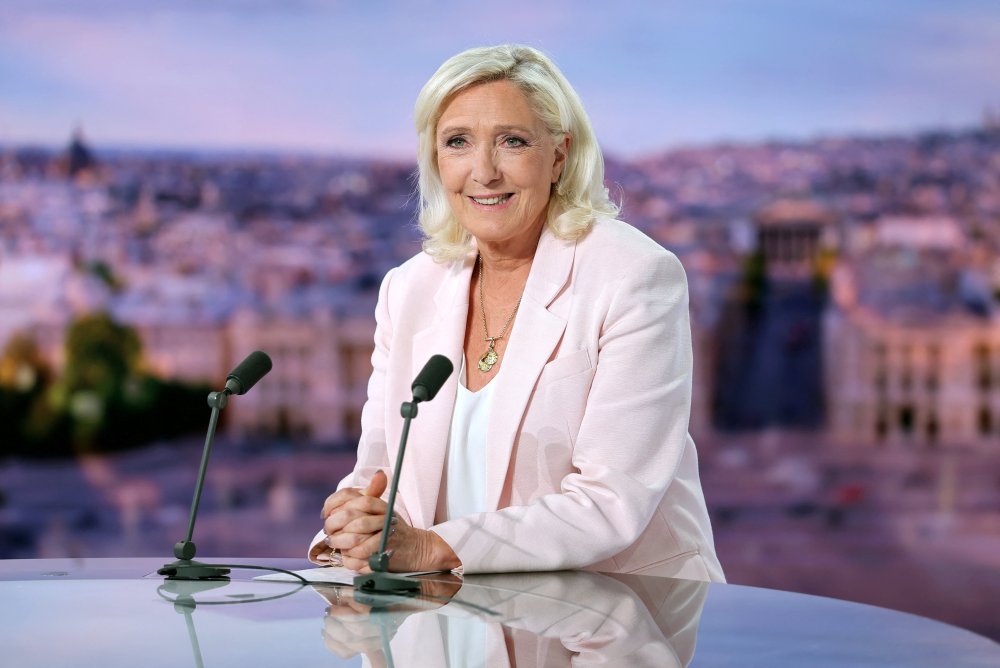
Raphaël Glucksmann, sympathetic on memory but demanding on politics
Raphaël Glucksmann presents a different kind of complexity. On the history of the Genocide against the Tutsi, he may be among the French political figures most aware of the depth of the issue. He co-directed Tuez-les tous !, a documentary on the genocide and the role of France, which examined the international failure to stop the killings and the controversy surrounding French policy at the time.
This background could make him sympathetic to Rwanda’s long-standing position on historical truth. A Glucksmann presidency would probably not reverse Macron’s recognition of France’s responsibility. On memory, he could even go further than some centrist politicians.
But Glucksmann is also a strong human-rights advocate. His relationship with Kigali would likely remain respectful on historical issues while placing greater emphasis on governance, human rights and regional security, including the conflict in eastern DRC. These issues would likely feature more prominently in bilateral engagement.
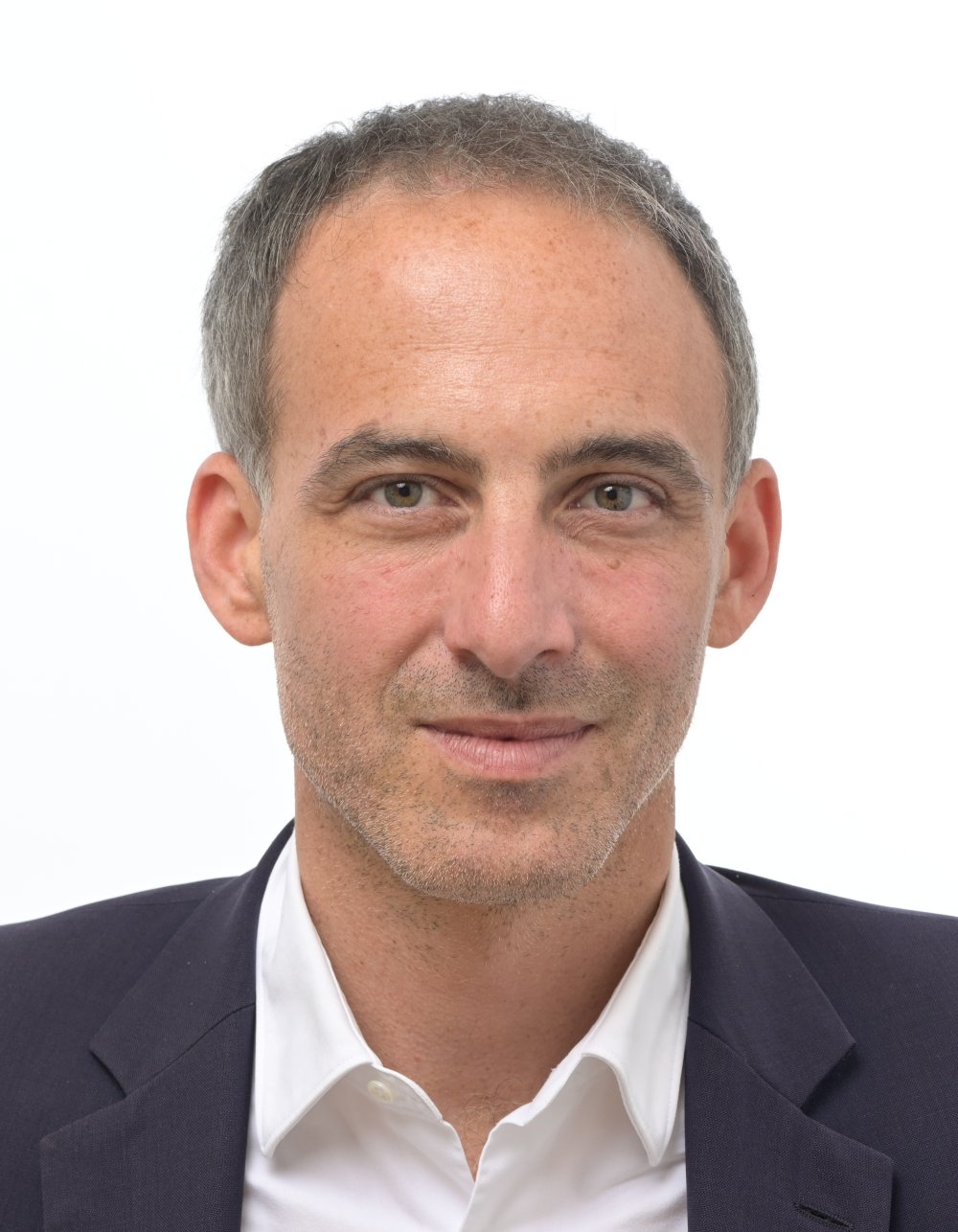
Jean-Luc Mélenchon, recognition of France’s responsibility but strong criticism of Kagame
Jean-Luc Mélenchon would also bring a mixed approach. He supports France recognising its responsibility in Rwanda, and has criticised those who dismiss that process as repentance. But he has also described Paul Kagame’s government as authoritarian and has linked Rwanda to mass violence in the DRC.
His political movement, La France Insoumise, has taken an even harder line on the DRC conflict. In January 2025, it called for strong sanctions against Rwandan political and military leaders and a total embargo on Rwandan mineral exports.
A Mélenchon presidency would therefore be difficult for Kigali. It would not be hostile to Rwanda because of genocide memory. On that point, Mélenchon is closer to historical recognition. But it would probably be very confrontational on the DRC, human rights and Kagame’s rule.
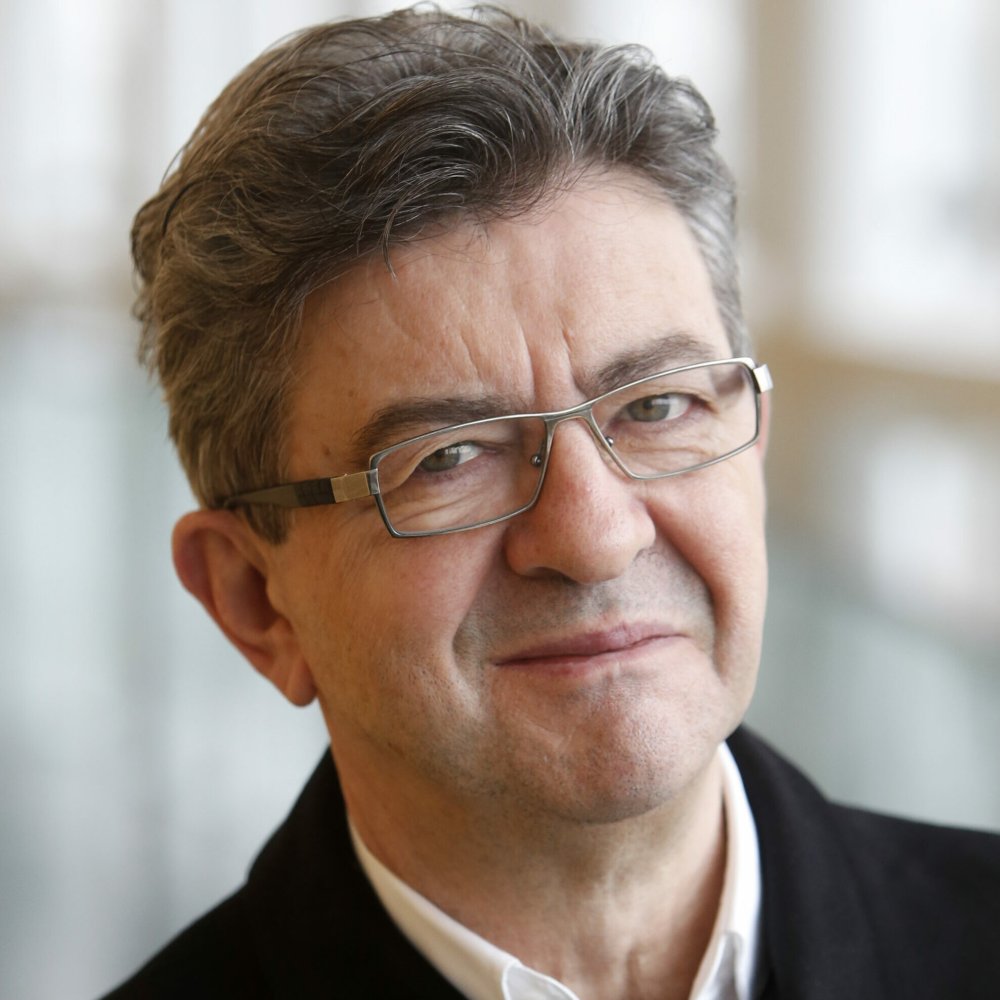
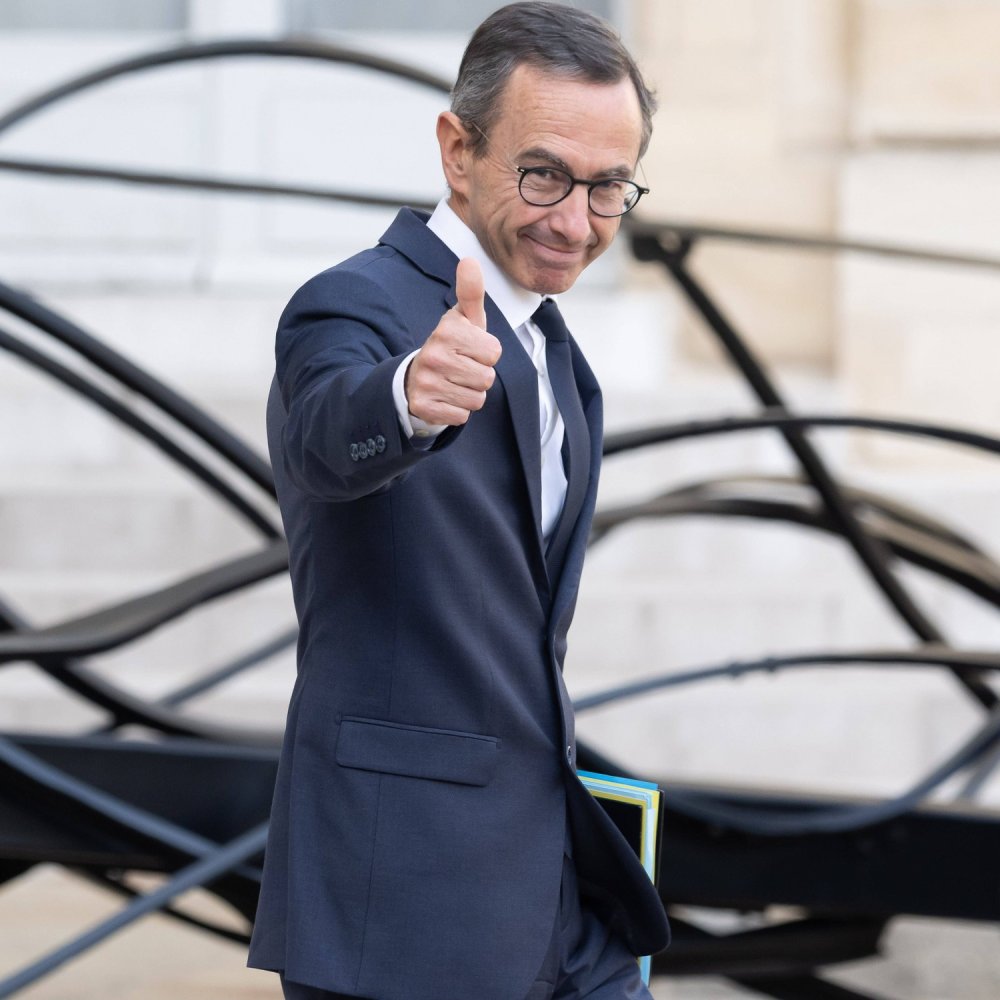
Bruno Retailleau, cautious conservatism
Bruno Retailleau, the candidate of the traditional right, is harder to assess on Rwanda specifically. He does not have the same visible Rwanda record as Le Pen, Macron or Mélenchon. His approach would likely be conservative, state-oriented and security-focused.
For Kigali, this would probably mean a cooler but manageable relationship. Retailleau would not necessarily seek confrontation with Rwanda, but he would be unlikely to invest heavily in the symbolic dimension of reconciliation. The relationship could become more administrative, less presidential and more dependent on regional developments in the Great Lakes.
The DRC question could shape everything
Whoever replaces Macron will inherit one sensitive file: the conflict in eastern DRC. This issue now sits at the centre of how many Western capitals view Rwanda. France has taken a firm position at the United Nations, including condemning the M23 offensive as supported by Rwanda. At the same time, Macron has also warned against isolating Rwanda and has argued for continued dialogue rather than purely punitive measures.
This balance may not survive intact under Macron’s successor. A centrist president may keep the same careful line: pressure on security issues, but continued engagement with Kigali. A far-right president may cool the historical reconciliation agenda. A left-wing president may maintain recognition of France’s responsibility in 1994 while becoming tougher on Rwanda’s current regional policy.
For Rwanda, the lesson is clear. The relationship with France has improved significantly, but it should not be taken for granted. Much of its current warmth was built around Macron’s personal political choice to confront France’s past and rebuild trust with Kigali. Institutions, trade, culture and diplomacy may preserve the relationship, but personalities will shape its temperature.
The most favourable scenarios for Rwanda would likely be Attal or Philippe. Both would probably maintain continuity, although with different levels of enthusiasm. Glucksmann would be constructive on genocide memory but more demanding politically. Bardella would be uncertain and colder. Le Pen would be the most difficult. Mélenchon would be confrontational, especially in the DRC.
After Macron, Rwanda-France relations are unlikely to return to the deep hostility of the past. Too much has changed. But the exceptional warmth of the Macron-Kagame years may not be automatic. The next phase will depend on whether France’s new president sees Rwanda as a strategic African partner, a historical responsibility, a regional problem or all three at once.
Loading comments...
Leave a comment