



Speaking on the Dossier Podcast, Coulibaly argued that international reporting often overlooks the historical persecution of Congolese Tutsi communities, the presence of the Democratic Forces for the Liberation of Rwanda (FDLR) and the consequences of genocide ideology in the Great Lakes region.
Her remarks come amid renewed uncertainty over peace efforts in eastern DRC, where fighting has continued despite ceasefire commitments and international mediation. The Alliance Fleuve Congo (AFC) and the March 23 Movement (M23) have also been reorganised under a new political-military coalition, the Front for the Refoundation of the Nation (FRN), led by former Congolese president Joseph Kabila.
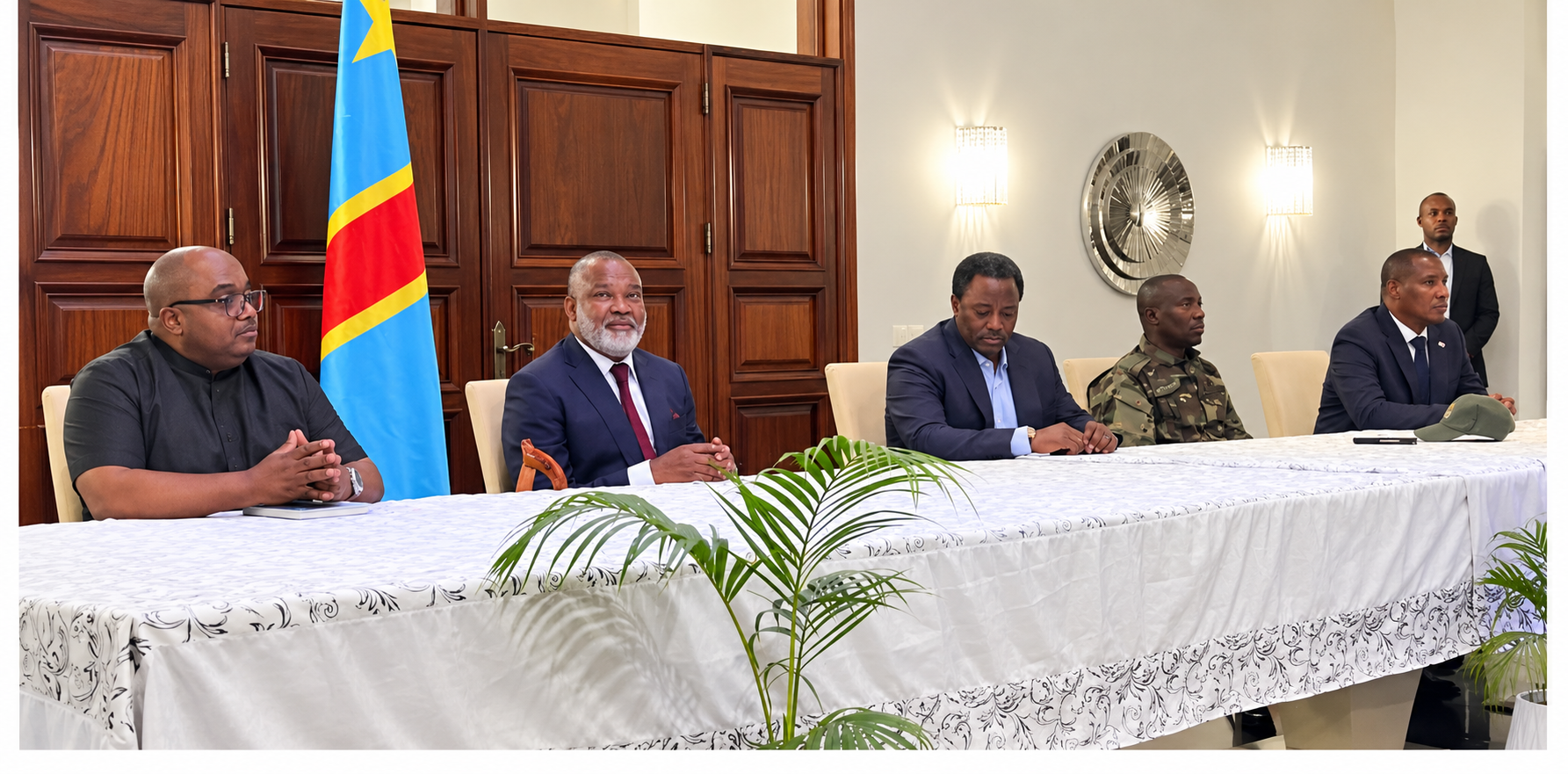
The development has raised fresh questions about the future of negotiations aimed at ending the conflict, even as President Félix Tshisekedi’s administration faces renewed accusations of lacking the commitment and good faith needed to support peace initiatives, alongside scrutiny over its use of foreign mercenaries in the conflict.
Coulibaly challenged journalists and researchers to investigate events on the ground rather than rely on narratives that may reflect particular political interests.
"Being easily manipulated is also a choice," she said, arguing that African conflicts are sometimes approached with less investigative depth than events in Europe and the United States.
A personal history shaped by war
Coulibaly's interest in conflict is partly rooted in her experience of the Bosnian war, which began in 1992.
Born in the former Yugoslavia in the early 1980s, she was about 11 when her family fled their home near Sarajevo. They moved through Serbia and Croatia before travelling through Austria and Italy and eventually settling in France as political refugees.
She recalled her father asking her to choose one item from her bedroom before leaving home.
"I looked at my room and thought, what is that one thing I can take with me? Of course, I was 11 years old. I took a teddy bear with me and we left," she said.
The family experienced bombing and sought shelter before fleeing. Their time as refugees exposed them to hunger, family separation and difficult living conditions.
Coulibaly said these experiences shaped her understanding of conflict and prompted her to examine how political ideologies and ethnic divisions can lead to mass violence.
The Genocide against the Tutsi in Rwanda in 1994 and the Srebrenica genocide in Bosnia in 1995 further influenced her thinking about international responses to mass atrocities.
She questioned why the international community failed to prevent the Genocide against the Tutsi in Rwanda, arguing that geopolitical interests have often influenced decisions about when and where to intervene.
"Genocide is a crime against humanity," she remarked, emphasising that its consequences extend beyond the country or community directly targeted.
The history behind eastern DRC's conflict
Coulibaly said her interest in eastern DRC developed over approximately two decades, initially through academic literature and documentaries before she began regularly visiting the region.
Her research into language, political communication and ideology led her to question how the conflict was presented in academic publications and media reports.
She said she began noticing rhetoric in late 2021 that reminded her of language used before the Genocide against the Tutsi.
According to Coulibaly, some accounts of eastern DRC give insufficient attention to the FDLR, an armed group formed by the perpetrators of the 1994 Genocide against the Tutsi in Rwanda, who fled into what was then Zaire after the genocide.
She argued that the group's continued presence and activities should be considered when examining the region's security challenges and the persecution of Congolese Tutsi communities.
Coulibaly also criticised accounts that trace the region’s recent history to the First Congo War of 1996–1997, framing the overthrow of Mobutu Sese Seko as a “Rwanda invasion” while overlooking the wider historical and political context.
She argued that beginning the narrative at that point can obscure earlier developments, including the flight of genocide perpetrators into Zaire and the subsequent attacks and insecurity affecting communities in the region.
"Once you start the story at a specific moment, it tells a completely different story," she said, invoking the idea of a single narrative that can distort complex historical realities.
Her argument is that the region's history should be examined in its entirety rather than through an account that focuses exclusively on one phase of the conflict.
Media bias and the portrayal of suffering
Coulibaly was critical of a tendency among journalists and academics to repeat existing accounts without adequately verifying the information.
She argued that such practices can allow particular political narratives to become accepted explanations of complex conflicts, even when important historical context is missing.
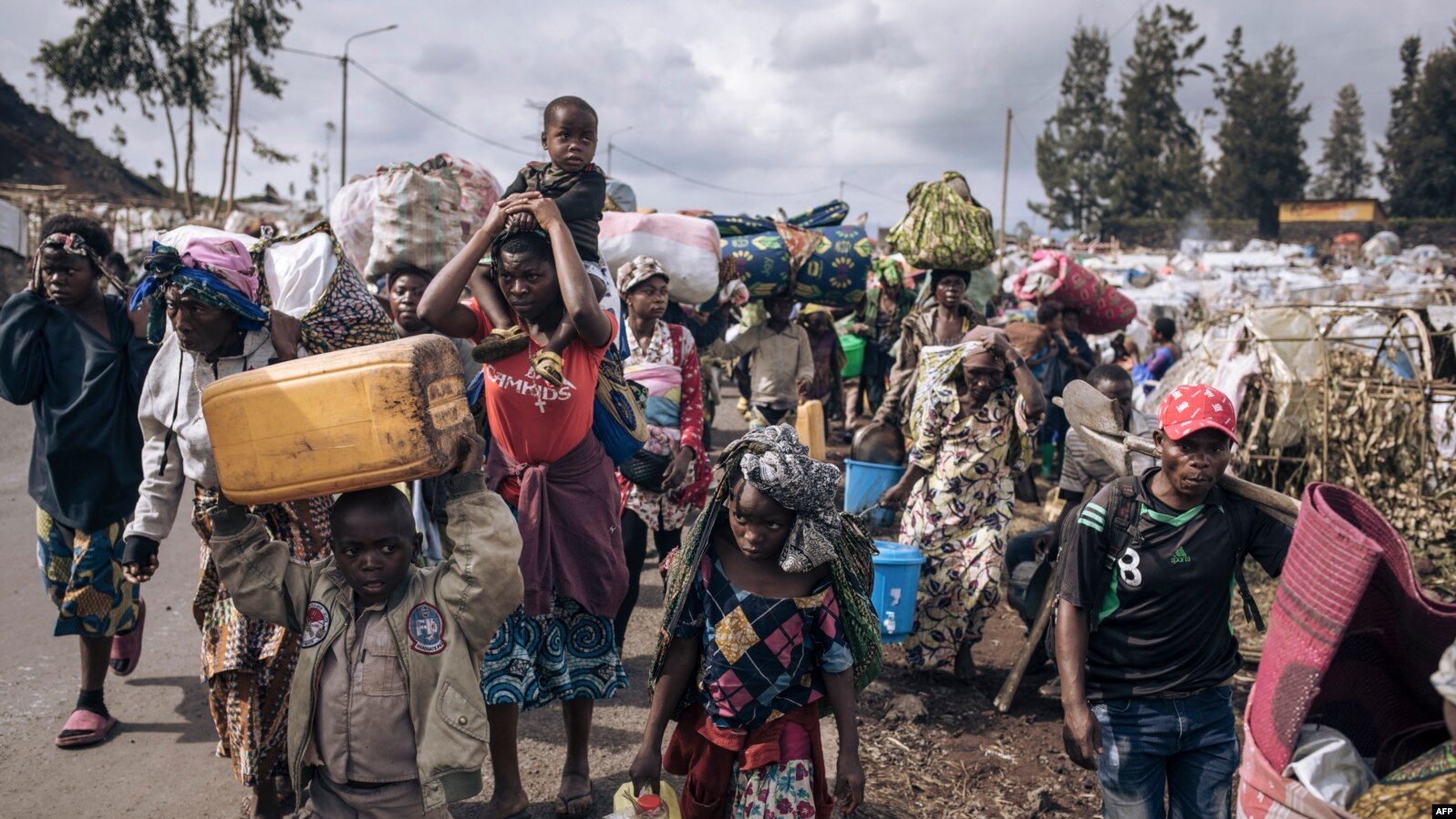
She also questioned the tendency to portray eastern DRC primarily through images of violence, displacement and suffering.
Recalling conversations with foreign journalists covering the conflict, she described how some viewed witnessing killings as a successful reporting day.
"That's a good day. It's a day where they collected something that is worth reporting on," she said, recounting the attitude she encountered.
Coulibaly argued that this emphasis on dramatic violence leaves less room for stories about the experiences, choices and aspirations of people living in the region.
She said her own fieldwork seeks to document those experiences, including the motivations of people who join armed movements and the daily lives of communities affected by conflict.
However, broadening coverage to include community experiences and resilience does not diminish the need to investigate civilian harm and alleged abuses by all parties.
Coulibaly also questioned the methods used by international organisations when documenting developments in eastern DRC, arguing that telephone interviews and satellite imagery may be insufficient without adequate local investigation and independent verification.
She alleged that some accounts were influenced by individuals with political interests, including actors aligned with authorities in Kinshasa.
Such allegations require independent evidence. Disagreement with the findings of international organisations does not, by itself, establish that their reports are fabricated.
Nevertheless, Coulibaly maintained that journalists and researchers should scrutinise their sources, cross-check competing accounts and be transparent about their methods.
"People don't take the time," she said, arguing that African conflicts are sometimes approached with insufficient investigative depth.
Ceasefire commitments and the search for peace
The debate over how eastern DRC is reported comes as diplomatic efforts have struggled to end the fighting.
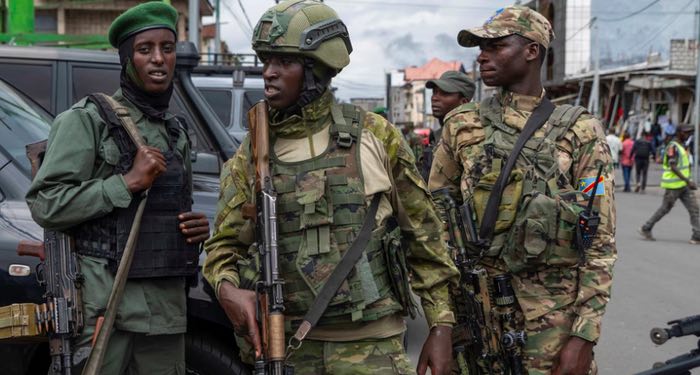
In August 2026, the Congolese government and the AFC/M23 alliance agreed on a roadmap setting out steps and timelines for further negotiations under the Doha peace framework. However, fighting continued in parts of South Kivu, underscoring the challenges facing efforts to secure a lasting ceasefire.
The African Union's panel of facilitators subsequently urged the parties to honour their commitments, respect the ceasefire and cooperate with mechanisms intended to monitor compliance.
The conflict has also entered a new political phase following the formation of the FRN under Kabila's leadership in October. The rebranding is reportedly intended to present the movement as a broader national political project rather than an alliance primarily associated with eastern DRC. The coalition has said it intends to maintain commitments made during the Doha negotiations.
For Coulibaly, the persistence of conflict reinforces the need to examine the historical roots of violence, including the activities of armed groups and the treatment of communities targeted because of their identity.
Genocide ideology and ethnic discrimination
A central theme in Coulibaly's analysis is the persistence of ethnic discrimination and genocide ideology in the Great Lakes region.
She traced some of these tensions to colonial-era racial classifications, which hardened social distinctions and contributed to the politicisation of identity.
Coulibaly also cited historical episodes in which Congolese Tutsi were denied recognition as members of the country's national community, arguing that questions of nationality and belonging have contributed to recurring violence.
She warned that failing to confront discrimination and rhetoric that legitimises violence against particular communities risks perpetuating cycles of insecurity.
In her view, genocide ideology is not confined to national borders. Individuals and movements carrying extremist beliefs can operate across countries, making the issue a broader regional and international concern.
She urged researchers and journalists to examine how historical violence, contemporary political rhetoric and the treatment of minority communities intersect.
Taking research to the ground
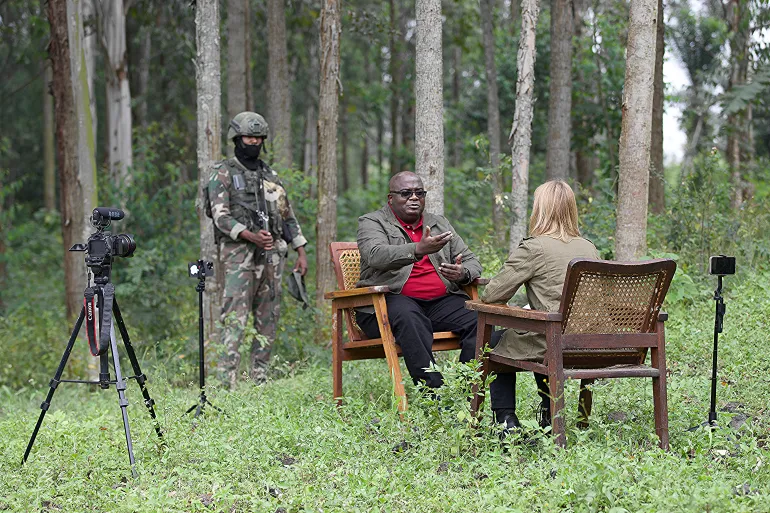
Coulibaly said she has regularly visited eastern DRC for nearly four years, spending extended periods investigating the conflict and speaking with people in affected communities.
She said her approach involves questioning initial assumptions, cross-checking information and examining events directly rather than relying exclusively on second-hand accounts.
Her video reports with Burundian photojournalist Teddy Mazina are published through Conspiracy Tracker Great Lakes (CTGL), a platform they use to share field-based reporting. She has also published analytical work in outlets including The Pan-African Review.
Their work involves interviews, photography, translation and contextual analysis to make local experiences accessible to audiences unfamiliar with the region.
Coulibaly urged journalists and researchers to investigate the historical context of conflicts, scrutinise the language used to describe them and give people directly affected by violence an opportunity to explain their experiences.
"Once you understand realities, once you understand what is really happening, you can't just go back," she said.
For her, understanding eastern DRC requires looking beyond familiar narratives, examining the evidence behind competing explanations and recognising the human consequences of the stories through which the region is presented to the world.
Watch the full podcast below.
Loading comments...
Leave a comment