



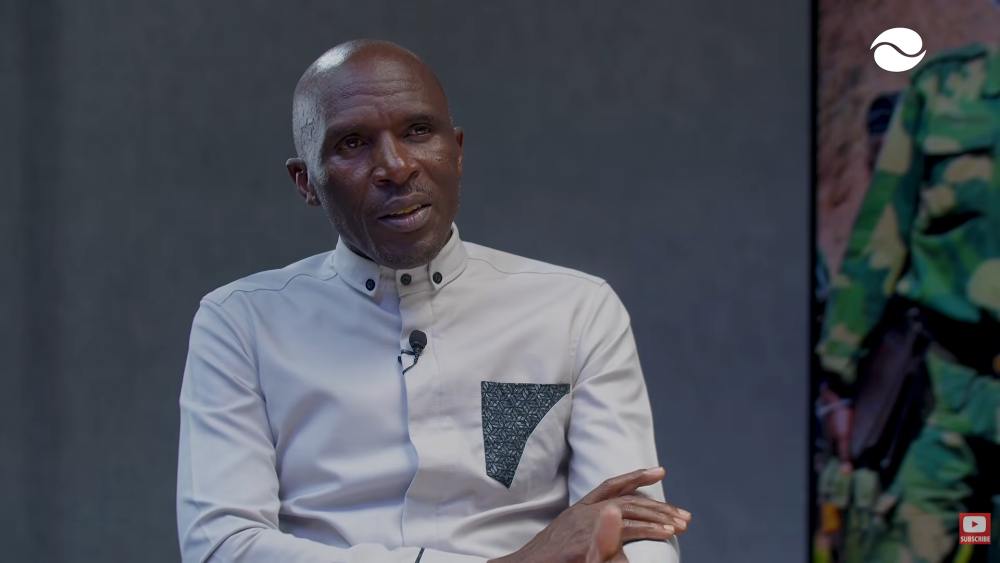
Nshimiyimana Augustin, formerly known as ‘Colonel Bora Manasse’ while serving in the FDLR, said the group has senior military and political leadership structures extending down to lower levels that resemble provincial administrations.
Col Bora said the military wing, known as FDLR/FOCA, is led by Ntawunguka Pacifique, also known as General Omega, who is deputized by Uzabakiriho Cyprien, known as Kolomboka.
He explained that FDLR/FOCA has departments responsible for personnel, known as J1; intelligence, J2; operations, J3; logistics, J4; and planning, J5.
“J1 is led by Emile Ruterimbere, J2 by Uwimbabazi Sebastien, commonly known as Kimenyi, J3 by Nzabanita Lucien, J4 by Gaterura, and J5 by Nouvelle. That is how it is structured at the headquarters.”
How FDLR organises its military operations
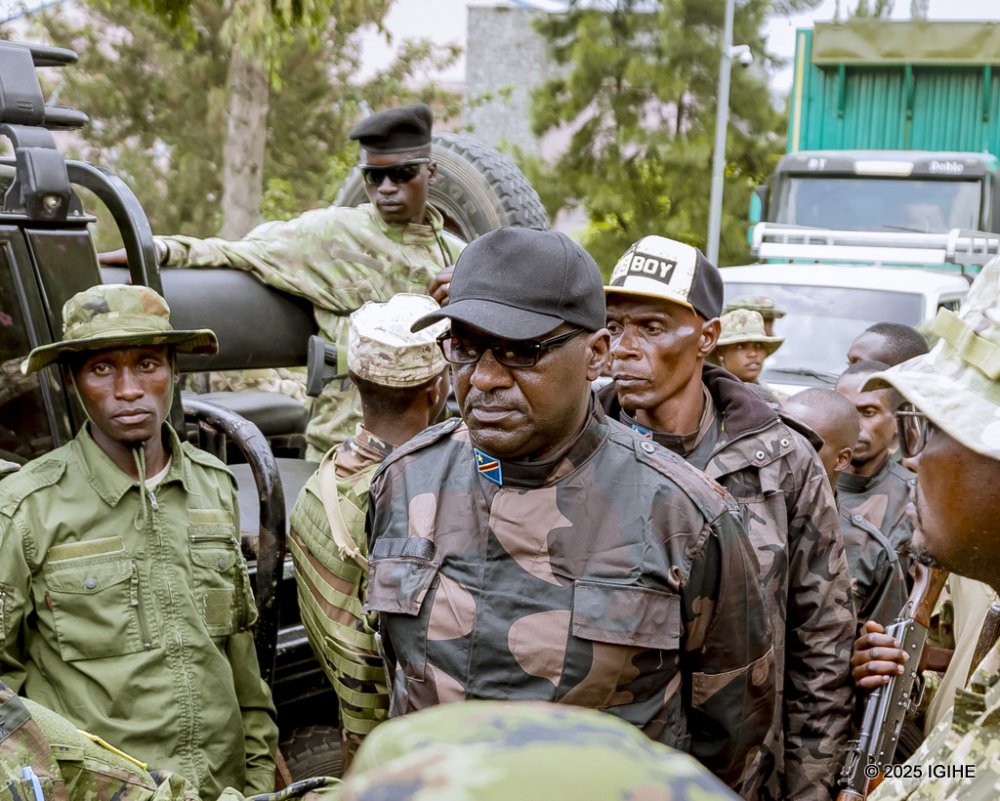
Col Bora explained that the FDLR has different groups of fighters deployed across various parts of eastern DRC.
He said some of its units are based in Kalehe and other parts of South Kivu, as well as in Virunga National Park and the Pinga area of Walikale Territory.
The FDLR also has a special combat unit known as CRAP, which, according to Col Bora, is led by Guillaume Rurakabije.
He said the group also has lower-level structures known as sub-sectors, including those referred to as Canaan and Sinai. One is led by Gustave Omega, while the other is led by Gustave Kubwayo, also known as Sirkoof.
Col Bora further explained that the FDLR established a special structure responsible for recruiting and enrolling new fighters, known as Groupement des Écoles.
According to him, the structure is responsible for recruiting fighters among Rwandan refugees living in the DRC, their descendants and Congolese nationals.
However, he said the structure is no longer operating effectively as it once did because areas where it operated have come under attacks by AFC/M23.
“These days, M23 is firing in those areas, so it is no longer operating, but it is still there. It is called Groupement des Écoles, and it is responsible for recruiting soldiers to strengthen the group,” he said.
FDLR’s political leadership
In addition to its military structures, Col Bora said the FDLR also has a political leadership that oversees the group’s activities more broadly.
At the political level, the FDLR is headed by President Byiringiro Victor, also known as Gaston Iyamuremye or Rumuri.
The political leadership also includes Commissioner Busogo, who is responsible for military affairs; Rukorera, who oversees mobilisation; and Cure Ngoma, who is responsible for intelligence and serves as the group’s spokesperson.
There is also a special military adviser, Colonel Binego, while Mihigo Cyrille, known as Henganze, is responsible for military and civilian intelligence.
Binego previously served as the burgomaster of Satinsyi Commune in the former Gisenyi Prefecture.
Col Bora said FDLR’s lower-level structures include what he called “Regional Committee”, which he compared to provincial administrative structures.
“I would compare them to a governor who is responsible for knowing the problems of refugees at the grassroots level, preparing reports and sending them to the commission responsible for refugees or to Rumuri. Issues they cannot resolve are sent to Kinshasa,” he said.
The FDLR has operated in eastern DRC for decades and has been accused of contributing to insecurity in the region.
The group was formed by Interahamwe militia members and former soldiers and political officials who were involved in the 1994 Genocide against the Tutsi and fled to the DRC.
Loading comments...
Leave a comment