



However, the discussions reportedly went beyond those official themes and instead focused on coordinating military operations in the ongoing conflict in eastern DRC, where AFC/M23 continues to fight the Congolese government.
The meeting came at a critical moment, as the movement, composed of Congolese who have for years faced persecution, killings, and displacement in their own country, continues to mount pressure on the coalition of the Congolese army (FARDC), Wazalendo militias, the FDLR, and Burundian forces.
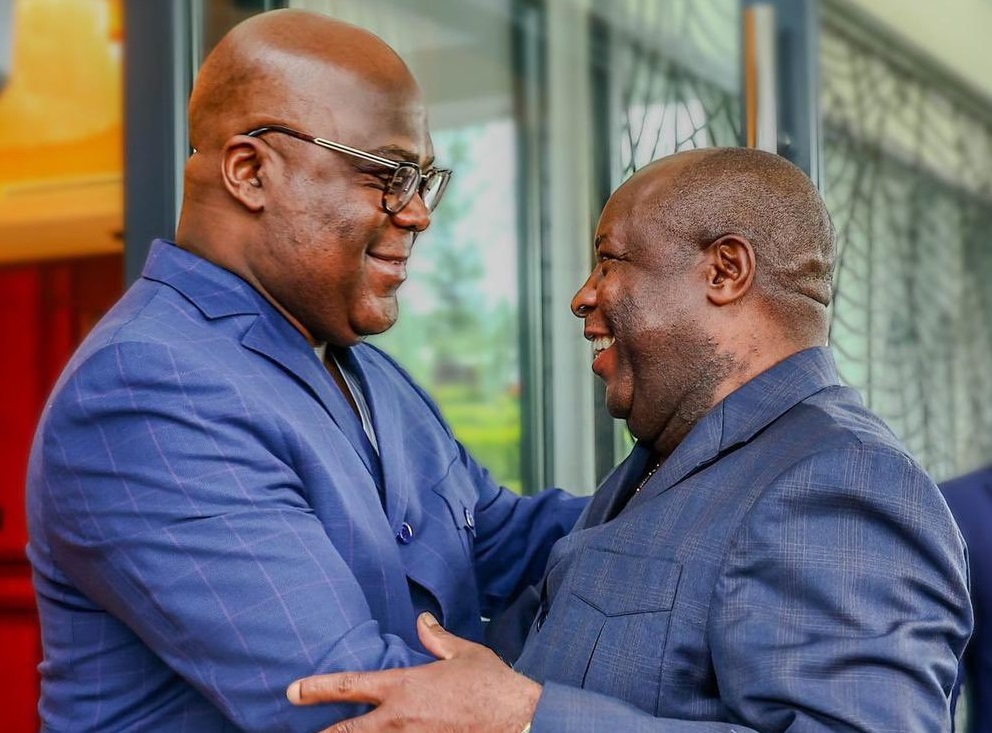
Tshisekedi, sources say, asked Ndayishimiye to deploy additional Burundian troops to regain control of areas previously vacated by AFC/M23.
Without hesitation, Ndayishimiye pledged full military support, continuing what has been longstanding military cooperation between Burundi and the DRC over the past several years.
He assured the Congolese leader that Burundi would continue supporting the Congolese military coalition in maintaining control over strategic areas in South Kivu while helping Kinshasa recapture territories under the control of AFC/M23, including Goma and Bukavu.
Beyond this commitment, the composition of Ndayishimiye's delegation also reflected the significance of the issues the two allies intended to discuss.
Unlike previous visits to Kinshasa, Ndayishimiye did not travel with senior military and intelligence officials.
Sources say the move was deliberate, allowing Ndayishimiye and Tshisekedi to hold private talks on sensitive matters without the presence of other senior officials.
That is exactly what happened, with Burundi's top military officials left behind to ensure the discussions remained strictly confidential.
Among the issues discussed was the payment of Burundian troops deployed to eastern DRC to support the Congolese army in its war against AFC/M23.
The issue is said to have generated growing dissatisfaction among Burundian soldiers, who have yet to receive the operational bonuses promised for their deployment in the DRC.
The bonuses have reportedly triggered serious disagreements within the Burundian military, particularly among deployed troops, senior commanders, and politicians over the management of funds provided by the DRC.
These allegations add to accusations against Burundian troops, including occupying areas vacated by AFC/M23 and abusing Kinyarwanda-speaking Congolese, particularly members of the Tutsi community.
The alleged abuses reportedly occurred after AFC/M23 withdrew from areas it had controlled, allowing the Congolese military coalition to move in.
After AFC/M23 withdrew from the city of Uvira on January 17, 2026, residents suffered the very fate they had feared and warned about during demonstrations held before the movement's departure.
Soon afterward, they were robbed, assaulted, their homes were attacked and looted, and they were subjected to severe abuse.
Similar incidents reportedly occurred again in Walikale in March 2026 after AFC/M23 withdrew from the area. Civilians were allegedly killed, robbed, and had their property destroyed by the coalition.
Such actions have become characteristic of the Congolese military coalition. In October 2023, after AFC/M23 withdrew from Nturo in Masisi Territory, government troops and allied armed groups burned an entire village comprising more than 300 households belonging to Congolese Tutsis and killed residents.
Burundi has continued deliberately cooperating with the Congolese government in killing its own citizens.
Nevertheless, AFC/M23 continued defending itself, fighting back against what it describes as criminals and pushing them all the way to Uvira, a city near Bujumbura, Burundi's economic capital.
Despite what is described as a major military setback, Burundi has continued pursuing the same course.
Human rights organizations estimate that more than 20,000 Burundian troops have been deployed to eastern DRC. Ndayishimiye reportedly promised Tshisekedi additional reinforcements, with the new troops expected to focus on the mountainous areas of South Kivu Province.
The reason, it is reported, is that the region remains a primary target of the Congolese government's plan to continue exterminating Tutsis and destroying their property. The area is home to many Tutsi cattle herders, most of whom have long endured ethnic discrimination, exclusion, and the denial of their rights.
Kinshasa has also continued denying many of these residents Congolese citizenship, portraying them instead as foreigners.
This abandonment by their own government, coupled with deliberate killings, forced local residents to establish a self-defense group known as Twirwaneho.
Residents of Minembwe continue to accuse Burundian troops of treating them as collaborators, alleging that they work with both AFC/M23 and Twirwaneho.
These concerns have been reinforced by remarks from the spokesperson for the Burundian army, Brig. Gen. Gaspard Baratuza, who said that residents of Minembwe cooperate with the enemy. He added that military operations against them would continue until they abandoned their collaboration with armed groups.
Although Ndayishimiye continues to involve himself in the killing and persecution of Congolese Tutsis, he is serving as Chairperson of the African Union in 2026.
He is also portrayed as the only African president to openly support Tshisekedi's actions in a campaign against his own citizens.
Other regional leaders, especially those within the East African Community (EAC), have rejected Tshisekedi's plan to displace part of the Congolese population.
The East African Community Regional Force (EACRF) withdrew from eastern DRC after Tshisekedi sought to steer the mission away from its peacekeeping mandate and instead turn it into a force to fight AFC/M23.
Burundi was the only country to support Tshisekedi's position. Most EAC leaders have continued to maintain that political dialogue remains the only viable solution to the conflict.
Loading comments...
Leave a comment