



The case, filed on June 26, 2026, accuses Rwanda of carrying out “genocidal campaign in eastern Congo since 1996,” marking the third ICJ filing by the DRC against Rwanda.
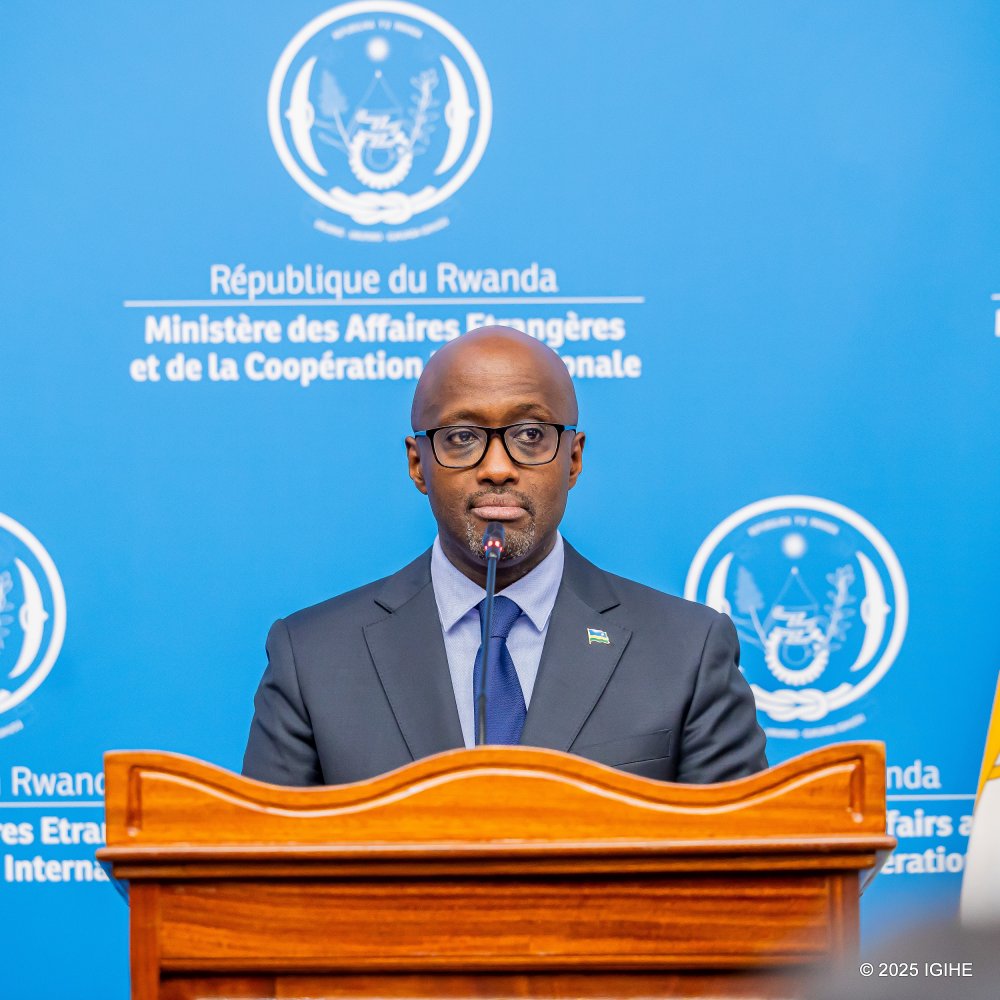
Speaking to France 24, Nduhungirehe rejected the allegations and said the case reflects political deflection rather than legal substance.
“It is a political manoeuvre by the DRC, which is collaborating with the genocidal movement, the FDLR,” he said, adding that the Congolese government has failed to fulfil its commitments to neutralise the armed group linked to the 1994 Genocide against the Tutsi.
Nduhungirehe also linked Congolese authorities to violence against civilians in eastern DRC, including the Banyamulenge community in South Kivu, and accused officials linked to President Félix Tshisekedi of fueling ethnic hatred.
Citing former army spokesperson Sylvain Ekenge, he also pointed to inflammatory rhetoric and collaboration between state actors, militias such as Wazalendo, and mercenary forces.
Maj Gen Ekenge appeared on Congolese national television on December 27, 2025, during a programme discussing the security situation in eastern DRC, particularly in areas affected by the conflict in South Kivu Province. During the broadcast, he made an ethnic slur targeting Congolese Tutsis, including comments discouraging intermarriage with Tutsi women.
The statements triggered widespread criticism and diplomatic pressure, prompting Congolese authorities to suspend Maj Gen Ekenge from his duties.
“How can you violate, on a daily basis, basic human rights and pretend to file a complaint against the other party?” Nduhungirehe said.
Nduhungirehe added that Rwanda would not engage on the substance of the case at this stage, noting that jurisdictional issues would be left to competent authorities.
During the interview, Nduhungirehe also described U.S. sanctions against Rwandan entities as biased, unfair and counterproductive.
According to the minister, the sanctions risk undermining the mediation process under the Washington Accords signed in December last year.
“Those sanctions are unfair, one-sided and counter-productive,” he stated, warning that pressure on one party could embolden the other and worsen insecurity.
Loading comments...
Leave a comment