



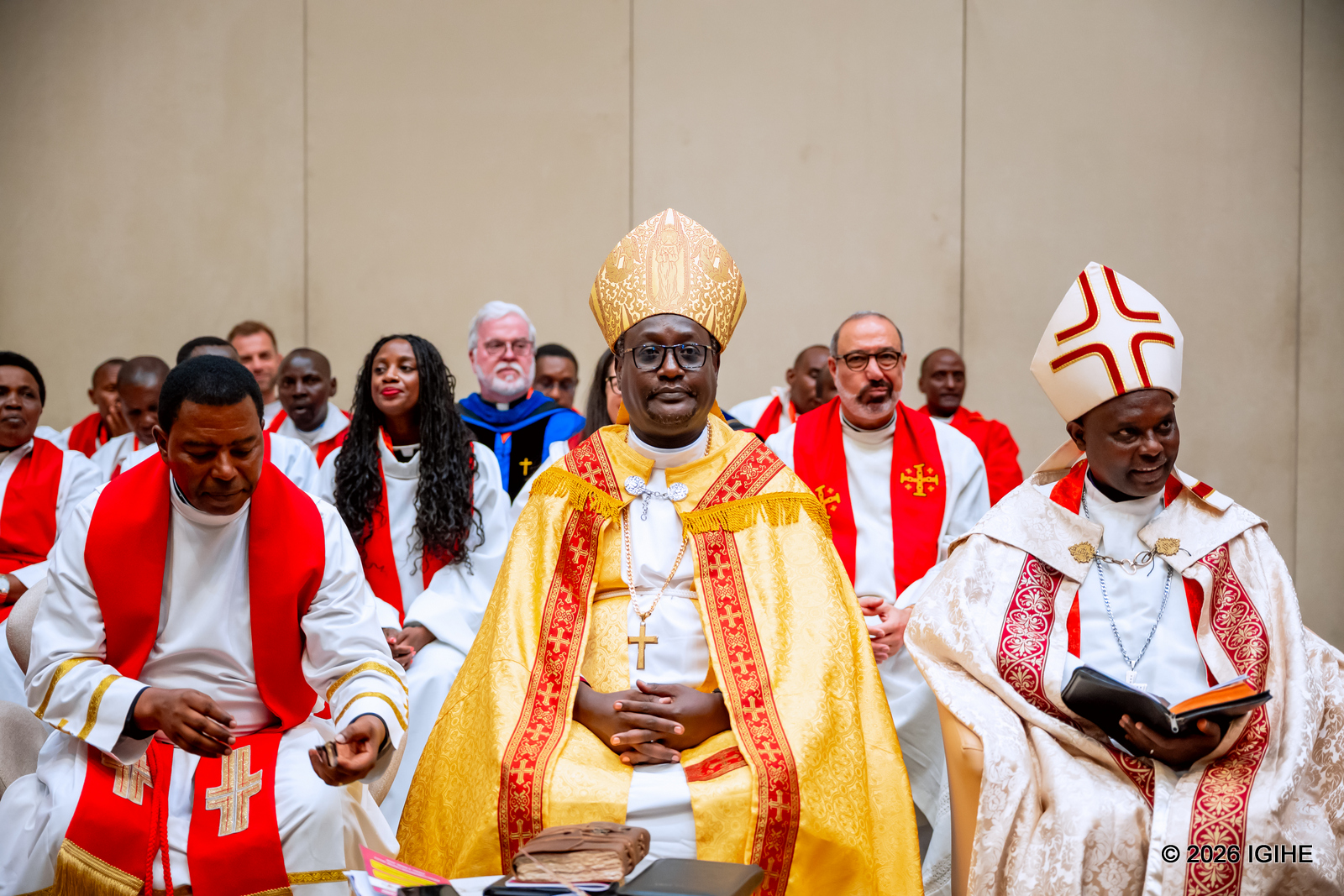
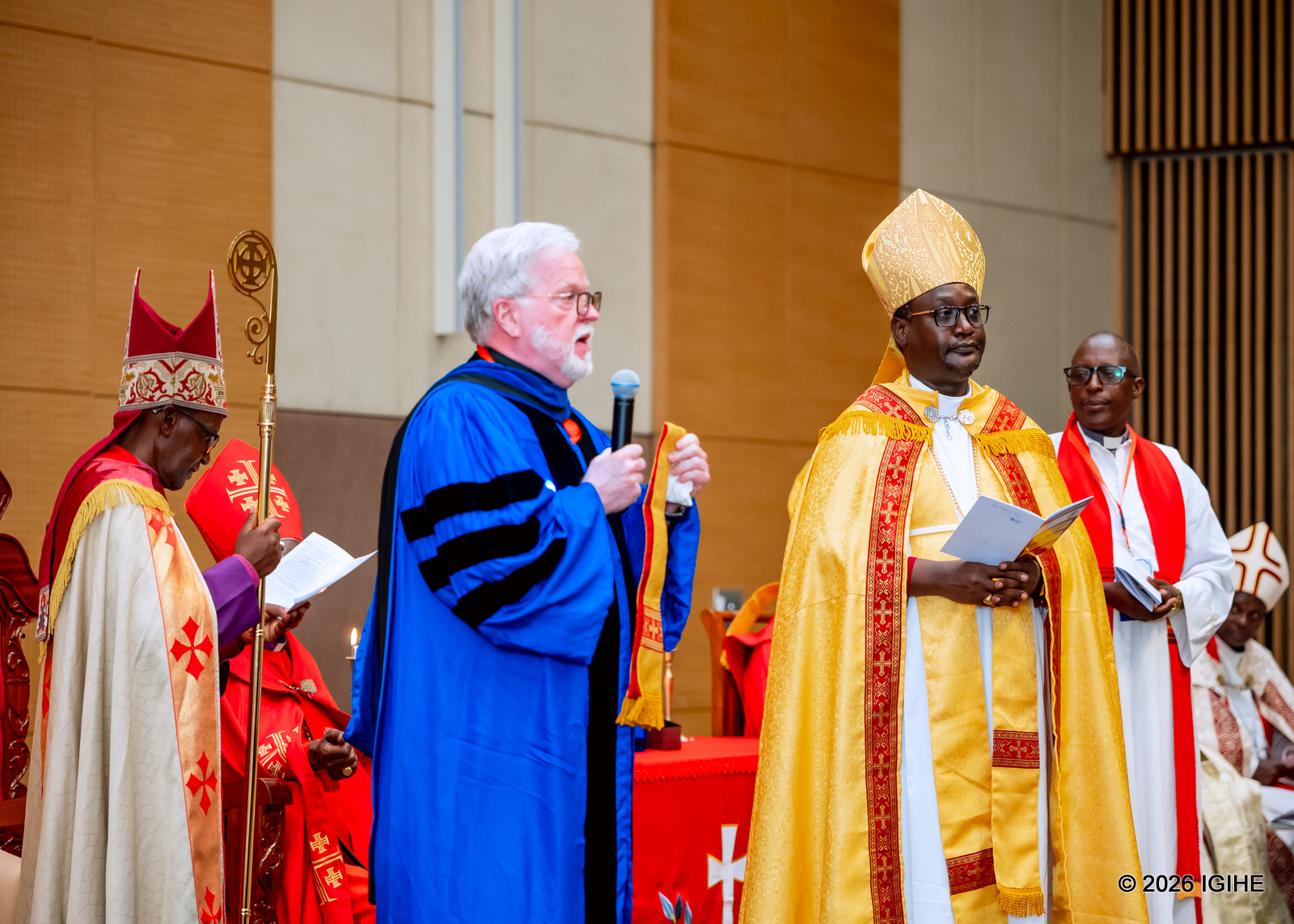
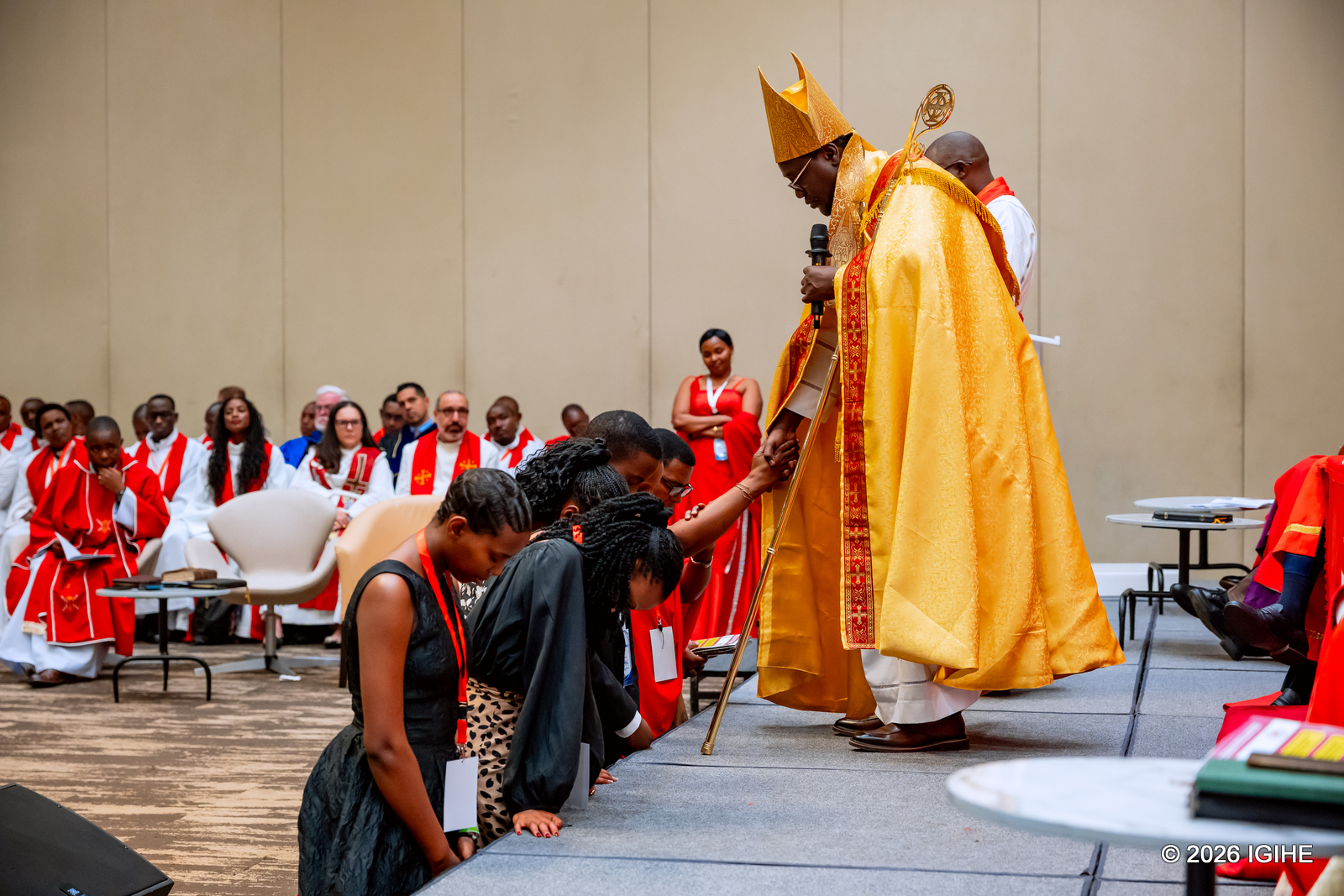
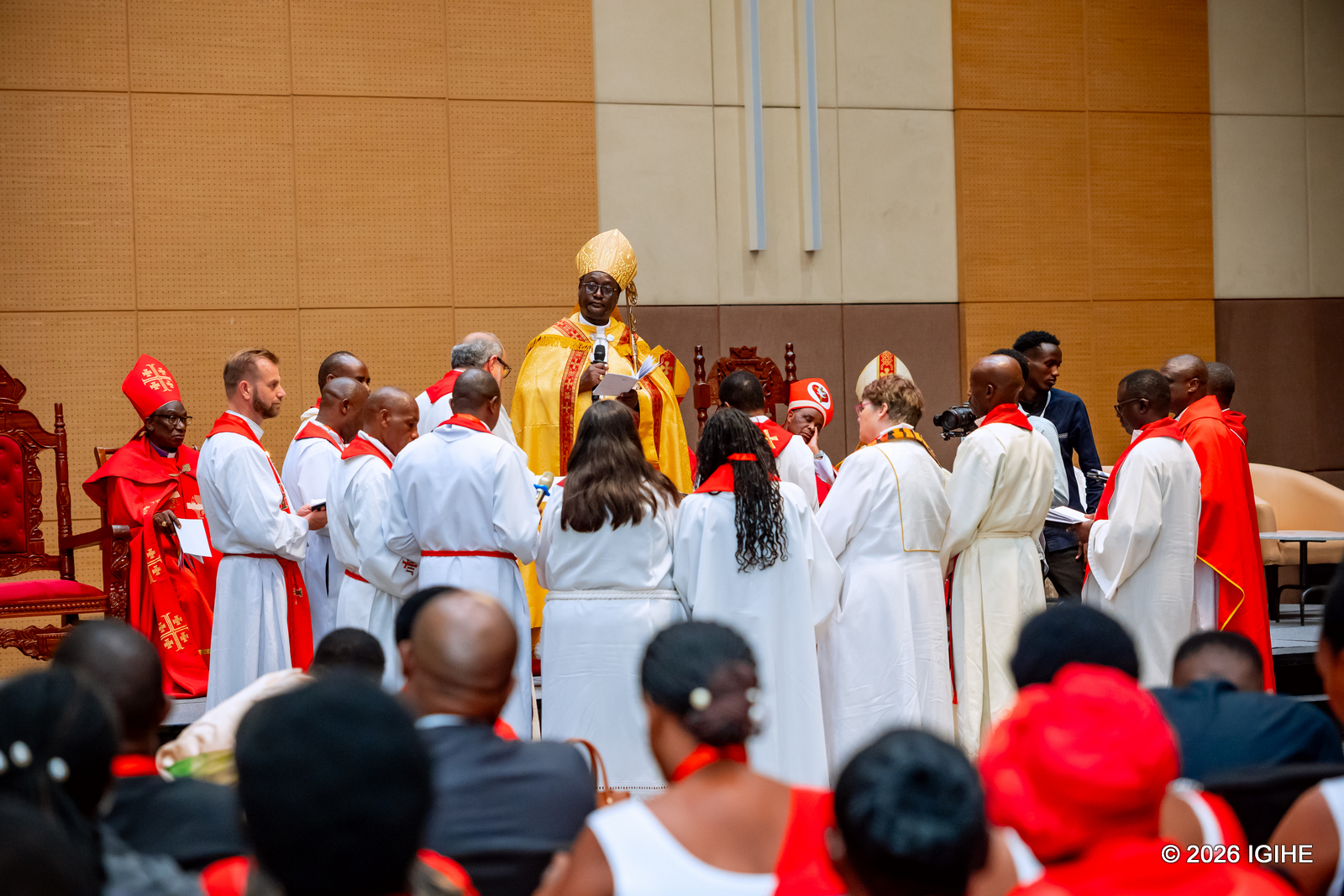
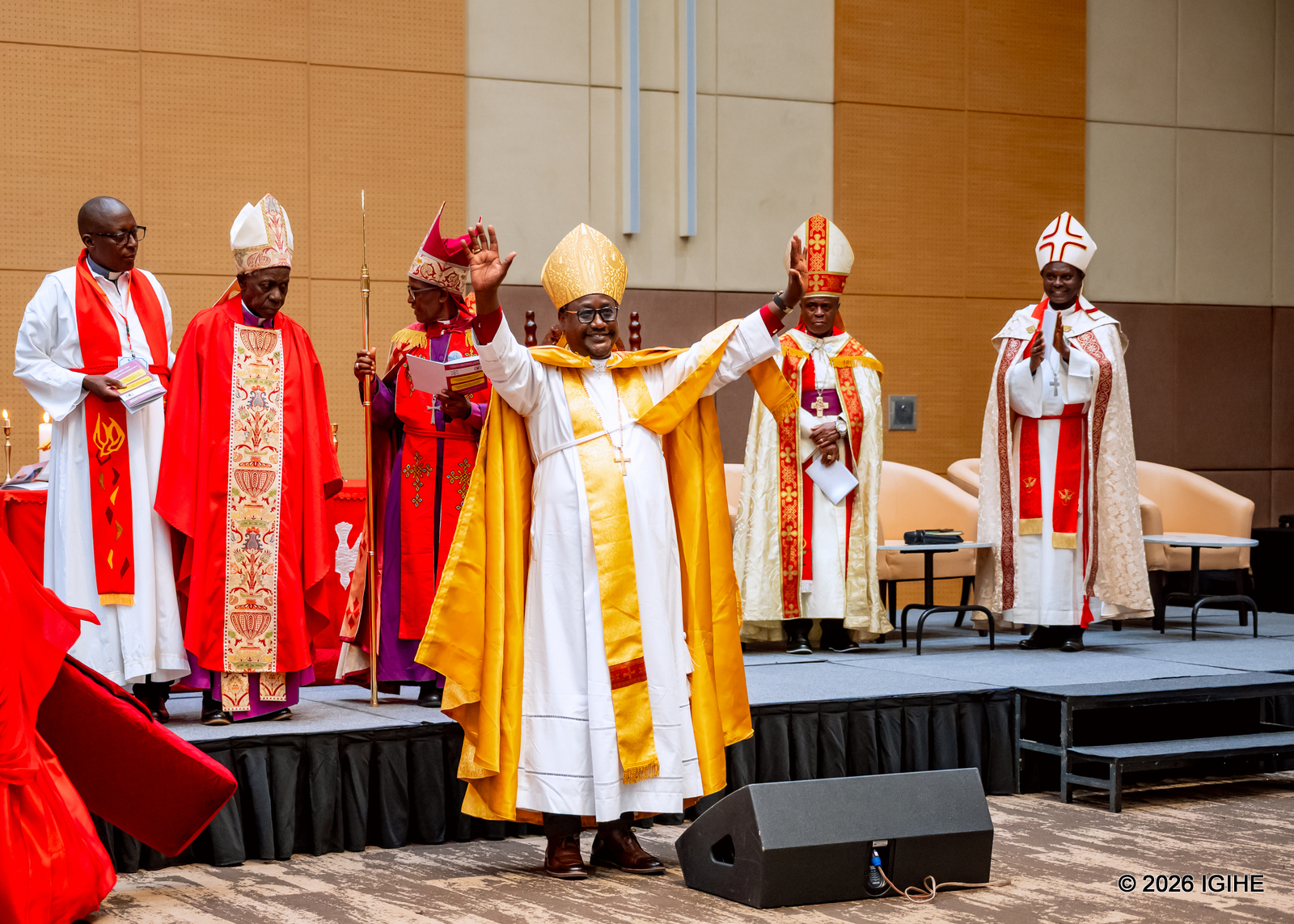
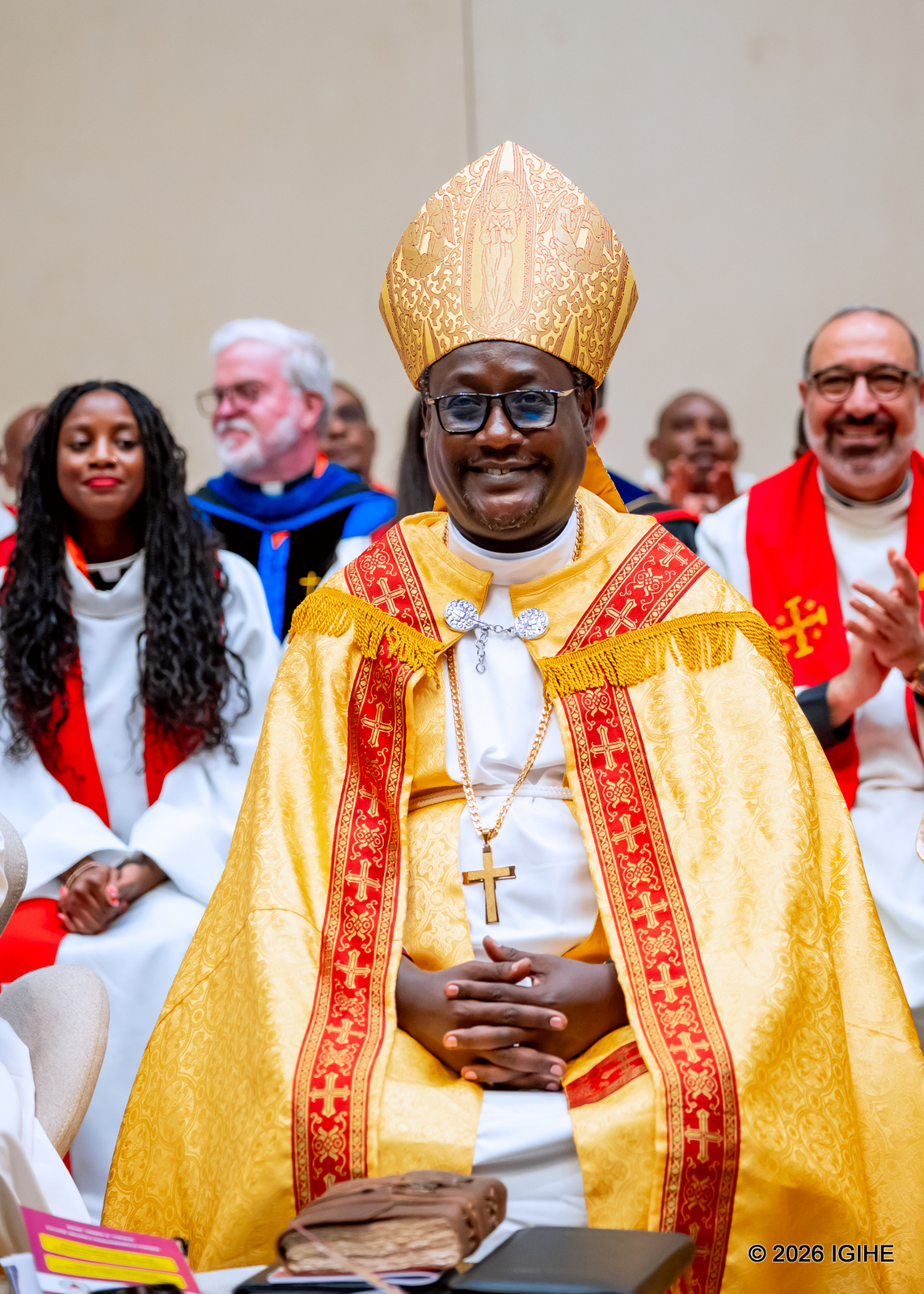
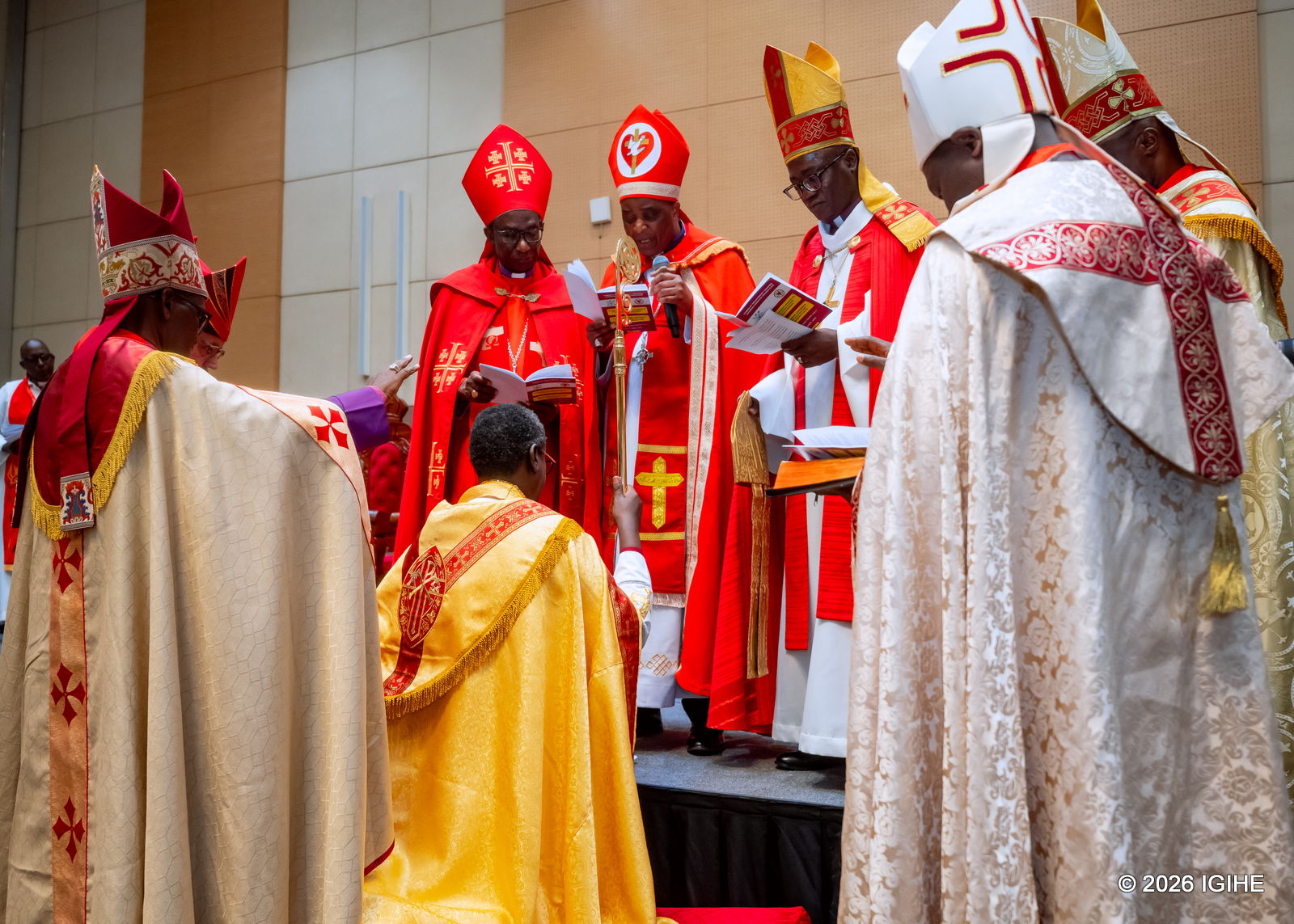
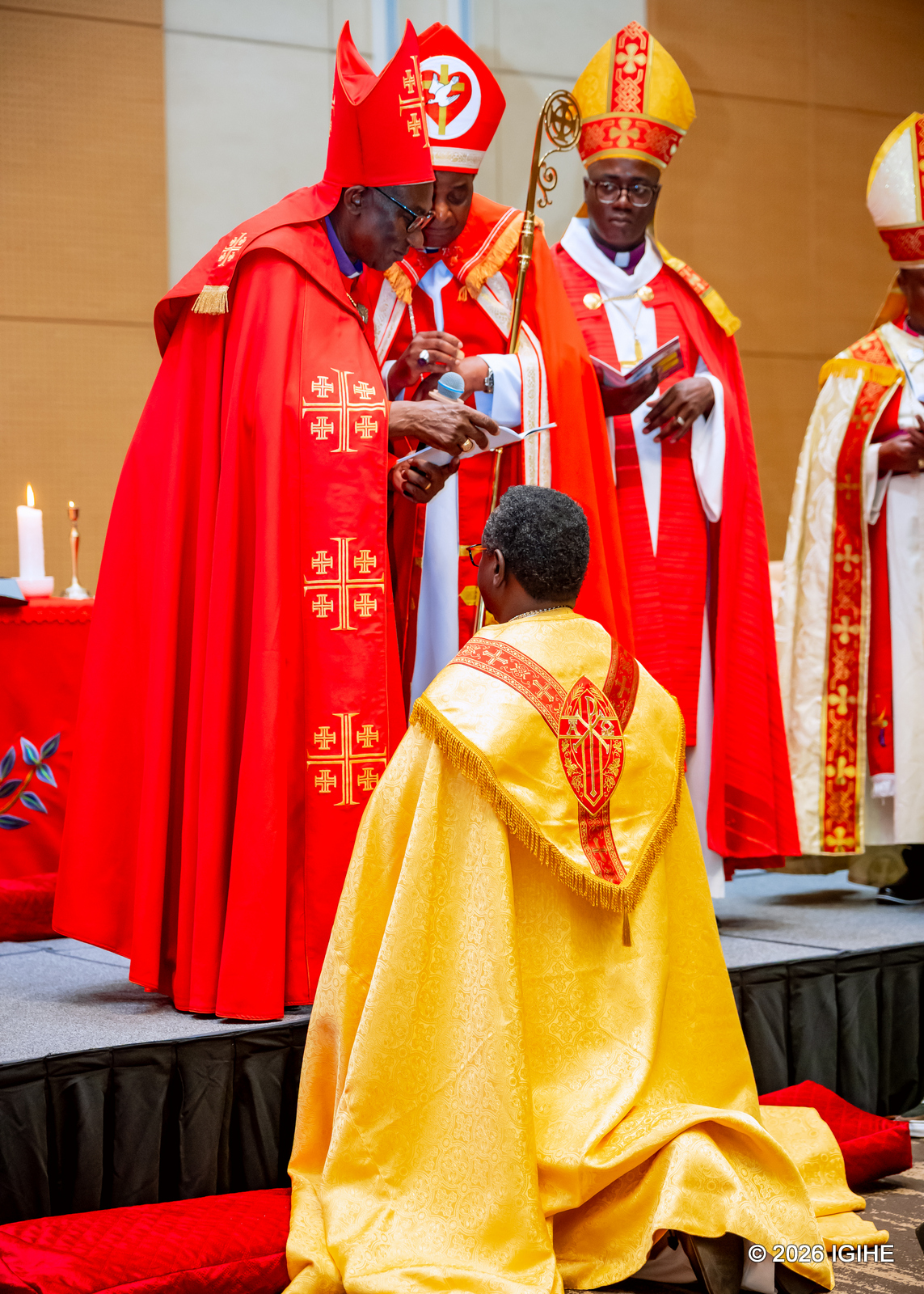
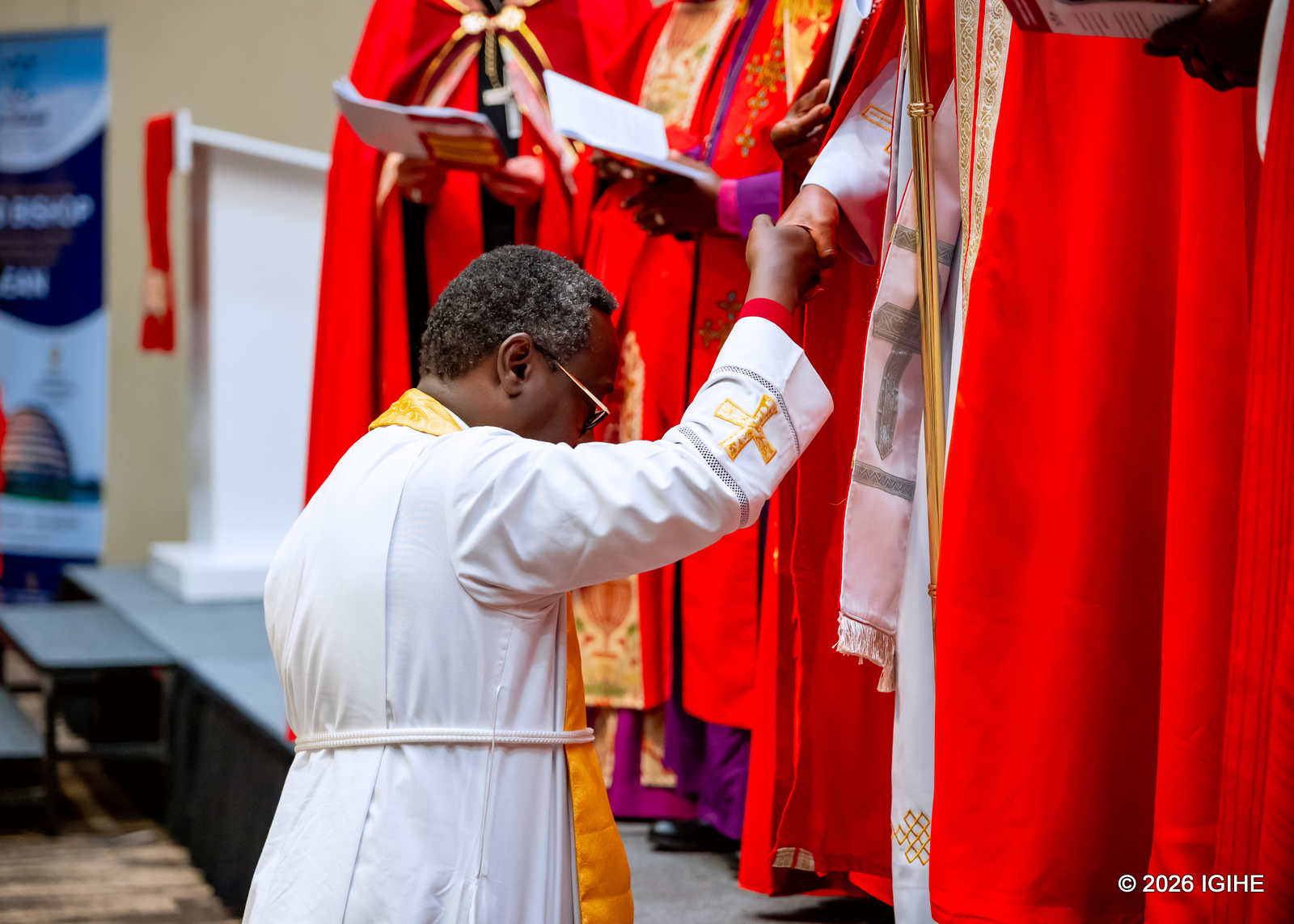
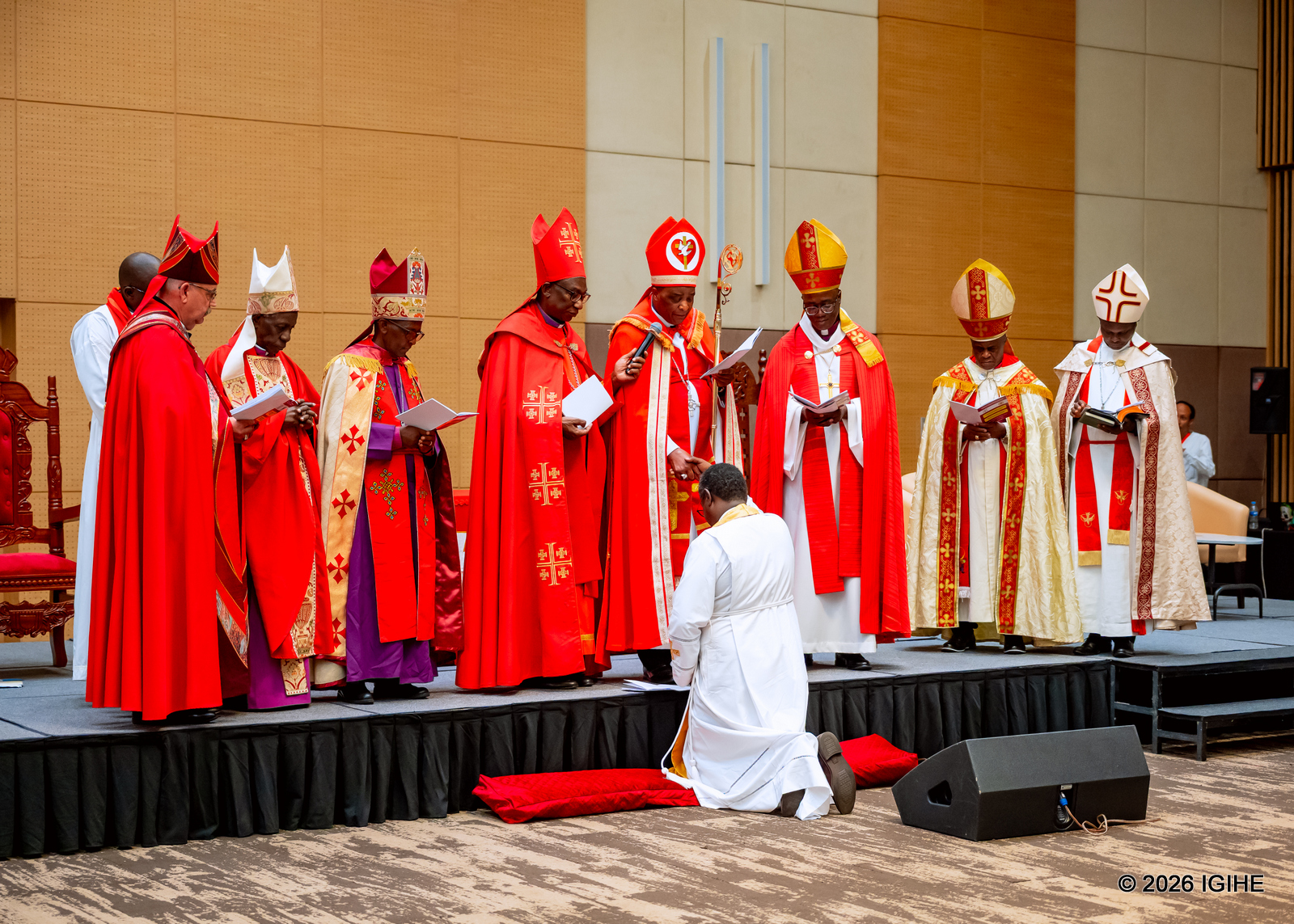
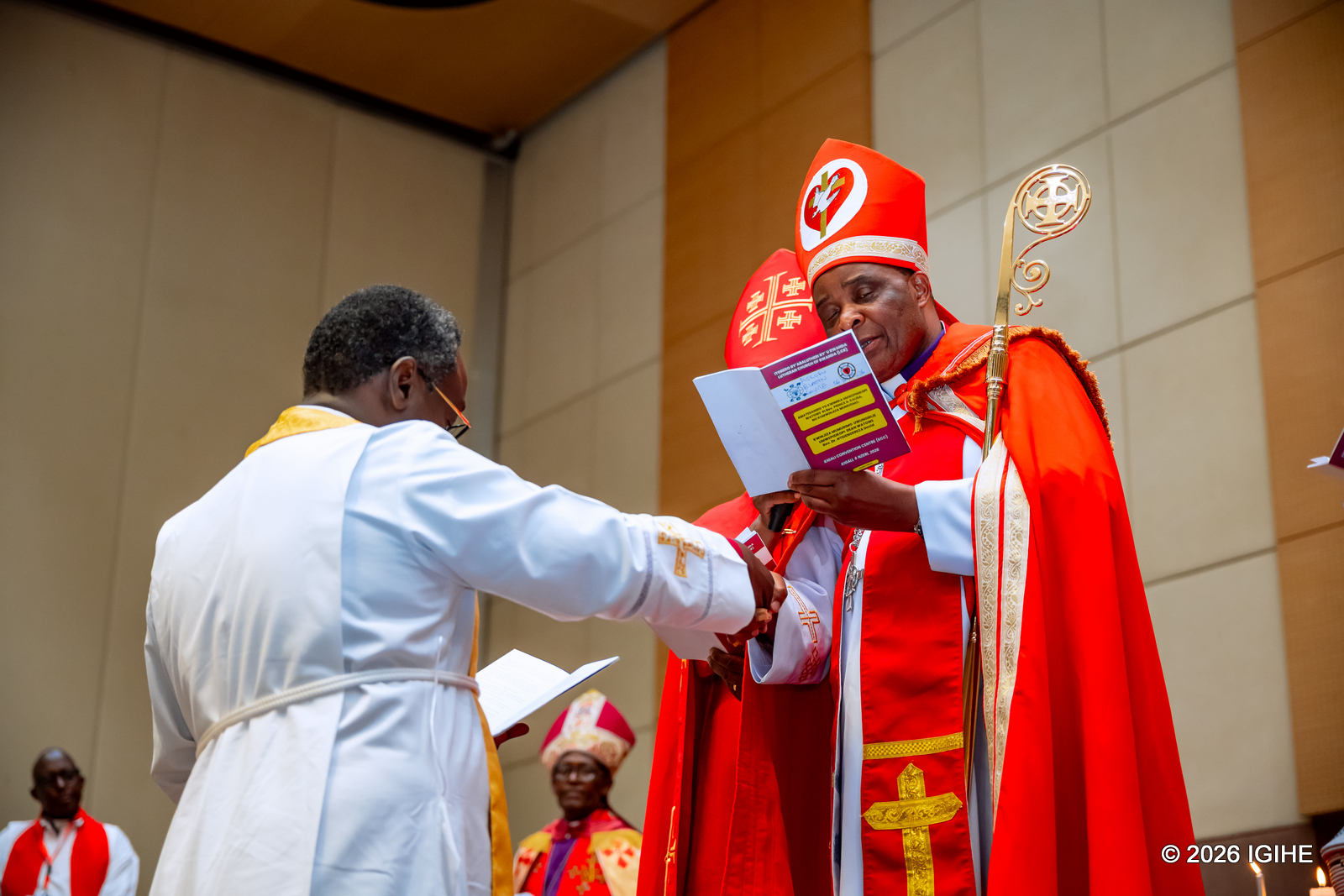
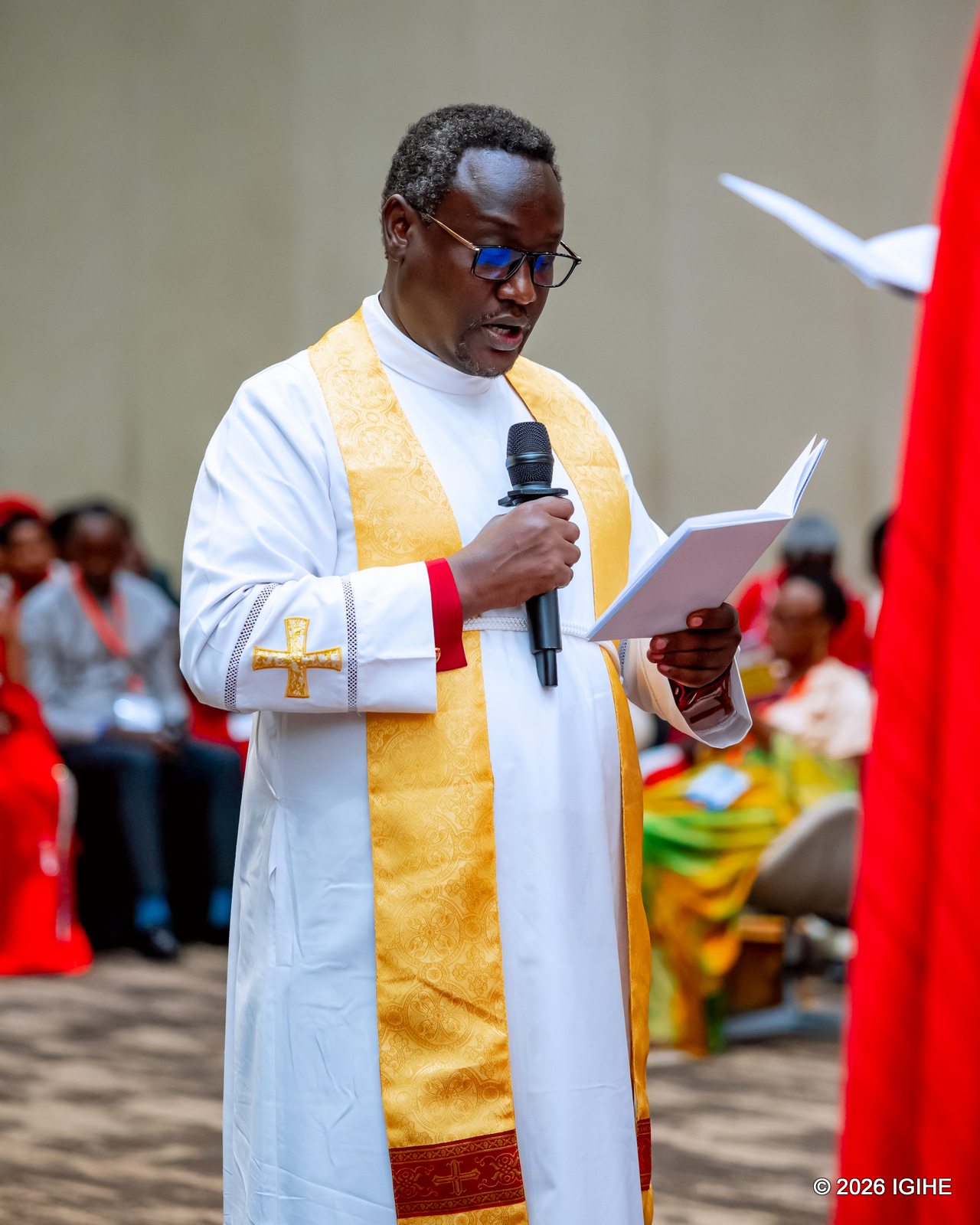
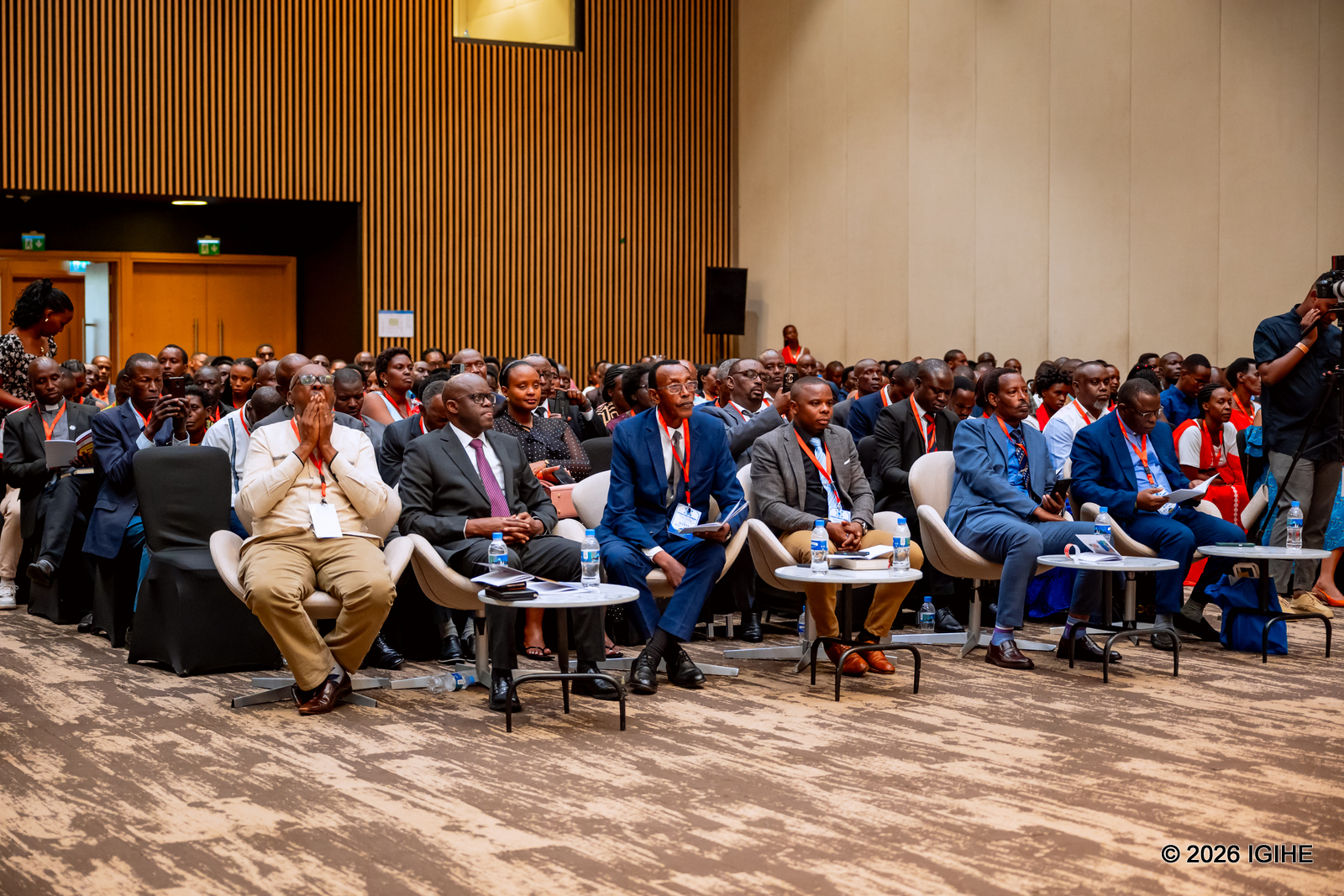
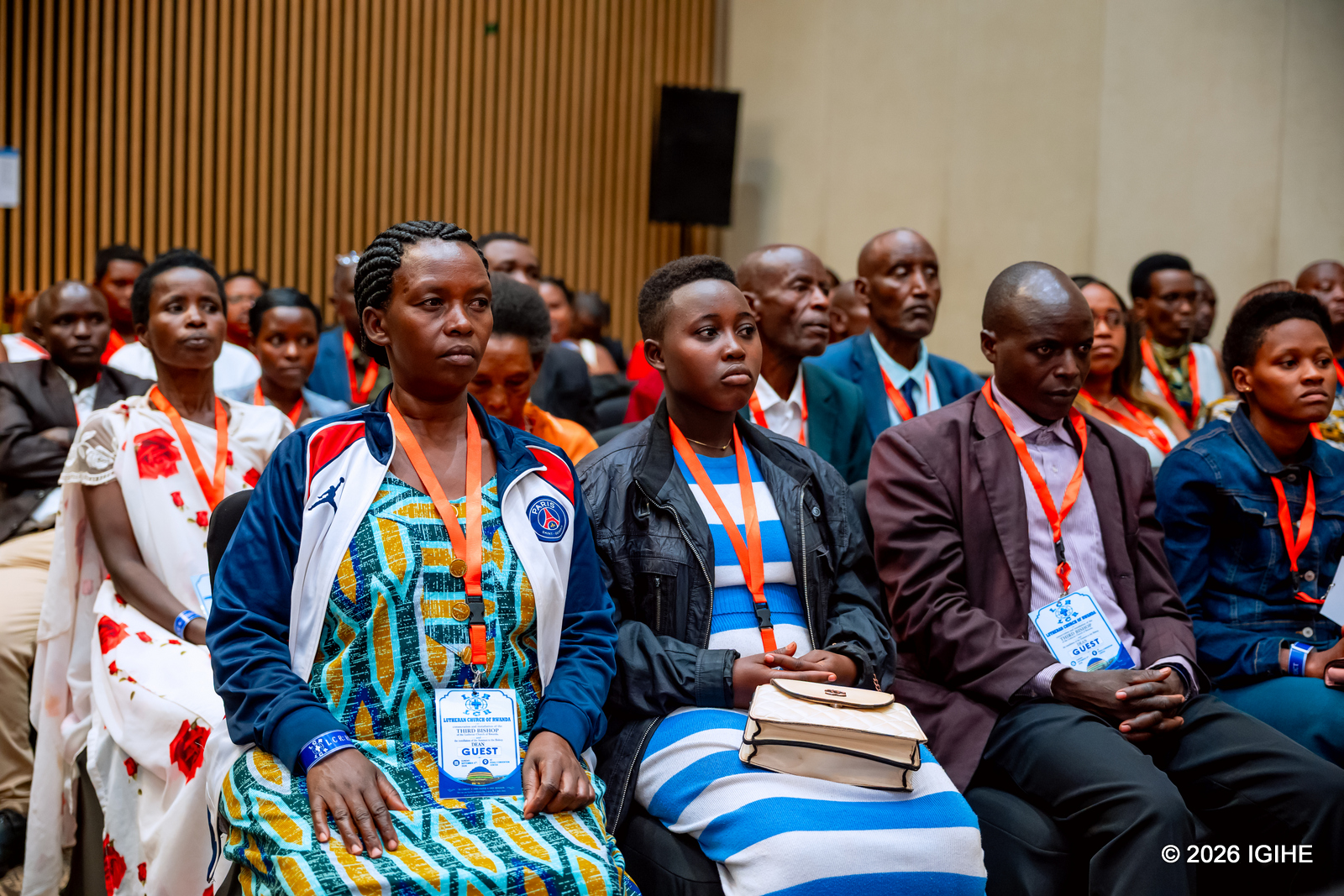
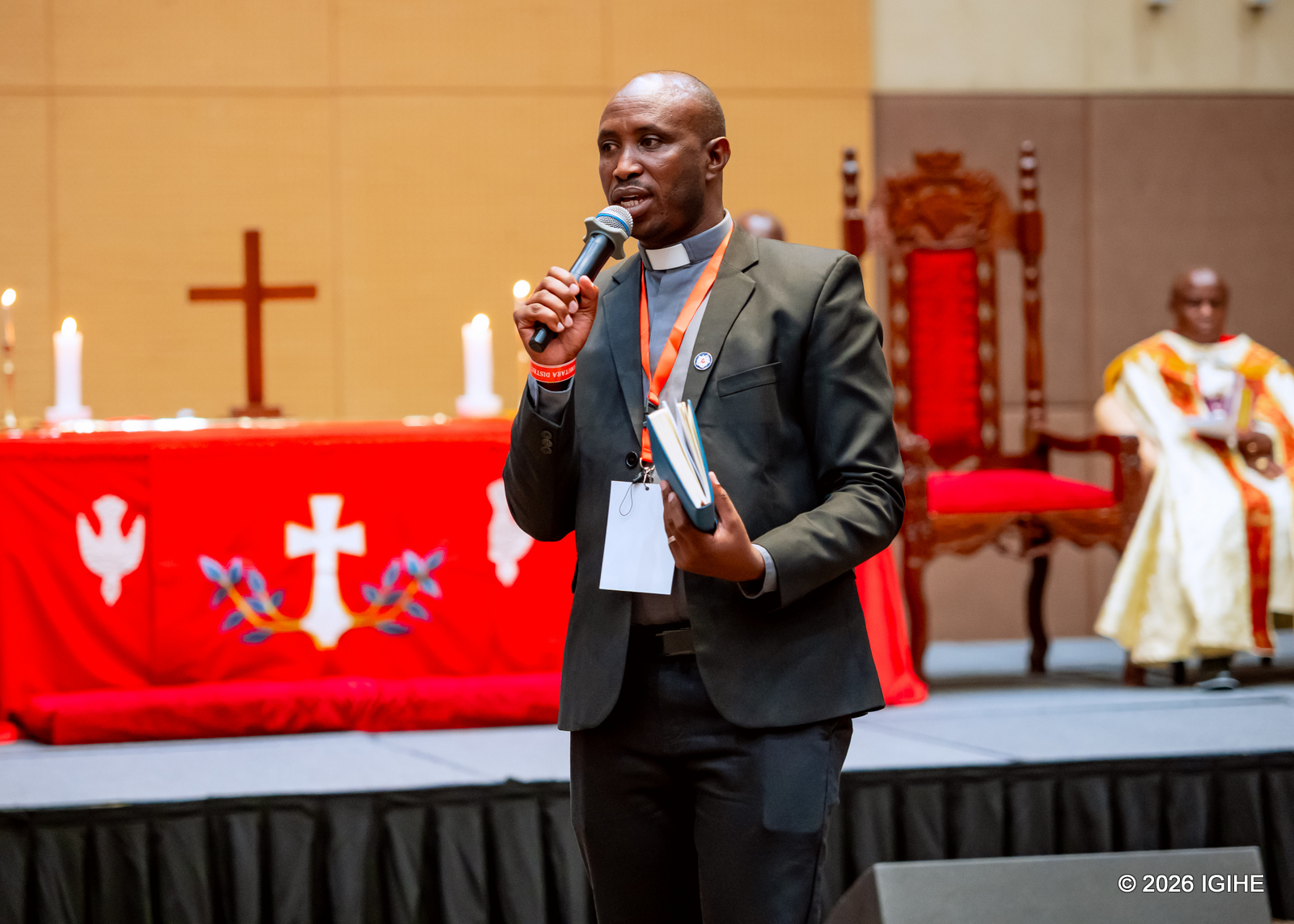
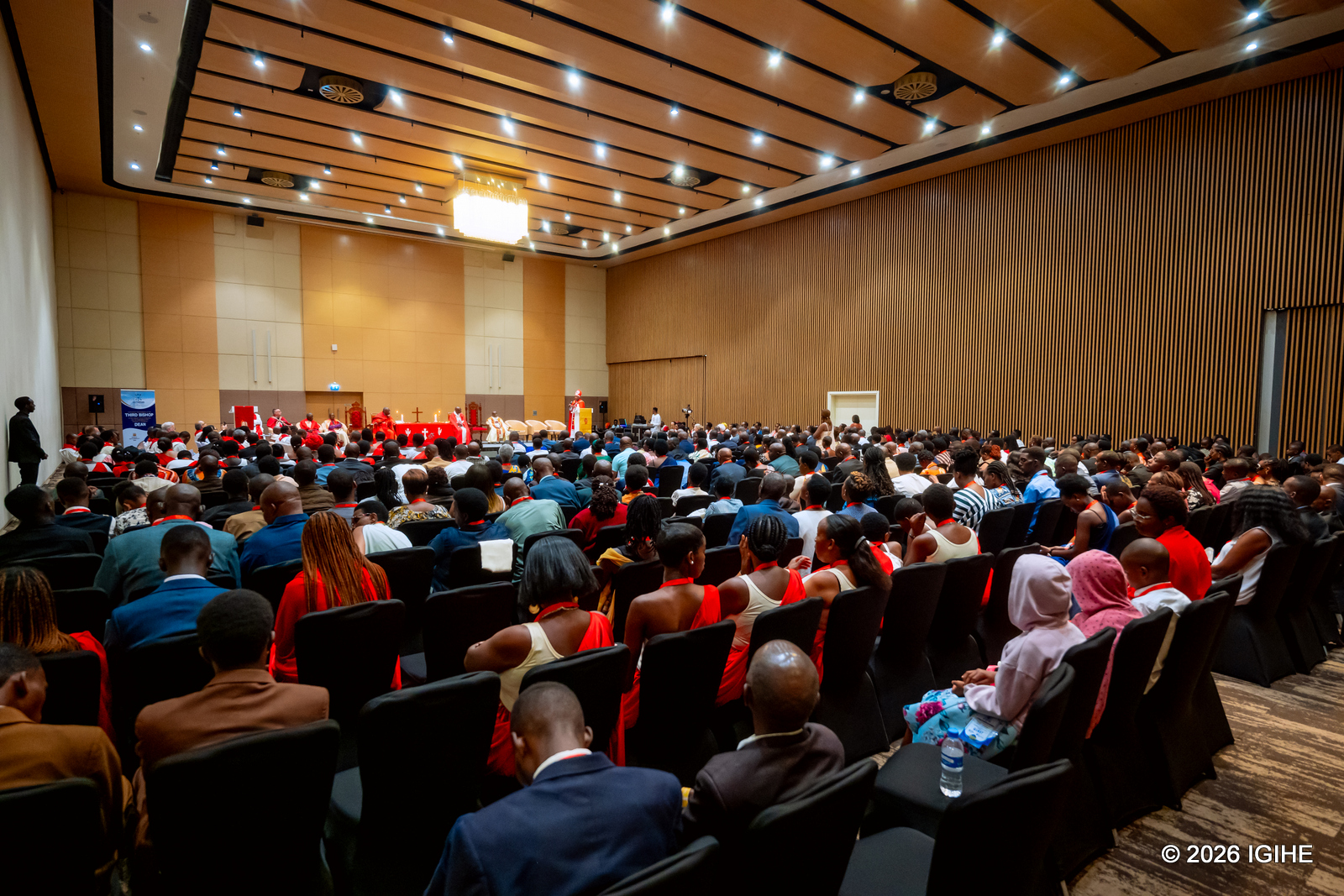
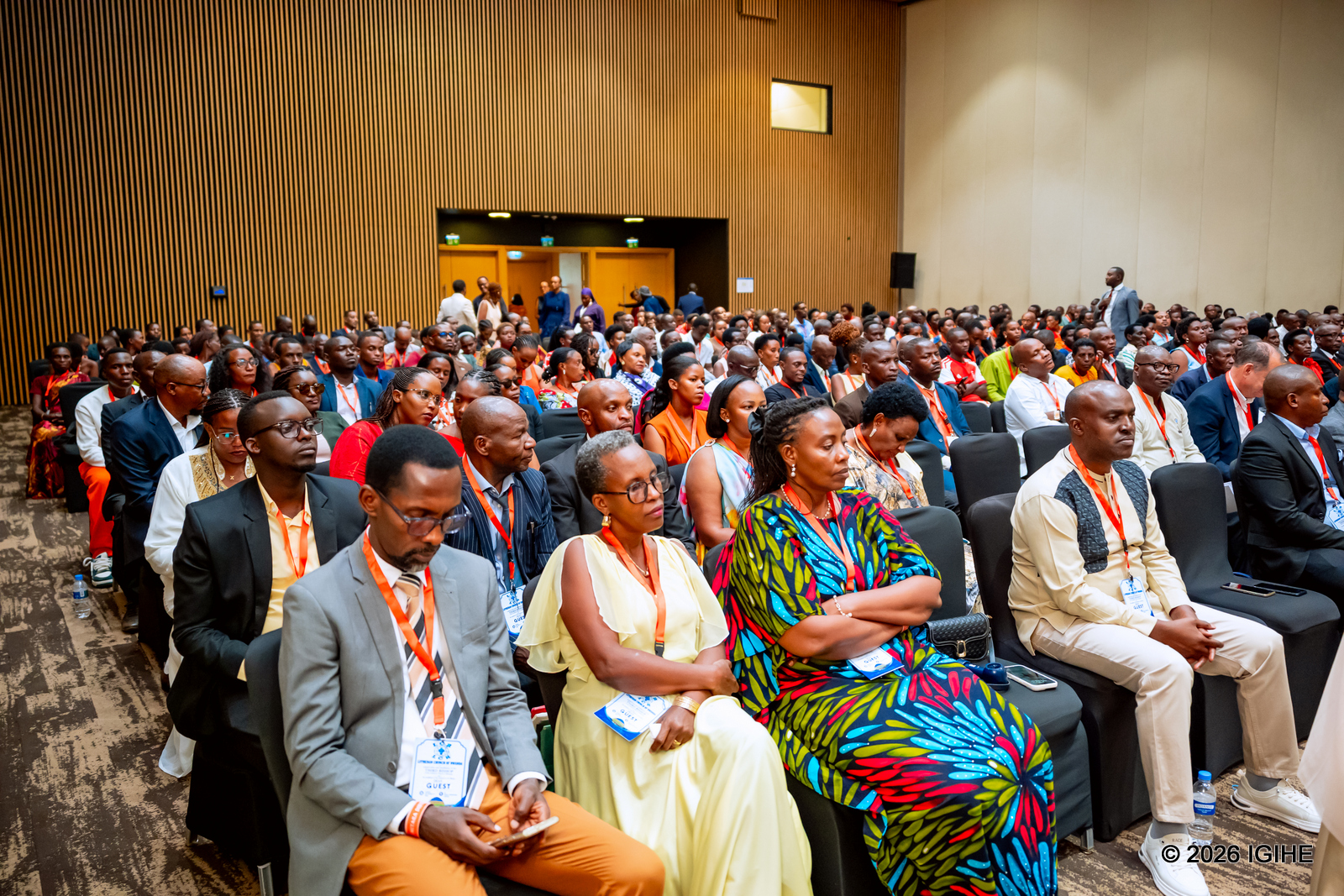
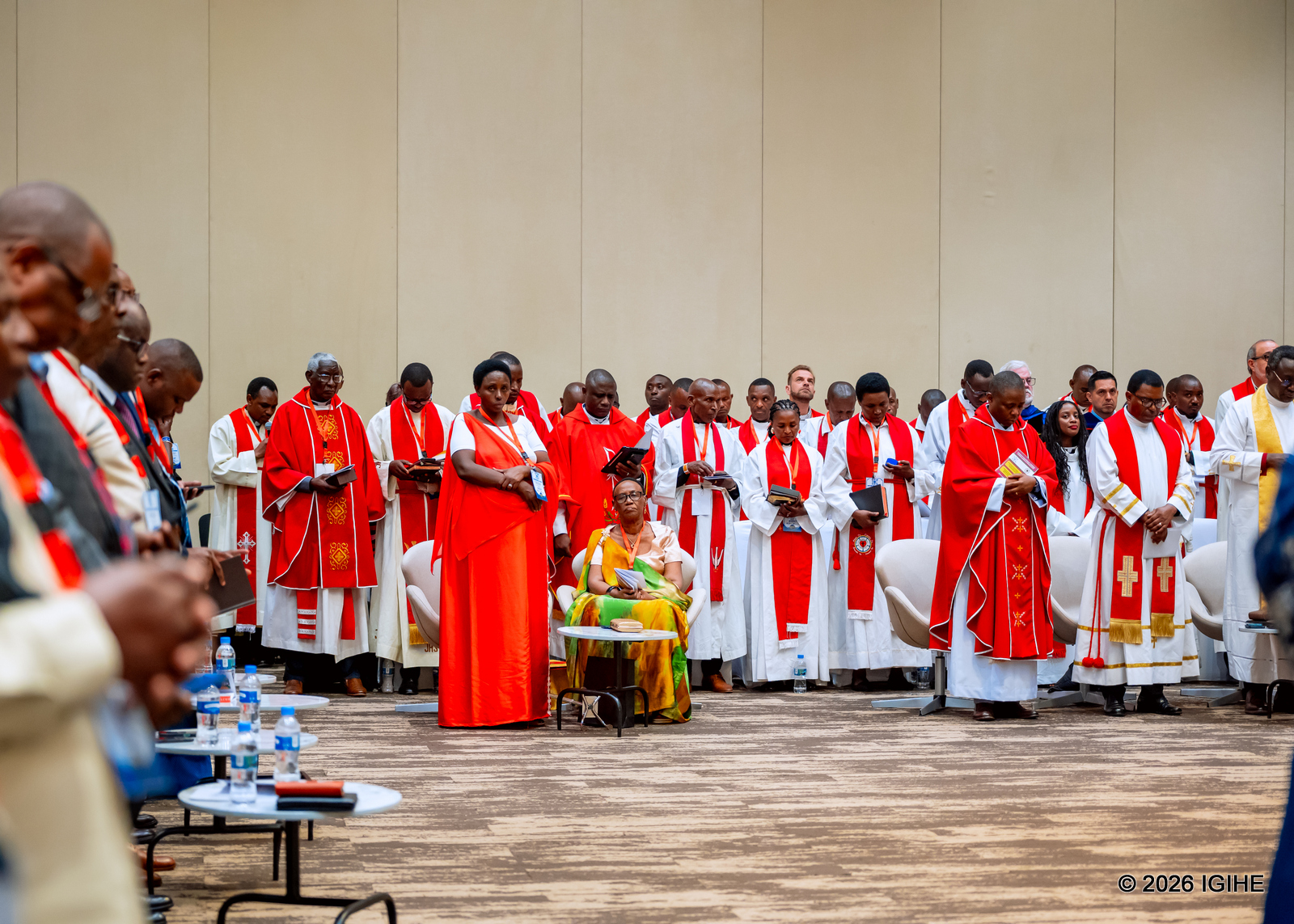
Bishop Kalisa was installed during a ceremony held at the Kigali Convention Centre (KCC), attended by Christians, church leaders and guests from Rwanda and other countries, including Tanzania, Burundi, the Democratic Republic of Congo and the United States.
The ceremony was marked by prayers, praise and worship as Christians gathered to celebrate the beginning of Bishop Kalisa’s leadership.
The installation was also attended by church leaders, including Dean Dr. Ntidendereza David.
Speaking to IGIHE after the ceremony, Bishop Kalisa said one of his key priorities will be building a church that can sustain itself rather than depending heavily on support from churches in Western countries.
“Our vision is to equip members with education and build infrastructure for the church. We want to be a self-sustaining church,” he said.
He noted that African churches have historically relied on financial and other forms of support from Western churches, but said his leadership would seek to change this approach by empowering church members to contribute to the development of their communities and the church.
Empowering members instead of creating dependency
Bishop Kalisa identified dependency among some church members as one of the major challenges facing churches today.
He explained that some Christians expect the church to provide them with direct financial or material assistance, a situation he believes can create long-term dependency.
“We want to teach them to support themselves,” he said, adding that assistance should focus on giving people the ability to become independent rather than simply providing temporary help.
He compared the approach to teaching people how to fish rather than continually giving them fish.
According to the bishop, the Lutheran Church in Rwanda will therefore seek to support its members in developing skills and opportunities that can help them become self-reliant.
Focus on young people and community development
Bishop Kalisa also highlighted the importance of young people in the future of the Lutheran Church in Rwanda.
He said the church is already implementing programmes that involve youth in areas including gender equality and justice, environmental protection and education.
The church also supports young people who want to pursue education in different fields beyond theology.
“We send young people for, not only for theology, but in different areas. That's how we engage young people,” he said.
He added that young people have representation on the church’s executive council, allowing them to contribute their views to decisions affecting the church.
The bishop also said the church is open to young people expressing themselves through music, provided that their artistic choices remain consistent with the Christian faith.
As he began his new responsibility, Bishop Kalisa encouraged Christians and Rwandans to combine prayer with action.
He said faith should be accompanied by practical action and responsibility in addressing challenges facing individuals, communities and the country.
The bishop also expressed appreciation to President Paul Kagame for his leadership and for encouraging churches to improve their infrastructure and ensure that church buildings meet required standards.
He said the Lutheran Church in Rwanda has been renovating its churches to meet those standards, arguing that places of worship should be well maintained and provide an appropriate environment for Christians.
Bishop Kalisa also welcomed recent efforts to address the consumption of illicit alcohol among young people.
He said churches should have been among the first institutions to speak out on the issue, acknowledging that religious institutions had sometimes remained silent when they should have raised their voices.
He pledged that the Lutheran Church in Rwanda would seek to be more active in offering advice and contributing to solutions whenever issues affecting society arise.
The installation of Bishop Kalisa Atupenda Prince marks a new chapter for the Lutheran Church in Rwanda, with his leadership expected to focus on strengthening the church’s capacity, empowering members, engaging young people and increasing its contribution to community development.
Loading comments...
Leave a comment