



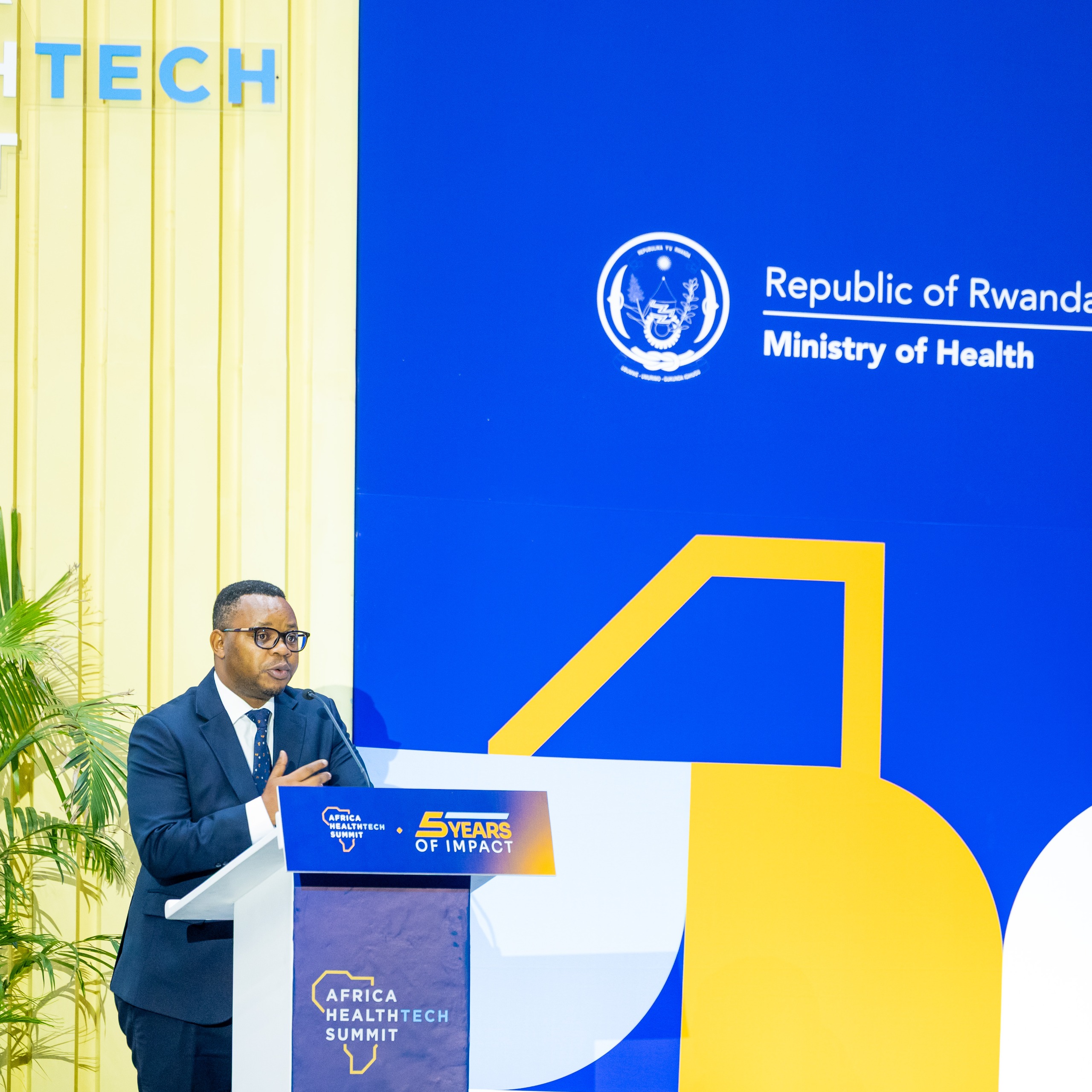
Iradukunda made the remarks on Thursday during the fifth Africa HealthTech Summit at the Kigali Convention Centre, where he spoke during a plenary session on strengthening health data systems for trusted African health research.
“Health systems have been vulnerable because of the challenge of ownership. When you look at how we fund and procure some of these systems today, there’s still a great deal of dependency,” he said, reflecting on health systems used on the continent.
He challenged innovators, philanthropies and funders to consider what ownership should look like in a context where African countries have delegated responsibility for funding and developing some of their systems to external actors.
“I want to challenge us to think about what ownership looks like in the context where we have delegated the responsibility to fund and develop our own systems elsewhere,” he added.
The ownership question also featured in discussions among researchers and health data experts at the summit.
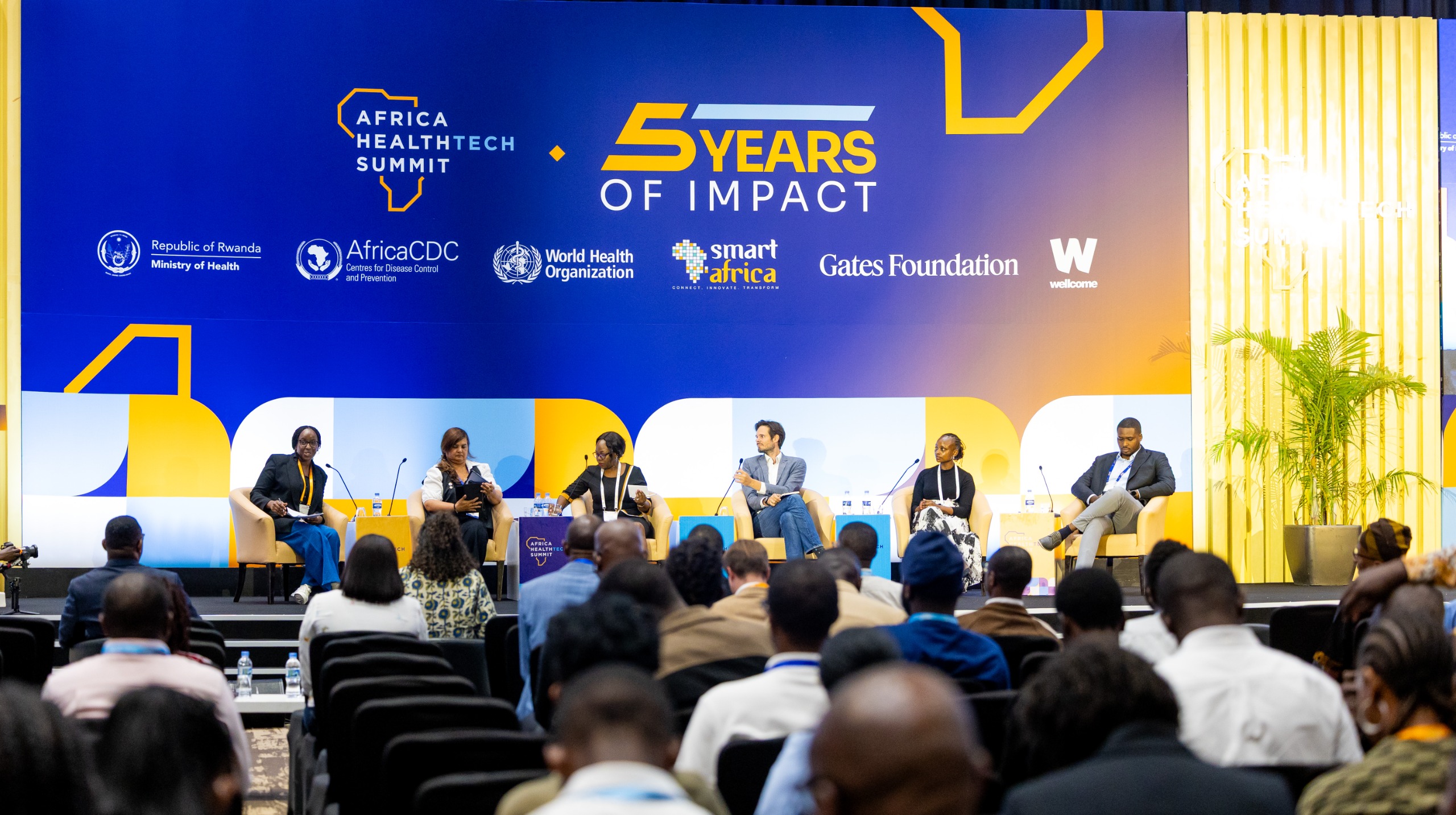
Dr Agnes Kiragga, Head of the Data Science Program and Exemplar Continental Projects at the African Population and Health Research Center, stressed the importance of building the capacity and infrastructure needed for African institutions to manage and share their own data.
She identified data governance, common standards, skilled data stewards and trusted research environments as critical enablers of cross-border research.
Kiragga also pointed to the potential of federated analysis, where researchers send analytical code to data rather than moving sensitive datasets across borders.
Claudel Sebaganwa, an eHealth adviser at Rwanda’s Ministry of Health, highlighted Rwanda’s experience of building health data infrastructure around its existing health system.
He explained that Rwanda’s community health workers and health facilities are increasingly generating electronic data that feeds into the national health intelligence infrastructure, creating a resource that can support both health service delivery and research.
Sebaganwa also pointed to Rwanda’s data privacy law and data-sharing policy as frameworks for managing how information is processed and shared.
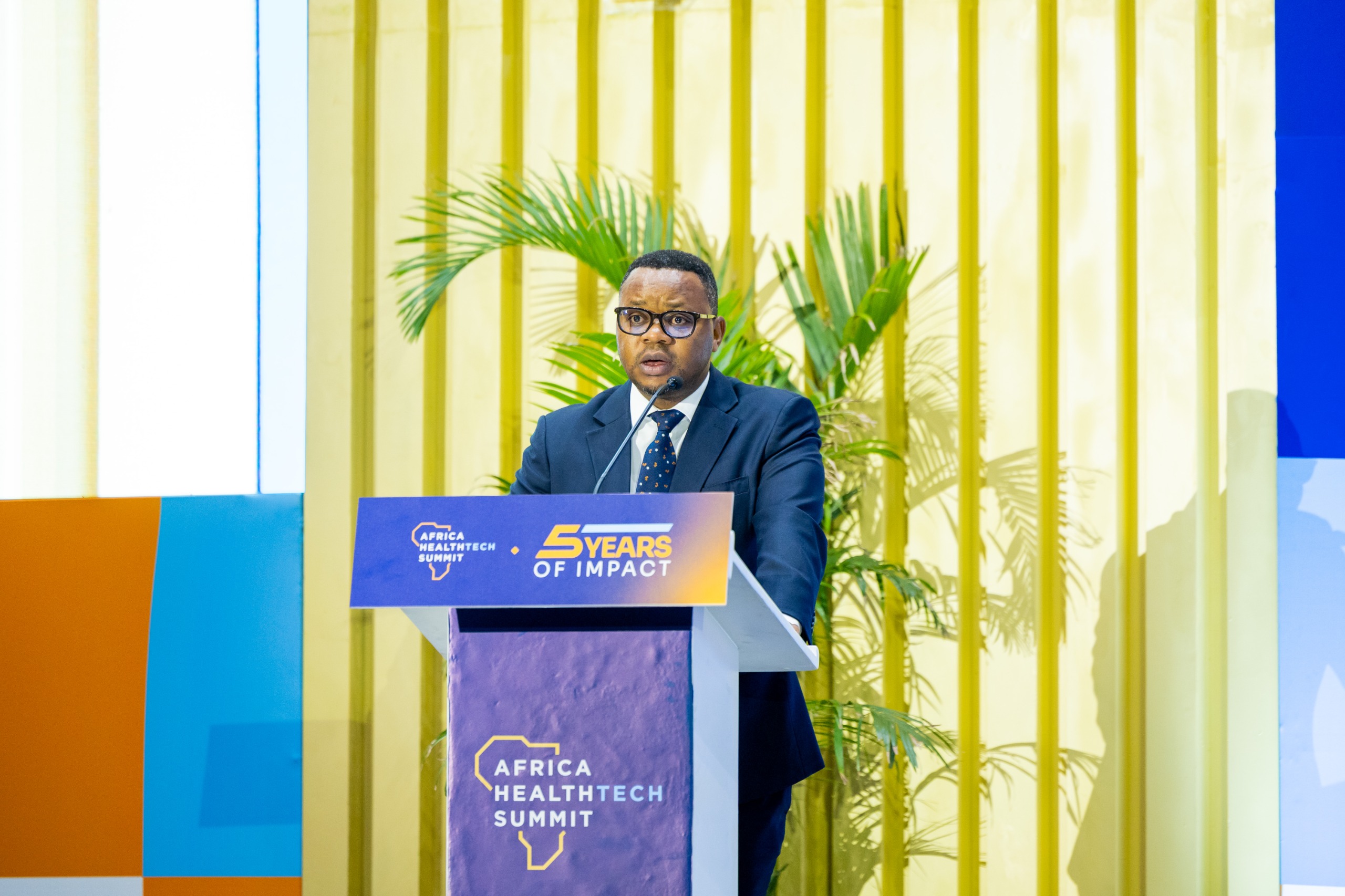
Iradukunda stressed that health data should not be viewed in isolation from the wider systems through which citizens interact with government.
“Ultimately, we shouldn't look at health data in isolation. We need to look at data that enables better service delivery to our citizens,” he maintained.
He said Rwanda’s approach is anchored on developing data governance and sharing frameworks across sectors, including health, agriculture, finance and education.
The country has also been implementing a national data hub under its data-sharing framework and “ask once” policy, which requires government to avoid repeatedly requesting information a citizen has already provided.
“If a citizen has given a certain data point to the government, the government should not be asking for that data again,” Iradukunda explained.
He said Rwanda has decentralised responsibility for data governance across government, with chief digital officers embedded in ministries and economic sectors to guide how data is managed and used.
“We have about nine chief digital officers across government. It cannot be done only at the level of the Ministry of ICT Innovation,” he observed.
Iradukunda also called for stronger continental alignment on health data governance, arguing that progress in individual countries will have limited impact if African systems cannot work together.
“Even if one jurisdiction had all the best practices, it would still not serve the broader interests of the continent,” he cautioned.
He welcomed efforts by the Africa CDC to develop frameworks supporting cross-border data exchange and urged countries to continue harmonising their approaches through regional blocs such as the East African Community.
The minister said the immediate priority should be to make health data securely available for research while strengthening cooperation between African countries.
“How do we make sure that this data is available for research purposes? How do we secure it? Also, how do we engage meaningfully across different countries?” he posed.
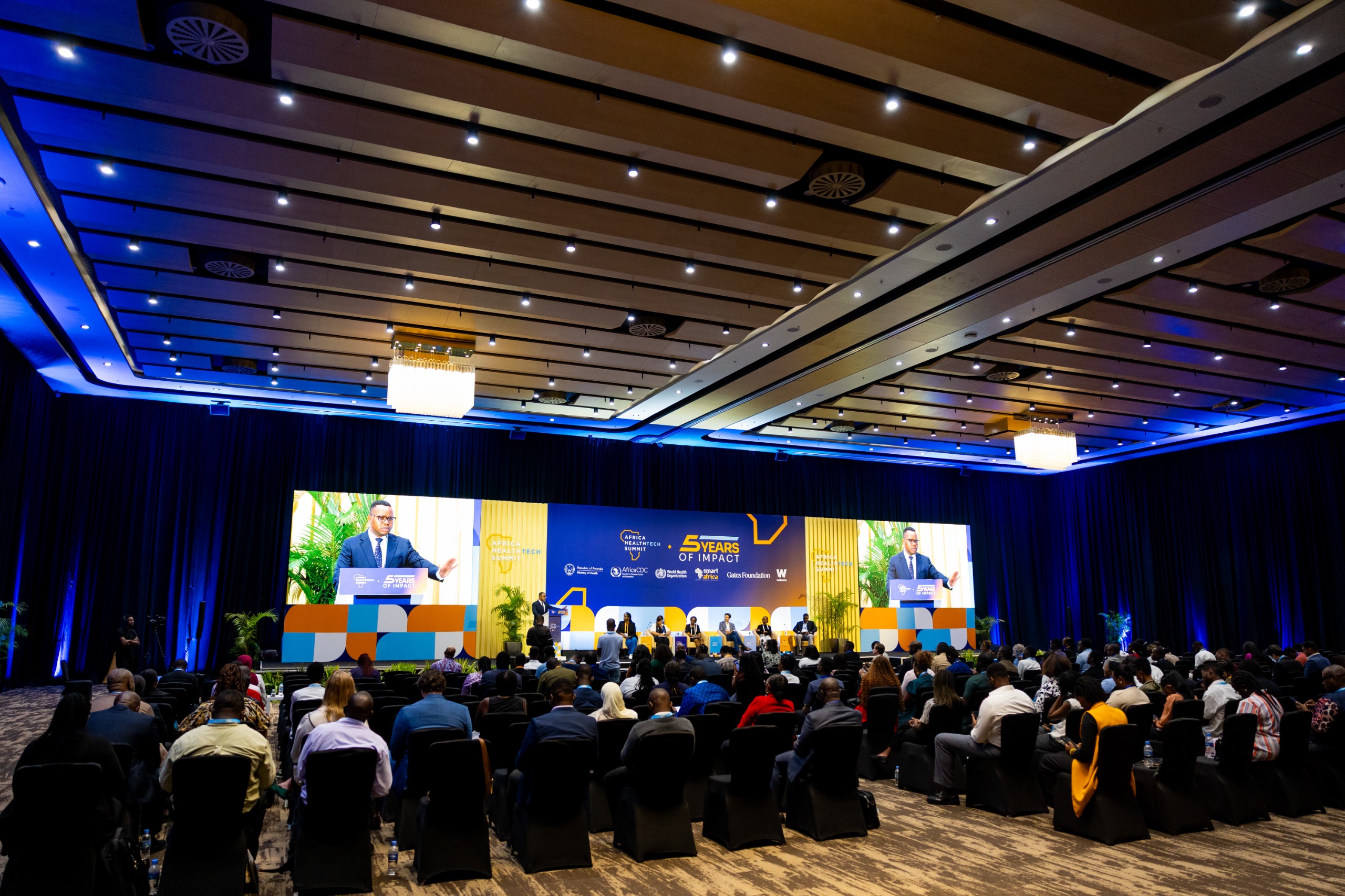
The fifth Africa HealthTech Summit is bringing together policymakers, researchers, technology companies, investors and development partners to discuss the use of digital technologies and artificial intelligence to strengthen African health systems.
Loading comments...
Leave a comment