



The new technology combines two types of propulsion that spacecraft normally use separately: chemical rockets, which provide strong bursts of power, and electric thrusters, which use less fuel and allow precise movements over long periods.
Traditionally, spacecraft need different fuel systems for each type of propulsion, making them heavier and more complex. MIT researchers have found a way to use a single fuel for both systems.
The fuel, known as ASCENT, was originally developed by the U.S. Air Force as a safer alternative to toxic rocket fuels. Researchers discovered that it can also power tiny electric engines called electrospray thrusters.
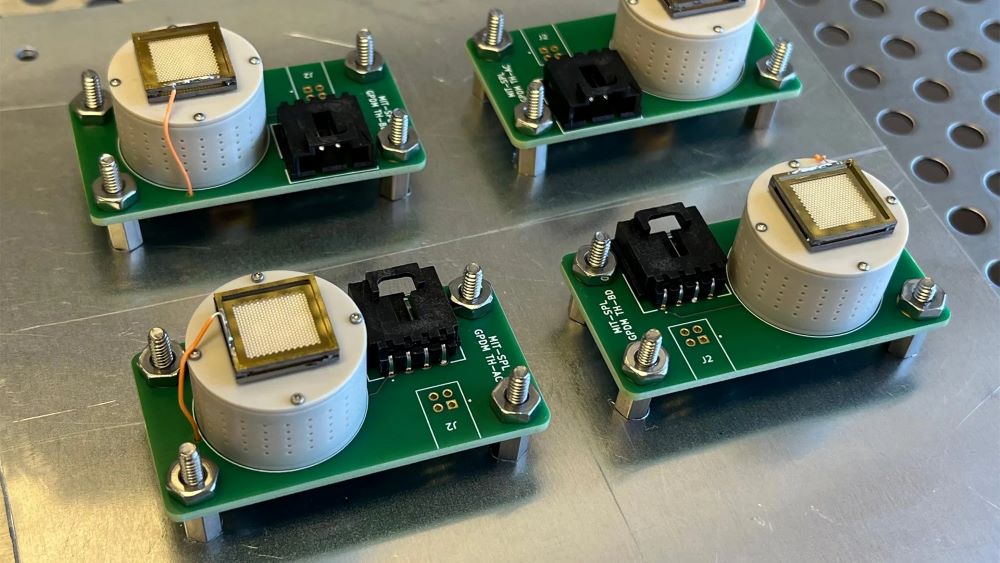
Electrospray thrusters work by using electricity to charge particles in a liquid fuel and then releasing them into space to create thrust. While they do not provide the powerful push of chemical rockets, they are highly efficient and ideal for long journeys and precise maneuvers.
MIT scientists tested ASCENT in these miniature thrusters and found that it performed just as well as fuels commonly used in electric propulsion systems.
The technology is now set for its first real-world test through a NASA-backed mission called Green Propulsion Dual Mode. A small CubeSat satellite equipped with both chemical and electric thrusters will use fuel from a single shared tank.
Researchers say the system could one day help small satellites travel much farther than they do today, including missions to Mars and the asteroid belt.
The technology could also improve Earth observation missions, allowing satellite operators to quickly or gradually reposition satellites depending on the task, such as monitoring storms or tracking climate-related events.
Loading comments...
Leave a comment